


Mid Century Watercolour Art
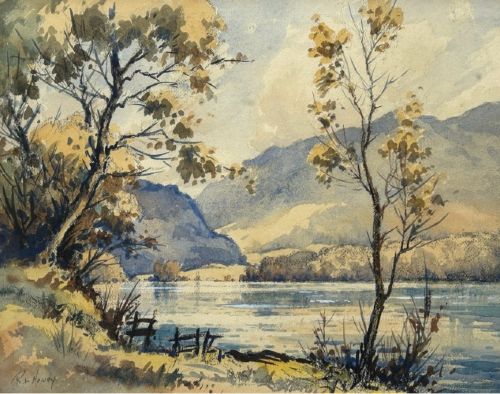
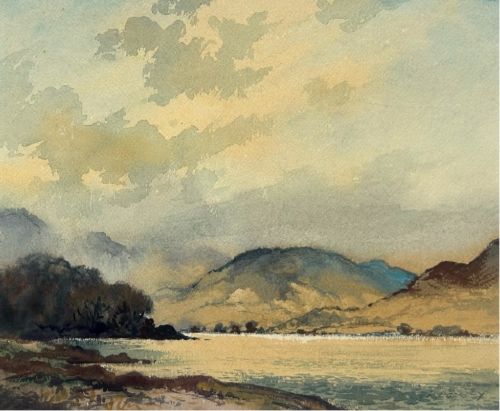
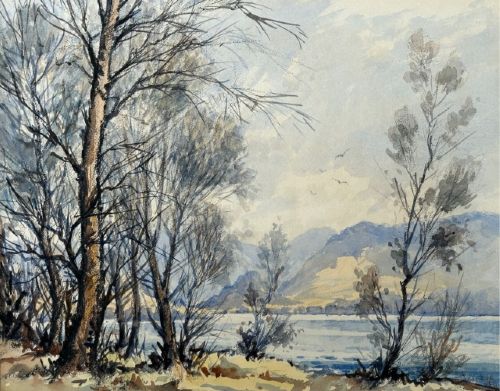
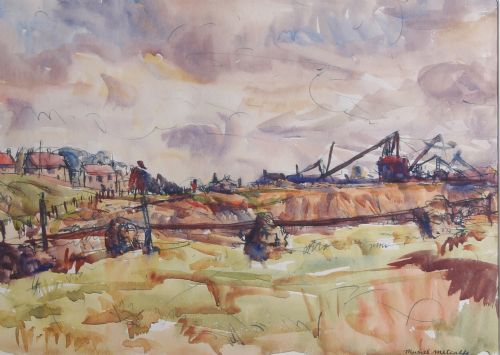
Mid century watercolour art brings together fluid pigment and expressive brushwork from decades of mid-century modernism and British landscape traditions.
Mid Century Watercolour Art
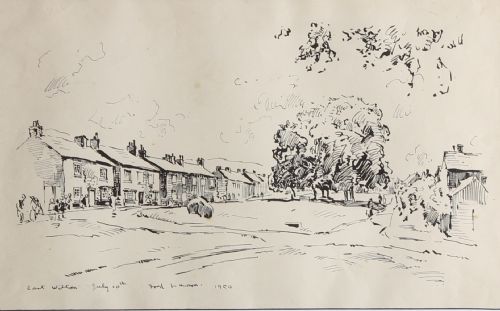
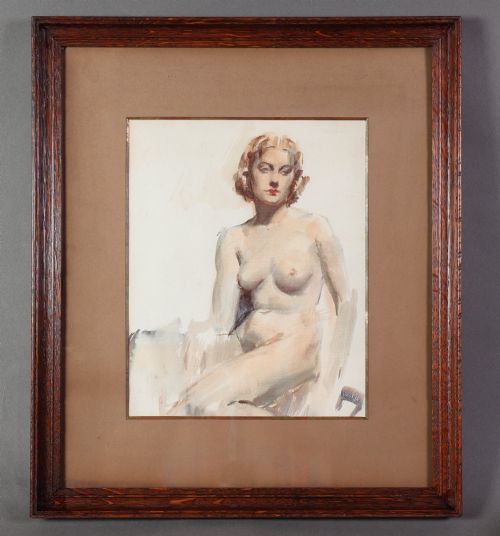
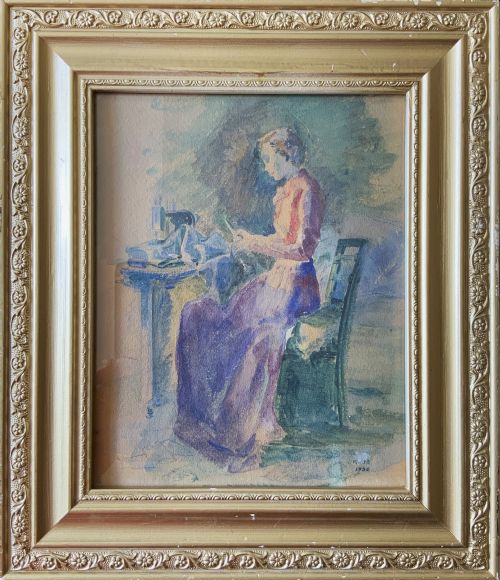
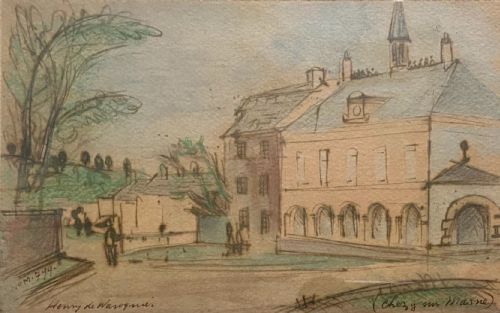
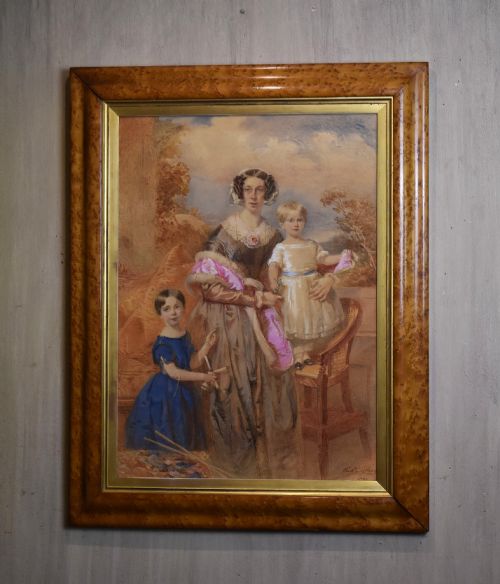
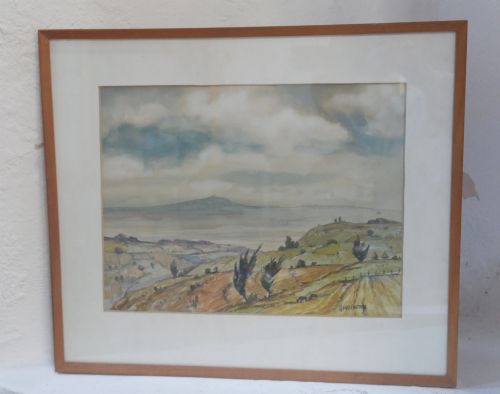
Mid century watercolour art encompasses original paintings, drawings, and framed artwork created primarily through the middle decades of the twentieth century. These works range from quiet landscape studies and coastal scenes to botanical subjects, portraits, and maritime compositions.
While the material record spans periods from the eighteenth century to the Victorian era and Edwardian times, the core of this selection focuses on mid-century British and continental examples. Buyers meet works signed by listed artists alongside pieces from regional schools and studio collections.
How they were made
These works rely fundamentally on watercolour paint and pigment applied to paper surfaces, often supplemented with ink, pencil, gouache, or wash. Artists utilised fluid dilution techniques to capture light and atmosphere across landscapes, architectural views, and figurative subjects.
Finished works are typically housed behind protective glass within wooden frames, occasionally featuring ebonised details or gold leaf accents. The physical support remains vulnerable to light and moisture, making proper framing vital to the survival of works on paper.
Several watercolours record fleeting moments of wartime domesticity and garden birds alongside sweeping maritime races.
What varies in quality
Quality rests in the confidence of the brushwork and the precision with which the artist controls pigment and water on paper. Stronger examples display a sure hand and clear compositional intent, whereas lesser pieces can feel hesitant or overly laboured.
Provenance and documentation also separate the range, as signed works by recognised painters carry distinct art-historical weight. The integrity of the sheet, minimal fading, and the retention of original framing elements further distinguish finer examples.
Thomas Miles Richardson Jnr·Richard Principal Leitch·John R Prentice·Robert Leslie Howey·Muriel Metcalfe·Fred Lawson·Frederick Tatham·Cecil Beaton·Ralston Gudgeon·Lionel Horsnell·Dame Elisabeth Frink·James Tower·Eric Tufnell·John Rattenbury Skeaping·Edward Seago·Charles F Tunnicliffe·Raoul Millais
The Mid Century Watercolour Art Glossary
- Gouache
- An opaque watercolour paint that includes a binding agent like chalk, creating a heavier and more solid matte surface than transparent watercolour.
- Wash
- A thin, fluid layer of diluted watercolour pigment spread evenly across paper to create broad areas of tone or background sky.
- Monogram
- A motif made by overlapping or combining two or more letters to form a cipher, frequently used by artists to sign works discreetly.
- Maritime
- Depicting ships, harbours, coastal views, and naval engagements, forming a distinct genre within landscape and topographical painting.
- Support
- The physical material, such as paper or card, upon which the watercolour pigments and inks are applied.
Mid Century Watercolour Art: Frequently Asked Questions
What is mid century watercolour art?
Mid century watercolour art consists of original paintings and works on paper produced during the middle decades of the twentieth century. These pieces capture contemporary landscapes, still lifes, and figurative scenes through fluid media.
The selection reflects diverse movements including Mid-Century Modern and Modern British styles, executed by both professional artists and regional schools.
How should I hang watercolour art?
Watercolours require careful placement away from direct sunlight to prevent the pigments from fading over time. UV-filtering glass and professional mounting help protect the paper from environmental damage.
Keep these framed works in rooms with stable humidity and temperature to avoid warping the paper or degrading the wooden frames.
Are these works signed?
Many pieces feature artist signatures, monograms, or studio stamps, while others remain attributed to specific schools or anonymous hands. Documentation varies depending on whether the item comes from a known artist's estate or a private collection.
Signatures provide helpful context for dating and attribution, though unsigned works from recognised periods still offer strong artistic merit.
What subjects are most common?
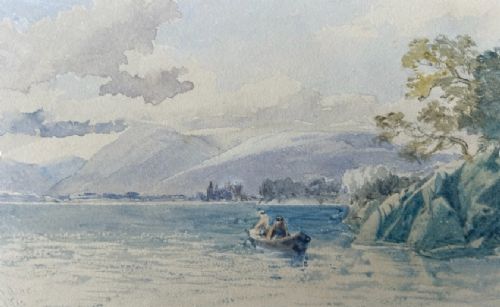
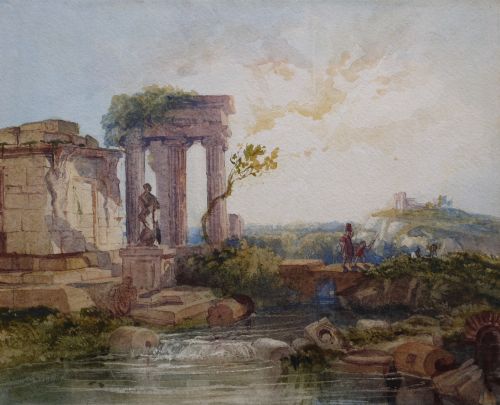
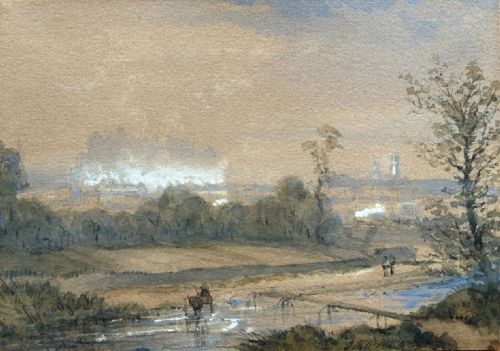
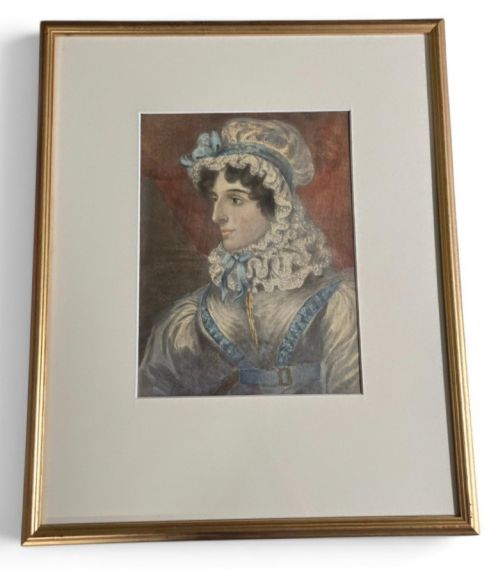
Landscape and architectural views dominate the selection, ranging from Cumbrian lakes and coastal scenes to continental townscapes. Floral still lifes, portraits, and maritime subjects also appear frequently across the period.
This variety allows collectors to focus on specific geographic regions, botanical studies, or mid-century modernist compositions.