




Vintage Mountain Wall Art
Vintage mountain wall art captures peaks and high valleys through the eyes of earlier painters, offering a window into rugged landscapes.
Vintage Mountain Wall Art
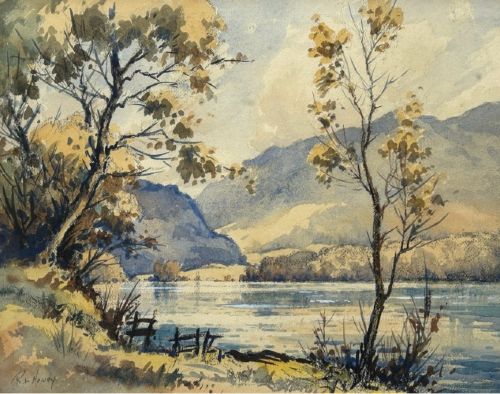
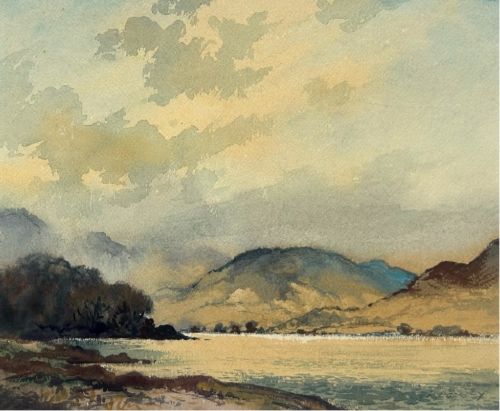
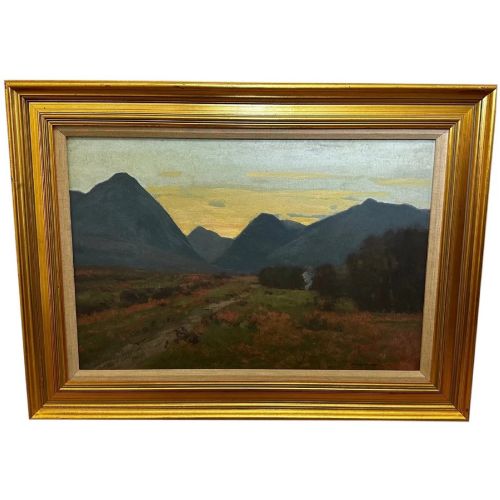
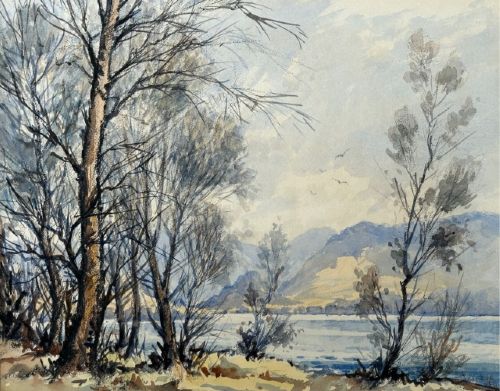
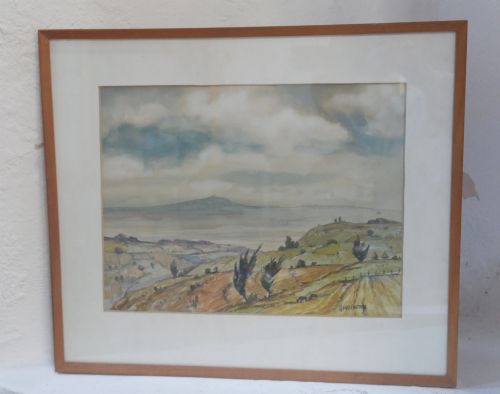
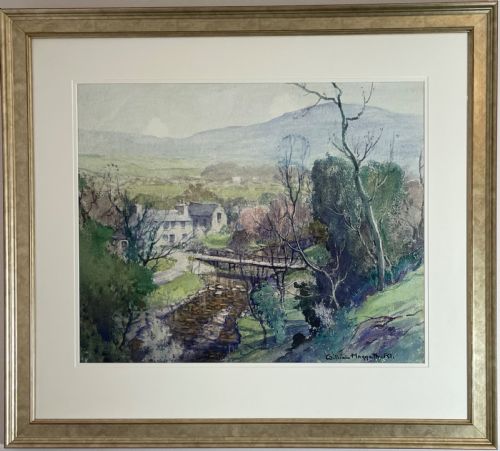
Vintage mountain wall art encompasses framed oil paintings, watercolours, gouache works, and monochrome photographs depicting dramatic peaks, lakes, and high terrain. These pieces range from Victorian Scottish Highland scenes and 19th-century Alpine views to mid-20th-century watercolours of the English Lake District.
The selections on this page lean heavily towards traditional British, Scottish Impressionist, and mid-century British school landscapes. Works span from the 1860s through the 1960s, capturing the shifting moods of mountains in Cumbria, Scotland, Switzerland, and beyond.
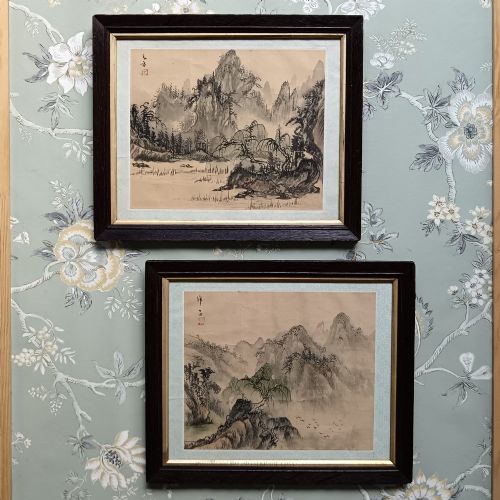
Buyers encounter everything from intimate pen-and-ink drawings to large oil paintings on canvas and panel. Framed silk paintings and gouache studies further expand the visual vocabulary of these elevated landscapes.
How these works were made
Painters applied oil paint and watercolour onto canvas, paper, wood panels, and board to capture the texture of rock and water. Artists utilised fluid watercolours for translucent lake mists and heavy oil paints to build the impasto of snow-capped Alpine summits.
Draftsmen employed pen-and-ink and gouache on paper to render crisp topographical details of crags and hillsides. Monochrome photographs recorded stark Alpine views of peaks like the Eiger through early photographic processes on paper.
Golfers and hikers share space with grazing geese, as painters faithfully recorded both mountain vistas and local golf courses.
What varies in quality
Skill in handling light and atmospheric perspective separates routine topographical records from masterly works. The ability to convey the immense scale and changing weather of a mountain range depends entirely on the artist's brushwork and tonal control.
Condition of the support, whether canvas, paper, or wood panel, alongside the preservation of the original pigments, dictates the visual impact of the piece. Works that retain their original frames and uncompromised surfaces hold greater historical integrity.
Robert Leslie Howey·George Houston·William Hoggatt·Frank Hider·Alfred de Breanski Sr
The Vintage Mountain Wall Art Glossary
- Watercolour
- A painting method where fine pigment is suspended in a water-soluble binder, typically applied to paper to create luminous, transparent washes.
- Impasto
- Paint laid on an area of the surface in thick layers, standing visibly out from the canvas and adding physical texture to crags and snow.
- Gouache
- An opaque water-based paint that includes a white pigment filler, producing a heavier, more solid finish than traditional watercolour.
- Panel
- A flat piece of wood used as a rigid support for oil paintings before stretched canvas became universally standard.
- Monochrome
- A photograph or artwork executed in a single colour or shades of grey, characteristic of early Alpine view prints.
Vintage Mountain Wall Art: Frequently Asked Questions
What periods do these pieces come from?
The works span from the Victorian era and the nineteenth century through Edwardian times and into the mid-twentieth century.
Most items date from the 1860s up to the 1960s, reflecting changing artistic movements from British Impressionism to mid-century modern art.
How do I identify a watercolour from an oil painting?
Watercolours are painted on paper, often showing transparent washes and the texture of the sheet beneath, and are typically framed behind glass.
Oil paintings utilise thicker pigments applied to canvas, board, or wood panels, presenting a textured surface that sits proud of the support.
Where were these mountain landscapes painted?
Artists recorded terrain across the British Isles, including the English Lake District, Scottish Highlands, and Welsh mountains.
Other works capture continental heights such as the Swiss Alps, Austrian landscapes, and peaks in Kenya, Spain, and China.
How should I hang vintage mountain art at home?
These landscape pieces suit traditional and mid-century interiors, anchoring a room with their natural subject matter and historical depth.
Ensure works on paper, particularly watercolours and photographs, are placed away from direct sunlight to protect the pigments from fading.