


Mid Century Wall Art
Mid century wall art brings together expressive paintings, watercolours and lithographs from the middle decades of the twentieth century to anchor a room.
Mid Century Wall Art
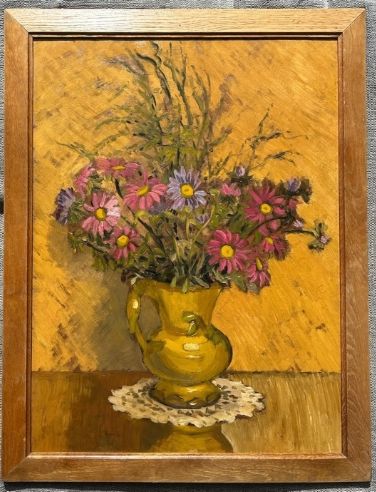
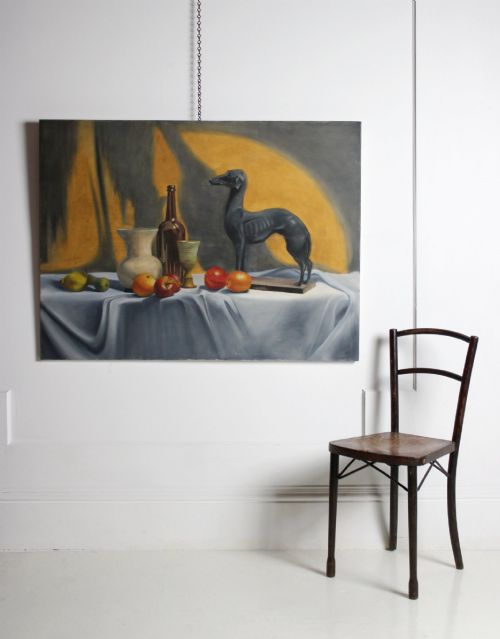
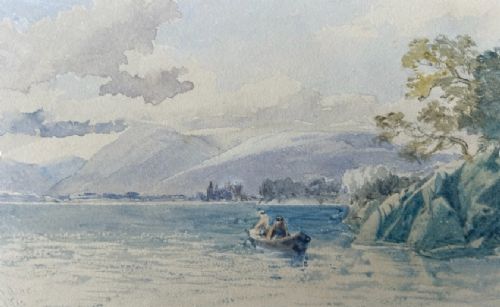
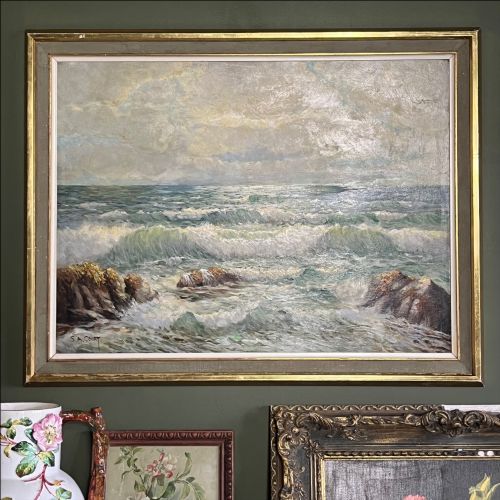
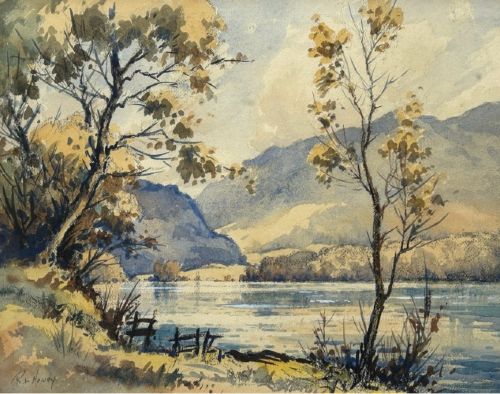
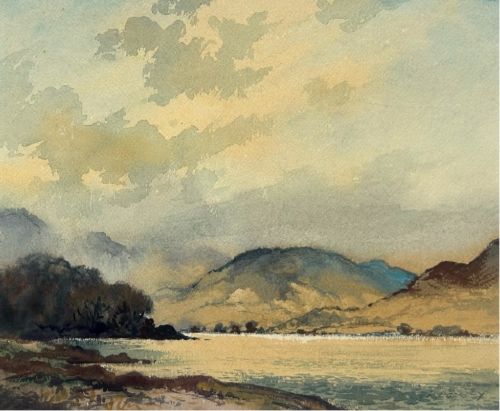
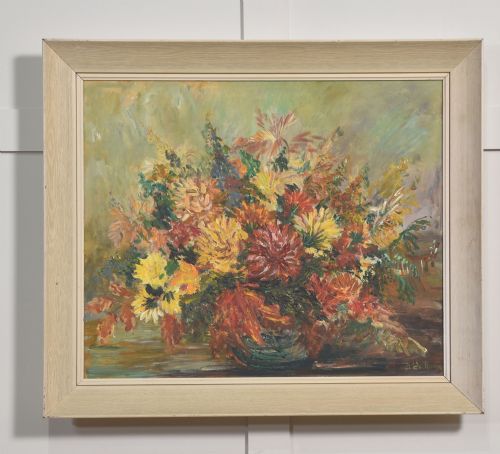
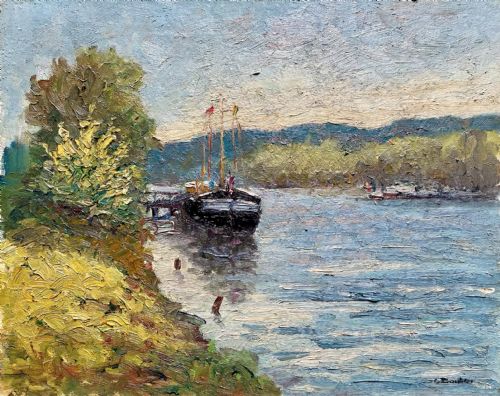
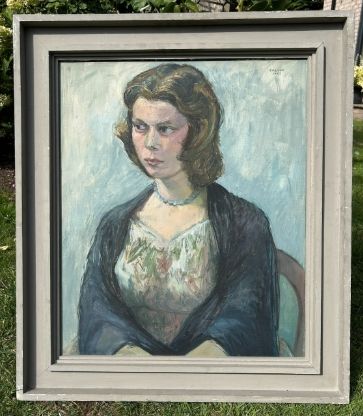
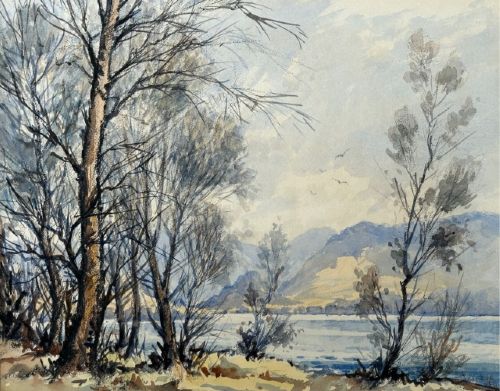
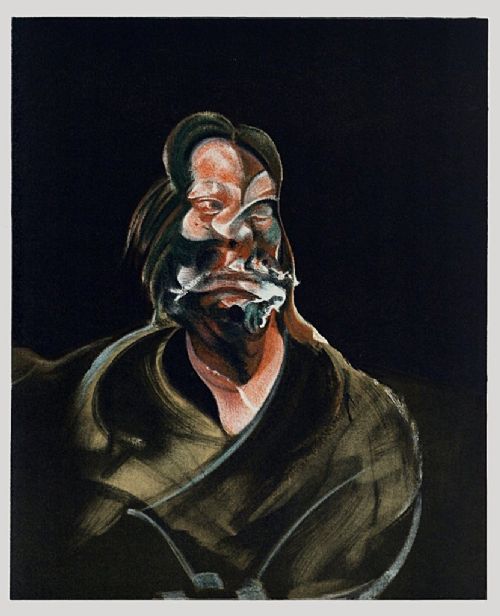
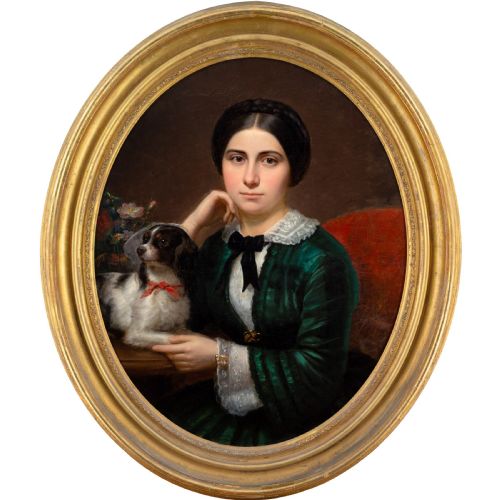
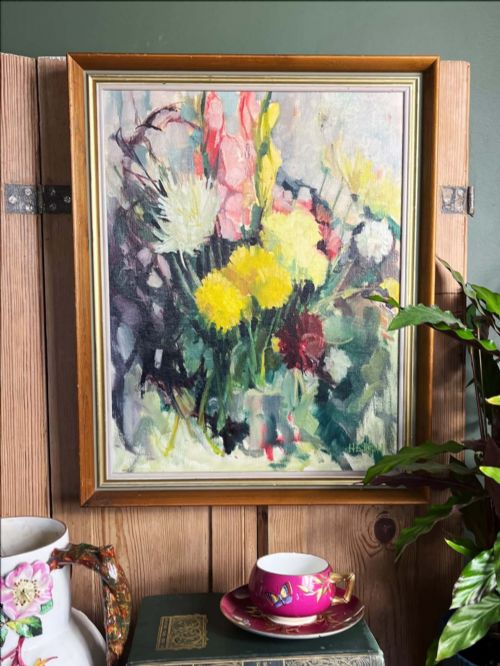
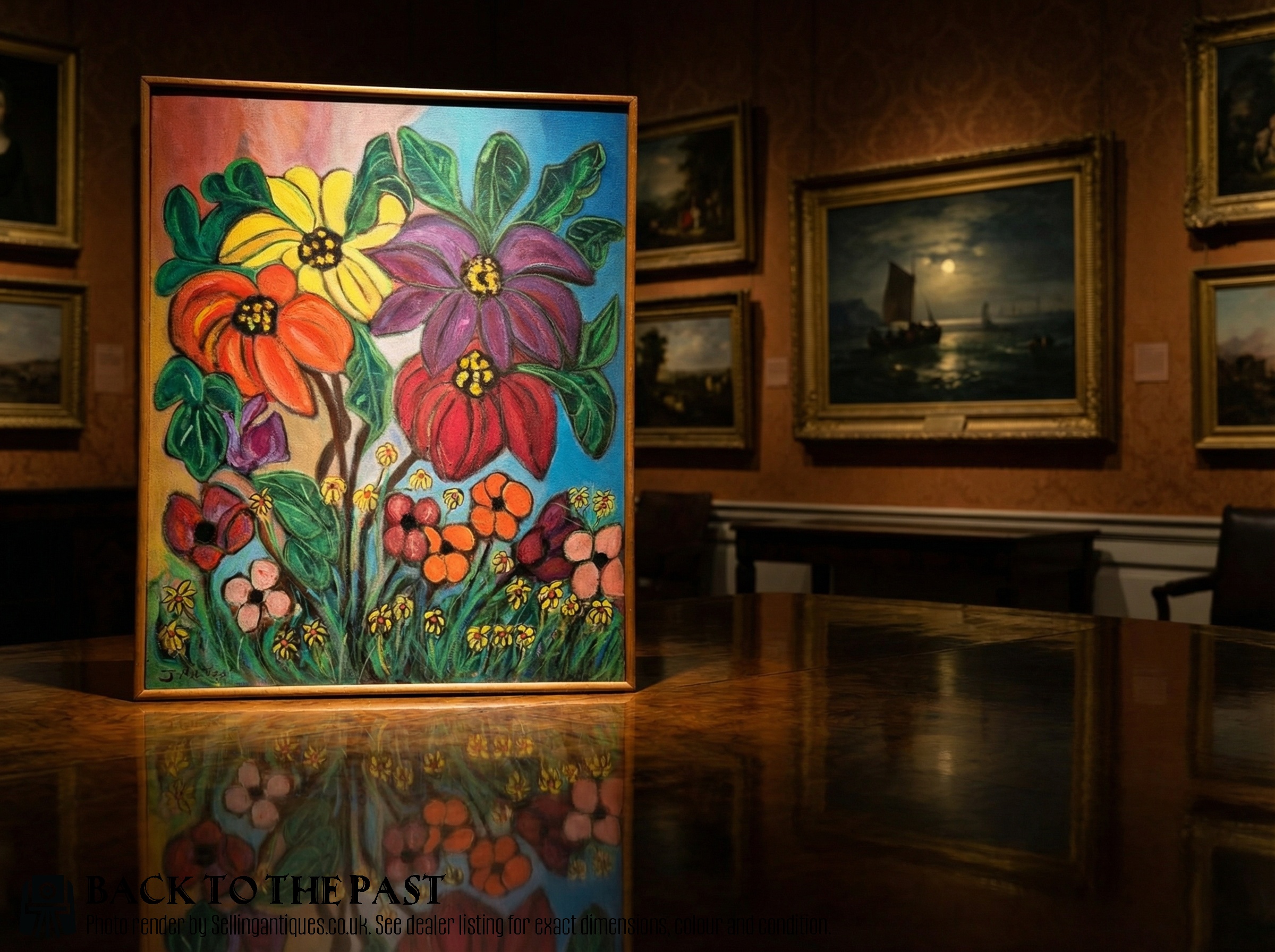
When you search for mid century wall art, you encounter a varied selection of paintings, watercolours, lithographs and framed art prints produced primarily during the 1950s and 1960s. These works range from maritime British landscapes and Cumbrian lake scenes to vibrant floral still lifes and post-impressionist European views.
You are most likely to meet original oil paintings on board or canvas, alongside delicate watercolours and mid-century modern prints. The selection spans naive art, expressionism and modern British styles, reflecting the diverse creative output of the period.
The assortment also encompasses portraiture, coastal views and textile art panels such as batik. Each piece captures the distinctive aesthetic sensibilities of the mid twentieth century, offering character and historical depth for interior display.
Materials and methods of construction
Artists of this era typically applied oil paint onto canvas or prepared board, capturing subjects en plein air or within the studio. Watercolours on paper provide a lighter, more fluid alternative, often preserved behind glass within period frames.
Lithography served as a prominent medium for reproduction and original graphic works, utilising stones or metal plates to produce rich, textured prints. Selected pieces also incorporate textile elements like batik, combining dyed fabrics with framed presentation.
Mid Century Wall Art Retail Price Guide 2026
Typical asking prices for mid century wall art among the pieces listed under this phrase on Sellingantiques today, from the lower quarter to the upper quarter. They describe what is for sale here now, not the wider market.
Listings feature works spanning the 1850s to later than 1960, executed in oil, watercolour, canvas and board.
Distinctions in quality and execution
Quality rests upon the sureness of the brushwork, the depth of composition and the artist's command over light and colour. Works executed with confident handling and a distinct personal vision stand apart from more formulaic decorative productions.
The integrity of the medium and the preservation of the surface condition contribute significantly to a piece's standing. Original oils with stable paint layers and minimal restoration hold greater artistic resonance than compromised examples.
Kenneth Cozens·Thomas Miles Richardson Jnr·Donald Grant·Sidney A Court·Robert Leslie Howey·Marc Chagall·Antonio DeVity
The Mid Century Wall Art Glossary
- Board
- A rigid flat substrate, often made of wood pulp or masonite, used by artists as an alternative to stretched canvas.
- Lithograph
- A print produced through the process of planographic printing, where an image is drawn onto stone or metal and transferred to paper.
- En plein air
- A French term describing the practice of painting outdoors to capture direct observations of natural light and atmosphere.
- Post-Impressionism
- An artistic movement following impressionism that extended its use of vivid colours while emphasising geometric forms and expressive qualities.
- Batik
- A technique of wax-resist dyeing applied to whole cloth, creating intricate patterned panels suitable for framing as textile art.
Mid Century Wall Art: Frequently Asked Questions
How do I identify mid century wall art?
Examine the subject matter, colour palette and framing materials for characteristics typical of the 1950s and 1960s. Mid-century modernism often favours simplified forms, expressive brushwork and distinctive framing that reflects post-war design trends.
Signatures, dates inscribed on the reverse or stretcher bars, and artist stamps provide definitive confirmation of the period. Comparing the stylistic approach to established mid-century movements helps place unsigned works accurately.
Where should I hang these paintings?
These works suit living rooms, dining spaces and studies where their colours and textures can become a focal point. Pair them with complementary mid-century furniture or use them to introduce warmth and historical character to a contemporary interior.
Protect the pieces from direct sunlight and excessive moisture to preserve the oil paint, paper or canvas. Proper placement ensures the artwork remains a lasting feature of your home.
What is the difference between oil and watercolour?
Oil paintings utilise pigment suspended in a drying oil, offering a rich, thick texture and deep luminous colours on canvas or board. Watercolours employ water-soluble pigments on paper, creating translucent washes and delicate effects.
Oils generally present a more robust surface that benefits from framing without glass, whereas watercolours require careful framing under glass to protect the paper from environmental damage.
Are lithographs considered original art?
Original lithographs are created when the artist draws directly onto the printing matrix, making each impression part of a deliberate artistic edition. These differ from mechanical reproductions because the artist conceived the work specifically for the print medium.
Look for evidence of plate marks, paper quality and publisher documentation to understand the nature of the print. Mid-century lithographs offer an accessible entry point into collecting period graphic art.