
Mid Century French Table
When buyers search for a mid century french table, they encounter diverse forms ranging from practical farmhouse timbers to refined gilded salon pieces.
Mid Century French Table
A mid century french table encompasses a broad variety of practical and decorative furniture types, ranging from robust kitchen and farmhouse timbers in cherry wood, oak, and elm to sophisticated occasional, coffee, and centre designs.
The selection frequently spans earlier revival aesthetics alongside twentieth-century modernism, reflecting both provincial utility and metropolitan Parisian elegance.
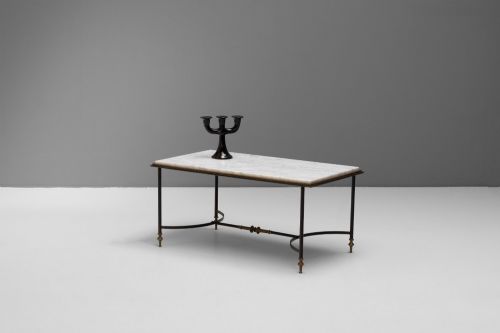
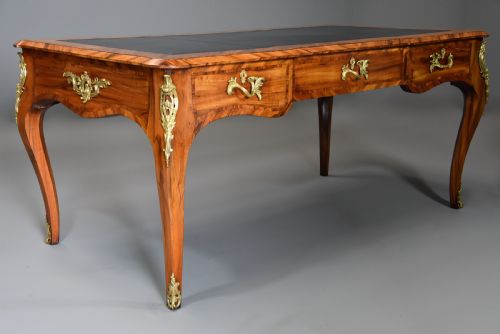
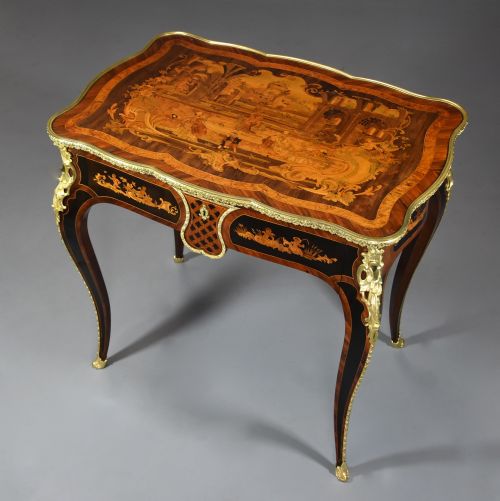
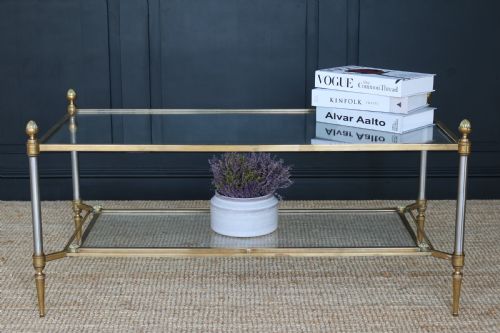
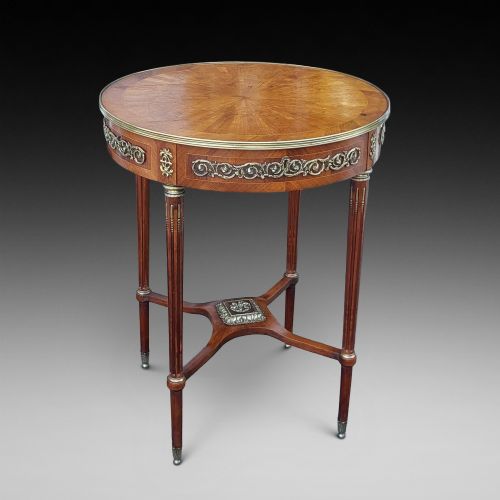
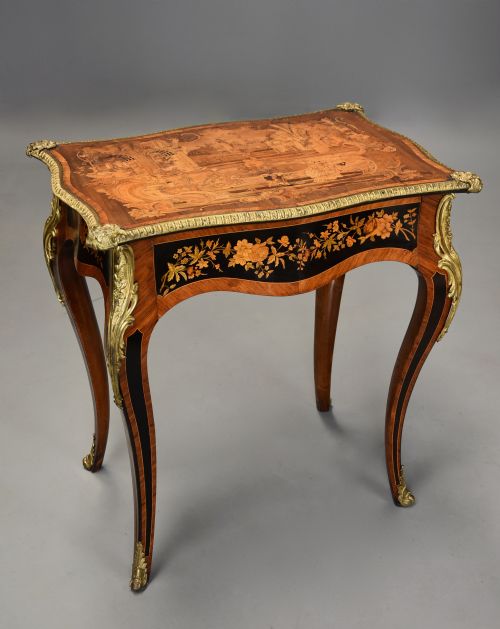
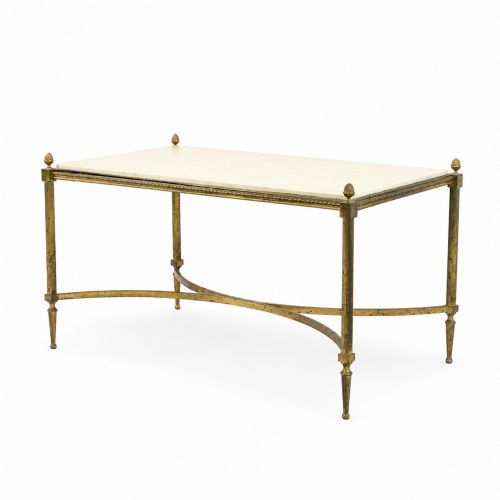
Buyers will discover everything from low coffee formats utilising marble and wrought iron to writing desks and lamp tables constructed with kingwood and ormolu mounts.
Materials and construction methods
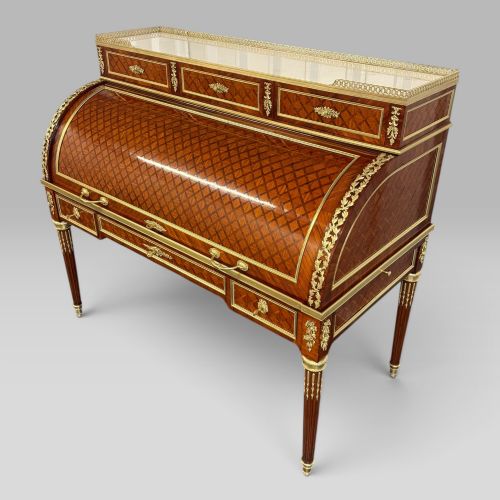
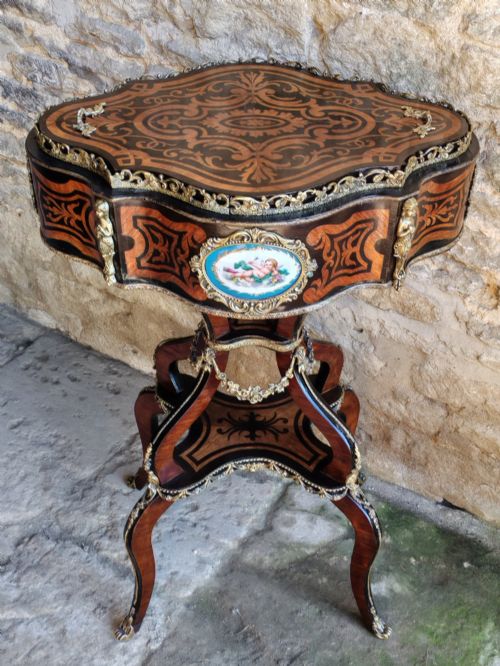
Cabinet makers utilised a rich palette of native and exotic timbers including walnut, mahogany, satinwood, and fruitwoods, frequently incorporating intricate marquetry and parquetry patterns.
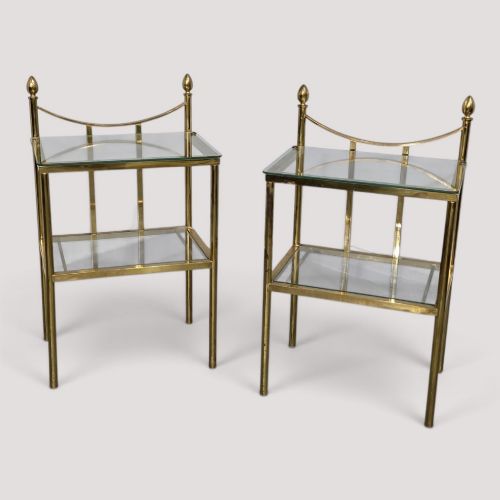
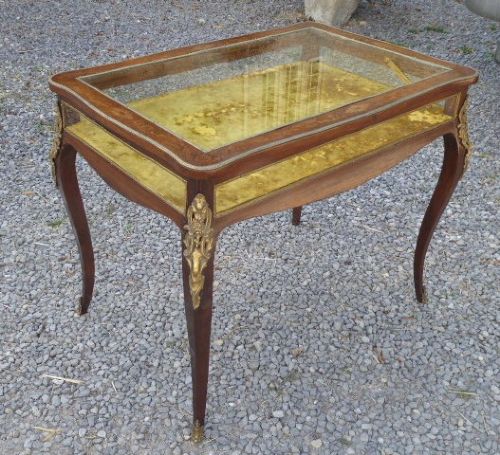
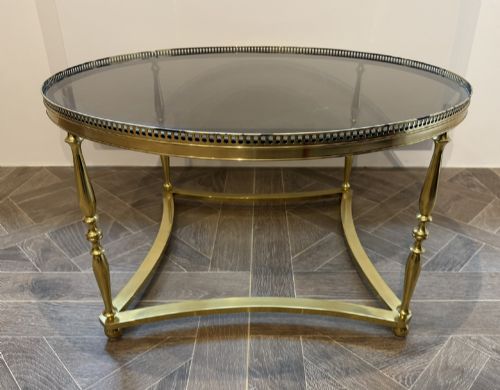
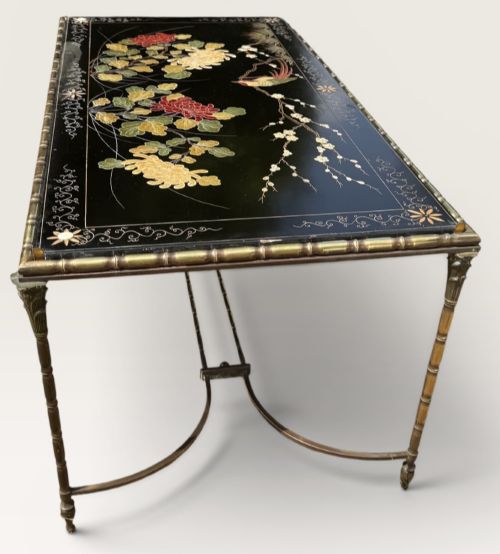
Metal elements such as brass, bronze, gilt bronze, and ormolu provided structural mounts and decorative accents, often paired with polished marble tops or inset glass surfaces.
Recorded periods span the eighteenth century, the nineteenth century, and into mid-century modern designs.
Quality distinctions in French tables
Distinctions in quality often rest upon the precision of the marquetry inlay, the crispness of chased ormolu and bronze mounts, and the integrity of the underlying timber construction.
Pieces originating from notable Parisian workshops or attributed to established designers typically demonstrate superior proportion, hand-finishing, and material selection compared to standard provincial examples.
Maison Jansen·Maison Bagues·Maison Ramsay
The Mid Century French Table Glossary
- Ormolu
- Gilded bronze applied as a decorative mount on furniture and clocks. This technique was widely utilised by Parisian makers during the eighteenth and nineteenth centuries.
- Marquetry
- Decorative veneer applied to furniture in patterns using different woods, metals, or shells. Artisans cut these delicate elements to form complex pictorial or geometric designs.
- Parquetry
- Geometric wood mosaic work used for floors and cabinet surfaces. The small wooden blocks fit together to create repeating patterns like squares or diagonals.
- Bureau plat
- A type of freestanding writing table featuring a rectangular top and drawers beneath. These tables were typically finished on all sides to stand centrally in a room.
- Gueridon
- A small round table supported by one or more columns or figures. Originating in the seventeenth century, these tables often featured marble tops.
Mid Century French Table: Frequently Asked Questions
How do I identify a true period piece?
Examine the construction methods, joint work, and material ageing to determine the authenticity of a French table. Secondary woods and hand-cut fixings often indicate the era of manufacture.
Compare the decorative hardware and veneer techniques against documented examples from specific nineteenth or twentieth-century workshops.
Where were these tables typically placed?
Centre tables and gueridons stood prominently in the middle of principal reception rooms to display decorative objects or lighting. Smaller lamp tables and coffee variants served seating areas in salons and studies.
Provincial farmhouse tables functioned primarily as utilitarian kitchen work surfaces for daily domestic life.
How should I care for marble and wood?
Clean polished wood surfaces using dry or lightly damp cloths, avoiding harsh chemical sprays that degrade antique finishes. Preserve the natural moisture of timbers with appropriate waxes.
Protect marble inserts from acidic liquids and stains by wiping spills immediately and using coasters under glassware.
What defines Parisian styling?
Parisian furniture often incorporates refined materials such as kingwood, ormolu mounts, and intricate marquetry. These metropolitan pieces contrast with simpler provincial furniture made from regional fruitwoods.
Design revivals frequently drew inspiration from Louis XV and Louis XVI aesthetics to project formal elegance.