




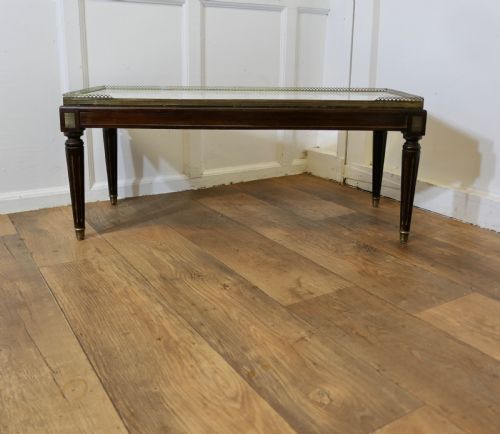

French Neoclassical Coffee Table
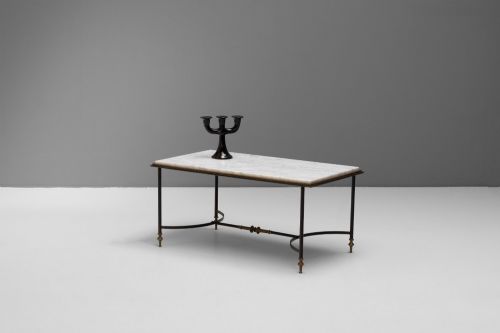
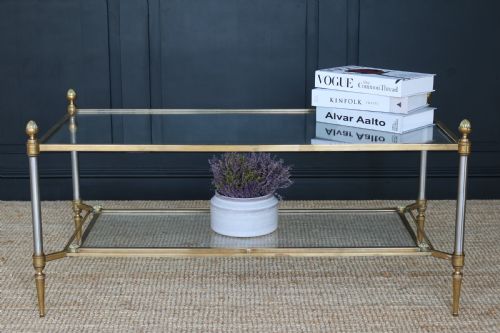
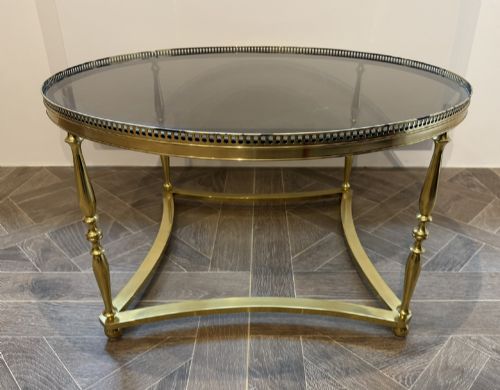
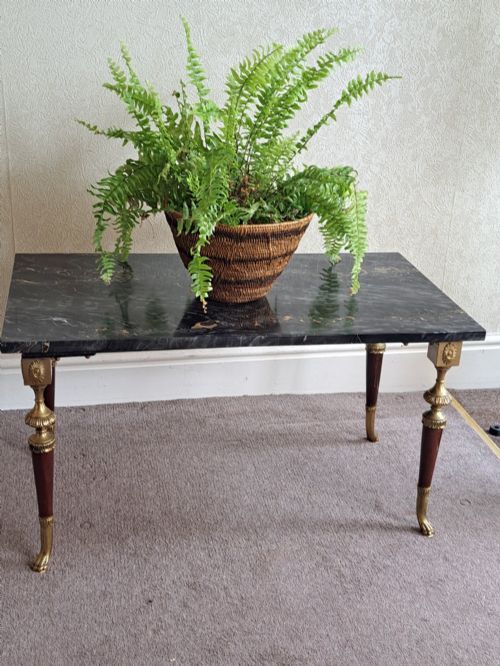
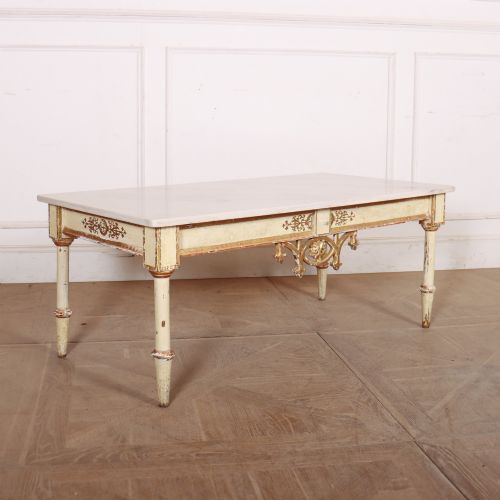
A french neoclassical coffee table brings classical architectural line and marble proportion into a sitting room.
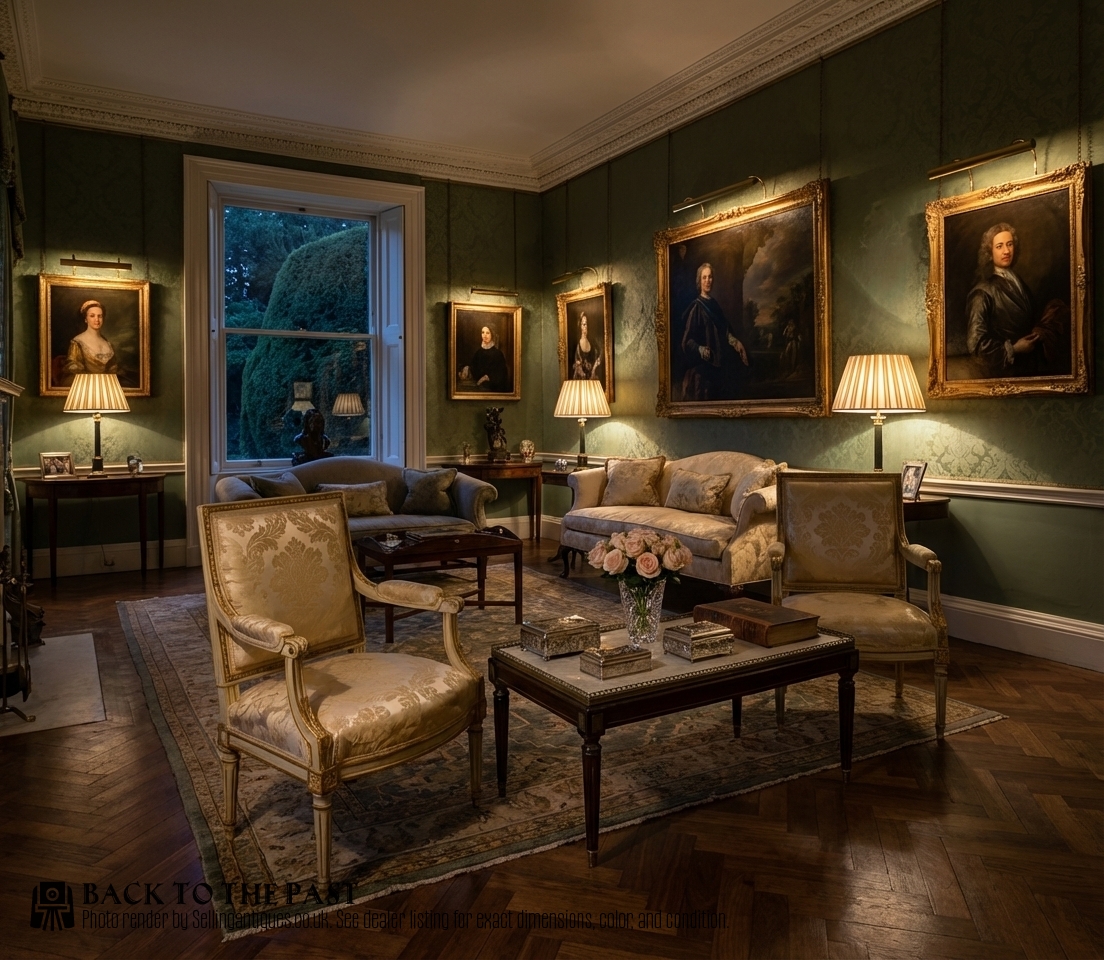
French Neoclassical Coffee Table
When you search for a french neoclassical coffee table, you are looking at low tables and side tables drawing on Louis XVI, Empire, and neoclassical revival vocabularies. These pieces take formal proportions and adapt them for domestic sitting rooms.
The versions you are most likely to meet on this page date from the nineteenth century through the early twentieth century, alongside later mid-century interpretations. They combine architectural frames with stone and glass surfaces.
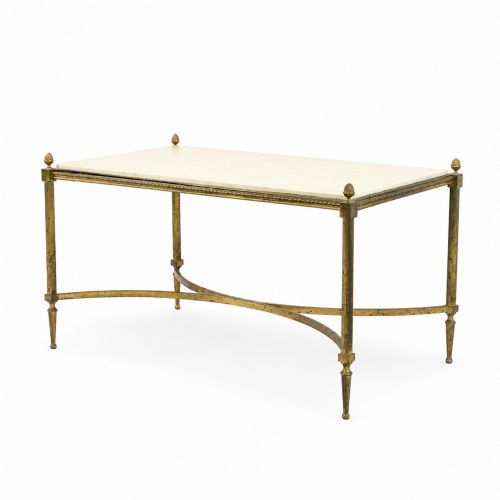
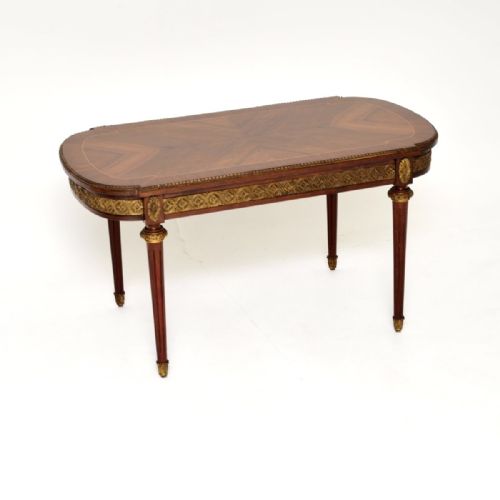
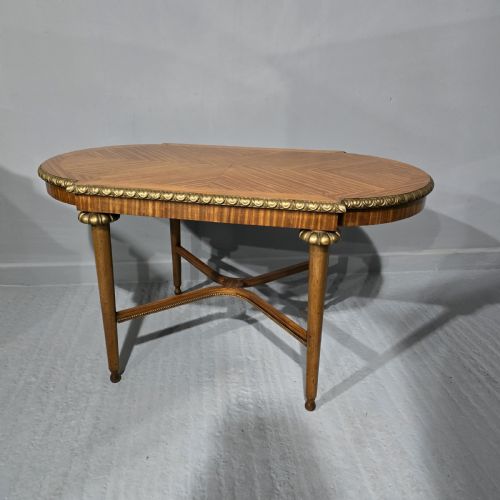
Makers and workshops across Paris and wider Europe produced these forms in wood, metal, and gilt. They range from simple brass and marble combinations to intricately inlaid satinwood and ormolu-mounted walnut designs.
Materials and construction
Frames rely on sturdy timbers like walnut and satinwood, frequently paired with cast brass, bronze, and giltwood. Iron also appears in structural supports.
Stone tops, particularly polished marble, form a durable and cool surface that defines many of these low tables. Glass inserts and painted finishes add further variety to the tabletops.
Mounts and decorative details utilise ormolu and brass casting techniques to apply classical motifs directly to the timber framing.
Some tables double as low cocktail platforms, proving that past aristocrats also enjoyed a steady place for their evening drinks.
Judging quality
The distinction between standard production and finer work rests on the crispness of the bronze or brass mounts and the selection of timber veneers. Hand-chased metalwork and precise joinery elevate a piece.
The weight and thickness of the marble top, along with its figuring and polish, signal the care taken during manufacture. Inferior examples may use thinner stone or simpler cast elements with less definition.
Maison Jansen·Masion Ramsay
The French Neoclassical Coffee Table Glossary
- Ormolu
- Gilded bronze used for decorative mounts and fittings on furniture. This technique gives metallic ornamentation a rich golden appearance.
- Satinwood
- A durable hardwood with a natural sheen, prized for fine cabinet making. It takes a high polish and provides a bright, golden surface.
- Louis XVI style
- A classical revival movement referencing eighteenth-century French royal design. It emphasises straight lines, symmetry, and architectural restraint over curving baroque forms.
- Giltwood
- Timber treated with gold leaf or gilt paint to create a lustrous surface. It highlights carved mouldings and structural details.
- Neoclassical revival
- A renewed interest in Greek and Roman design motifs occurring in later periods. It brings columns, swags, and urns into domestic furniture.
French Neoclassical Coffee Table: Frequently Asked Questions
What is a french neoclassical coffee table?
A low table drawing on eighteenth-century French classical design, typically featuring columnar legs, brass mounts, and a marble top.
Such tables adapt formal architectural motifs for everyday domestic use in sitting rooms.
How do I clean a marble top?
Use a soft cloth dampened with warm water and mild, pH-neutral soap to wipe the surface gently.
Avoid acidic cleaners like vinegar or lemon juice, which can etch and dull the polished stone.
Are these tables heavy?
Yes, many examples carry significant weight due to the combination of solid timber, cast bronze mounts, and thick marble slabs.
It is wise to lift rather than drag them across floors to protect both the furniture joints and the ground surface.
How do I identify the style?
Look for straight tapered legs, fluting, beribboned floral swags, and symmetrical geometric layouts rather than curving lines.
These details point directly to Louis XVI and neoclassical design influences.