
Mid Century Dining Chairs
Mid century dining chairs bring together forms in mahogany, rosewood and walnut, spanning periods from the eighteenth century to the twentieth.
Mid Century Dining Chairs
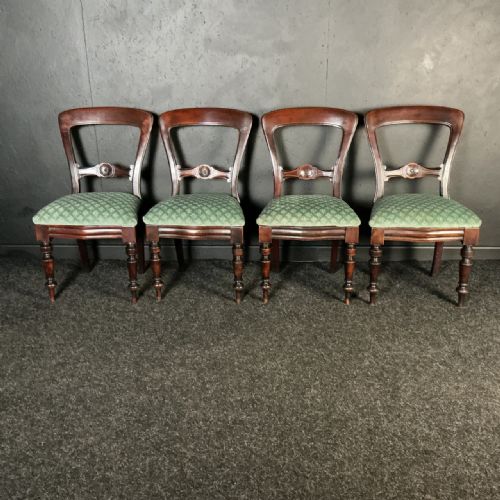
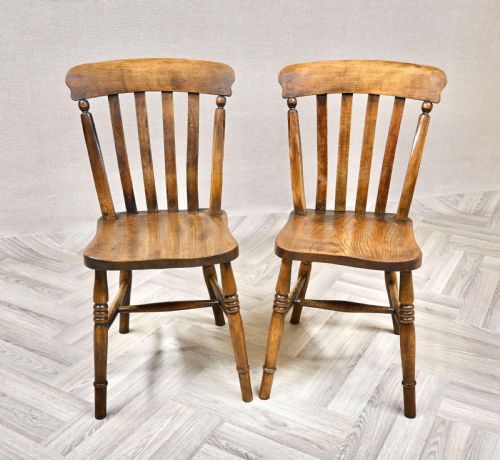
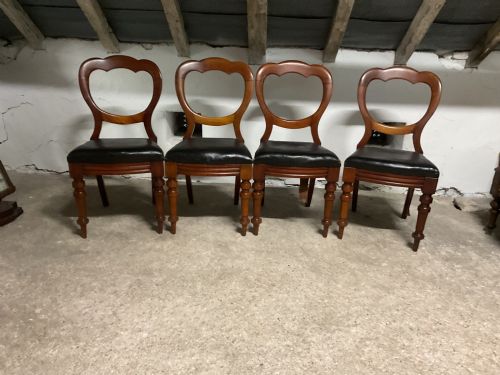
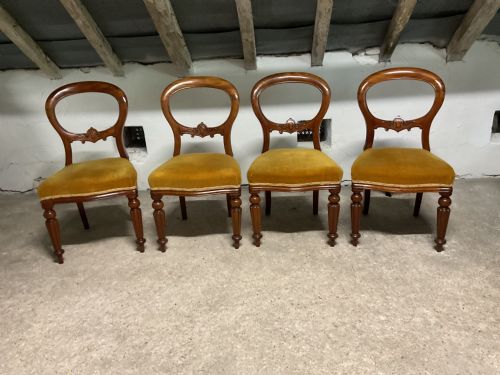
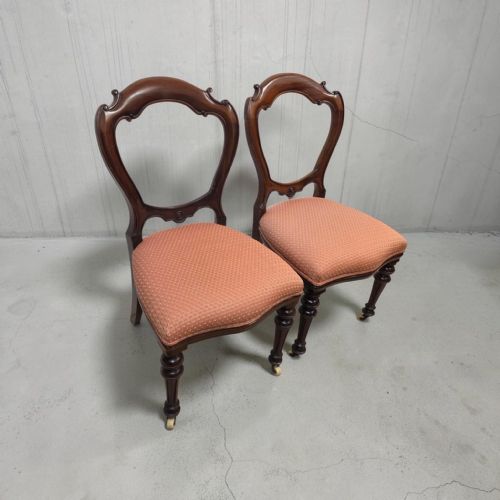
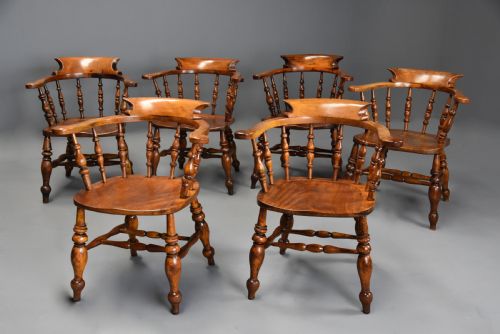
Mid century dining chairs span a diverse array of historical eras, including eighteenth-century Georgian pieces, nineteenth-century Victorian balloon backs, and mid-twentieth-century utility designs. Buyers searching this phrase encounter substantial variations in construction, ranging from formal mahogany sets to country Windsor and ladder back kitchen chairs.
The material palette recorded across these pieces includes solid mahogany, rosewood, walnut, yew wood, elm, and ash, frequently paired with fabric, velvet, or brass elements. Dining sets appear alongside side chairs, armchairs, desk chairs, and occasional bedroom chairs.
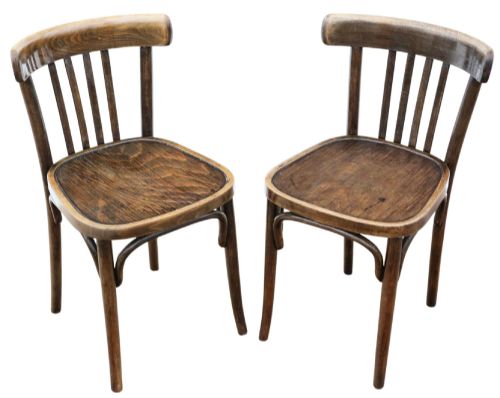
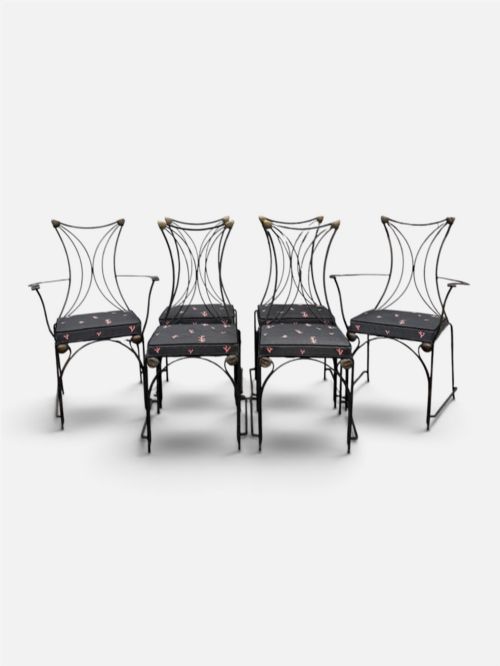
Stylistic influences encompass Chippendale revivals, Art Deco, French mid-century modern, and bentwood bistro seating. These diverse origins reflect changing domestic requirements from formal dining rooms to kitchen settings over multiple centuries.
Materials and Technique
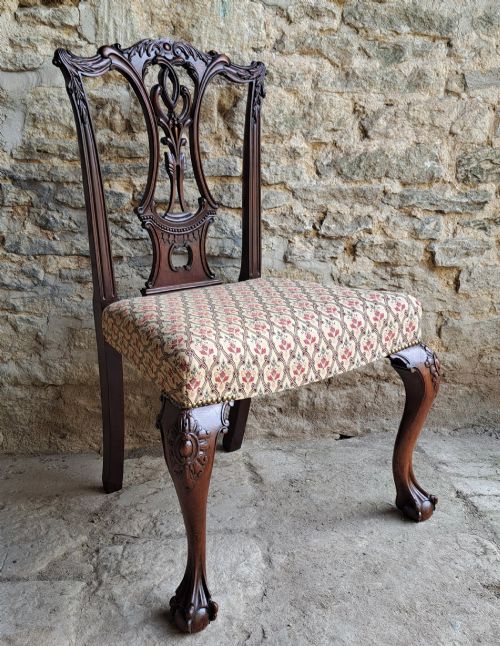
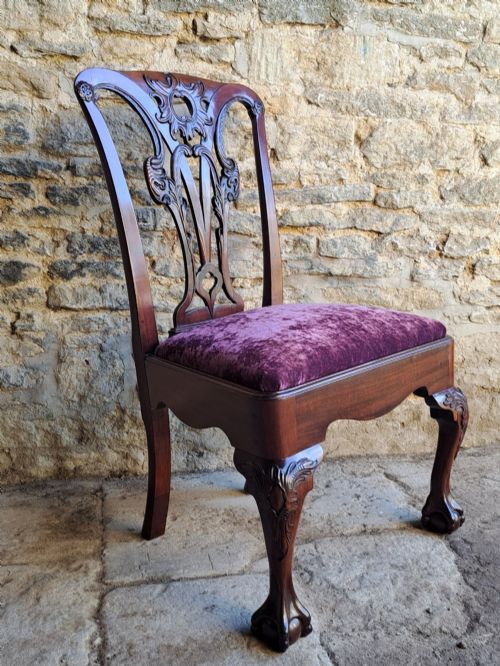
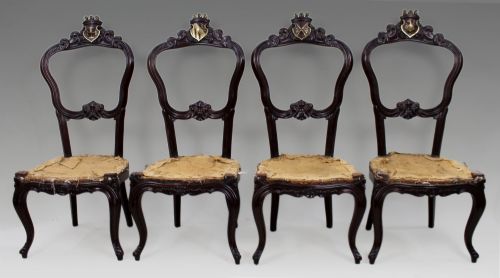
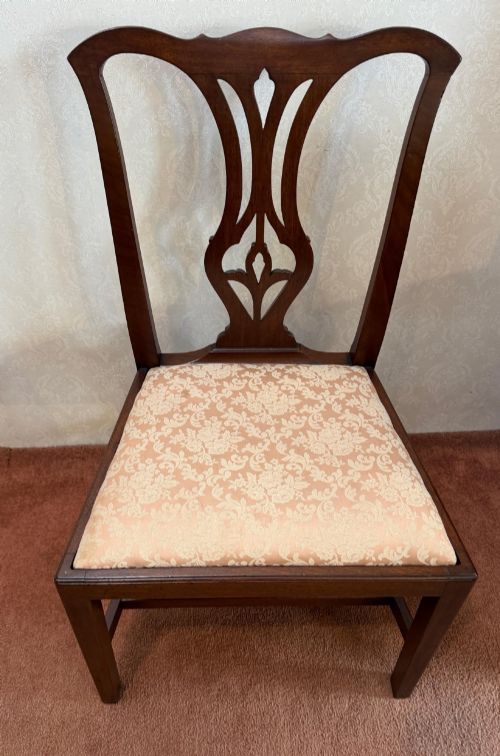
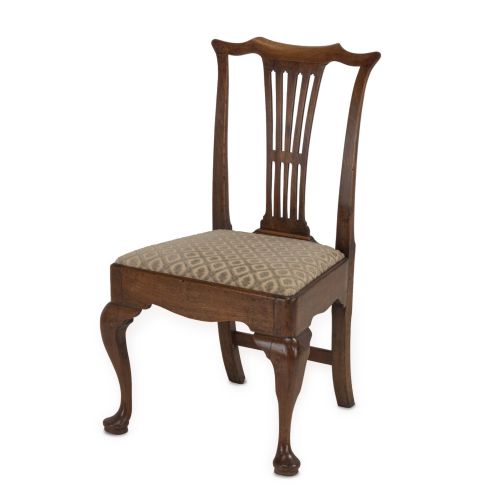
Cabinetmakers utilised dense hardwoods such as mahogany, rosewood, and walnut to build structural frames, often employing carved details like ball and claw feet or pierced splat backs. These timbers provided the foundational strength required for daily dining use.
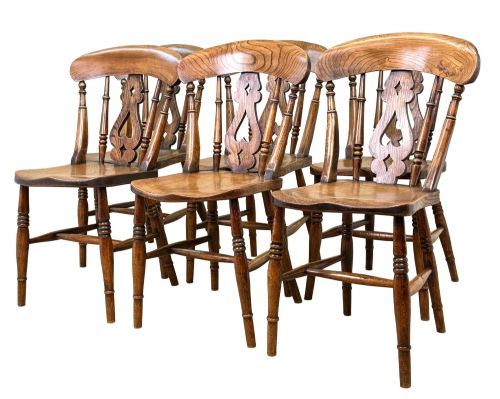
Country and kitchen variants rely on native timbers including yew, elm, ash, and beech, shaped into spindle backs, high-back Windsors, or steam-bent components. Upholstery techniques incorporate fabric and velvet coverings set over sprung or padded seats.
Listings span periods from 1750 to 1960, utilising mahogany, rosewood, walnut, and various upholstery fabrics.
Craftsmanship and Proportion
Quality separates through the precision of timber selection, the crispness of hand-carved decorative elements, and the structural integrity of the joinery. Matched sets command greater attention than assembled harlequin groups due to consistency in grain and proportion.
Finer examples demonstrate refined turning, balanced proportions in balloon or pierced backs, and sympathetic restorations that preserve the original patina of the wood.
Gillows·Thonet
The Mid Century Dining Chairs Glossary
- Balloon Back
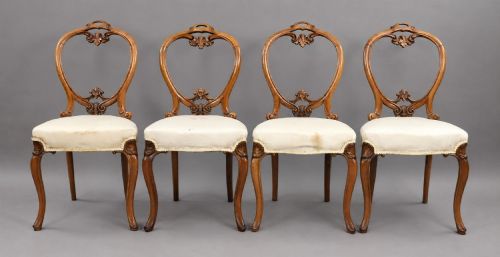
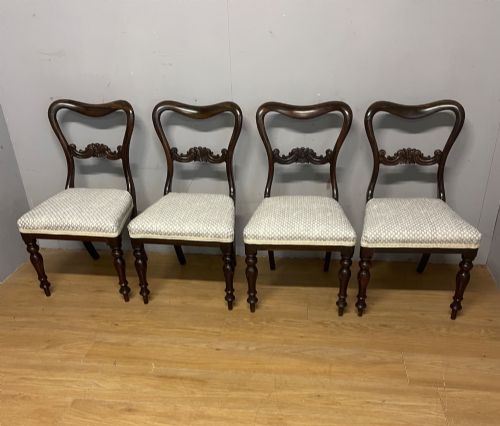
- A curved, oval-shaped chair back popular during the Victorian period. This form provides ergonomic support while offering an elegant silhouette.
- Windsor
- A traditional chair construction featuring turned legs and spindles slotted directly into a solid wooden seat. These pieces often incorporate elm, ash, or yew.
- Splaterback
- A vertical central slat within a chair back, frequently pierced or carved in the manner of eighteenth-century cabinetmakers. It defines the profile of dining chairs from the Georgian era onward.
- Harlequin Set
- A collection of dining chairs that match in general style and period but vary in minor details. Such sets are typically assembled over time rather than produced as a single batch.
- Carver
- An armchair designed to sit at the head of a dining table, often accompanying a set of matching side chairs. These pieces feature supportive arm rests integrated into the frame.
Mid Century Dining Chairs: Frequently Asked Questions
How do I care for antique wooden dining chairs?
Maintain timber frames by avoiding direct sunlight and maintaining stable room humidity to prevent wood splitting or veneer lifting. Regular dusting with a soft dry cloth preserves the polished surface.
Upholstered sections require gentle vacuuming with a low-suction brush attachment. Professional cleaning is recommended for antique fabric or velvet coverings to protect delicate textiles.
What is a harlequin dining set?
A harlequin set consists of dining chairs that share a common period, material, and overarching design but differ in small decorative details. These collections were often gathered together historically when original sets became incomplete.
Such groupings offer a flexible solution for larger dining tables while maintaining period character. Buyers should examine individual proportions to ensure visual harmony around the table.
How do I distinguish Victorian from Georgian chairs?
Georgian chairs, dating from the eighteenth century, frequently feature straight legs, pierced splat backs, and dense mahogany timbers with carved details like ball and claw feet. Their proportions are typically restrained and architectural.
Victorian pieces, emerging in the nineteenth century, often showcase curved balloon backs, rosewood or walnut veneers, and more exuberant floral carvings. These later designs reflect industrial improvements in steam-bending and upholstery.
Can antique dining chairs handle daily use?
Solid hardwood frames constructed from mahogany, walnut, or oak possess inherent structural durability suitable for regular seating. Traditional joinery methods provide long-term stability when maintained correctly.
Loose joints benefit from professional re-gluing before heavy use commences. Checking the underframe periodically ensures that older chairs remain safe for daily dining.