


Mid Century Coffee Table
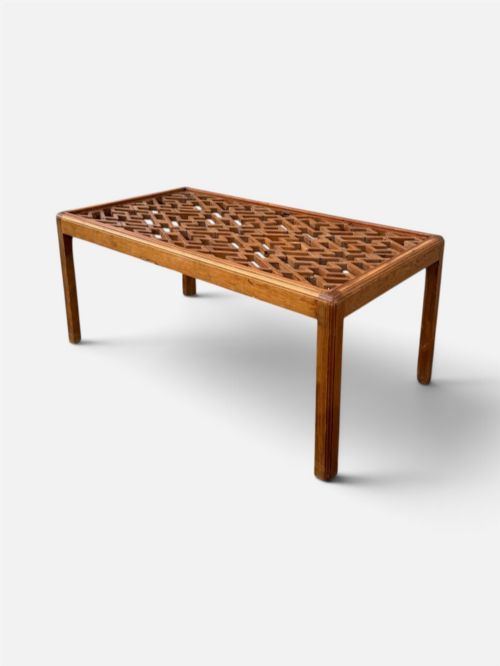
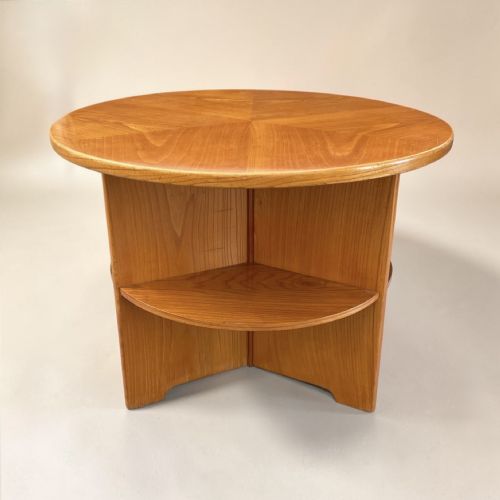
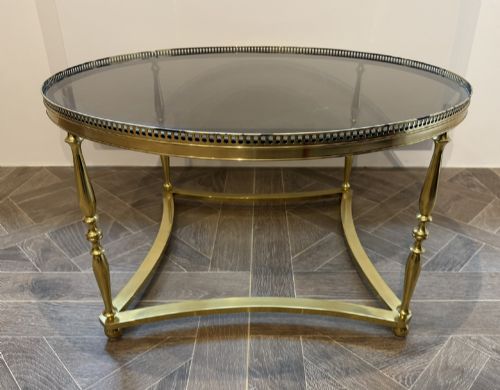
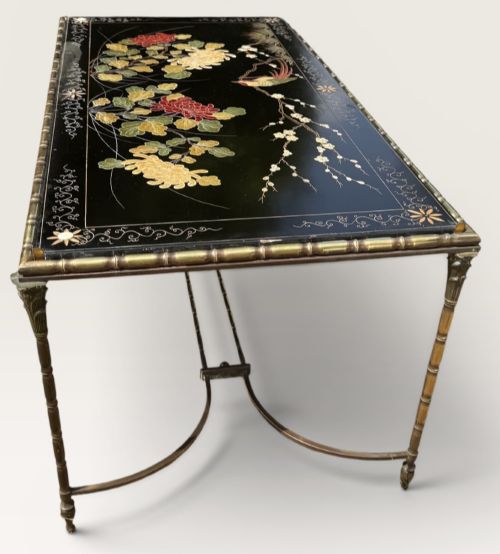
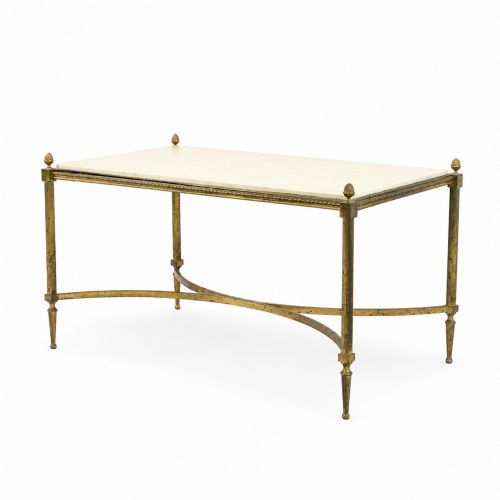
These mid century coffee table designs range from French cherry wood and Chinoiserie lacquer to Italian marble, offering striking centrepieces for modern living rooms.
Understanding the mid century coffee table
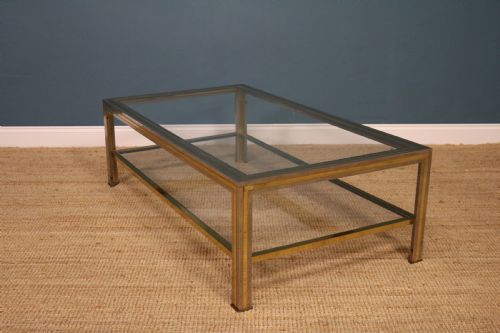
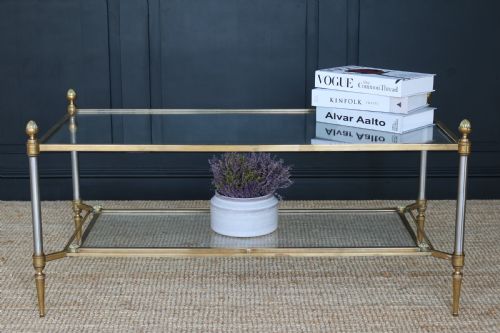
A mid century coffee table brings together a diverse mix of forms, ranging from circular shapes and low kang tables to occasional tables and living room furniture sets. The selection spans numerous aesthetic movements, including Mid-Century Modern, Neoclassical, Hollywood Regency, and Regency Revival.
Buyers are most likely to encounter pieces originating from the nineteenth century alongside items dated across the nineteen-twenties, thirties, forties, and sixties. Materials vary widely between natural timbers and decorative surfaces, creating distinct visual identities for each piece.
Materials and construction
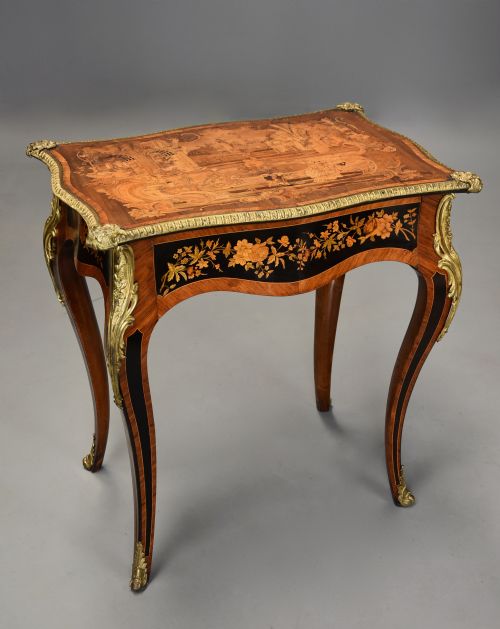
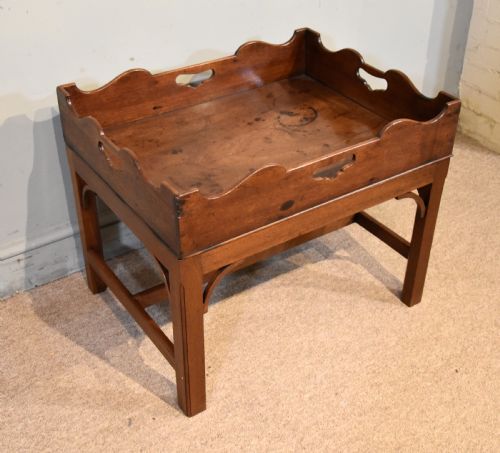
Construction relies heavily on traditional timber selection, featuring oak, teak, walnut, cherry wood, rosewood, and Chinese elm. Many examples incorporate wood veneer and parquetry or marquetry patterns into their surfaces.
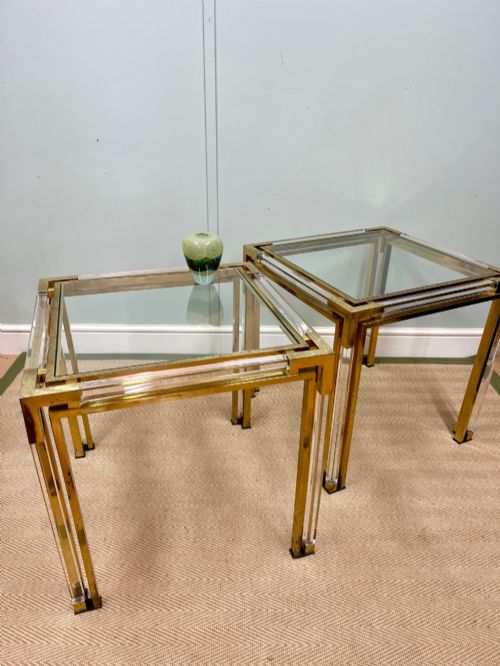
Makers enhance these wooden structures using brass accents, glass panels, marble tops, lacquer finishes, raised relief details, and faux bamboo moulding to achieve varied textures and decorative schemes.
Retail Price Guide 2026
Typical UK retail prices for mid century coffee table, calculated from the Sellingantiques database of over a million retail prices indexed since 2003. This retail price guide relies exclusively on Sellingantiques data; no external sources or auction records are used, so the figures do not describe the wider market.
Listings feature items spanning the nineteenth century through to nineteen sixty, utilising brass, marble, lacquer, and various woods.
Assessing quality and craftsmanship
Quality separates through the refinement of surface decoration, such as the depth of raised relief work on lacquer finishes or the precision of specimen stone and marquetry tops. Regional craftsmanship also plays a role, distinguishing standard provincial timber frames from elaborate metropolitan studio pieces.
The integrity of secondary materials, including heavy brass mounts and fitted glass, dictates the overall execution. Superior examples balance robust structural timber framing with intricate stylistic detailing.
Maison Bagues·Maison Ramsay·Ernest Hemingway
The Mid Century Coffee Table Glossary
- Marquetry
- Decorative woodwork where pieces of veneer are fitted into a ground to form geometric or pictorial designs. This technique elevates standard table surfaces into intricate visual displays.
- Parquetry
- A geometric mosaic of wood pieces used for decorative floors and table tops. It creates structured patterns across the surface.
- Specimen Top
- A table top composed of various pieces of marble or stone arranged decoratively. These tops often showcase geological variety.
- Kang Table
- A low platform table originating from Chinese domestic architecture. It is adapted in western markets as a low coffee table.
- Chinoiserie
- European imitation and interpretation of Chinese artistic traditions and motifs. It often employs lacquer and raised relief detailing.
Frequently Asked Questions
What woods are used?
The listings show tables made from oak, cherry wood, walnut, rosewood, and Chinese elm. Veneers and parquetry patterns also appear across these timbers.
Selection depends on the specific regional style and period of manufacture.
How do I date a table?
Dating relies on stylistic clues like Regency revival lines, Chinoiserie lacquer, or specific nineteen-sixties branding. Materials and construction methods further anchor pieces to the nineteenth or twentieth centuries.
Comparing known periods helps determine the likely era of origin.
Are marble tops common?
Marble and specimen stone tops appear on selected tables, often paired with brass or wood frames. These stone surfaces provide durable and decorative alternatives to plain timber.
Italian and French designs frequently utilise stone in their composition.
How do I style a low kang table?
Low kang tables sit closer to the floor, making them suitable for casual seating arrangements. Their compact proportions work well as distinct accent pieces in living areas.
They pair effectively with minimalist upholstery or traditional furnishings.