



Mid 19th Century Sculpture
These mid 19th century sculpture pieces bring the grand animalier subjects, classical mythologies and refined ceramic figures of the Victorian era directly into your rooms.
Mid 19th Century Sculpture
When you search for mid 19th century sculpture, you encounter works spanning the Victorian period, originating from British, French, Italian and Japanese workshops. The selection heavily favours cast bronze animal studies, carved marble busts and classical deities, alongside parian porcelain figures.
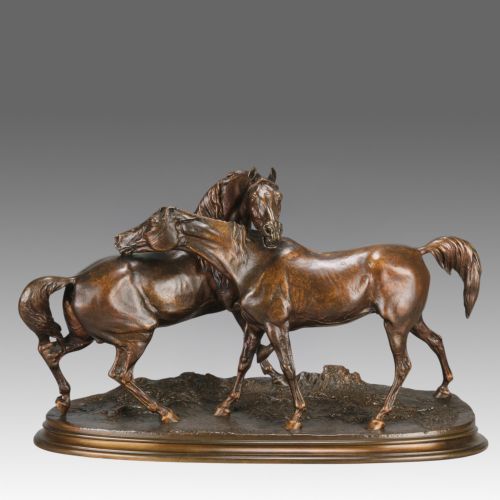
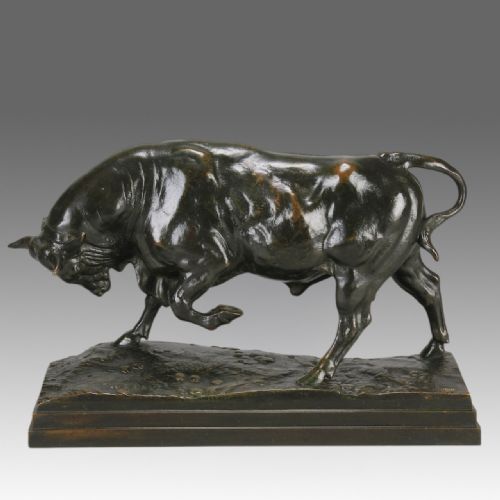
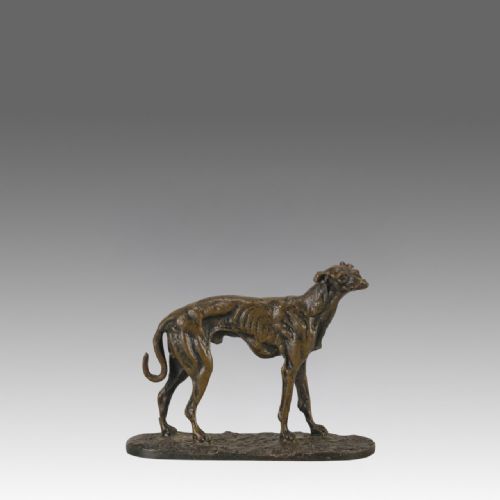
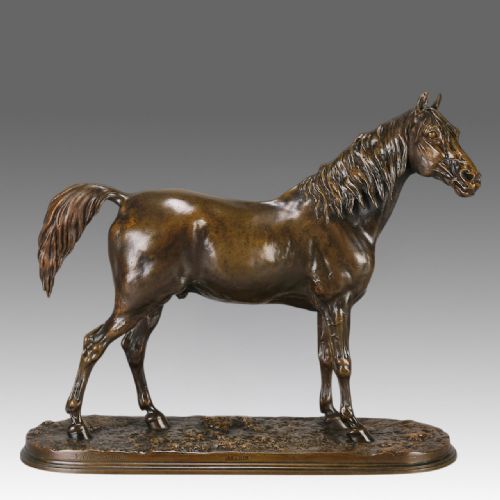
French animalier bronzes dominate the offerings, capturing stags, bulls, greyhounds and hares with anatomical precision. Alongside these lie Italian Grand Tour marbles, intricate netsuke in boxwood and stag antler, and Staffordshire pottery figures.
Materials and casting methods
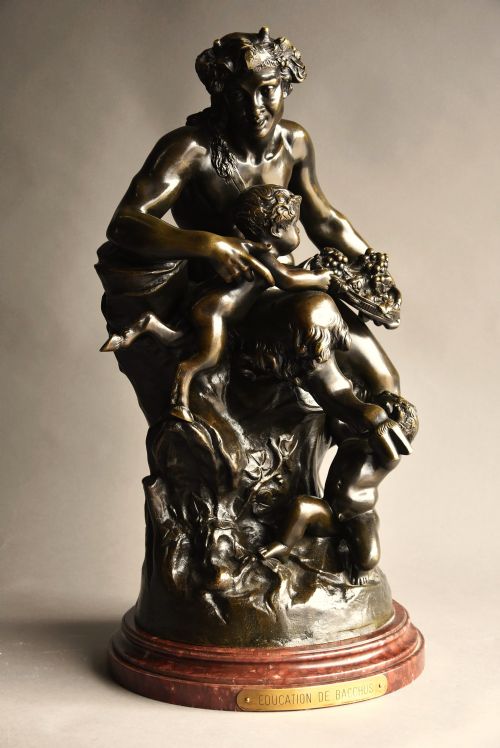
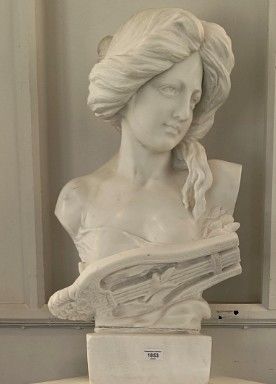
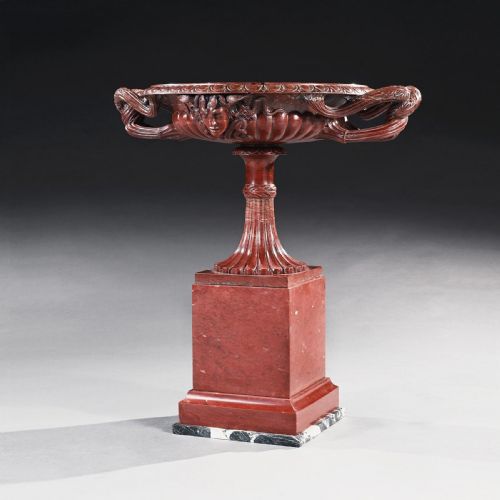
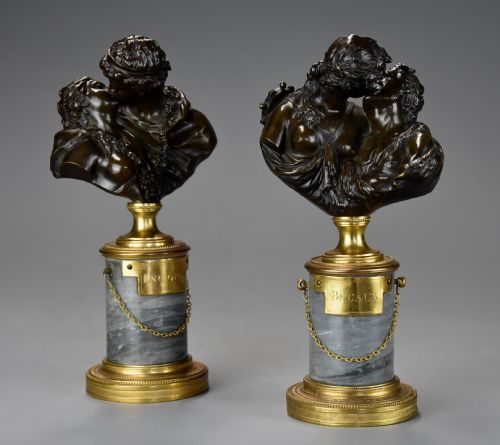
Foundries utilised the lost-wax casting method for patinated bronze, ormolu and gilt metal works, achieving crisp feather, fur and muscle definition. Marble pieces were hand-carved from rosso antico and white marble, often mounted onto dedicated plinths.
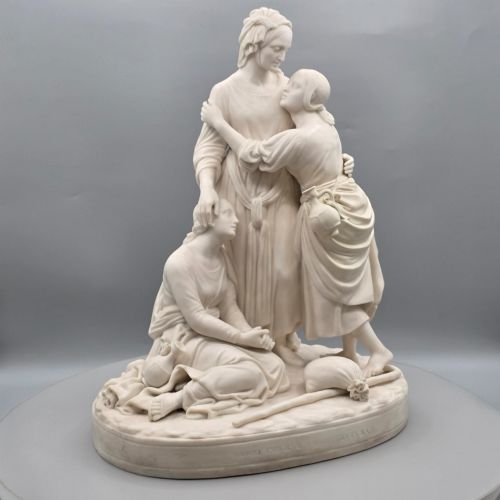
Ceramic works employed parian porcelain and parian ware, named after the fine-grained Parian marble of Greece, allowing manufacturers to replicate the smooth texture of carved stone in unglazed biscuit porcelain. Woodcarvings utilise oak, boxwood and stag antler for miniature netsuke.
Mid 19th Century Sculpture Retail Price Guide 2026
Typical asking prices for mid 19th century sculpture among the pieces listed under this phrase on Sellingantiques today, from the lower quarter to the upper quarter. They describe what is for sale here now, not the wider market.
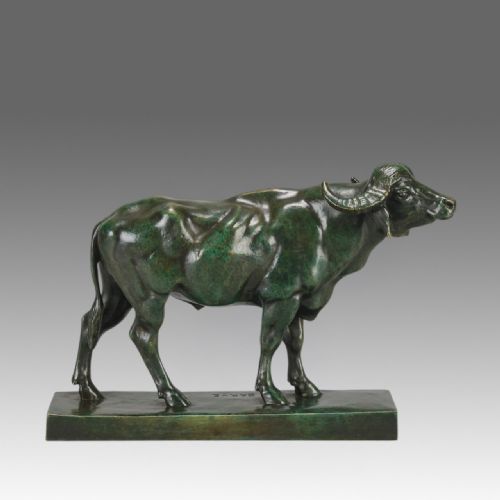
Musical cherubs carved from wood share the stage with fierce bronze water buffalo and tiny boxwood toads.
Distinctions in casting and carving
Quality rests upon the crispness of the chase-work on bronze surfaces and the smoothness of polish on marble drapery and skin. Superior bronzes retain subtle variations in patination and sharp textural detailing in fur and musculature without losing the fluidity of the original model.
P J Mêne·Antoine Louis Barye·Benedetto Boschetti·Isidore Jules Bonheur·Thomas Parr
The Mid 19th Century Sculpture Glossary
- Animalier
- A nineteenth-century artistic genre dedicated to the realistic portrayal of animals, particularly associated with French sculptors working in bronze. These pieces capture creatures in motion or repose with strict anatomical accuracy.
- Grand Tour
- A traditional trip of Europe undertaken by upper-class young men to absorb classical culture, resulting in the acquisition of small-scale bronze copies of ancient sculptures and carved architectural marbles. These souvenirs form a distinct category of nineteenth-century decorative art.
- Parian Porcelain
- A type of unglazed biscuit porcelain developed in Britain to imitate white marble. It allowed manufacturers to produce smooth, matt-surfaced classical figures and portrait busts that resembled carved stone.
- Netsuke
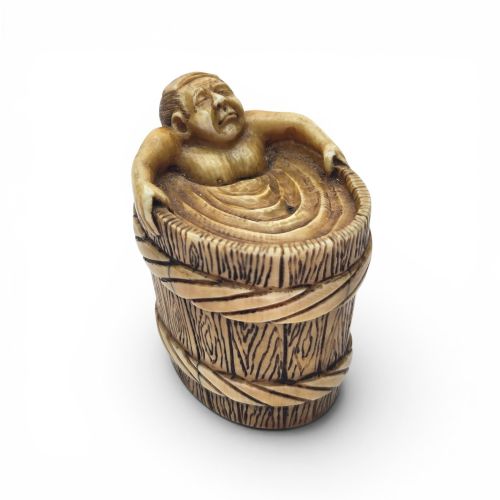
- A small carved toggle traditionally used in Japan to secure small pouches to kimono sashes. Mid-nineteenth-century examples utilise boxwood and stag antler to depict animals, figures and nature studies.
- Ormolu
- Gilded bronze produced by applying a finely ground high-carat gold-mercury amalgam to a bronze base object. This technique imparts a rich, warm metallic lustre frequently paired with patinated bronze elements.
Mid 19th Century Sculpture: Frequently Asked Questions
What is an animalier bronze?
An animalier bronze is a nineteenth-century sculpture focusing on realistic representations of animals, often depicting beasts of burden, hounds or wild game in active poses. These pieces gained immense popularity across France and Britain during the middle decades of the century.
Foundries cast these works using detailed metal models, allowing collectors to display dynamic studies of wildlife and domestic animals with high fidelity to natural anatomy.
How do I care for nineteenth-century bronze?
Nineteenth-century bronze requires minimal intervention, needing only a gentle dusting with a soft, dry cloth to prevent the accumulation of grit. Avoid using chemical cleaners, oils or abrasive polishes that can strip the original patination.
Keeping the sculpture in a stable environment away from excessive humidity and direct sunlight preserves the rich brown or green chemical surface finishes applied by the original foundry.
What is parian ware?
Parian ware is a fine-grained, unglazed biscuit porcelain introduced in the mid-nineteenth century to mimic the appearance of carved white marble. British factories utilised this material extensively for portrait busts and classical figures.
The surface has a smooth, matt quality that absorbs light softly, making it ideal for displaying intricate drapery and delicate facial expressions without the glare of traditional glazed ceramics.
What is a Grand Tour sculpture?
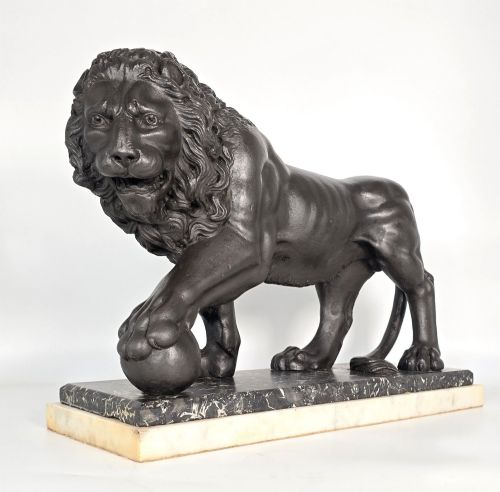
A Grand Tour sculpture is a miniature copy of a classical antiquity, purchased by travellers touring Italy during the eighteenth and nineteenth centuries. These reductions in bronze or marble served as scholarly mementos of ancient art.
They allowed collectors to bring classical mythology and famous museum pieces into private domestic interiors, often mounted on bespoke marble plinths or rosso antico bases.