
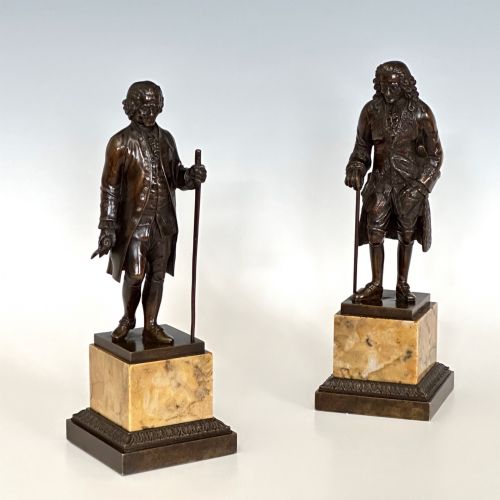
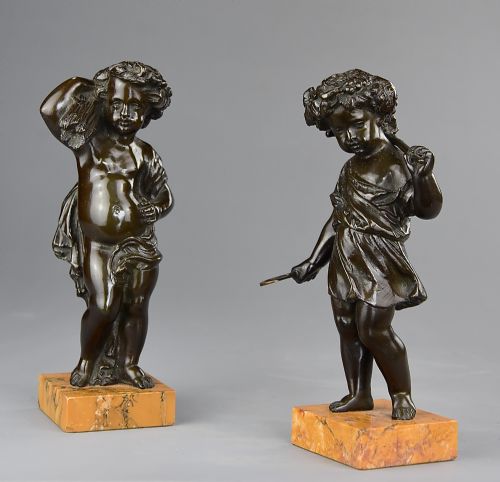
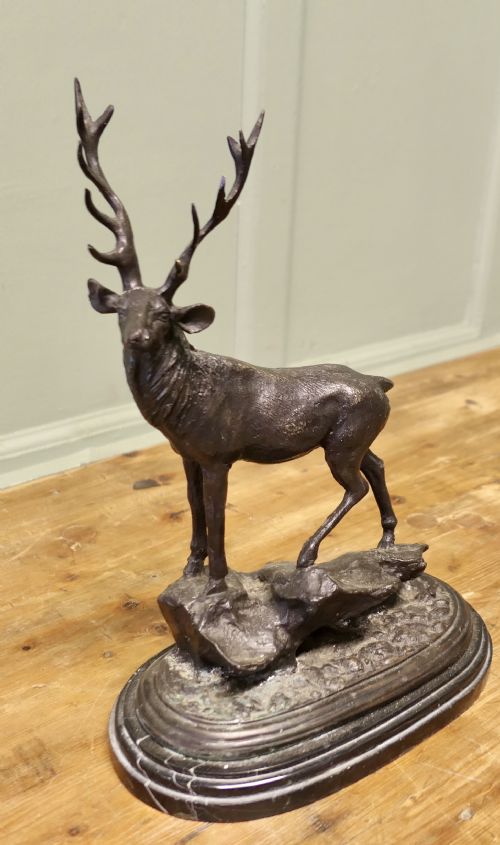
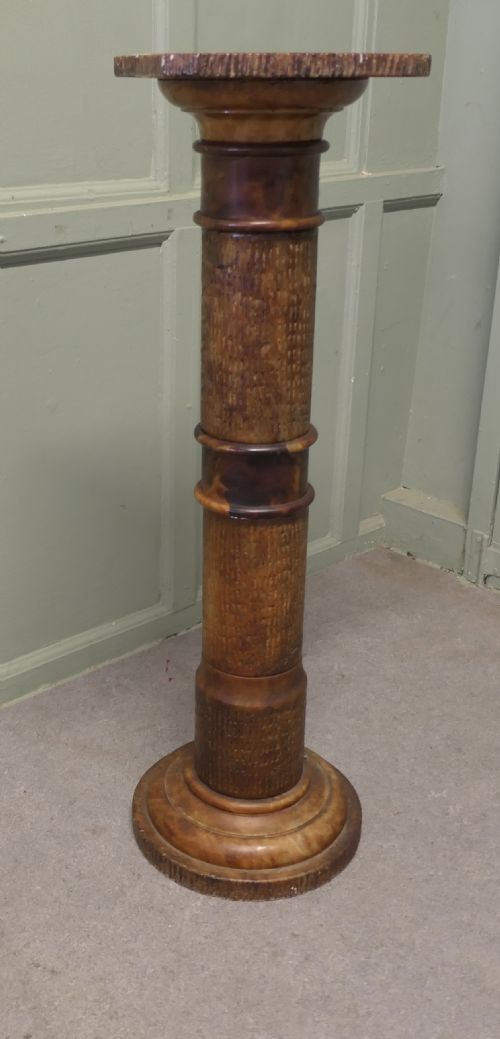


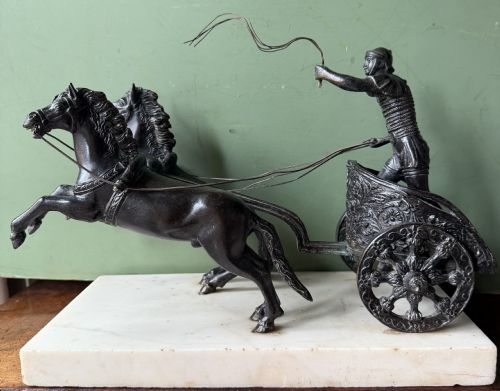
Marble Plinth Sculpture
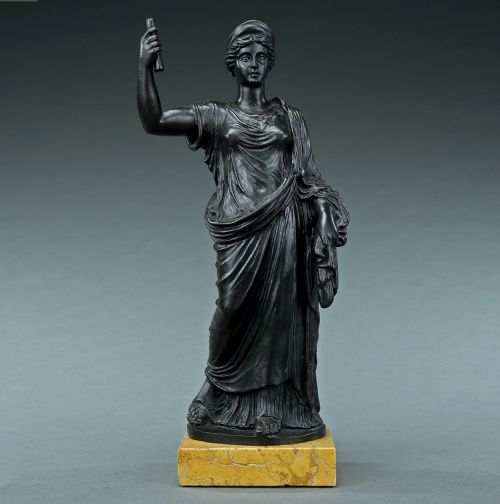
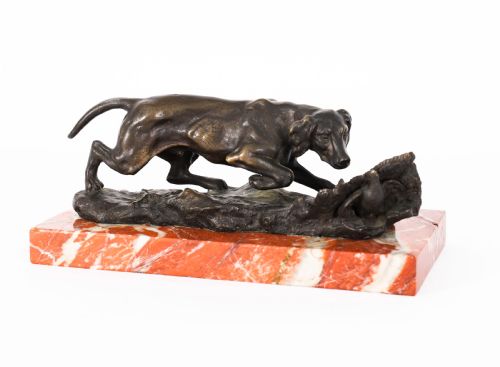
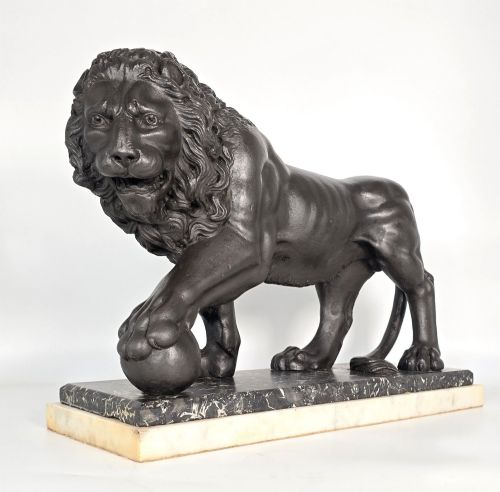
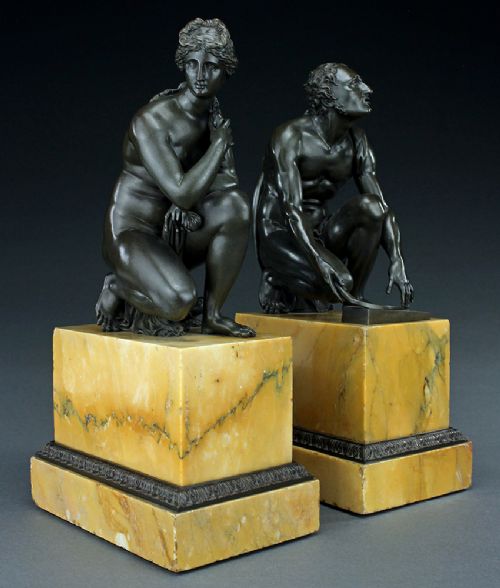
These marble plinth sculpture selections combine heavy stone bases with cast bronze figures, creating steady supports for classical figures, animals, and decorative objects.
Marble Plinth Sculpture
A marble plinth sculpture pairs a solid stone base with a cast or carved subject, uniting dense material with fine detail. These works emerge from Victorian and 20th-century workshops, serving as stable display pieces for desks, tables, and cabinets.
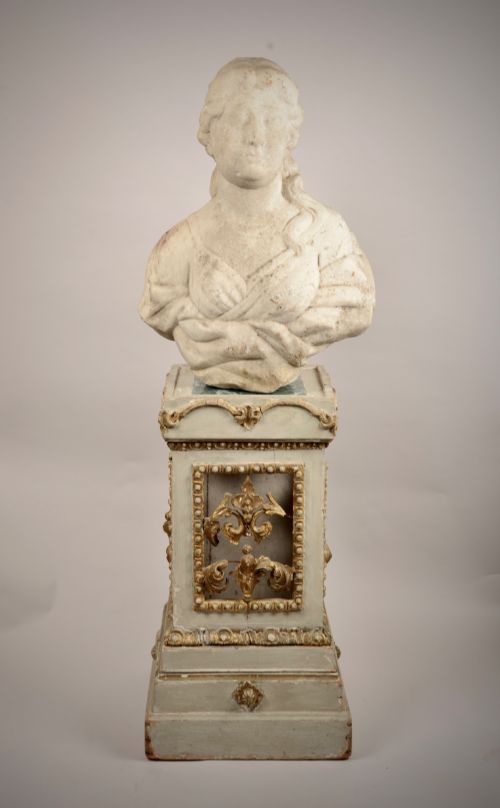
The subjects on this page range from mythological deities and literary figures to domestic and wild animals, all anchored by fitted stone mounts. Grand Tour souvenirs sit alongside Art Deco animalier studies, showing how makers combined different coloured stones with metal figures.
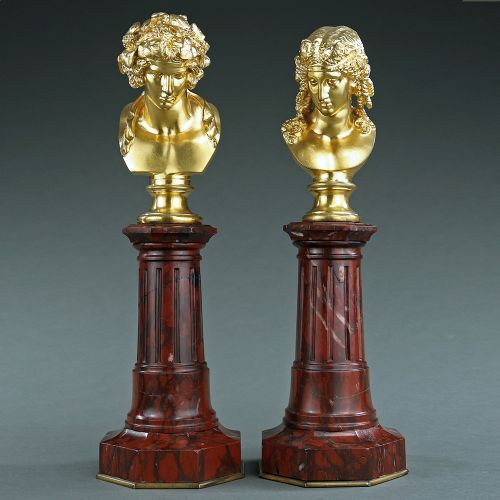
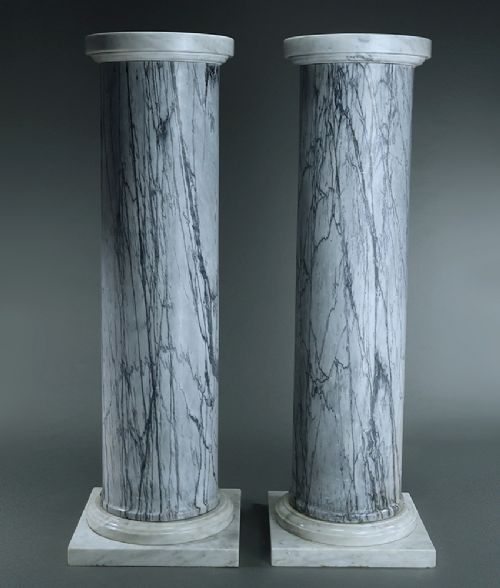
Makers utilised various stones for the bases, including white Carrara, honey-coloured varieties, and deep black marble, often shaping them into simple blocks or stepped pedestals. The metal figures above utilise dark patination, gilding, or ormolu mounts to contrast with the pale or variegated mineral beneath.
How they were made
Foundry workers cast the upper figural elements in bronze, spelter, or brass using traditional methods, then finished the surfaces with hand chiselling and chemical patination. Sculptors carved the lower plinths from solid blocks of marble, onyx, or alabaster, turning and polishing the stone to reveal natural veining.
Makers secured the metal figures to the stone bases using threaded bolts or pins inserted through countersunk holes in the underside of the plinth. Ormolu collars, gilt bronze mounts, and cast feet were added to finish the edges and elevate the composition.
Listings for marble plinth sculpture feature materials such as Carrara marble, onyx, bronze, and spelter across the 19th century and Art Deco periods.
What varies in quality
The crispness of the metal casting dictates the definition in feathers, fur, and facial expressions, separating sharp studio work from softer commercial output. Finer pieces show careful chasing under magnification, where artisans refined the raw metal surface by hand.
The selection of the stone plinth also determines the grade of the piece, with dense, evenly grained Carrara or rich Portoro marble scoring above flawed or painted substitutes. A tight, stable mechanical join between the heavy figure and the stone base reflects careful assembly.
Carl Kauba·Claude Michael Clodion·Fritz Kochendorfer
The Marble Plinth Sculpture Glossary
- Plinth
- A heavy rectangular or stepped base that supports a statue, column, or bust. It provides structural stability and visual weight to the composition above.
- Grand Tour
- A cultural journey across Europe undertaken by 19th-century travellers who purchased small bronzes and carved marble souvenirs. These portable items often depicted classical antiquities and mythological figures.
- Animalier
- A 19th-century artistic genre focused on the realistic depiction of animals, particularly predators, stags, and birds. Sculptors in this tradition worked closely with foundries to capture musculature and movement.
- Ormolu
- Finely ground high-carat gold applied to a bronze base through a mercury amalgamation process. This technique creates a bright, durable golden finish on decorative mounts and collars.
- Spelter
- A zinc-based alloy used as an economical alternative to bronze, especially in 20th-century decorative figures. It takes paint and patination well while remaining lighter than copper-based metals.
Marble Plinth Sculpture: Frequently Asked Questions
What is a marble plinth sculpture?
A marble plinth sculpture is a decorative piece featuring a metal figure, bust, or animal mounted upon a solid stone base. The stone gives the work stability and weight, contrasting with the dark patination of the bronze above.
These pieces function as tabletop ornaments and cabinet displays, drawing on classical, mythological, and animalier subjects from the 19th and early 20th centuries.
How do I care for a marble plinth sculpture?
Dust the bronze figure and the marble base regularly with a soft, dry cloth to prevent particulate accumulation. Avoid using commercial cleaning liquids, water, or wax on the stone or metal surfaces, as moisture can penetrate unsealed marble or alter the metal patina.
Keep the sculpture away from direct sunlight and strong heat sources to protect the patination and prevent natural stone from drying out.
How do I identify the period of a marble plinth sculpture?
Examine the style of the casting, the fastener types on the underside, and the mineral composition of the stone base. 19th-century Grand Tour and Victorian pieces often feature hand-chased bronze secured with threaded iron bolts into dense marble.
Art Deco works from the 1920s and 1930s utilise stepped geometric plinths, contrasting onyx with spelter or stylized metal animals.
Why are some plinths made of onyx instead of marble?
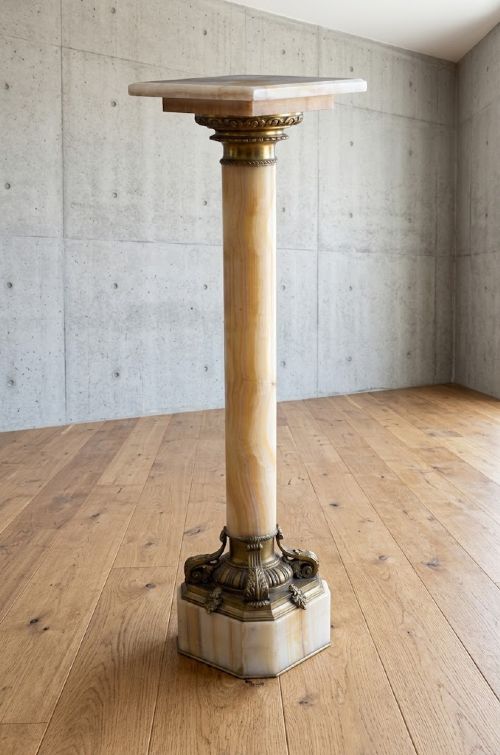
Makers utilised onyx for its translucent quality and warm, honey-coloured banding, which added visual depth to the base of a sculpture. It offered an alternative to uniform white marble, particularly during the late 19th century and the Art Deco era.
While onyx is a softer stone than hard marble, its distinct striped patterns complemented gilt metal and dark patinated figures.