

Metal Fireplace Kerb
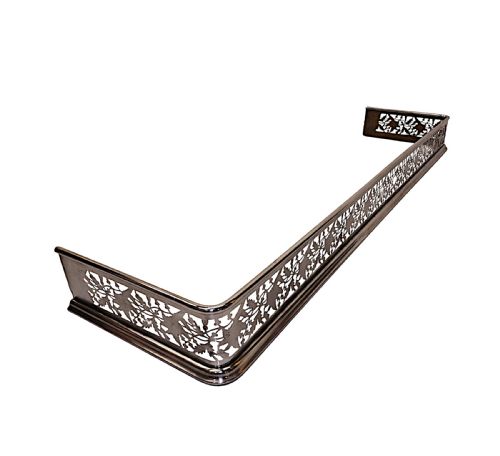
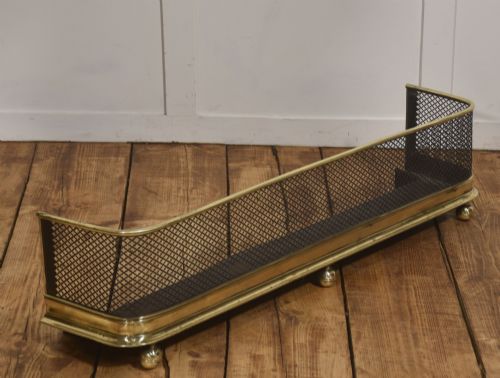
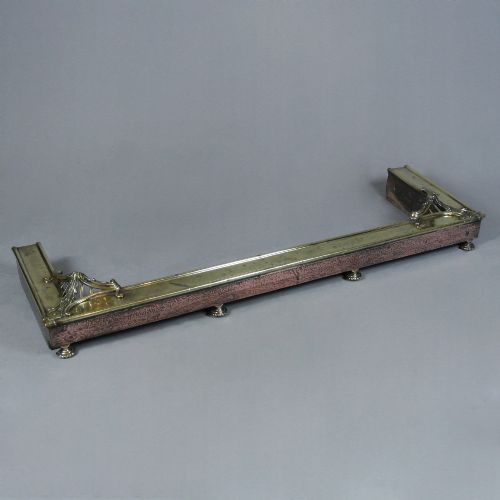
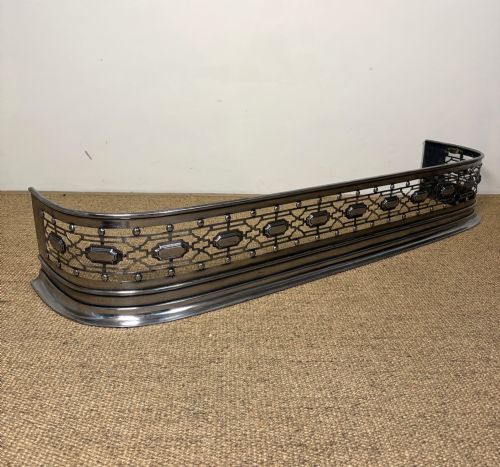
A metal fireplace kerb frames the hearth cleanly while keeping stray embers safely back from the room.
Metal Fireplace Kerb
A metal fireplace kerb sits directly on the hearth to contain ash, coal and sparks from an open fire. When searching for this form, buyers encounter variants historically described as fire fenders or hearth curbs.
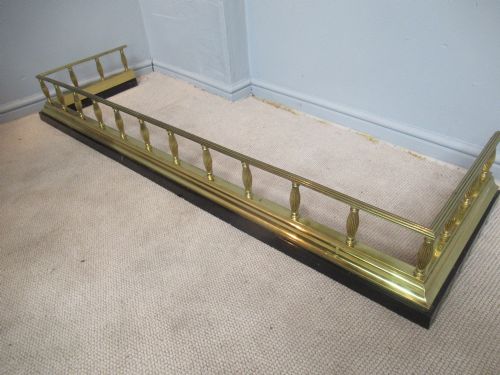
The selections span distinct periods, with Georgian and Victorian examples appearing frequently alongside Edwardian and turn of the century pieces. Forms range from straight rails to bowfront and serpentine shapes.
Makers utilised various terminology historically, mixing kerb, curb and fender interchangeably. The listings on this page reflect these traditional descriptions without modern standardisation.
Construction and materials
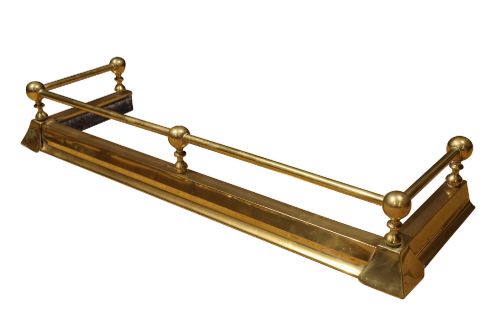
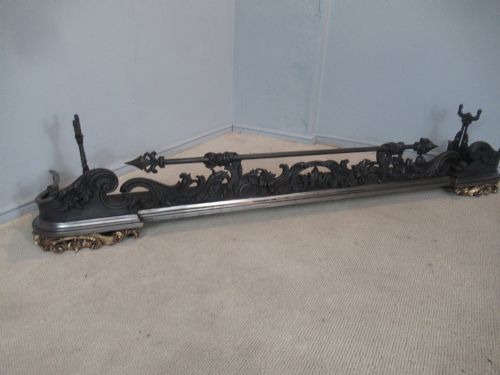
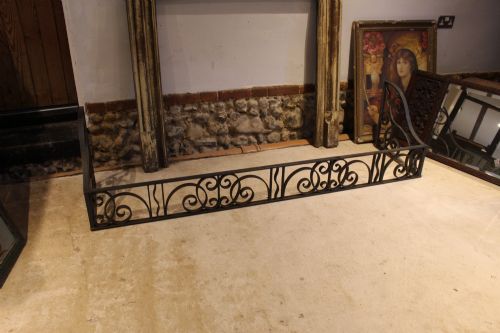
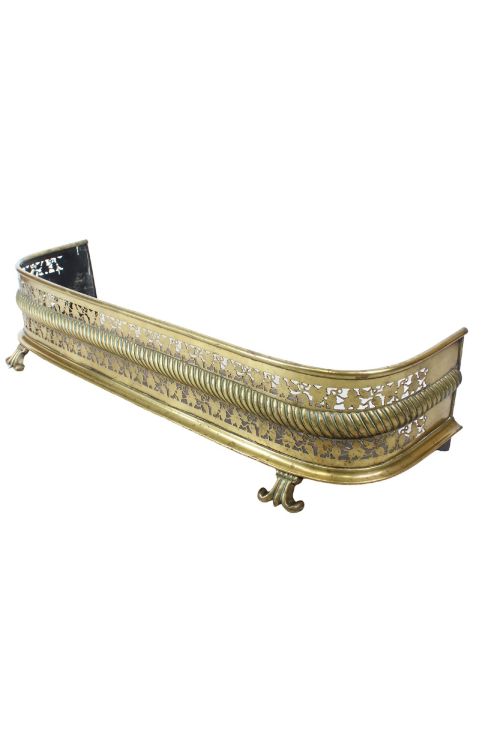
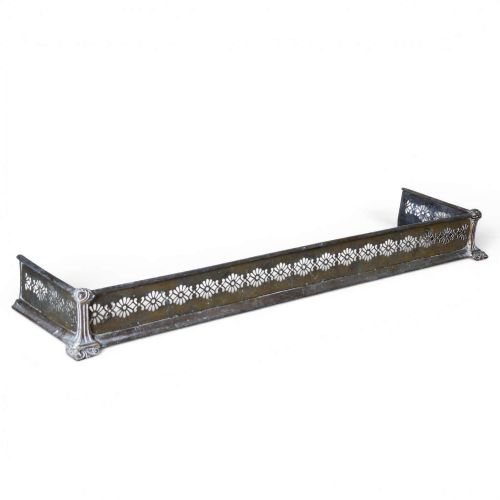
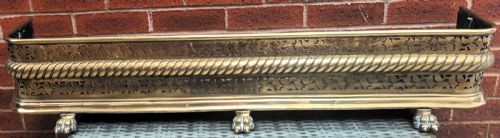
Workshops combined metals such as brass, copper, steel and cast iron to build these hearth surrounds. Pierced sheet brass and heavy cast iron formed the main body of many Victorian and Georgian pieces.
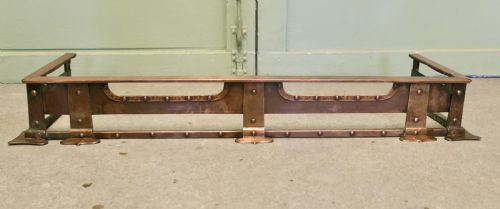
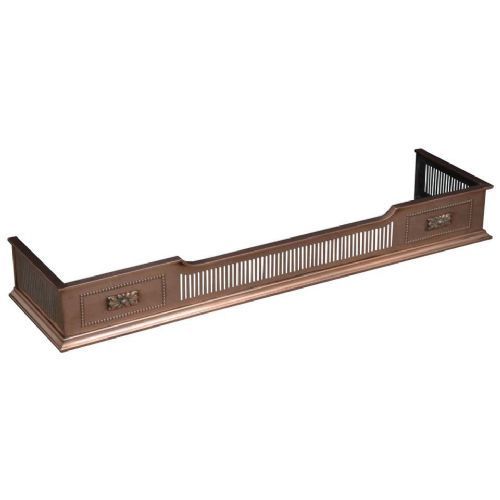
Craftsmen applied surface decoration through hand beating, piercing, engraving and burnishing. Arts and Crafts examples often show visible riveting and beaten copper textures.
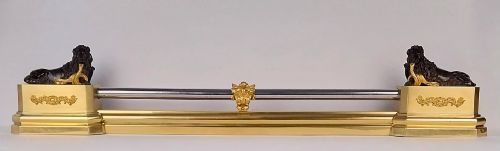
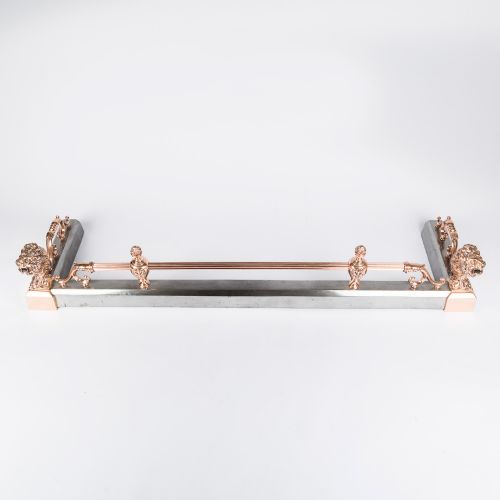
Frames incorporate structural iron cores or steel bases to withstand hearth heat. Details like flower patera, lions and beaded decoration were cast, applied or pinned to the primary metal structure.
Metal Fireplace Kerb Retail Price Guide 2026
Typical asking prices for metal fireplace kerb among the pieces listed under this phrase on Sellingantiques today, from the lower quarter to the upper quarter. They describe what is for sale here now, not the wider market.
Materials range from simple cast iron to gilt bronze, polished steel and heavy beaten copper.
Judging quality and craftsmanship
Quality rests primarily on the thickness of the metal and the crispness of any pierced or engraved detail. Heavy gauge brass and substantial steel plates provide structural integrity lacking in thinner sheet alternatives.
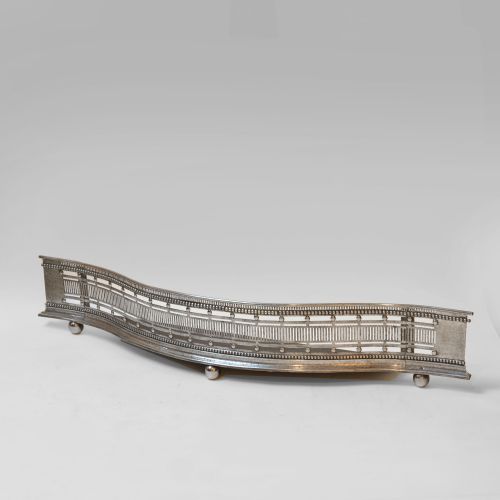
The execution of decorative elements distinguishes standard production from finer workshop output. Hand-engraved serpentine steel rails and precisely pierced brass galleries demonstrate superior skilled labour.
Surface finish and original patina indicate how well a piece has aged. Intact fire gilding, original burnished steel surfaces and secure joinery elevate certain examples above standard utilitarian hearth guards.
E F Caldwell New York·George Bullock
The Metal Fireplace Kerb Glossary
- Kerb
- A low barrier placed around a hearth to contain fuel and ash. It functions identically to a fire fender or curb.
- Serpentine
- A gentle undulating shape curving outward in the centre and inward at the ends. This profile is typical of finer Georgian steel fenders.
- Patera
- A circular ornamental bas-relief resembling a classical libation dish. Craftsmen often applied these flower motifs to the corners of brass fenders.
- Pierced
- Perforated with decorative patterns through cutting or stamping. Victorian brass fenders frequently utilise pierced galleries to let warmth through while retaining debris.
- Dore bronze
- Bronze treated with an mercury gilding technique producing a bright golden finish. These luxury French pieces appear in high-end nineteenth century rooms.
Metal Fireplace Kerb: Frequently Asked Questions
How do I measure for a metal fireplace kerb?
Measure the width and depth of your hearth stone carefully to ensure the kerb sits securely within the perimeter. Allow sufficient clearance for fire irons and ash pans if the design includes integrated tool holders.
Take note of the internal dimensions as well as the external footprint. Some kerbs feature adjustable lengths to fit varying fireplace openings.
What is the difference between a kerb and a fender?
The terms are largely interchangeable within antique listings, both referring to the metal barrier guarding the hearth. Regional and period preferences dictated whether a maker called their piece a kerb, curb or fender.
Older Georgian pieces tend to be catalogued as fenders, while later Victorian variations often adopt kerb spelling in trade records.
Can I use an antique metal kerb with a modern fire?
These pieces were originally designed for coal or wood burning grates and function adequately with modern hearth setups. Ensure the dimensions match your heat source and clearance requirements.
Solid brass and iron tolerate normal hearth temperatures well, though polished steel surfaces require ongoing maintenance to prevent tarnishing from soot and heat.
How do I clean a brass and steel kerb?
Remove surface dust with a dry cloth before applying appropriate metal cleaners suited to brass or steel. Avoid abrasive pads that scratch burnished finishes and historic patination.
Preserve the aged appearance of copper and brass by using gentle formulations rather than harsh stripping agents that eliminate desirable historical darkening.