




Curved Fire Fender
These curved fire fender pieces keep hearths tidy and protect rooms from stray sparks with solid period metalwork.
Curved Fire Fender
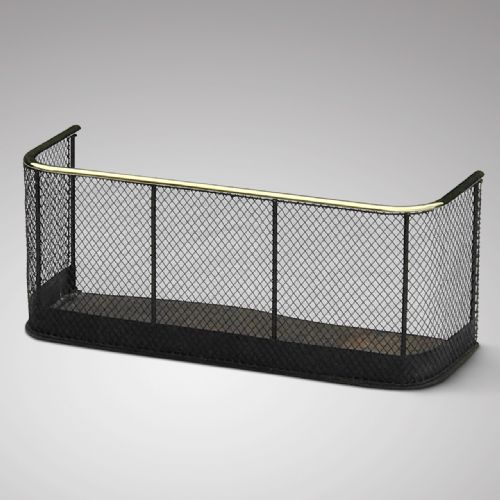
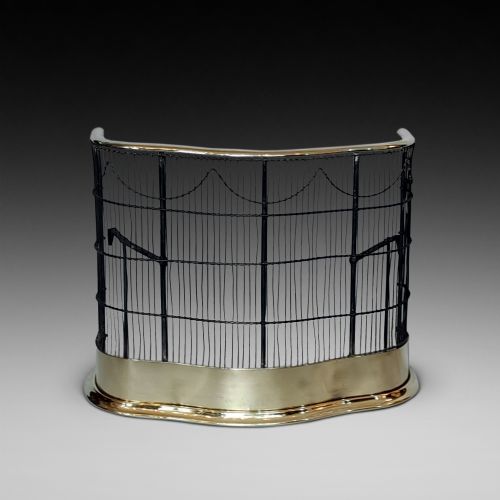
A curved fire fender sits on the hearth to contain ashes and keep the room safe from the open fire. When searching for a curved fire fender, buyers encounter various forms including low hearth curbs, nursery fenders, and protective guards.
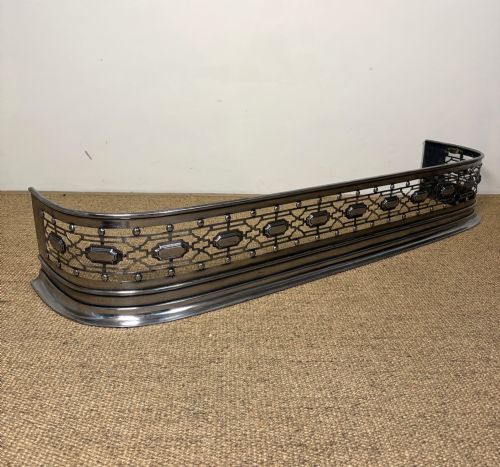
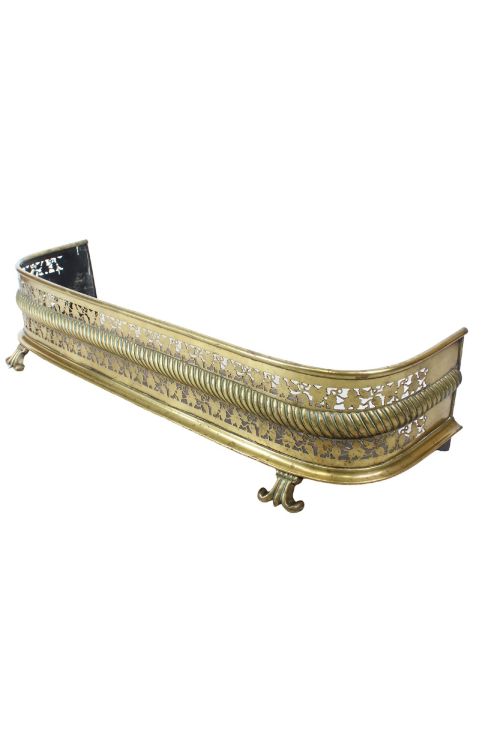
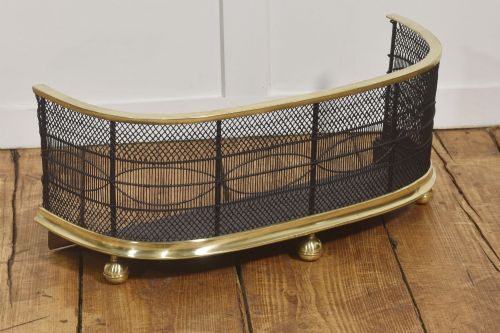
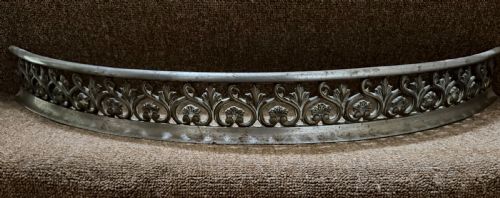
The pieces on this page span several periods from the Georgian and Regency eras through the Victorian and Edwardian years. Designs range from simple brass rims and woven wire mesh to ornate pierced steel and cast classical decoration.
Materials and construction
Makers utilised metals such as brass, iron, steel, and bronze to construct these hearth barriers. Burnished steel and wrought iron provide sturdy frames, while fine woven wire mesh forms protective guards and spark screens.
Many examples feature cast classical ornamentation, pierced sheet metal, and polished brass top rails. Wirework is carefully joined to structural metal frames to create secure enclosures for the hearth.
Curved Fire Fender Retail Price Guide 2026
Typical asking prices for curved fire fender among the pieces listed under this phrase on Sellingantiques today, from the lower quarter to the upper quarter. They describe what is for sale here now, not the wider market.
Distinctions in quality
Quality rests on the precision of the metalwork, from finely cast classical details on steel curbs to the neatness of woven iron wire. Heavier gauge metals and robust construction separate substantial examples from lighter utility pieces.
The finish of the material, whether burnished steel or polished brass, indicates the level of original craftsmanship. Pierced decoration that is sharp and well-defined shows superior execution compared to simpler punched designs.
The Curved Fire Fender Glossary
- Hearth fender
- A low metal barrier placed on the floor around a fireplace to contain embers and ash. It frames the hearth space neatly.
- Nursery fender
- A tall wire mesh guard designed to keep children and pets at a safe distance from the fire. These often include a polished brass top rail.
- Serpentine
- A gentle undulating curve shaped like a snake, frequently seen on the front profile of Georgian and Victorian fenders. This contour adds elegance to the hearth.
- Pierced
- Metal decorated by cutting or punching holes through the surface to form patterns. This technique lightens the appearance of heavy steel or brass.
Curved Fire Fender: Frequently Asked Questions
What is a curved fire fender?
A curved fire fender is a metal barrier placed on the hearth around an open fireplace. It prevents hot embers from rolling onto the floor.
These pieces also serve as a defined boundary for hearth accessories and provide protection in rooms with open fires.
How do I date a fire fender?
Dating relies on the materials, manufacturing techniques, and stylistic details present in the metalwork. Georgian and Regency pieces often feature delicate pierced steel and classical motifs.
Victorian and Edwardian examples frequently incorporate wire mesh panels, cast brass frames, and sturdy iron construction for nursery use.
What is the difference between a fender and a fire guard?
A standard fender is a low curb that sits directly on the hearth to contain logs and ash. It primarily protects the immediate floor area.
A fire guard or nursery fender is taller and includes wire mesh to enclose the fire front entirely, preventing sparks from reaching the room.
How do I clean a brass and steel fender?
Cleaning requires gentle methods appropriate for antique metals to preserve their original surface character. Dusting with a soft cloth removes loose debris.
Specialist metal polishes should be used sparingly on brass elements, taking care to avoid staining adjacent iron or wire mesh.