



Metal Champagne Cooler
A proper metal champagne cooler brings immediate theatre to the table, and these sturdy vessels range from Georgian copper to Art Deco silver plate.
Metal Champagne Cooler
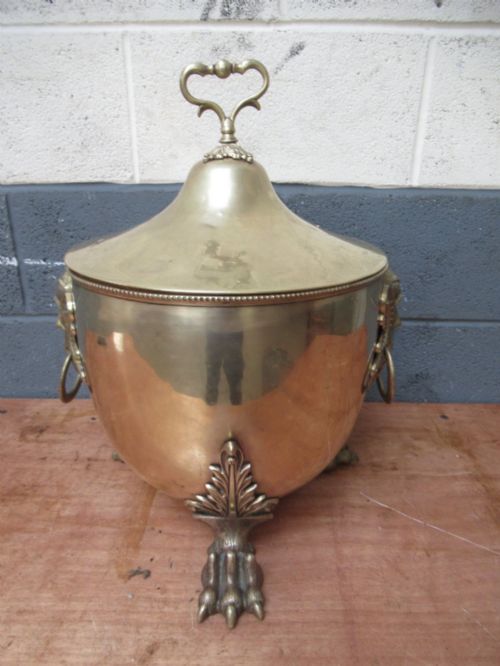
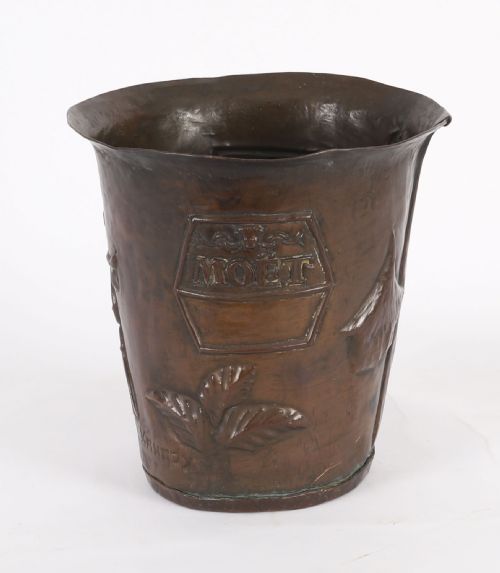
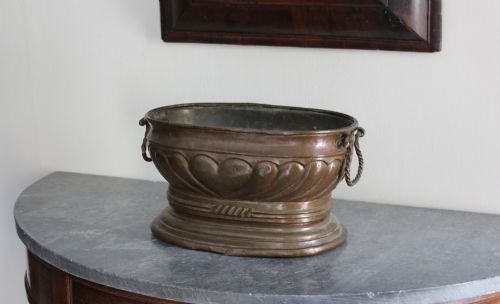
A metal champagne cooler is a functional vessel designed to chill bottles in ice, taking forms from simple buckets to twin-handled trophy vases and low bowls. When looking for a metal champagne cooler, you will encounter pieces spanning several centuries, with particular strength in nineteenth-century country house items and twentieth-century French hotelware.
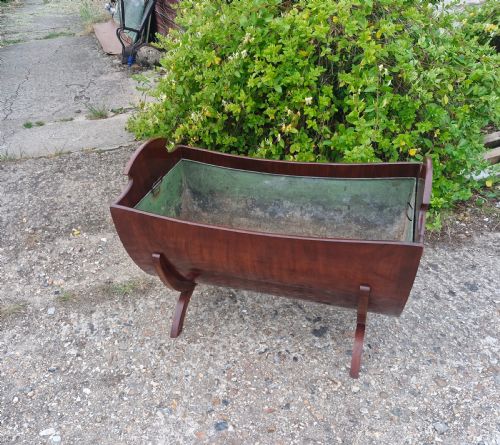
The selection here encompasses domestic wine coolers, ice buckets and coopered timber vessels alongside traditional champagne buckets. Makers such as Christofle and WMF produced striking pieces in silver plate and chrome during the twentieth century, while earlier centuries favoured heavy copper and Old Sheffield Plate.
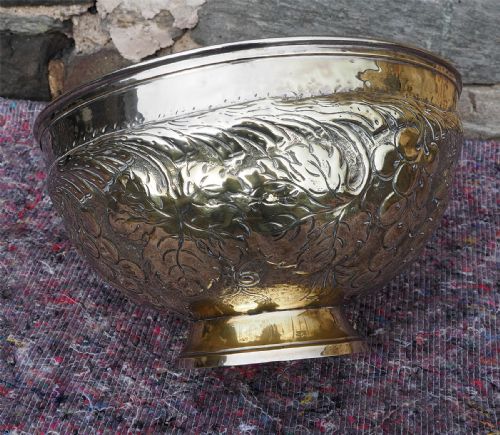
Many examples originate from French bistros, grand hotels and English country houses, reflecting how dining traditions shaped the design of these vessels. Whether you select a plain brass bowl or an embossed Art Deco piece, each item serves its original purpose while bearing the marks of its era.
Materials and construction
Makers fashioned these vessels using metals including silver plate, copper, brass, pewter, tin and chrome, often mounting them on timber staves or paired handles. Old Sheffield Plate and early silver plating techniques involved fusing thin sheets of silver to base metals like copper, creating durable surfaces that aged with a soft lustre.
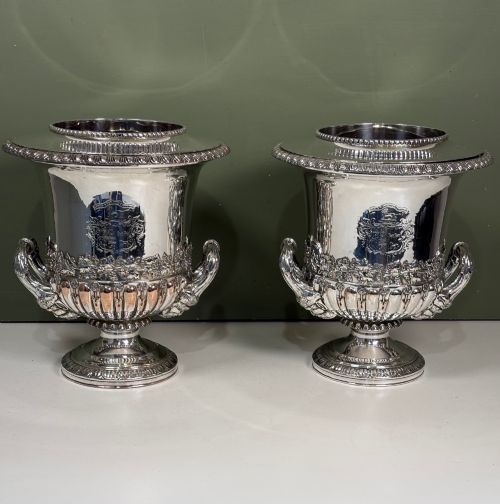
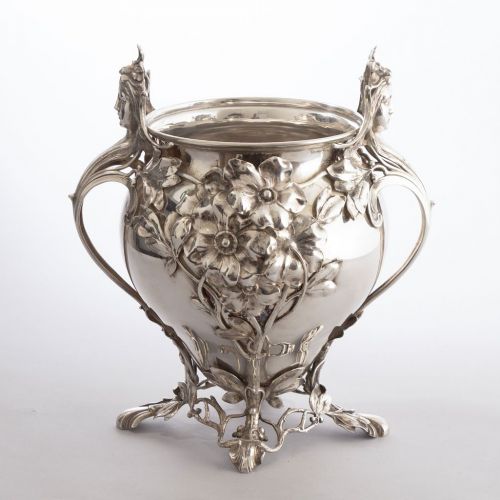
Coopered examples utilise traditional woodworking methods with oak or mahogany staves bound by metal hoops, originally intended for oysters or logs before finding use with ice. Metal vessels typically feature hand-beaten bodies, soldered seams, and applied cast handles shaped as tendrils, flower heads or heraldic crests.
An eighteenth-century copper cooler might once have chilled claret before spending a quiet century holding ferns in a conservatory.
Assessing quality
Quality in a metal champagne cooler rests upon the weight of the metal, the crispness of any embossed decoration, and the integrity of the construction. Heavier gauge silver plate or solid copper indicates a vessel built for demanding hospitality use rather than light domestic display.
Subtlety of detail distinguishes standard production from exceptional pieces, such as the precision of hand-engraved coats of arms or the clean geometric lines of Art Deco chrome work. The quality of the interior lining and the method of joining handles to the body reveal the original maker's commitment to durability.
Christofle·WMF·Elkington·Luc Lanel
The Metal Champagne Cooler Glossary
- Old Sheffield Plate
- An early form of plated metal created by fusing a sheet of silver to a copper core before rolling them together. This technique often reveals a faint hint of copper showing through along high friction edges.
- Coopered
- Construction method using parallel wooden staves bound together with metal hoops, typical of large buckets and wine vessels. This technique draws from traditional cask-making to ensure liquid retention.
- Christofle Gallia
- A subsidiary line established by the prominent French metalwork firm, known for producing avant-garde Art Deco designs in silver plate. Pieces from this range frequently bear distinct maker marks.
- Trophy Vase
- A decorative vessel form with two side handles, sometimes repurposed from athletic presentation pieces to serve as wine coolers. Their deep bowls made them practical for submerging bottles in ice.
Metal Champagne Cooler: Frequently Asked Questions
Were all these coolers meant for wine?
Many vessels listed started life in different domestic roles, including log baskets, punch bowls, jardinières and oyster buckets. Their robust metal or coopered wooden construction made them easily adaptable for holding ice and bottles.
Dining traditions evolved over time, allowing large bowls and trophy vases to transition naturally into wine coolers.
Can I use an antique cooler with ice today?
Most metal and silver-plated coolers remain fully watertight and ready to hold ice and champagne for modern dining. Pewter and copper vessels require only a quick wipe inside before filling.
For coopered wooden pieces with metal hoops, check that the timber has not dried out entirely from long periods in storage.
How do I date a piece without a mark?
Look to the overall silhouette, handle attachments and manufacturing technique to place a vessel within a broad stylistic period. Heavy embossed floral motifs often point to the Art Nouveau era, while clean lines suggest Art Deco design.
Plain copper bodies with dovetail joints frequently indicate eighteenth or nineteenth-century origins before mass-production techniques took hold.