


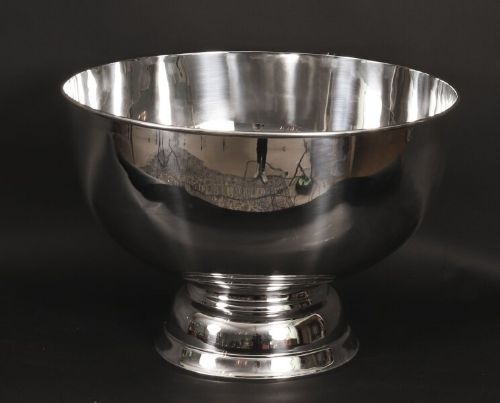

Vintage Barware Cooler
These vintage barware cooler pieces span centuries of hospitality, bringing silver plate, copper and cut crystal to the table.
Vintage Barware Cooler
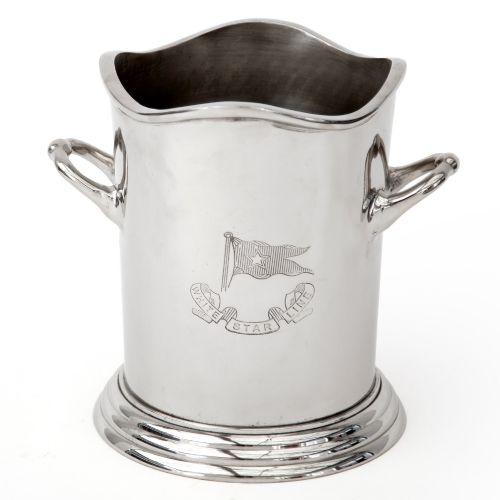
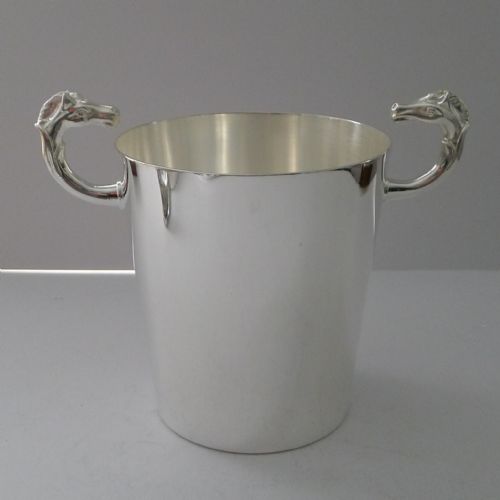
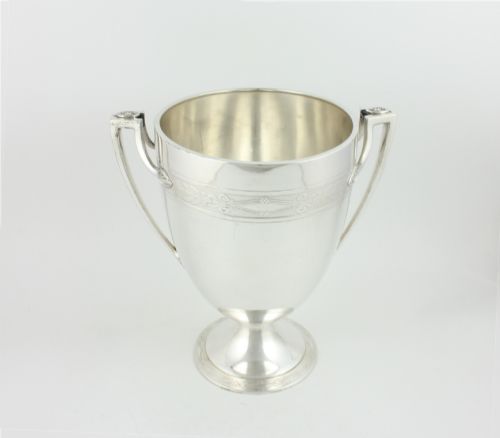
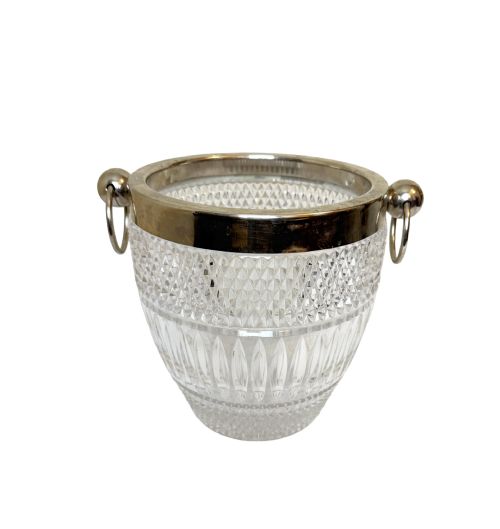
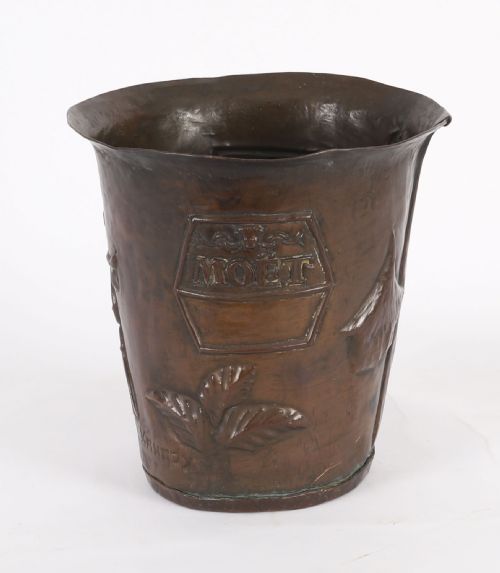
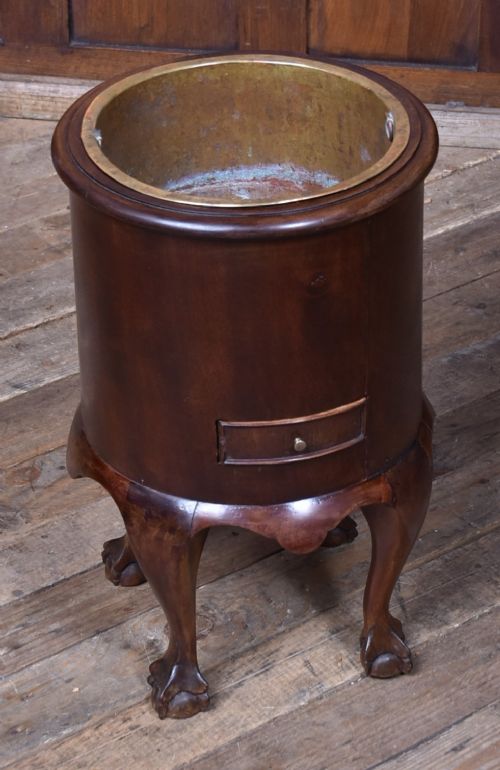
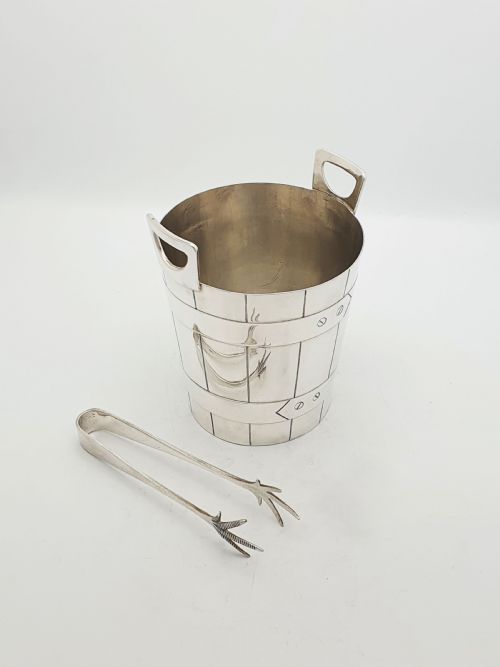
A vintage barware cooler encompasses ice buckets, champagne coolers and wine coolers designed to keep beverages chilled during gatherings. The selection ranges from nineteenth century mahogany vessels to twentieth century silver-plated ice pails.
Buyers frequently encounter silver plate and cut crystal combinations alongside brass, copper and oak forms. Pieces emerge from periods including Victorian, Edwardian, Art Deco and Mid-Century Modern eras.
Materials and construction methods
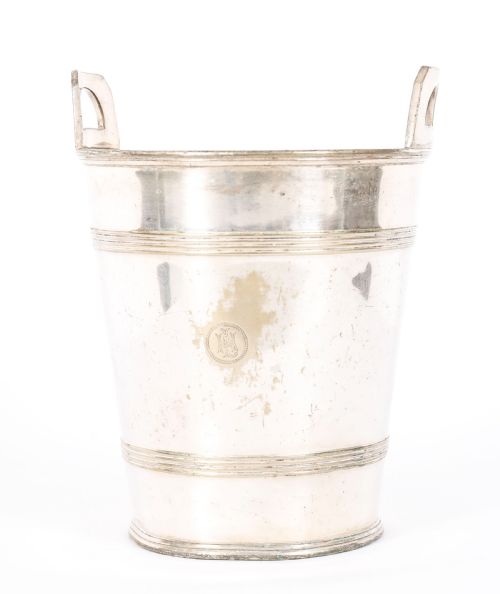
Metalwork relies heavily on silver plate over base metals, alongside solid brass, copper and Old Sheffield plate techniques. Makers applied heavy embossing, chased details and applied mounts to construct the outer bodies.
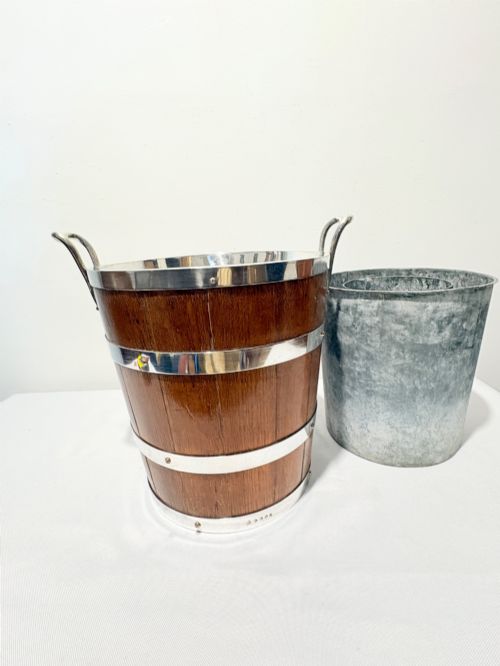
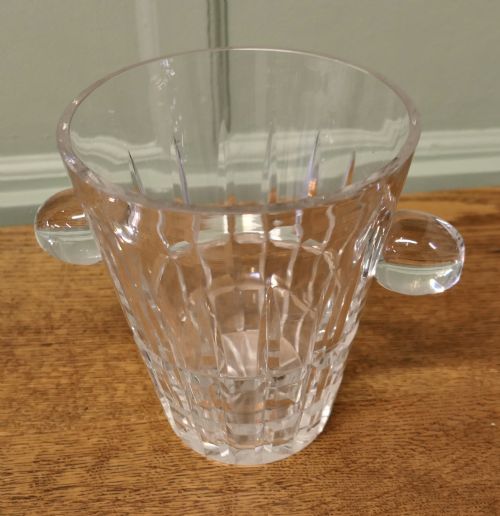
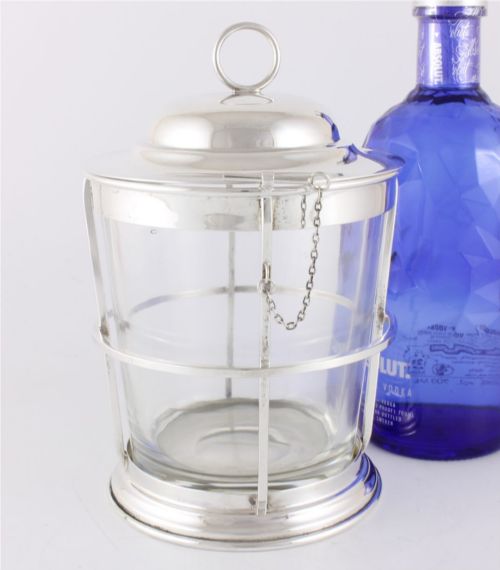
Interior elements incorporate hand-cut French crystal, lead crystal glass liners and ceramic creamware inserts. Timber examples utilise mahogany and oak joined with metal handles and liners.
Listings feature silver plate, cut crystal, copper, brass and oak across Victorian, Art Deco and Mid-Century Modern periods.
Factors determining quality
The distinction between standard utility items and superior pieces rests on the weight of the metal and the clarity of the cut crystal. Substantial gauge silver plate and thick-walled glass liners demonstrate greater durability and craftsmanship.
Attribution to documented makers and silversmiths elevates the standing of an item. Refined surface decoration, such as hand-chased motifs or specialised mounts, indicates higher workshop standards.
Hutton Sheffield·PH Vogel·Christofle·Mappin & Webb·IMA·Dawson·WMF·Elkington·Ercuis Paris·Luc Lanel·Matthew Boulton Co
The Vintage Barware Cooler Glossary
- Silver plate
- A thin layer of silver fused or electroplated onto a base metal such as copper or nickel brass. This technique allowed makers to achieve the appearance of solid silver at a lower cost.
- Old Sheffield plate
- An early method of fusing a sheet of silver to a copper core before rolling them together into sheets. Items made this way often reveal a thin line of copper at exposed edges.
- Jardiniere
- A large ornamental pot or stand used to hold plants or flowers, occasionally utilised historically as a bottle cooler. These vessels share similar metal and ceramic construction methods with barware.
- Biscuit barrel
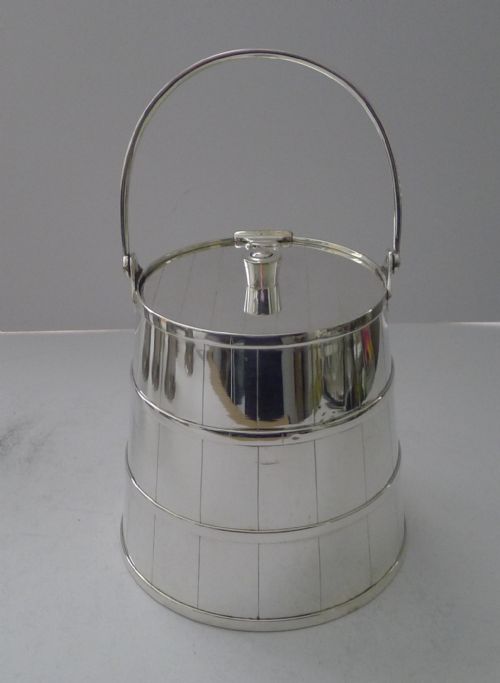
- A covered container traditionally used for storing dry biscuits on the dining table, often adapted in form into ice buckets. They frequently feature ceramic liners and hinged lids.
Vintage Barware Cooler: Frequently Asked Questions
How do I clean a silver plated cooler?
Wash the vessel in warm soapy water using a soft cloth to protect the plated surface. Avoid harsh abrasives that might wear away the thin silver layer over the base metal.
Dry the metal thoroughly with a soft towel to prevent water spots. Use a specialised silver polish sparingly only when tarnishing requires removal.
What is the difference between a wine cooler and an ice bucket?
Wine coolers are typically deeper vessels designed to hold bottles upright surrounded by ice and water. Ice buckets tend to be more compact pails intended specifically for holding ice cubes for drinks.
Many vintage examples bridge these categories due to overlapping forms and interchangeable liners. Both serve similar hosting functions across different scales.
Can I use these coolers for daily dining?
These pieces suit regular use provided proper care is maintained for the interior liners and exterior finishes. Glass and ceramic liners handle ice and bottles well during casual meals.
Care should be taken with antique wooden or copper varieties to protect delicate surfaces from moisture damage. Empty and dry the liners after each gathering to preserve the materials.
How do I identify an Art Deco design?
Art Deco coolers display geometric lines, streamlined symmetry and stylized motifs popular during the early twentieth century. Geometric facets and stepped shapes appear frequently in the metalwork and cut crystal patterns.
Producers from this era embraced modern industrial aesthetics alongside traditional silver-plate techniques. This style stands distinct from the ornate floral flourishes of earlier Victorian periods.