


Meissen Porcelain Sculpture
When you search for meissen porcelain sculpture, you encounter modelled figures and groups shaped from hard-paste clay and finished in glaze, enamel, and gold leaf.
Meissen Porcelain Sculpture
A meissen porcelain sculpture encompasses figurative works, animal studies, and mythological groups produced in Germany across the eighteenth, nineteenth, and twentieth centuries. The selection available here leans heavily towards nineteenth-century iterations, alongside significant eighteenth-century models and twentieth-century modernist designs.
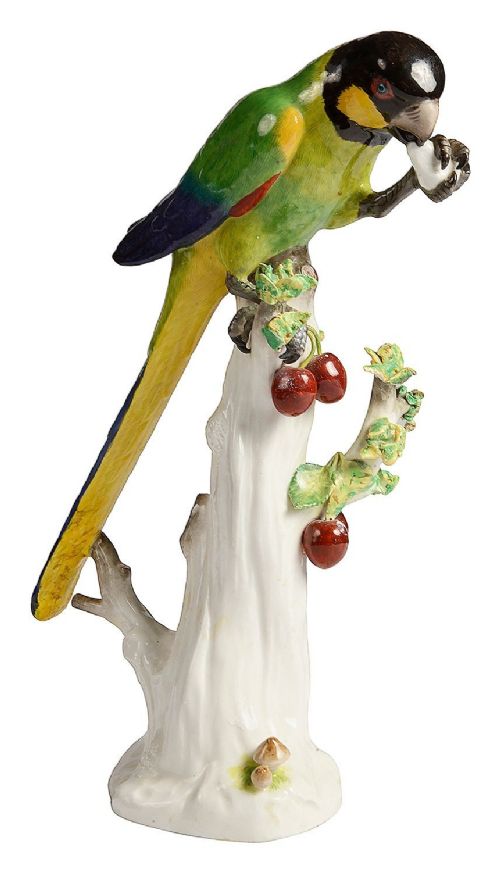
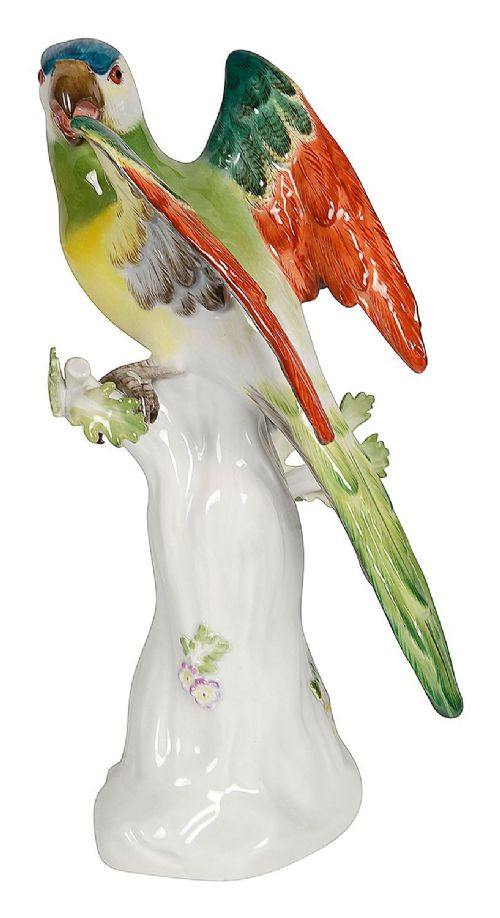
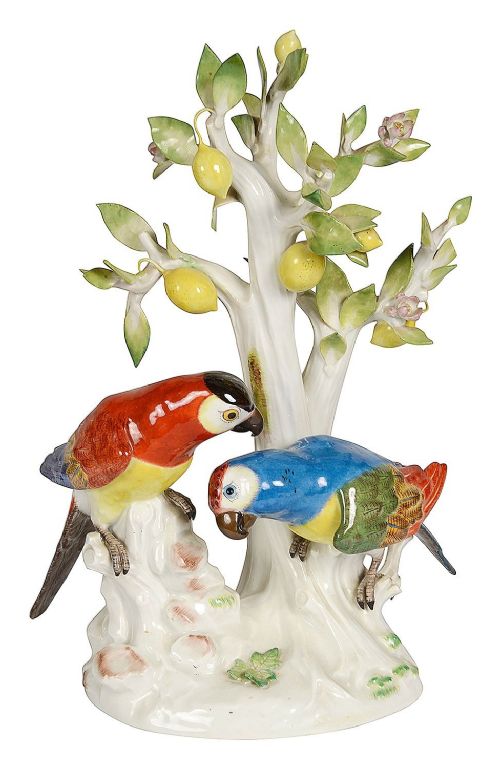
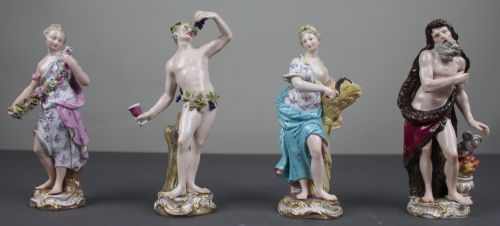
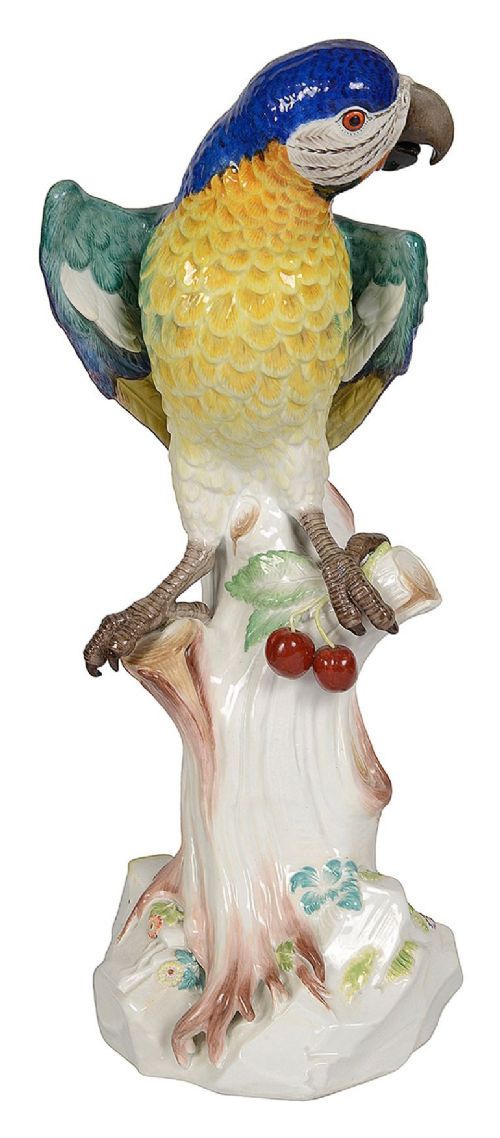
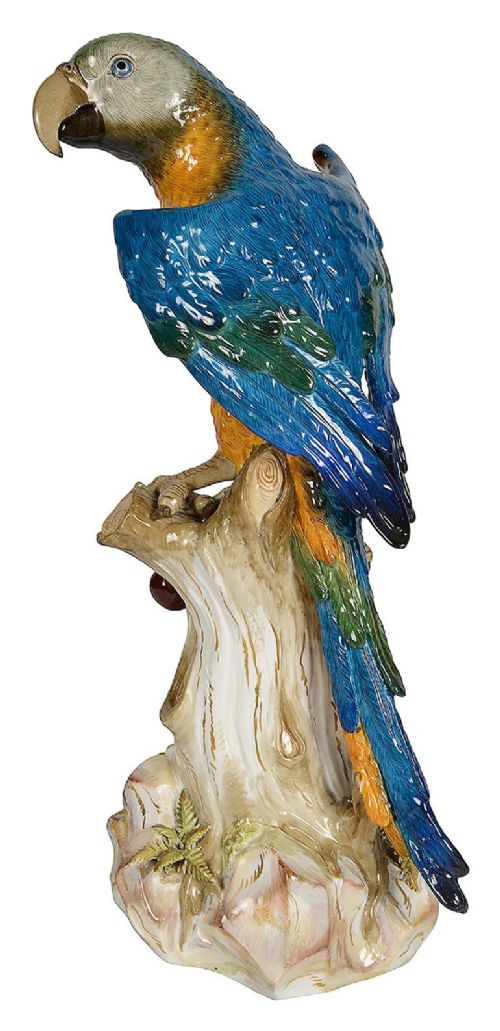
Buyers frequently encounter animal figures, notably parrots, cockatoos, and monkeys, as well as complex allegorical groups depicting the seasons, romance, or classical narratives. These objects range from single standing figures to large pairs and elaborate multi-figure compositions mounted in ormolu.
The style shifts across periods from the playful curves of Rococo and Rococo Revival to the structured forms of Victorian historicism and the sleek lines of Art Deco. Each piece reflects the aesthetic priorities of its decade of manufacture, whether ornate pastoral scenes or stark white animal studies.
Materials and production methods
Makers shaped these pieces using hard-paste porcelain, a dense ceramic compound composed of kaolin and petuntse that fires at extremely high temperatures. This durable material allowed modellers to achieve crisp anatomical details in figures, animals, and foliage.
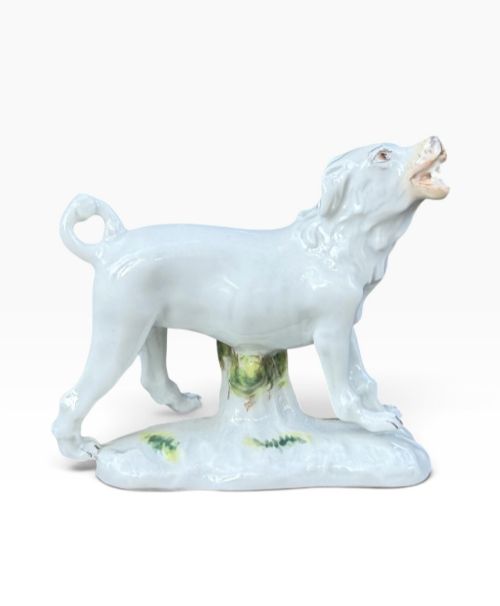
Surface decoration relies on enamel paint applied beneath or over the glaze, often augmented by hand-painted gilt highlights or gold leaf. Certain twentieth-century pieces utilise a pure white blanc de chine finish without polychrome enamel to emphasise sculptural form over colour.
Monkeys, parrots, and a drunken Silenus share shelf space with romantic lovers, proving eighteenth-century kilns had a wonderfully wild sense of humour.
Assessing quality and execution
The standard of a meissen porcelain sculpture depends heavily on the precision of the modelling and the finesse of the hand-painted enamel work. Superior examples display sharp facial expressions, carefully delineated feathers or drapery, and precise application of polychrome colours without bleeding.
The complexity of the composition also dictates the standing of a piece, with multi-figure groups and large animal sculptures requiring advanced kiln management and intricate assembly. Subtle use of gilding and the crispness of the underlying hard-paste biscuit separate ordinary production from exceptional output.
Paul Scheurich·Acier·Greuze
The Meissen Porcelain Sculpture Glossary
- Hard-paste porcelain
- A vitrified ceramic compound invented in Europe at Meissen, fired at high heat to create a hard, translucent body. It resists scratching and provides a stable base for detailed sculptural modelling.
- Enamel glaze
- A coloured vitreous coating fused to the porcelain body during secondary firing. This technique produces vibrant, permanent colours on figures and decorative objects.
- Gilt
- A thin layer of gold applied to surface details such as garment trims or mountings. It adds metallic contrast to painted porcelain surfaces.
- Blanc de chine
- A pure white monochrome glaze style used on figures to highlight sculptural contours without the distraction of polychrome enamel.
- Ormolu
- Cast brass that has been finished with a gold wash, frequently used as an ornamental mount for eighteenth-century porcelain groups.
Meissen Porcelain Sculpture: Frequently Asked Questions
How do I identify an eighteenth-century piece?
Eighteenth-century examples often display simpler colour palettes, specific modelling styles associated with periods like the Marcolini era, and hand-painted details typical of early factory output.
Examine the weight, the texture of the glaze, and the specific subject matter, as classical and pastoral themes dominated eighteenth-century production before Victorian romanticism took hold.
What subjects are most common?
Bird sculptures, particularly parrots and cockatoos perched on tree trunks, appear frequently alongside human figures arranged in romantic, mythological, or seasonal groups.
Human subjects range from street traders and gardeners to classical deities and theatrical characters like Harlequin and Columbine.
How should I display large porcelain groups?
Large groups and animal sculptures require stable, vibration-free placement on strong surfaces away from high-traffic areas or direct sunlight.
Given the delicate nature of protruding elements like leaves, fingers, and branches, position them where accidental bumps are entirely avoided.
Why do some figures lack colour?
Monochrome figures, particularly those finished in blanc de chine, rely entirely on the purity of the white glaze and the sharpness of the modeller's knife.
This aesthetic choice became popular during twentieth-century periods like the Edwardian era to showcase the raw sculptural form rather than painted realism.