



Meiji Style Urn
These meiji style urn pieces combine bronze, porcelain, and champlevé enamel craftsmanship from the late nineteenth and early twentieth centuries.
Meiji Style Urn
Buyers seeking a meiji style urn encounter decorative vases, table lamps, and urns originating from nineteenth century and early twentieth century periods. The selection includes Satsuma, Imari, and Fukagawa porcelain alongside bronze and brass vessels.
Many examples incorporate Japanese motifs and styles created during the Meiji period and subsequent decades, often adapted into Victorian and Edwardian domestic interiors as table lamps or decorative vases.
Materials and construction methods
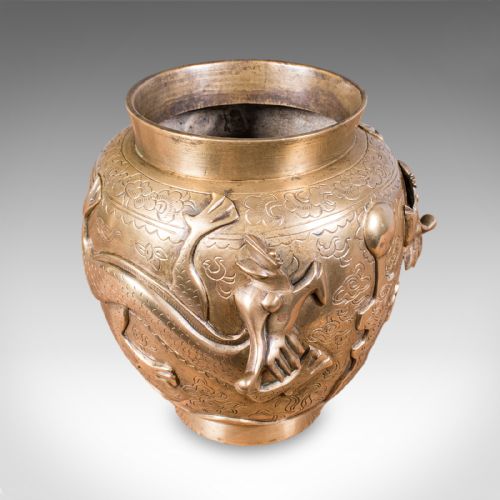
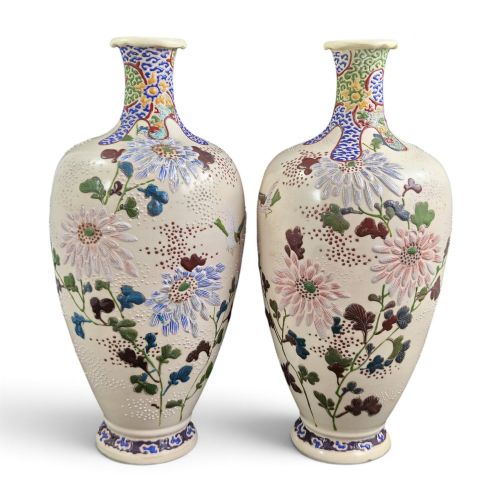
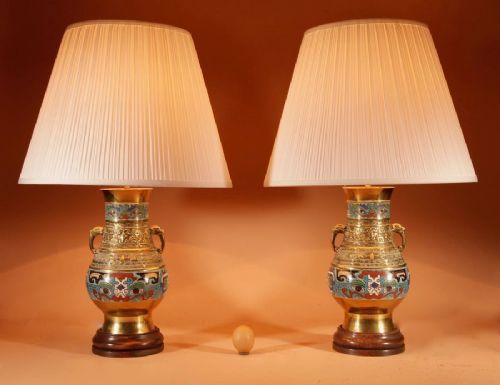
Maker techniques utilise bronze, brass, and earthenware combined with detailed enamel work such as champlevé. Fukagawa and Satsuma porcelain pieces feature hand-painted glazes, moriage decoration, and gilt highlights.
Vessels take various forms including fluted bodies, bulbous silhouettes, and bamboo patterned shapes, often mounted onto wood or fabric elements when converted into table lamps.
Meiji Style Urn Retail Price Guide 2026
Typical asking prices for meiji style urn among the pieces listed under this phrase on Sellingantiques today, from the lower quarter to the upper quarter. They describe what is for sale here now, not the wider market.
Some industrious Victorian electricians took antique bronze vases and wired them into household lamps without a second thought.
Determining quality in these pieces
Quality separates through the precision of the enamel work, the complexity of painted motifs like chrysanthemum and dragon designs, and the weight of the bronze or porcelain body. Hand-applied moriage and crisp geometric inset panels indicate finer execution.
The integration of metal mounts, enamel infill, and porcelain glazes dictates the overall finish, distinguishing standard decorative items from more finely detailed workshop productions.
The Meiji Style Urn Glossary
- Champlevé
- An enamelling technique where artist cells or troughs are hollowed out in the metal surface and filled with enamel before firing. This method creates bold coloured patterns on bronze and brass lamp bodies.
- Moriage
- A Japanese ceramic decorating technique where slip is piped onto the surface to create raised decorative designs. It adds a tactile, dimensional quality to Satsuma vases and urns.
- Imari
- A style of Japanese porcelain featuring distinctive blue and iron red decoration against a white background, often accented with gilt. These pieces date across the nineteenth and early twentieth centuries.
- Satsuma
- A type of Japanese earthenware characterised by a ivory-coloured, crackle-glaze finish painted with polychrome enamels and gilt. They frequently appear as decorative vases and table lamps.
Meiji Style Urn: Frequently Asked Questions
What defines a meiji style urn?
These pieces comprise decorative Japanese porcelain, bronze, and enamel vessels produced during the late nineteenth and early twentieth centuries. They reflect traditional Japanese craftsmanship adapted for Western aesthetic tastes of the Victorian and Edwardian eras.
Many examples function as table lamps or large display vases featuring distinct motifs such as dragons, bamboo patterns, and floral arrangements.
How were these items used originally?
Such vessels served primarily as decorative ornaments in nineteenth century drawing rooms and parlours, displayed on mantelpieces or tables. Their aesthetic drew heavily on Orientalism and Japonisme trends popular in Britain.
Later adaptations frequently converted these vases into functional table lamps by adding electrical fittings and mounts while retaining the original ceramic or bronze bodies.
How do I identify Satsuma ware?
Satsuma pieces typically exhibit an earthenware body covered in a fine, creamy crackle glaze. Artisans then applied intricate polychrome enamels and raised gold details over this surface.
Subjects often include floral motifs such as chrysanthemums and figurative scenes, distinguishing them from blue and white porcelain or bronze items.
How do I date these objects?
Dating relies on material combinations, stylistic markers, and manufacturing techniques recorded across the nineteenth century, Victorian, Edwardian, and Meiji periods. Pieces incorporating champlevé bronze mounts often point towards the late nineteenth or early twentieth century.
Porcelain markings, specific colour palettes like Imari, and conversion evidence for lighting help place individual examples within this chronological range.