



Carved Dragon Vessel
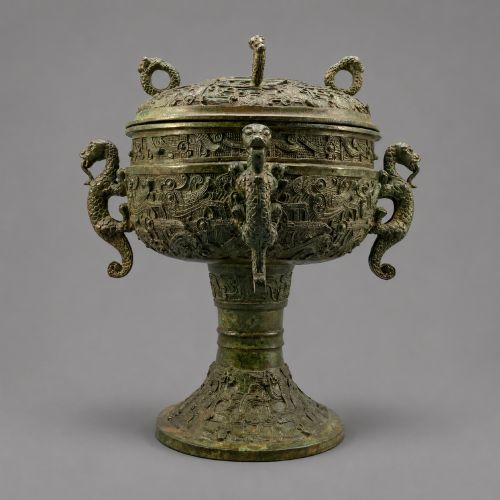
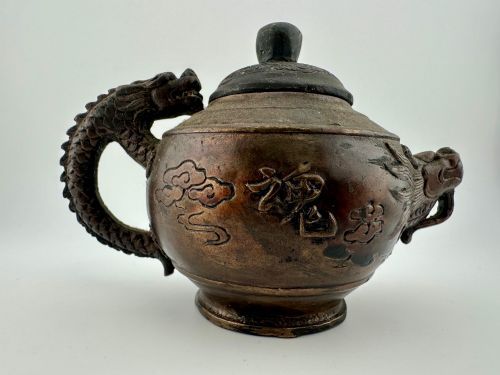
These pieces known as a carved dragon vessel bring forth centuries of metalwork and mineral carving traditions from Asian and European export workshops.
Carved Dragon Vessel
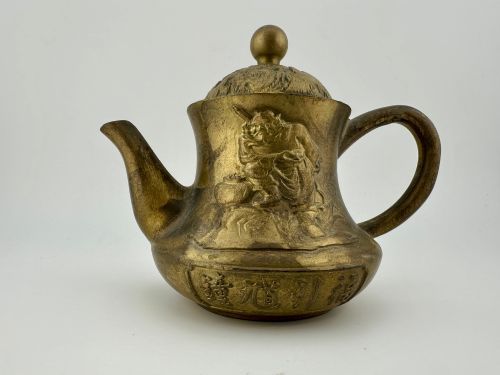
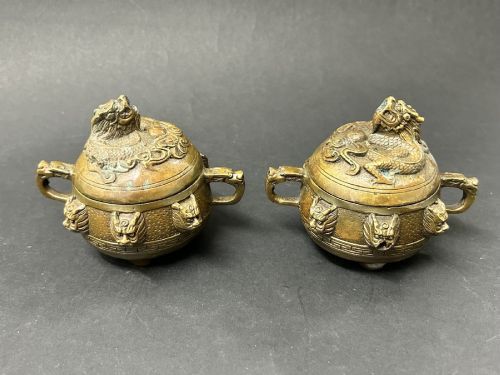
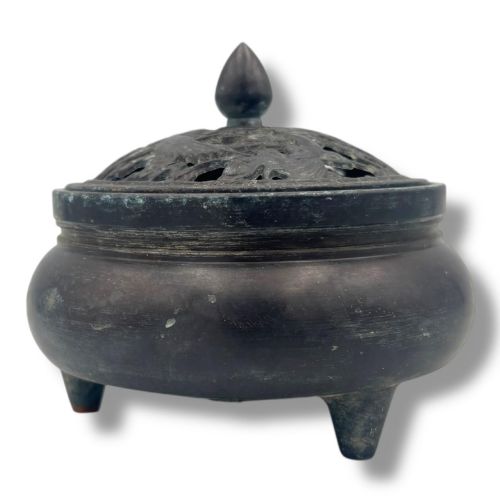
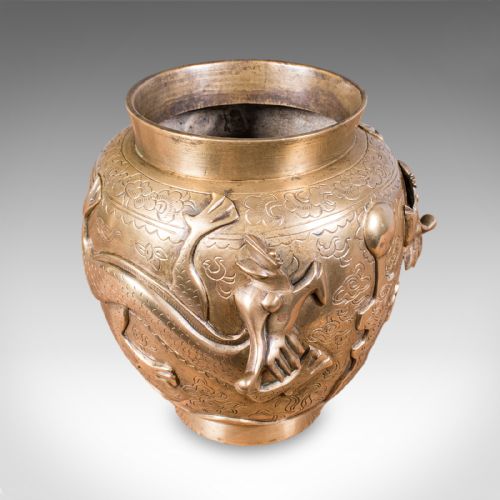
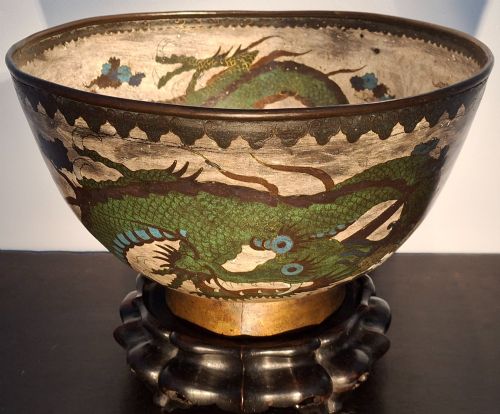
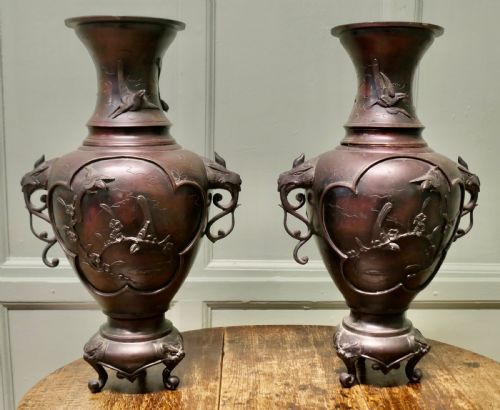
A carved dragon vessel takes many forms across the selection, appearing most frequently as heavy bronze and brass vases, incense burners, and decorative bowls. Buyers encounter items ranging from Victorian flower urns to earlier Ming Dynasty scholar objects and Meiji period Japanese metalwork.
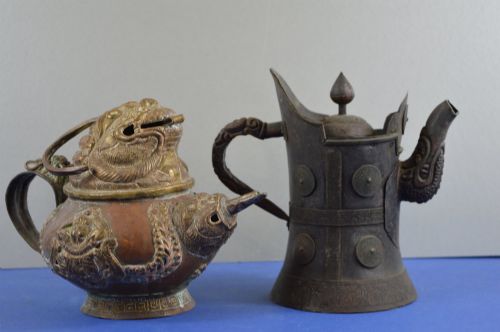
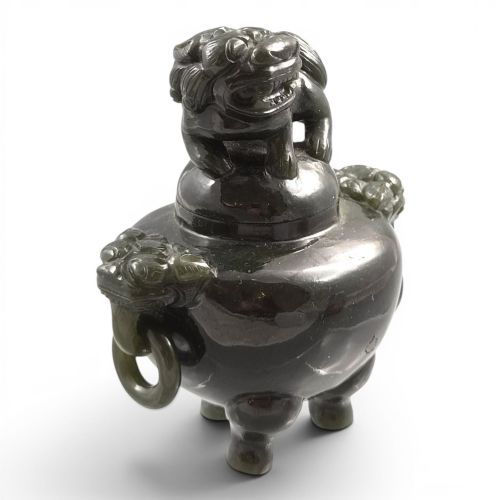
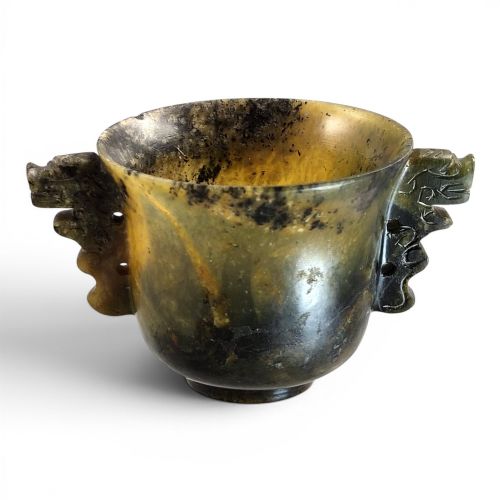
The objects serve varied functions, from ceremonial ewers and tripod censers to brush washers and archaistic cups. Qing dynasty and Japanese export pieces dominate the selection, bringing intricate motifs and varied patination into domestic spaces.
Materials and construction methods
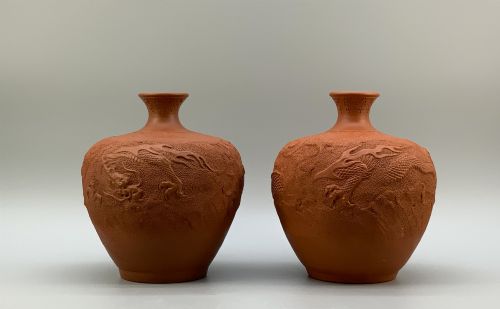
Metal vessels rely heavily on cast bronze and brass, often finished with high-relief ornamentation or patinated surfaces. Copper-alloy castings incorporate applied details, while Japanese items utilise distinct red clay or cloisonne enamel techniques alongside metalwork.
Mineral pieces employ jade, nephrite, and hardstone, shaped into ceremonial cups and bowls. Artisans combine these carved stones with silver mountings or cherry wood to create composite decorative objects.
Carved Dragon Vessel Retail Price Guide 2026
Typical asking prices for carved dragon vessel among the pieces listed under this phrase on Sellingantiques today, from the lower quarter to the upper quarter. They describe what is for sale here now, not the wider market.
The listings feature objects fashioned from bronze, brass, jade, nephrite, silver, wood, and hardstone across various historical periods.
Assessing quality in dragon vessels
The distinction between standard items and superior examples rests upon the crispness of the casting and the depth of the carving. High-relief dragon motifs display sharp detail along the scales and claws rather than soft or smoothed edges.
Material selection dictates the upper tier of the range, where fine nephrite, dark green jade, and heavy, well-balanced bronze bodies demonstrate superior craftsmanship. The integration of maker or base marks and harmonious proportions further separate utilitarian wares from masterworks.
The Carved Dragon Vessel Glossary
- Censer
- A vessel used for burning incense, typically featuring a tripod base and a perforated cover. These items often incorporate mythical beasts or dragons upon the lid or handles.
- Ewer
- A large jug with a spout used historically for carrying water or wine. In this selection, bronze and brass examples frequently serve ceremonial functions.
- Archaistic
- A style that consciously imitates the forms, decorations, and patination of ancient ritual bronzes or jades. This aesthetic appears frequently in Qing dynasty scholar objects.
- Meiji Period
- The era in Japanese history spanning from 1868 to 1912, known for producing sophisticated bronze vessels and decorative metalwork destined for export markets.
Carved Dragon Vessel: Frequently Asked Questions
What is a carved dragon vessel used for?
These items served various historical purposes, functioning as incense burners for rituals, water droppers for scholars, or decorative flower urns in period homes.
Today, collectors display them as centrepieces or mantel ornaments, appreciating the functional heritage combined with intricate dragon motifs.
How do I care for bronze and jade vessels?
Bronze objects require occasional dusting with a soft cloth and benefit from stable indoor humidity to preserve their historic patina. Avoid abrasive cleaning agents that strip away the surface finish.
Jade and hardstone pieces need gentle handling to prevent chipping along thin rims. Clean them simply with a dry or barely damp microfiber cloth.
How can I tell Chinese and Japanese pieces apart?
Chinese examples often feature archaistic motifs, heavier cast brass bodies, or nephrite elements tied to scholarly traditions. Qing dynasty items frequently display distinct base marks or high-relief Daoist iconography.
Japanese pieces from the Meiji period tend to exhibit precise bronze patination, cloisonne enamel work, or specific regional clay forms such as Tokoname red ware.
What periods do these vessels come from?
The selection spans multiple centuries, with notable pieces originating from the 16th-century Ming Dynasty through to the Victorian and Edwardian eras. Many items date from the late 19th century and early 20th century.
Japanese Meiji period works and Qing dynasty pieces represent the majority of the historical metalwork and carved mineral items.