


Meiji Period Wood Carving
These pieces of meiji period wood carving bring intricate craftsmanship and organic forms straight into a room.
Meiji Period Wood Carving
When you search for meiji period wood carving, you encounter a variety of objects that range from miniature sculptures to large display furniture. The selection includes okimono, netsuke, cabinets, and decorative panels created during the late nineteenth and early twentieth centuries.
Boxwood and general hardwood dominate the small figures and okimono, while larger furniture items utilise structured timber alongside lacquer, bone, and mother-of-pearl inlay. These pieces reflect traditional Japanese aesthetics applied to both functional furnishings and small handheld items.
How they were made
Artisans employed dense timbers such as boxwood and various hardwoods to achieve precise, minute details in figures and animals. These woods were often hand-carved and polished, sometimes incorporating natural grain to accentuate the subject.
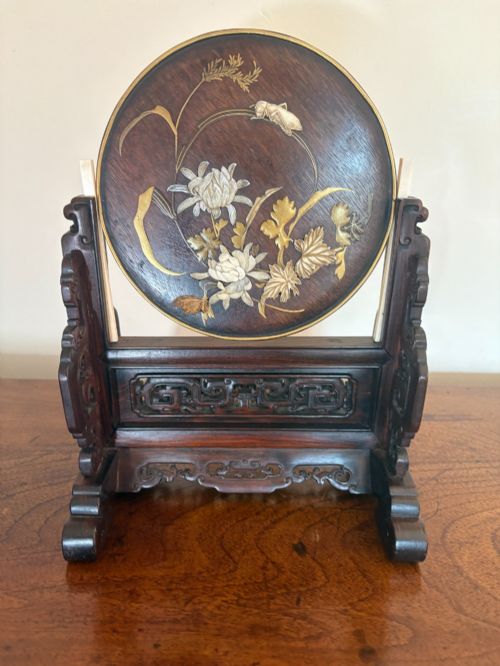
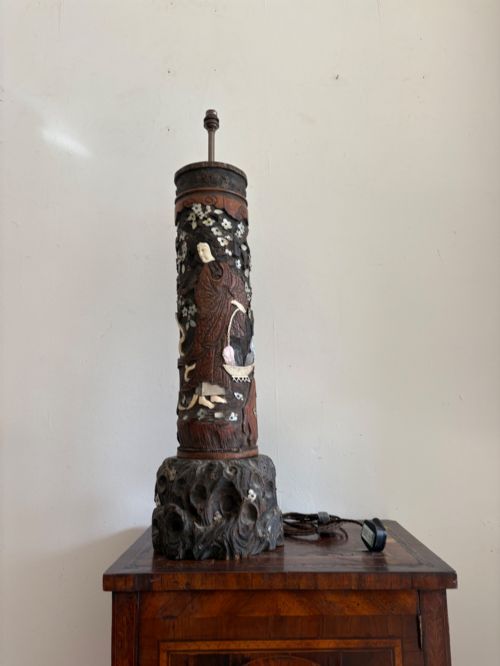
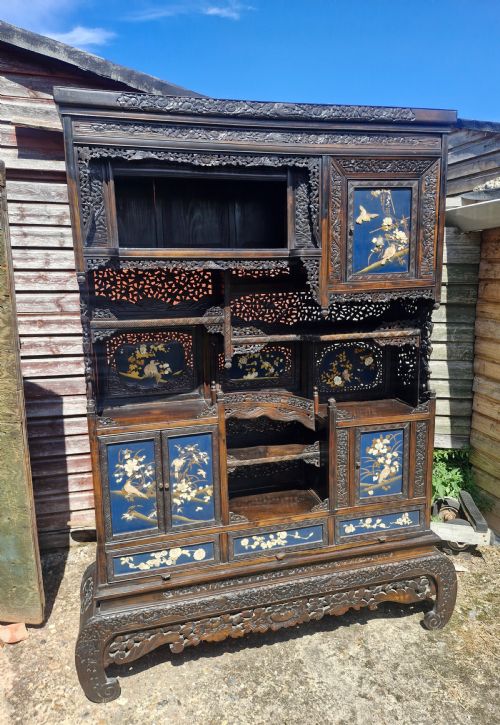
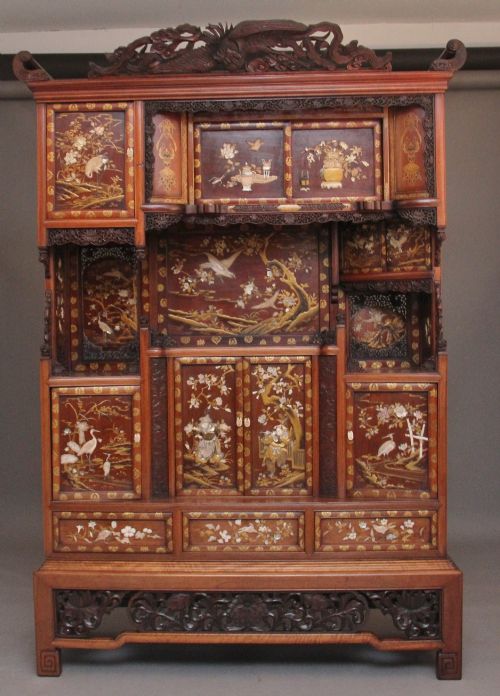
Inlay work required meticulous placement of mother-of-pearl, bone, and lacquer onto wooden surfaces for panels and cabinets. This combination of carving and inlay created textured, multi-layered decorative items.
Several carvings depict small rodents and toads caught mid-hop, showing that artisans appreciated the humour in everyday garden life.
What varies in quality
The degree of naturalism and precision in the carving separates standard items from exceptional examples. Fine pieces display subtle facial expressions, accurately rendered anatomy, and seamless integration of inlay materials.
The condition of the timber, stability of joints in furniture, and preservation of delicate bone or mother-of-pearl details dictate the standing of an individual piece.
Tomochika·Masayuki·Gyoko
The Meiji Period Wood Carving Glossary
- Okimono
- A Japanese ornamental carving intended for display on a shelf or in a tokonoma alcove. These figures often depict deities, animals, or scenes from everyday life.
- Netsuke
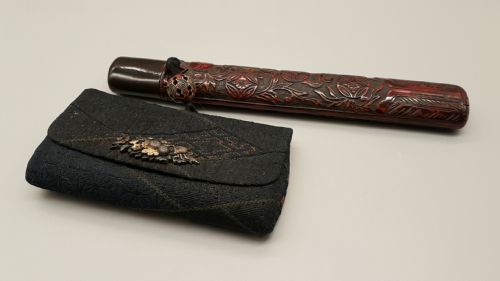
- A small carved toggle fastened to the end of a cord attached to a pouch or traditional container. Carvers used dense woods like boxwood to withstand daily wear.
- Shodana
- A traditional Japanese display cabinet featuring multiple shelves and compartments. These pieces frequently incorporate intricate woodwork and lacquer panels.
- Shibayama
- A style of inlay using precious materials such as mother-of-pearl, ivory, and tortoiseshell set into wood or lacquer grounds. This technique produced highly ornate panels and decorative objects.
Meiji Period Wood Carving: Frequently Asked Questions
What is a meiji period wood carving?
These items comprise carved wooden sculptures, okimono, netsuke, and furniture produced in Japan during the late nineteenth and early twentieth centuries.
They reflect the high skill of Japanese artisans working in traditional styles during an era of significant cultural change.
How were netsuke used?
Netsuke functioned as toggles to secure traditional pouches and baskets worn suspended from a sash by men's kimonos.
Carvers shaped them from dense wood so they could withstand friction and daily handling.
How do I care for antique wood carvings?
Keep wooden pieces away from direct sunlight and dramatic changes in humidity to prevent the timber from splitting.
Dust gently with a soft dry cloth and avoid applying modern polishes or oils to dry wood surfaces.
What subjects appear in these carvings?
Common subjects include mythical figures, deities such as Ebisu and Fukurokuju, animals like tigers and rabbits, and scenes from nature.
Carvers often captured expressive or humorous moments in human and animal behaviour.