


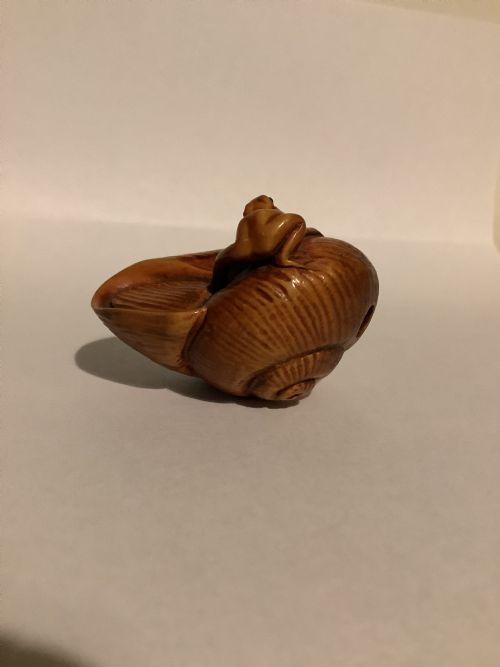
Antique Japanese Carved Figure
These antique japanese carved figure pieces bring centuries of masterly craftsmanship directly into a room, offering tactile connection to traditional Far Eastern artistry.
Antique Japanese Carved Figure
An antique japanese carved figure encompasses a diverse range of sculptures, okimono, netsuke, and decorative objects sourced primarily from the nineteenth and early twentieth centuries. These works include representations of animals such as bears and tigers alongside human figures like geishas, gods, and historical figures.
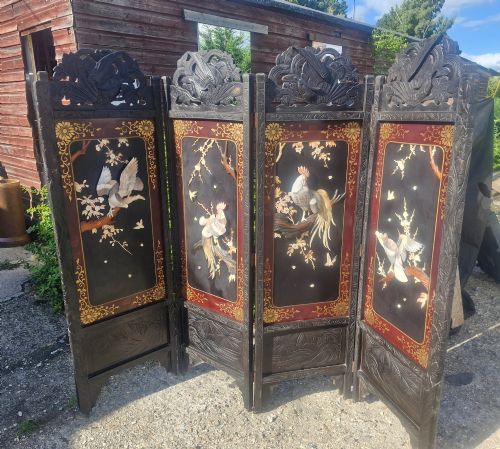
Buyers frequently encounter intricate boxwood carvings from the Meiji period, alongside robust wooden sculptures and occasional bronze figures mounted on root wood bases. The forms vary from miniature netsuke designed for practical fastenings to substantial statues and folding screens with deep bone carvings.
Materials and methods
Makers utilised various organic materials, predominantly hardwoods such as boxwood, linden wood, and root wood, shaping them with chisels and fine hand tools. Artisans also worked with bronze and incorporated techniques like carved black lacquer, known as tsuikoku, to build texture and depth.
Surfaces often show meticulous attention to grain and detail, whether in the Nata-tsukuri style of carving or through the delicate relief work found on inro and tobacco boxes. Many objects display natural patination accrued through handling and age.
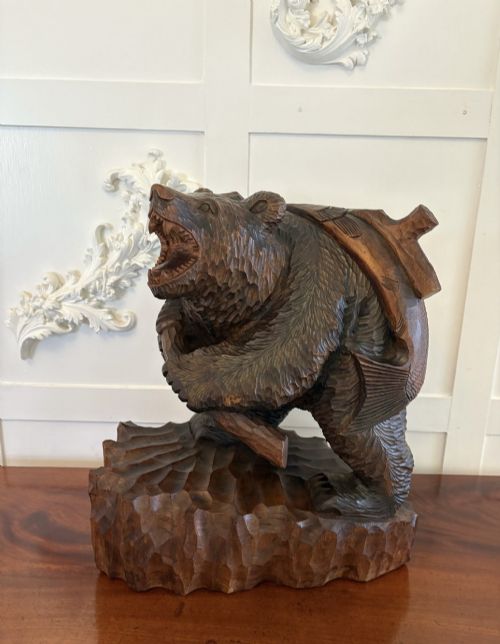
Several bears carry fish quite seriously.
Judging the execution
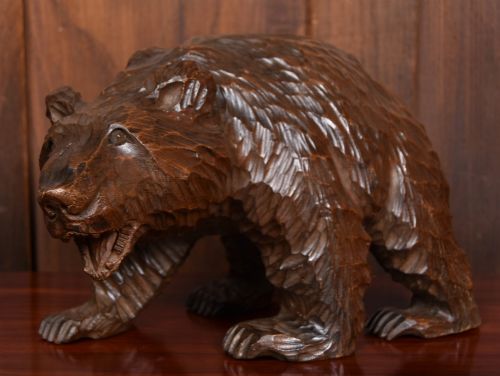
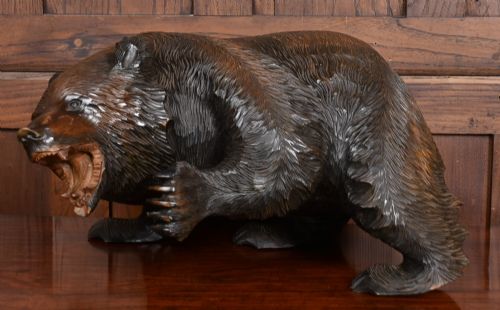
Quality rests heavily on the depth of carving, the precision of facial expressions, and the anatomical realism of both human and animal subjects. Master carvers achieved remarkable fluidity in hair, robes, and fur, separating accomplished studio work from simpler mass-produced items.
The choice of material and the presence of artist signatures further elevate a piece. Finer works display an intelligent integration of the natural grain, particularly within root wood and boxwood sculptures.
Tomochika·Masayuki·Gyoko
The Antique Japanese Carved Figure Glossary
- Okimono
- A small Japanese display piece intended for placement in an alcove or on a shelf. These freestanding carvings typically depict animals, deities, or daily scenes.
- Netsuke
- A miniature carved toggle fastened to the end of a cord on a traditional hanging pouch. Carvers pierced these small objects to allow cords to pass through securely.
- Inro
- A small traditional case for holding medicines or seals, constructed of stacked compartments. Artisans decorated the exterior with intricate lacquer work or carvings.
- Zushi
- A small portable shrine featuring double doors that open to reveal a hidden religious figure. They protected Buddhist statues inside monastic or domestic settings.
- Tsuikoku
- A specialised lacquer technique involving layers of black lacquer built up to a thickness sufficient for deep carving. Artisans cut intricate scenes directly into the dark surface.
Antique Japanese Carved Figure: Frequently Asked Questions
How are netsuke identified?
Netsuke function as carved toggles and feature distinct cord holes known as himotoshi on the underside or back. Their small scale allowed users to secure pouches to traditional sashes.
They often depict mythological beings, animals, or humorous human vignettes carved from dense woods.
What materials did carvers use?
Makers relied heavily on boxwood, linden wood, root wood, and various hardwoods found locally. Bronze and carved black lacquer also appear among surviving examples.
Selection depended on the desired scale and whether the object required durability for daily fastening.
How do I date these carvings?
Dating relies on stylistic shifts across the Edo and Meiji periods, alongside material wear and structural construction. Signatures and signatures of known workshops offer further chronological clues.
Nineteenth-century pieces frequently display sharper tool work and deeper patination than later Edwardian interpretations.