



Antique Asian Table Light
These antique asian table light pieces bring hand-worked bronze, carved wood, and painted porcelain into rooms that need weight and history.
Antique Asian Table Light
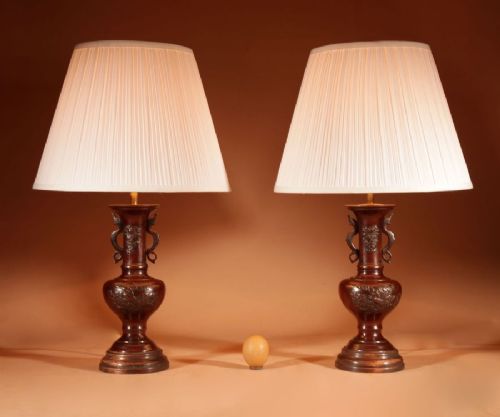
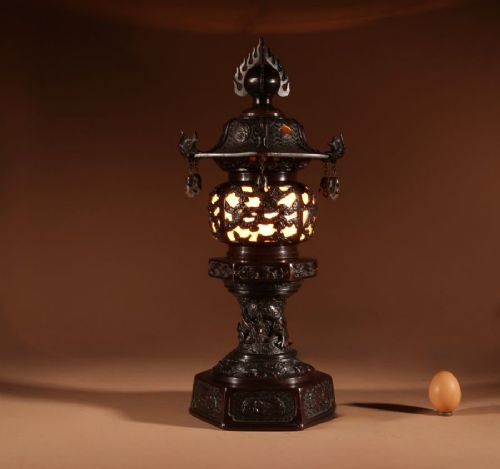
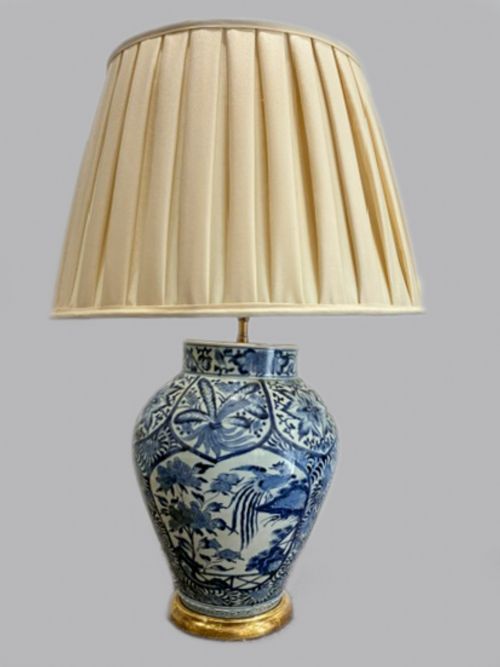
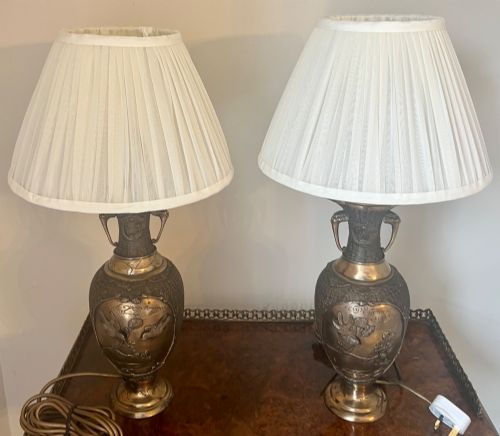
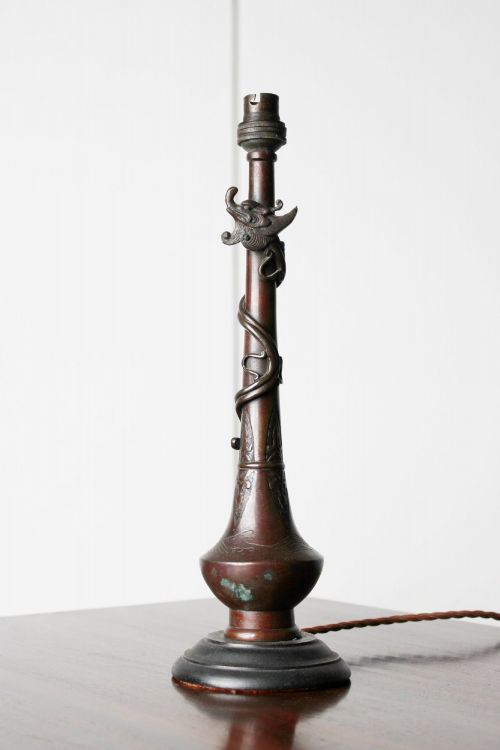
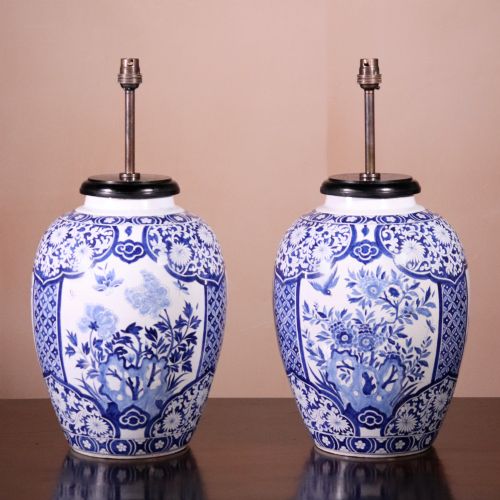
An antique asian table light is most commonly found here as a converted vessel, taking the form of a nineteenth-century Japanese bronze vase or a Chinese porcelain jar fitted for electricity.
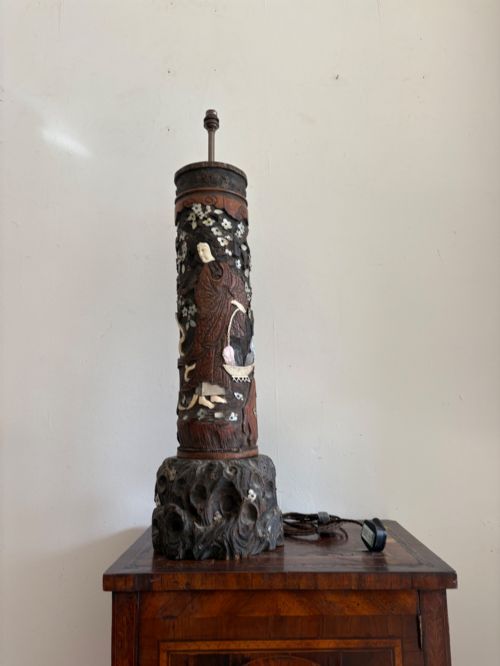
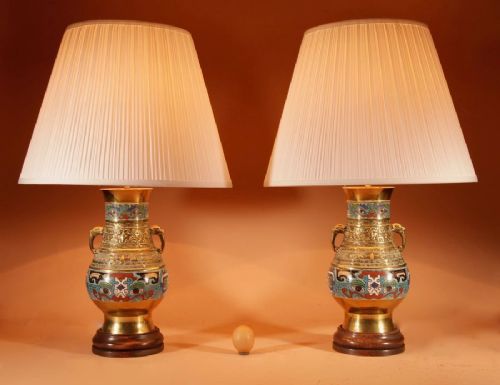
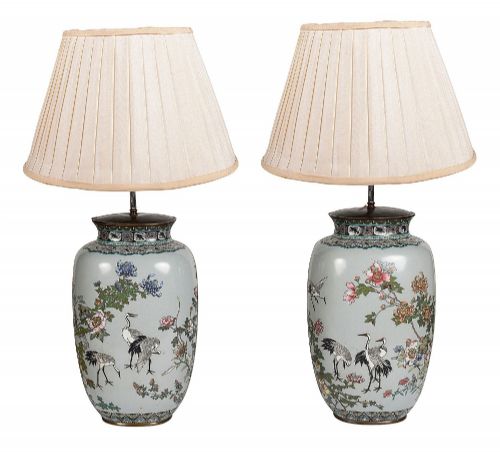
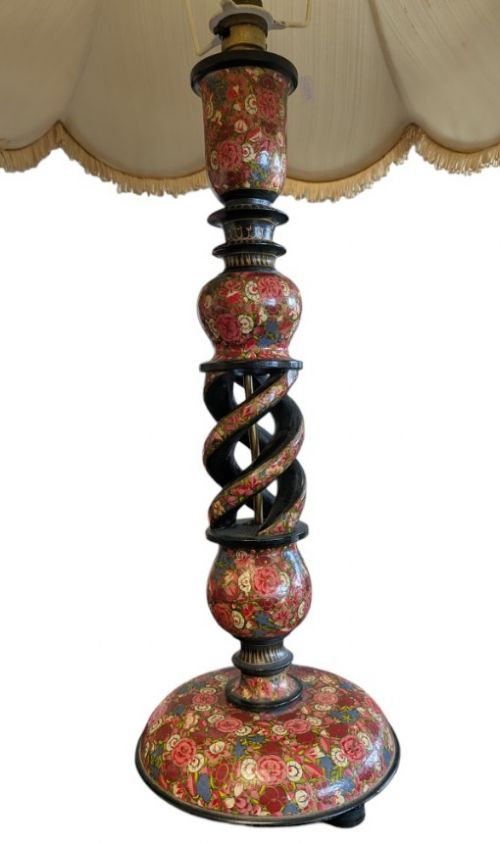
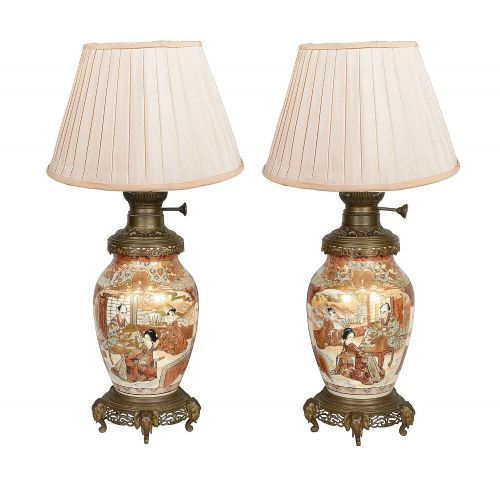
The selection ranges from Meiji period bronzes and Satsuma ceramics to carved root wood and cloisonne enamel vessels adapted from earlier Far Eastern pieces.
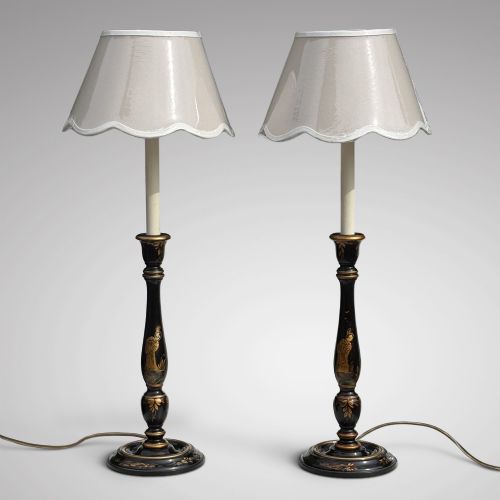
Buyers look for these items to anchor a room with distinct historical ornament, often appearing in matched pairs or monumental single forms.
Materials and construction
Makers utilised heavy cast bronze, brass, and copper alloys often decorated with champleve and cloisonne enamel work using intricate wire cells.
Ceramic bodies include celadon, blue and white porcelain, and Satsuma earthenware, frequently paired with carved hardwood stands or mounted on metal bases.
Conversion from vases, brush pots, and lantern stands involved careful boring and fitting to preserve the original decorative surface without structural damage.
Elephants, Shi lions, and dragons stand guard over these tables, having made the long journey from decorative vessel to domestic illumination.
Judging quality
The standard of a piece rests on the crispness of the original vessel, whether that is a finely chased dragon on a bronze casting or the delicate hand-painted detail on a porcelain jar.
Proportion and balance dictate success when a decorative object becomes a lamp, ensuring the height of the stem complements the body without overwhelming the form.
Original mounts and the integrity of the enamel or carved surface separate ordinary adaptations from exceptional decorative works.
The Antique Asian Table Light Glossary
- Cloisonne
- An enamelwork technique where thin metal wires are soldered to a metal base to create compartments filled with coloured paste and fired.
- Satsuma
- A type of Japanese earthenware featuring a crackled ivory glaze decorated with polychrome enamels and gilt.
- Celadon
- A term for ceramics denoting a pale green jade-like glaze originating in East Asia.
- Champleve
- An enamelling method where troughs are carved into a metal surface and filled with enamel before firing.
- Meiji Period
- The era in Japanese history spanning from 1868 to 1912, known for accomplished metalwork and decorative arts.
Antique Asian Table Light: Frequently Asked Questions
How do I choose the right lampshade?
Select a shade that matches the visual weight of the ceramic or bronze base. Simple silk or fabric covers often work best to let the vessel remain the focus.
Ensure the proportions align with the height of the lamp body, keeping the overall silhouette balanced.
Are these lamps converted from old vases?
Many examples began life as vases, temple jars, brush pots, or lantern stands before receiving electrical fittings later in their history.
This conversion process preserves the artistry of the original decorative object while adapting it for modern domestic use.
How do I care for antique bronze and enamel?
Dust the surfaces gently with a dry, soft cloth to prevent accumulation in recessed decorative areas. Avoid harsh chemical cleaners that might strip patination or damage fragile enamel work.
Keep the pieces away from direct sunlight to protect painted details and fabric elements.
Can I find matched pairs easily?
Matched pairs appear frequently among the bronze and porcelain offerings, particularly from the nineteenth and early twentieth centuries.
These symmetrical sets suit placement on sideboards or matching side tables where balance is required.