




Meiji Period Panel
A meiji period panel brings intricate Japanese craftsmanship into a room through rich lacquer, Shibayama inlay and detailed silk textile work.
Meiji Period Panel
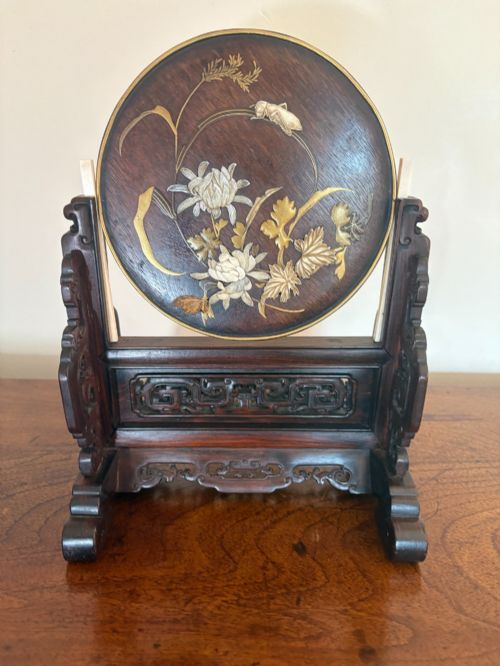
A meiji period panel represents the decorative arts produced in Japan during the late nineteenth and early twentieth centuries, encompassing wall plaques, folding screens and cabinet inserts. These pieces emerge in various forms, from textile compositions depicting nature to lacquered wooden surfaces adorned with bone inlay.
The items seen on this page range from multi-fold screens and table inserts to wall-hung works featuring Shibayama techniques. Buyers encounter both standalone decorative panels and those integrated into larger pieces of furniture such as shodana cabinets.
Originating largely from the decades between eighteen sixty and nineteen twenty, these works capture a period of intense artistic output aimed at both domestic and international collectors. The selection available reflects the diverse mediums utilised by Japanese artisans of the era.
Materials and construction
Artisans utilised hardwoods, lacquer and silk as primary foundations for these works, combining structural stability with smooth decorative surfaces. Lacquered wood provides a deep glossy base, while woven silk introduces texture and pictorial depth to textile screens.
Inlay work forms a central technique, with bone applied to wooden frames and screens to create raised, tactile imagery. Enamel, porcelain and glaze further appear across related decorative items, adding colour and vitrified detail to the construction.
Meiji Period Panel Retail Price Guide 2026
Typical asking prices for meiji period panel among the pieces listed under this phrase on Sellingantiques today, from the lower quarter to the upper quarter. They describe what is for sale here now, not the wider market.
Battle scenes involving frogs bring a touch of playful theatricality to nineteenth-century Japanese silk paintings.
Assessing quality in panels
Excellence in these pieces lies in the precision of the inlay and the depth of the lacquer work, where careful application creates a seamless relationship between the materials. Finer examples display meticulous attention to detail in bone or Shibayama elements, ensuring firm placement and balanced composition.
The complexity of the narrative or pictorial design also distinguishes finer works, particularly in multi-fold screens and pictorial silk panels. Pieces that maintain crisp definition in their carving, painting and textile work demonstrate superior workshop standards.
Iida Takashimaya Company
The Meiji Period Panel Glossary
- Shibayama
- A Japanese decorative technique involving the inlay of precious materials such as bone, ivory, shell and coral into a wooden or lacquered base. This method creates raised, colourful pictorial surfaces used on panels and screens.
- Lacquer
- A durable, glossy finish derived from tree sap, applied in multiple layers to wooden objects in Japanese craftsmanship. It offers protection and a smooth canvas for further artistic embellishment.
- Shodana
- A traditional Japanese tabletop or floor-standing cabinet featuring multiple shelves, cupboards and drawers. These pieces frequently incorporate decorated panels into their doors and sides.
- Cloisonné
- An enamelling technique where metal wires form compartments on a base to hold coloured glass paste before firing. This method appears on inset panels and related vessels.
- Imari
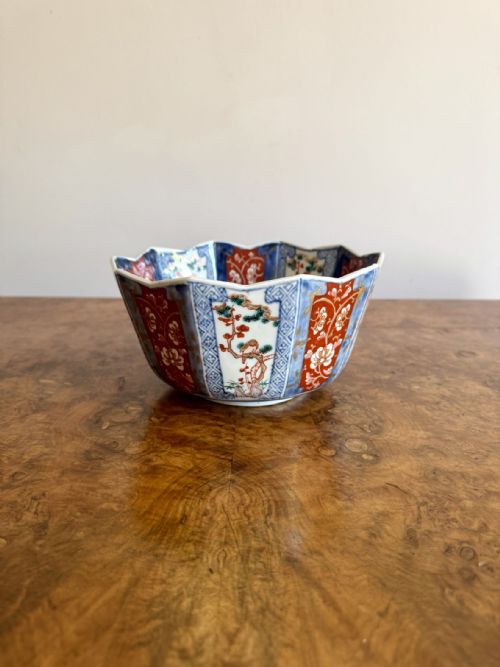
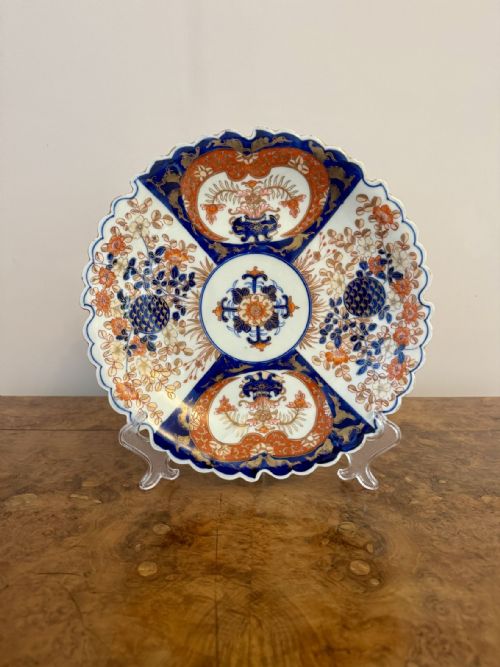
- A style of Japanese porcelain featuring distinctive blue, iron red and gilt decoration. Items in this tradition range from plates and bowls to large lidded vases.
Meiji Period Panel: Frequently Asked Questions
How do I care for antique lacquer?
Antique lacquer requires stable indoor humidity and protection from direct sunlight to prevent drying and cracking. Dusting should be done gently with a soft, dry cloth without chemical polishes.
Avoiding extreme temperature fluctuations preserves the integrity of both the wooden substrate and the delicate surface finish.
What is a shodana cabinet?
A shodana is a Japanese cabinet featuring an asymmetrical arrangement of shelves, sliding doors and drawers. They often incorporate decorative panels of lacquer, Shibayama or carved wood into their design.
These cabinets served as display pieces for art objects in Meiji period interiors.
Are textile panels authentic to the period?
Textile panels from this era include large silk compositions depicting subjects such as birds and battles. They reflect the high level of pictorial weaving and painting achieved by Japanese workshops around nineteen hundred.
Examining the weave, silk quality and mounting helps confirm the period of origin.