



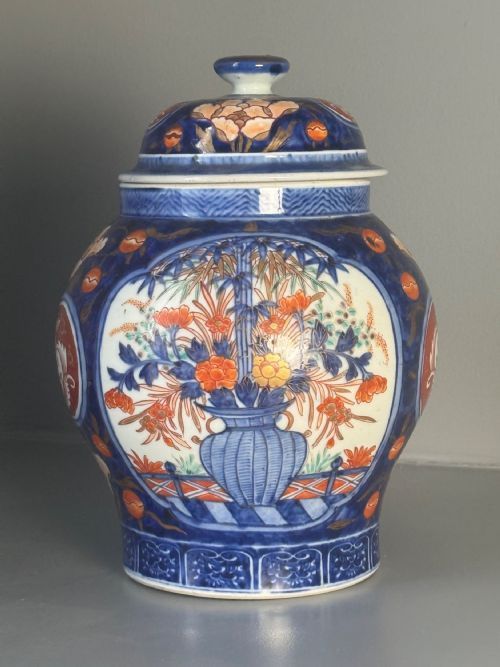
Meiji Period Japanese Porcelain
Meiji period japanese porcelain brings together intricate painted palettes and sculptural forms made during an era of profound craft revival.
Meiji Period Japanese Porcelain
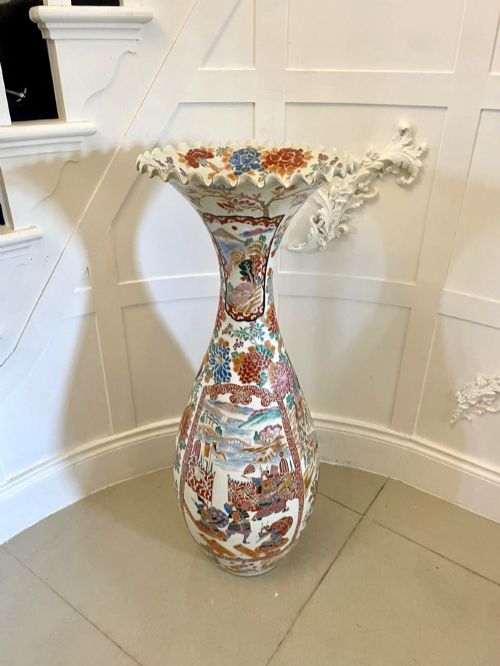
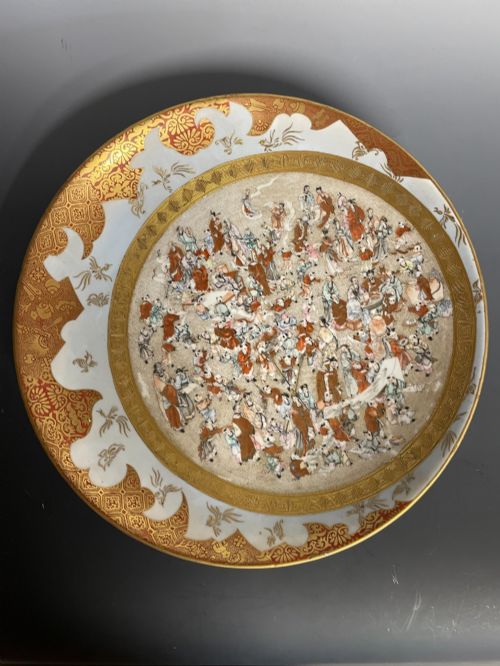
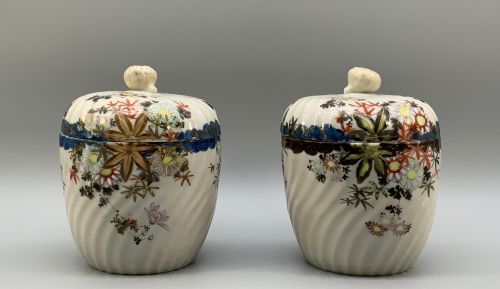
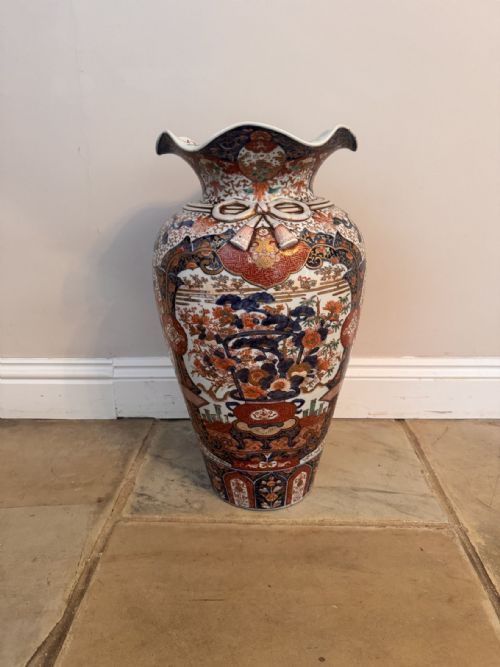
When examining meiji period japanese porcelain, buyers encounter a diverse array of decorative objects including large floor-standing vessels, chargers, dishes, and lidded jars. These pieces reflect the artistic output of late nineteenth and early twentieth-century kilns responding to both domestic traditions and international demand.
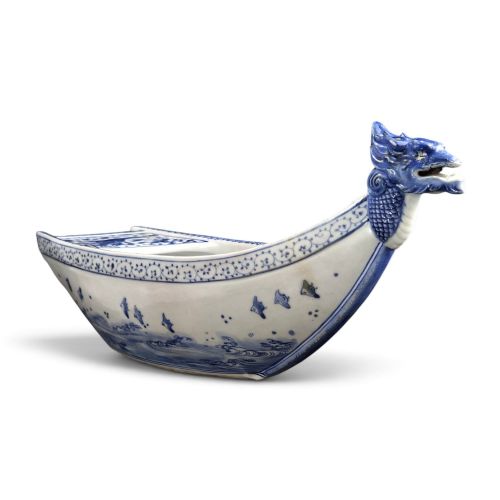
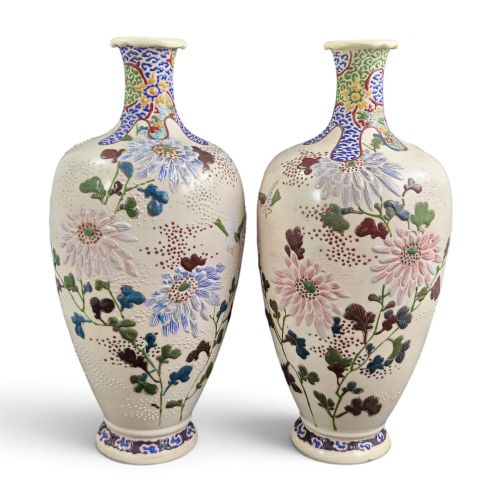
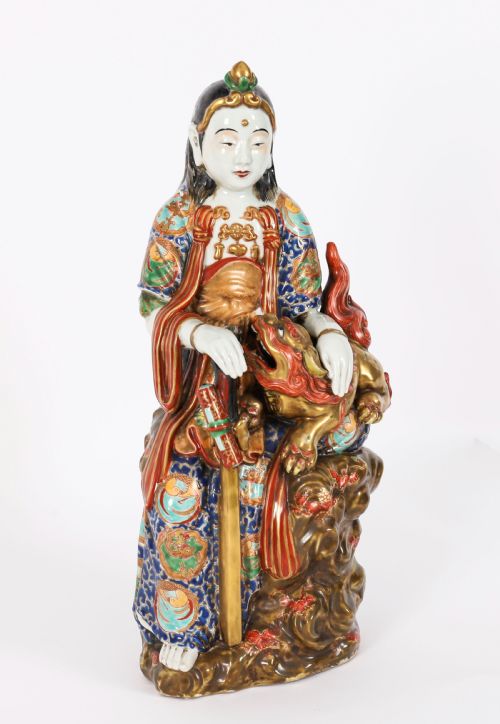
The most common variants on this page belong to the Japanese Imari and Kutani traditions, alongside delicate blue and white wares and finely potted Satsuma ceramics. Forms range from utilitarian tea wares and small bowls to monumental exhibition pieces and sculptural figures.
Originating predominantly from historical production centres such as Arita and Kutani, these ceramics span the decades between the late nineteenth century and the early twentieth century. Collectors frequently find pieces bearing characteristic cobalt underglaze, iron red, and gilt detailing typical of the era.
Assessing Quality and Execution
Superior examples of meiji period japanese porcelain display exceptional crispness in the moulding and meticulous control in the hand-painted brushwork. The finest pieces exhibit harmonious balance across complex decorative schemes, where gilding and enamels integrate cleanly with the porcelain body.
Lesser items reveal minor inconsistencies in glaze pooling, softer lines in repetitive borders, or crowded pictorial compositions lacking spatial depth. The prestige of the workshop and the ambition of the original scale, from cabinet cups to monumental floor vases, dictate the upper tiers of the medium.
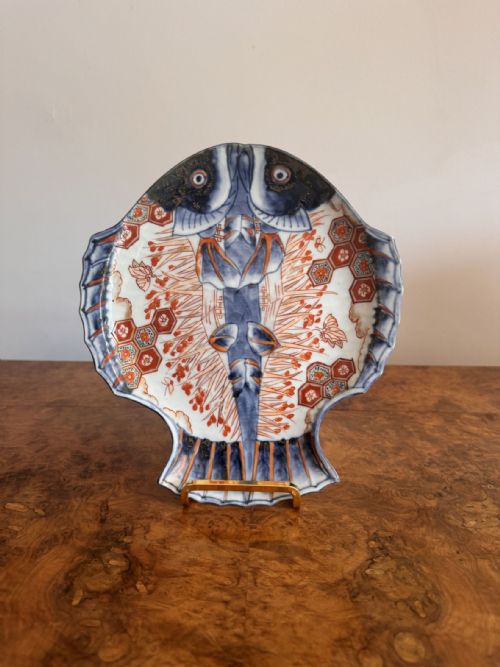
Several pieces take unexpected forms, including plates shaped precisely as swimming fish and inkwells modelled after tiny playful puppies.
Ginshōtei Gyokushi
The Meiji Period Japanese Porcelain Glossary
- Imari
- A traditional Japanese porcelain style featuring a distinctive palette of cobalt blue, iron red, and gold overglaze. This aesthetic became highly popular for export markets during the late nineteenth century.
- Kutani
- A style of Japanese pottery and porcelain renowned for vibrant, highly detailed pictorial enamels. Pieces often incorporate rich greens, purples, and extensive gilding.
- Satsuma
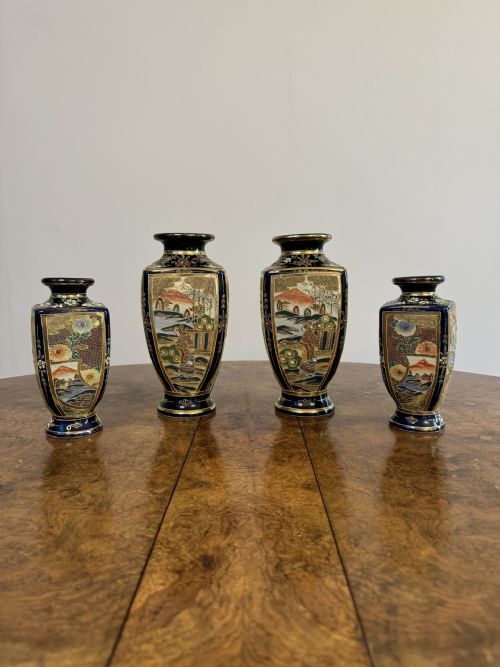
- Earthenware ceramics decorated with finely crackled ivory glazes and elaborate polychrome enamels. These wares frequently depict figures, flora, and fauna.
- Koro
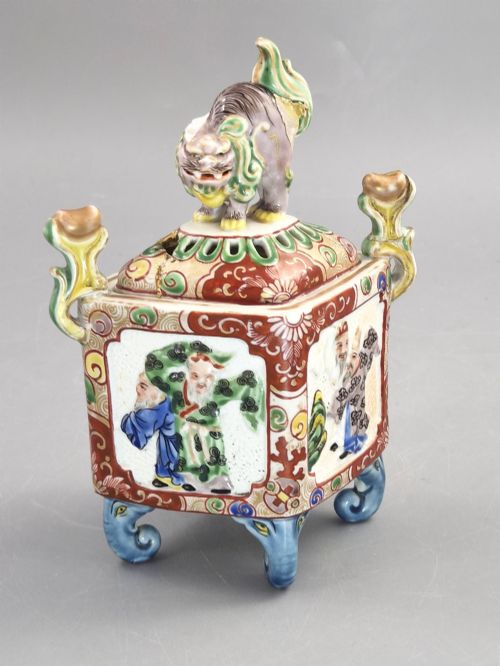
- A traditional Japanese incense burner typically supported on three feet and fitted with a pierced cover. These vessels often feature sculptural finials such as mythical beasts.
- Moriage
- A decorative technique using piped clay slip to create raised, textured patterns beneath or over the glaze. This method adds tactile relief to floral and animal motifs.
Meiji Period Japanese Porcelain: Frequently Asked Questions
What is meiji period japanese porcelain?
Meiji period japanese porcelain encompasses ceramic items produced in Japan during the reign of the Meiji Emperor between 1868 and 1912. This era marked a surge in sophisticated decorative techniques created for both local use and Western export markets.
The inventory includes diverse forms such as chargers, vases, and tea wares decorated in Imari and Kutani styles. These pieces showcase traditional craftsmanship combined with late nineteenth-century artistic innovation.
How do I identify Imari porcelain?
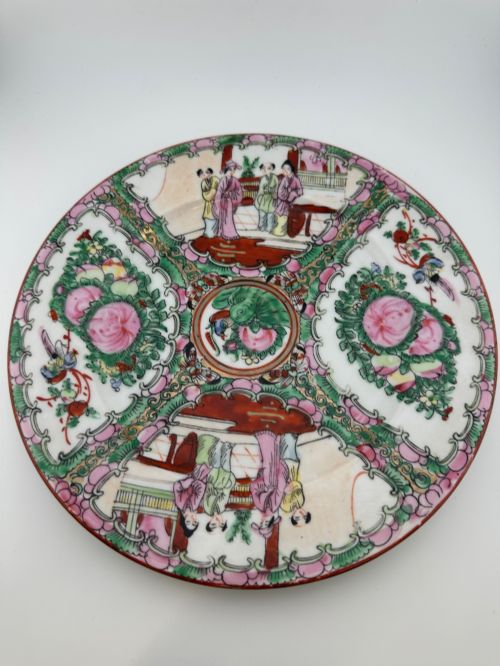
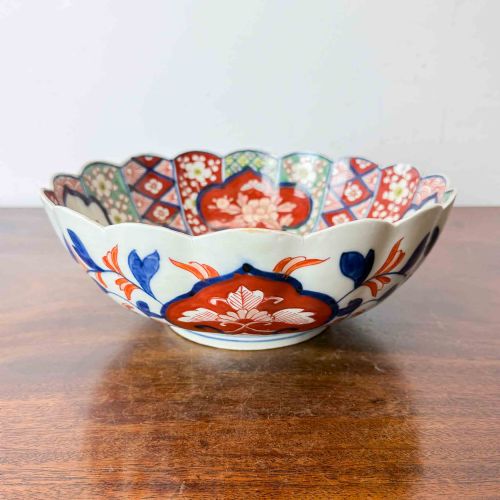
Imari porcelain is readily recognised by its characteristic palette combining underglaze cobalt blue with iron red and supplementary gilding over the glaze. The decorative schemes frequently incorporate dense floral panels, brocade patterns, and birds.
Most examples from this category date from the late nineteenth century and display crisp white porcelain bodies beneath the vibrant pigments. Scalloped edges and large display chargers are particularly common formats for this style.
What is the difference between porcelain and Satsuma ware?
Porcelain is a vitrified, hard-paste ceramic fired at high temperatures until non-porous and resonant when struck. Satsuma ware, by contrast, is an earthenware ceramic characterised by a porous buff body covered in a distinctive fine crackle glaze.
Satsuma pieces are traditionally decorated with intricate overglaze enamels and raised gold work. Porcelain items on this page more often utilise cobalt underglaze and hard enamel palettes.
How were these decorative vessels used?
Many large chargers, floor vases, and jardinières served as ornamental display pieces in Victorian and Edwardian drawing rooms. Smaller vessels functioned as incense burners, inkwells, or dedicated tea wares.
Exhibition pieces were created to demonstrate the technical mastery of Japanese kilns at international expositions. Everyday domestic items combined practical utility with elaborate artistic decoration.
How do I care for antique Japanese porcelain?
Antique porcelain and earthenware require gentle handling to preserve delicate overglaze enamels and gold leaf details. Dusting should be performed softly with a dry, lint-free cloth without applying chemical cleaning solutions.
Heavy pieces like floor vases and large chargers need stable placement away from high foot-traffic areas to prevent accidental impact. Avoiding prolonged exposure to direct sunlight helps protect the stability of coloured pigments.