




Meiji Period Enamel Bowl
A meiji period enamel bowl brings intricate Japanese metalwork and ceramic artistry into the room.
Meiji Period Enamel Bowl
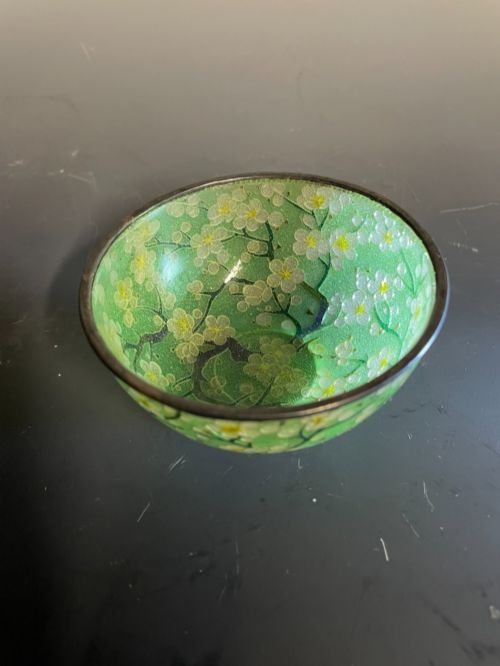
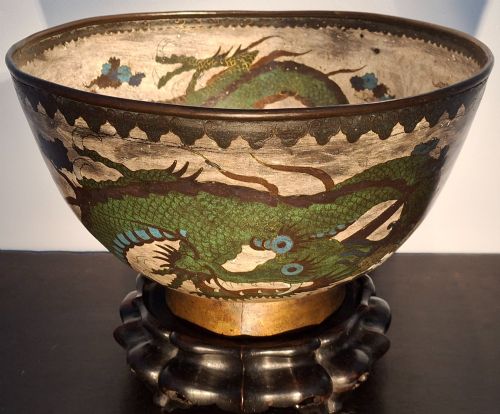
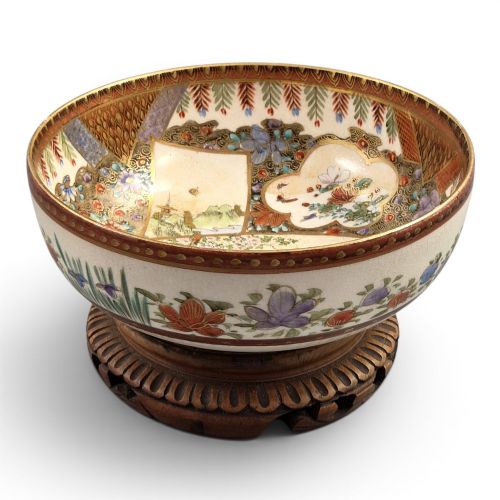
A meiji period enamel bowl covers a range of decorative vessels produced during the late nineteenth and early twentieth centuries in Japan. Buyers searching for a meiji period enamel bowl encounter diverse forms, from large charger plates to smaller ashtrays and sugar bowls. The selection includes cloisonne enamel, plique-a-jour, and champleve variations alongside Satsuma and Imari porcelain examples.
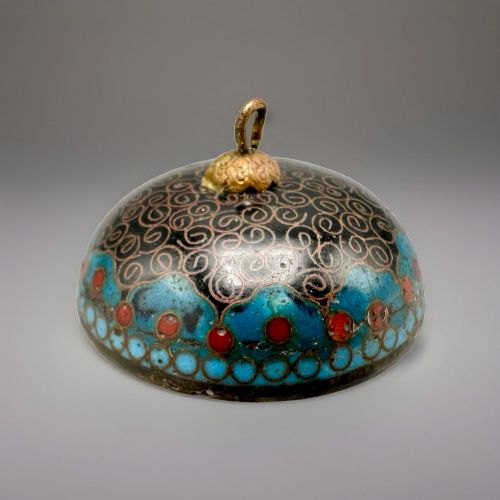
Cloisonne enamel on copper or brass forms the backbone of these listings. Artisans applied thin wire outlines to create cells, which they filled with coloured enamels before firing and polishing. Pieces featuring dragon, bird, peony, and shrimp motifs appear frequently across the periods seen from the nineteenth century onward.
How they were made
Metal bases of copper or bronze received fine wire partitions soldered to the surface to form intricate cellular patterns. Enamel pastes were packed into these tiny compartments and subjected to high-temperature kiln firings.
Plique-a-jour technique omitted the solid metal backing entirely, leaving translucent enamel suspended within wire frames to catch the light. Satsuma and Imari wares utilised earthenware and porcelain bodies decorated with rich gilt enamels and detailed pictorial scenes.
Meiji Period Enamel Bowl Retail Price Guide 2026
Typical asking prices for meiji period enamel bowl among the pieces listed under this phrase on Sellingantiques today, from the lower quarter to the upper quarter. They describe what is for sale here now, not the wider market.
Current listings span production dates from the eighteenth century through to the early twentieth century, incorporating copper, porcelain, and bronze.
What varies in quality
The precision and fineness of the wirework define the upper tier of enamel vessels. Artisans who maintained consistent cell thickness and flawless polish achieved superior visual depth in their dragon and floral motifs.
Surface finish and the complexity of the polychrome palette distinguish standard production from masterworks. Signed pieces and those utilising demanding techniques like plique-a-jour represent the pinnacle of period craftsmanship.
Kozan
The Meiji Period Enamel Bowl Glossary
- Cloisonne
- Enamelling technique where metal wire forms raised barriers on a copper or brass body to contain coloured glass pastes.
- Plique-a-jour
- Glass-work method resembling miniature stained glass, where enamel rests in open wire cells without a solid backing.
- Imari
- Japanese porcelain decorated in underglaze blue and overglaze iron red, green, and gold.
- Satsuma
- Earthenware pottery featuring a fine ivory crackle glaze decorated with polychrome enamels and gold leaf.
- Champleve
- Enamelling process where troughs or cavities are carved directly into a bronze or metal surface to hold enamel.
Meiji Period Enamel Bowl: Frequently Asked Questions
How were these enamel bowls used?
Many functioned as ornamental display pieces, chargers, or shallow dishes placed on tables and cabinets.
Smaller variants served specific domestic purposes, including ashtrays and sugar bowls within period households.
How do I care for my bowl?
Keep the piece away from direct sunlight and extreme temperature fluctuations to protect the delicate enamel and metal surfaces.
Dust gently with a dry, soft cloth and avoid abrasive cleaning agents or liquid immersions.
How do I distinguish cloisonne from Satsuma?
Cloisonne pieces feature metal wire cells filled with coloured glass enamel on a copper or brass foundation.
Satsuma items consist of crackle-glazed earthenware or porcelain painted directly with polychrome enamels and gilt.