



Antique Asian Enamel Bowl
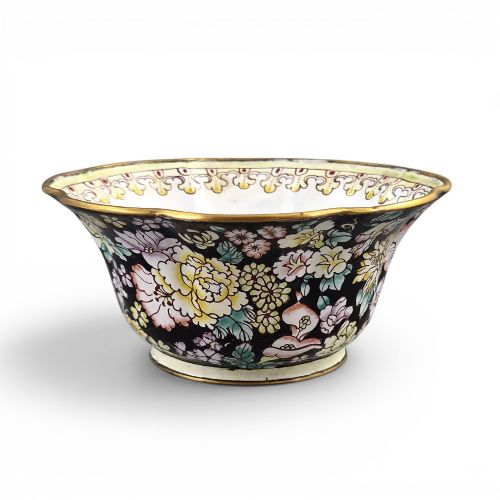
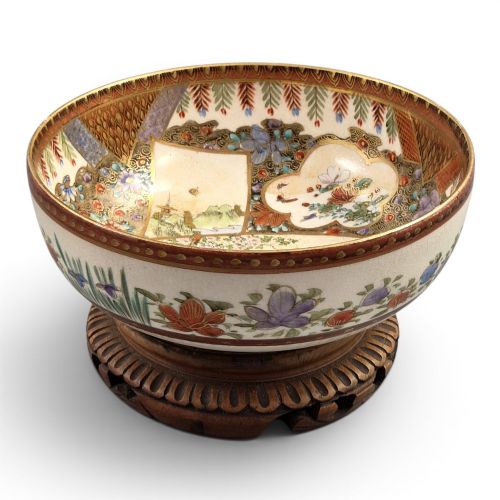
An antique asian enamel bowl brings centuries of meticulous metalwork and vibrant glazing into a room, offering both decorative presence and historical depth.
Antique Asian Enamel Bowl
The selection leans heavily toward Japanese cloisonne and Satsuma wares alongside Chinese copper and bronze pieces. Many date from the Meiji period and the Qing dynasty, reflecting distinct regional aesthetics and traditional manufacturing methods.
How they were made
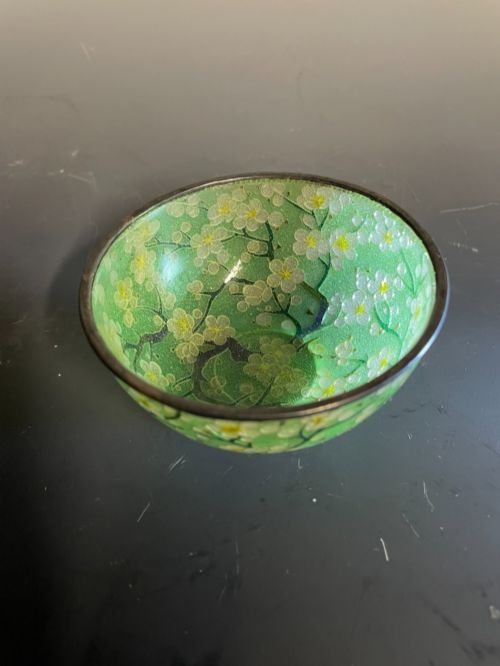
Craftsmen shaped these vessels from copper, bronze, brass, porcelain, or earthenware as a base for the applied decoration. Metal bowls frequently utilise cloisonne or champleve techniques, where thin wire strips or carved recesses form cells to hold coloured enamel pastes before firing.
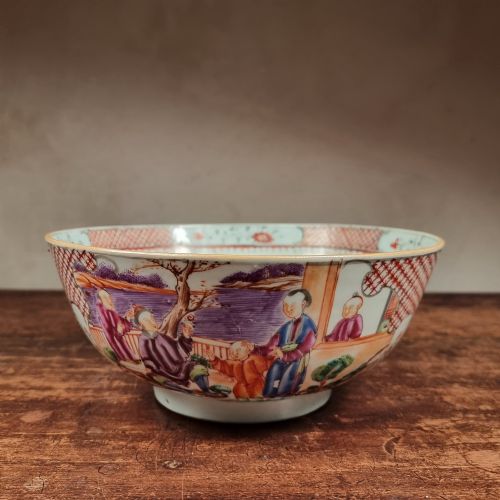
Porcelain and pottery bodies received painted enamel decoration, sometimes enhanced with gold leaf. The firing process required precise temperature control to fuse the vitreous glass powders to the metal or ceramic surfaces.
Antique Asian Enamel Bowl Retail Price Guide 2026
Typical asking prices for asian enamel bowl among the pieces listed under this phrase on Sellingantiques today, from the lower quarter to the upper quarter. They describe what is for sale here now, not the wider market.
Shrimps and clamshells swim across nineteenth-century metalwork and ceramic dishes.
What varies in quality
The standard of an antique asian enamel bowl depends on the precision of the wirework and the clarity of the colour fields. Skilled artisans achieved thin, uniform wire cells and smooth, polished enamel surfaces free from excessive pitting or cloudiness.
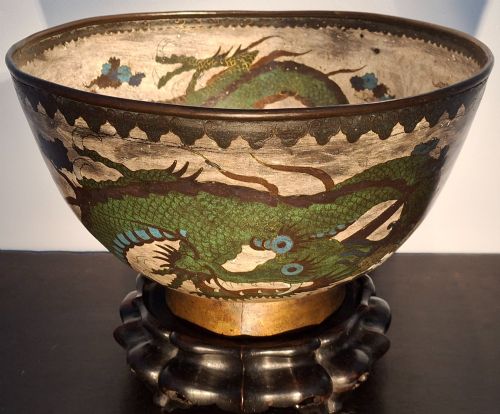
Compositional balance and the complexity of motifs distinguish finer examples from standard production pieces. Elaborate depictions of dragons, birds, or floral details executed with careful tonal shading indicate higher workshop proficiency.
Kozan·Louis Pierre Malpass
The Antique Asian Enamel Bowl Glossary
- Cloisonne
- A metalworking technique where thin flat wires are soldered on edge to a metal base to form compartments for enamel paste. These wire outlines define the pattern before the piece is fired and polished.
- Meiji Period
- The era in Japanese history spanning from 1868 to 1912, characterised by rapid modernisation and the flourishing of decorative arts for export. Pieces from this time often display highly intricate enamel and ceramic designs.
- Imari
- A style of Japanese porcelain featuring underglaze blue and overglaze red, gold, and other colours. These wares were widely produced in Arita for both domestic use and international trade.
- Champleve
- An enamelling technique where troughs or cells are carved or cast directly into a metal surface to hold the coloured glass paste. This differs from cloisonne, which relies on soldered surface wires.
- Plique-a-jour
- A vitreous enamelling technique where the enamel is applied within a network of wire cells without a backing metal, allowing light to shine through the translucent material like stained glass.
Antique Asian Enamel Bowl: Frequently Asked Questions
How do I clean an antique enamel bowl?
Dust the surface gently with a soft, dry cloth to remove everyday particles. Avoid using water, abrasive cleaners, or chemical solvents, which can damage aged metal and historic enamel surfaces.
Keep the vessel away from direct sunlight and high humidity to prevent oxidation of the base metal. Handling the piece with clean hands protects the polished finish over time.
Were these bowls used for food?
Many decorative bowls and dishes served primarily as display items, scholar's desk accessories, or presentation pieces rather than tableware. Lidded jars and planter pots fulfilled specific domestic and horticultural functions within East Asian interiors.
Export pieces were often bought by Western collectors specifically for decorative placement on furniture. Examining the interior glaze wear helps determine if a vessel held dry goods or liquids.
What does a lidded pedestal bowl indicate?
Lidded pedestal bowls generally held valued substances, offerings, or dry items within traditional households. The raised foot elevates the vessel, giving it a formal presence on a table or altar.
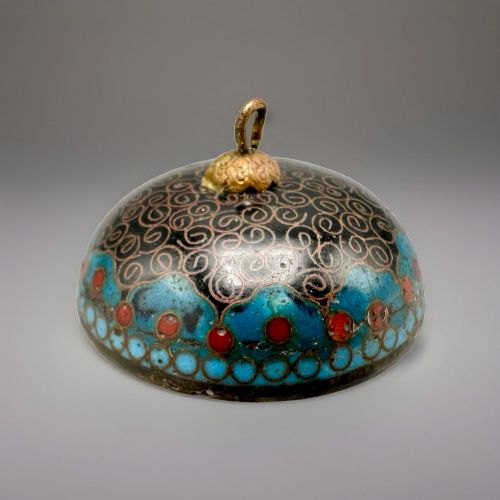
Surviving covers complete the original silhouette and protect the contents from dust. Matching the wear patterns on both lid and bowl confirms they belong together.