




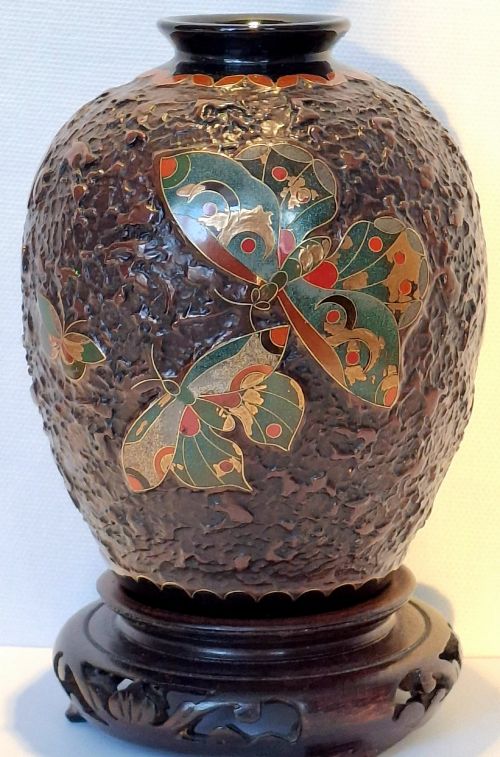
Japanese Art Enamelware
Japanese art enamelware brings intricate metalwork and vitreous colour to a room, offering the meticulous craft of Meiji and later periods.
Japanese Art Enamelware
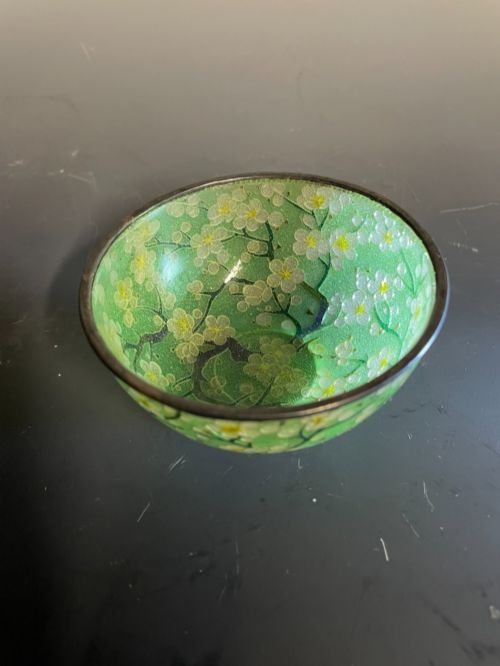
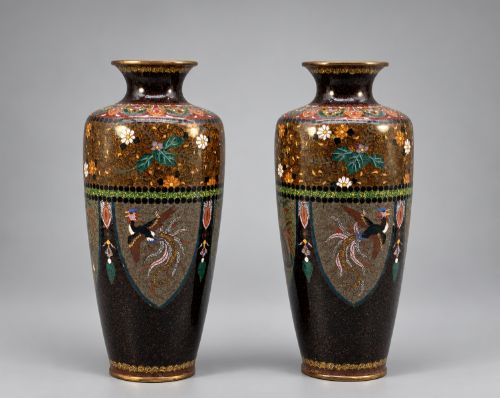
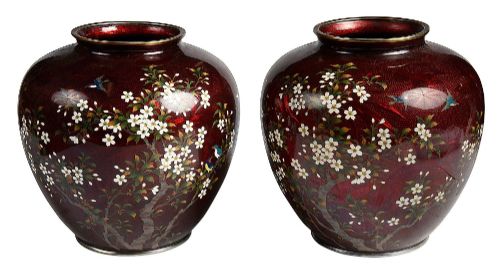
Japanese art enamelware encompasses decorative vases, ginger jars, and wall plates produced across the Meiji, Edo, and Showa periods. Buyers searching for japanese art enamelware will encounter pieces formed from copper, brass, and bronze, decorated with vitreous enamel.
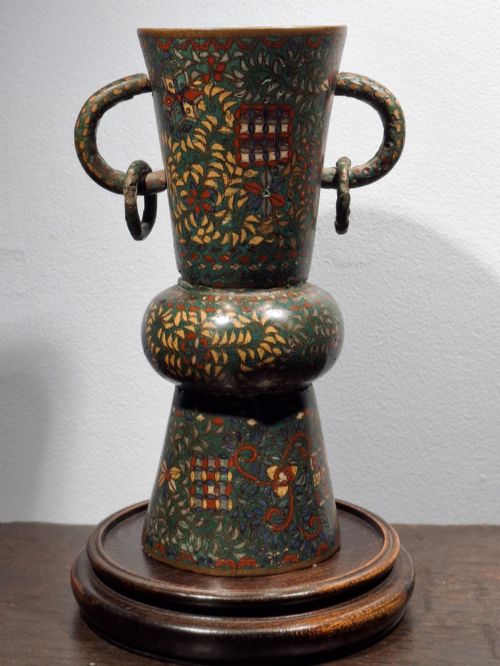
The selection ranges from miniature ritual vases and lidded gourd pots to large decorative plates and chargers. Many examples date from the late nineteenth century, reflecting the detailed aesthetic of the Meiji period.
Materials and construction
These objects utilise metal bases such as copper, brass, and bronze, shaped into vessels and plates before receiving decoration. Artisans applied cloisonné enamel and silver foil to build up intricate patterns and surface textures.
Specialised techniques include plique-à-jour, totai shippo, and the kintsugi method, which integrate wirework and vitreous pastes. Firing and polishing completed the process, creating smooth or textured finishes such as simulated tree bark.
Japanese Art Enamelware Retail Price Guide 2026
Typical asking prices for japanese art enamelware among the pieces listed under this phrase on Sellingantiques today, from the lower quarter to the upper quarter. They describe what is for sale here now, not the wider market.
Assessing quality and execution
Quality in japanese art enamelware lies in the precision of the metal wires and the uniformity of the vitreous enamel filling. Finer examples display intricate subject matter, such as samurai figures or phoenix motifs, rendered with sharp definition.
The complexity of the technique distinguishes standard production from exceptional work. Pieces employing demanding methods like plique-à-jour or detailed totai shippo demonstrate greater technical ambition.
Tamura Yukio
The Japanese Art Enamelware Glossary
- Cloisonné enamel
- A metalwork technique where thin metal wires are soldered to a base to create cells, which are then filled with vitreous enamel paste and fired. This method defines many traditional decorative vessels.
- Plique-à-jour
- An enamelling technique resembling stained glass, where the enamel is fired in open cells without a backing metal, allowing light to pass through. It creates a translucent effect in bowls and vessels.
- Totai shippo
- A method involving enamel applied over a base other than solid metal, such as a ceramic or a textured ground like tree bark. It produces distinct tactile and visual qualities.
- Kintsugi
- The Japanese art of repairing broken pottery or objects with a lacquer dusted or mixed with powdered gold, silver, or platinum. In enamelware, it highlights specific surface repairs or decorative accents.
- Ginger jar
- A wide-mouthed, lidded jar originally used for storing spices, later adopted as a decorative form in Japanese metalwork and ceramics. They appear frequently in pairs on this page.
Japanese Art Enamelware: Frequently Asked Questions
What is Japanese art enamelware?
Japanese art enamelware consists of decorative metal objects, such as vases, jars, and plates, decorated with fired vitreous pastes. These pieces showcase detailed pictorial designs and intricate wirework.
Production spans multiple eras, with a strong representation of nineteenth-century Meiji craftsmanship. The category includes diverse forms from miniature vessels to large chargers.
How were cloisonne vases made?
Artisans formed vessels from copper or bronze and soldered thin metal wires onto the surface to outline the design. The resulting cells were filled with coloured enamel and fired multiple times.
After firing, the surface was ground down and polished to create a smooth finish where the metal wire outlines remained crisp against the enamel.
Where should I display enamel plates?
Wall plates and chargers suit display on sturdy plate hangers or dedicated wall mounts in rooms with controlled light. This positioning protects the delicate enamel surface from accidental knocks.
Smaller vases and lidded jars sit well on stable wooden surfaces, away from direct sunlight which can affect ambient display conditions.
How do I date Meiji period enamelware?
Dating relies on stylistic markers, materials, and specific historical periods associated with Japanese manufacturing. The Meiji period covers the late nineteenth and early twentieth centuries.
Evidence of traditional techniques, specific workshop signatures, and material compositions help distinguish pieces from earlier Edo or later Showa examples.