






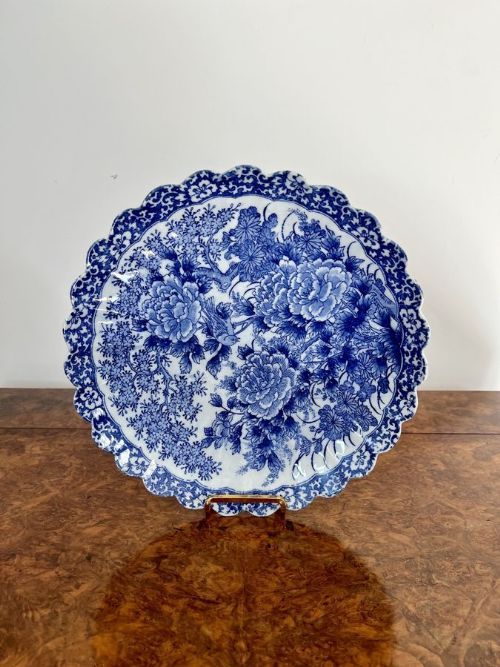

Meiji Floral Porcelain Plate
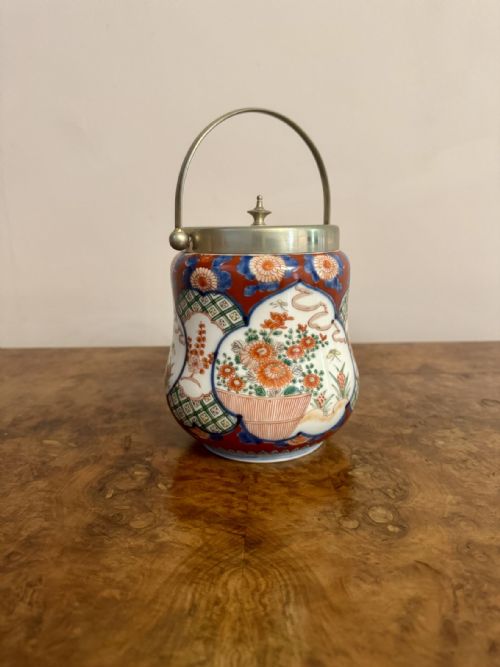
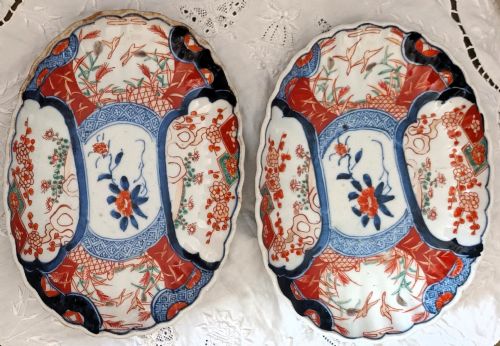
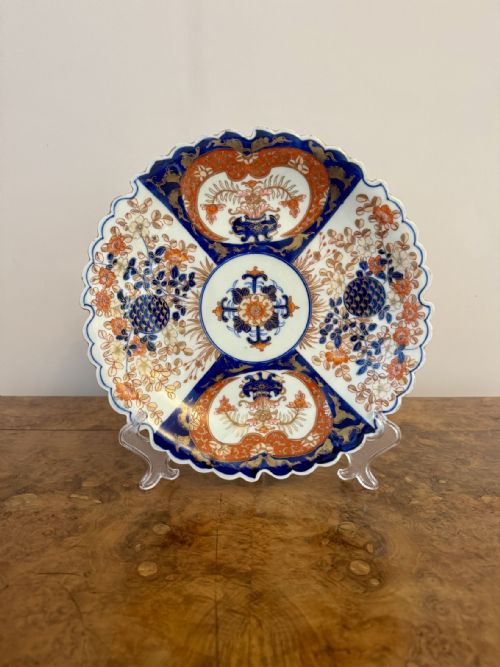
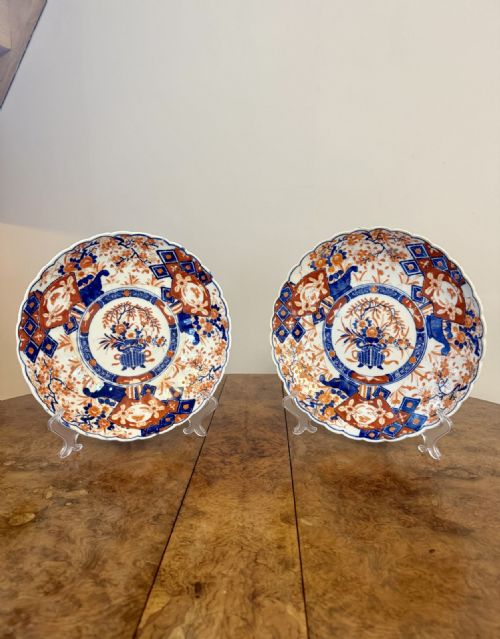
These meiji floral porcelain plate pieces are hand-painted Japanese chargers and dishes designed for display, offering rich traditional aesthetics to collectors.
Meiji Floral Porcelain Plate
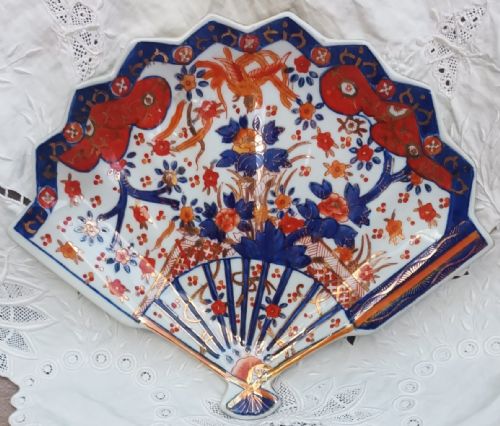
When you search for a meiji floral porcelain plate, you encounter decorative chargers, wall plates, and display dishes originating from Japan during the nineteenth and early twentieth centuries. These forms span standard round plates, scalloped edges, hexagonal formats, and square shapes intended for visual impact.
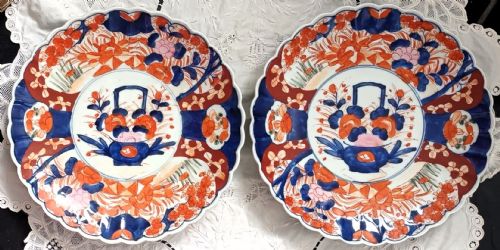
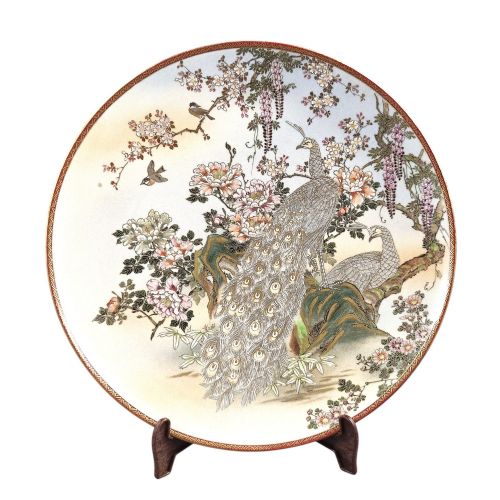
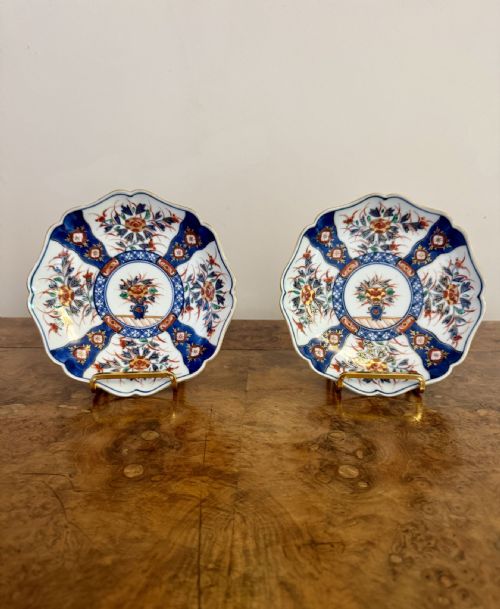
The pieces on this page heavily feature Japanese Imari and Arita styles, alongside specific Satsuma moriage examples depicting birds and botanicals. Such ceramics served as decorative showpieces in Victorian homes and continue to function as striking wall or cabinet displays today.
How they were made
Artisans formed these vessels from porcelain, applying cobalt underglaze pigments and coloured enamels by hand before firing. Many examples incorporate gilding, gold leaf, and intricate glaze work to highlight floral and avian motifs.
The manufacturing process combined precise throwing or moulding with detailed hand-painting, resulting in textured moriage elements and complex geometric or naturalistic borders across chargers and dishes.
Peacocks and wisteria frequently share surface space with geometric borders, proving that Meiji artisans knew how to throw a proper visual garden party.
What varies in quality
The standard of painting differentiates standard production from exceptional works, visible in the precision of brushwork and the complexity of the floral and bird compositions. Crispness in the cobalt underglaze and the lavishness of the gold leaf application elevate certain chargers above others.
Form and scale also dictate the hierarchy, with large chargers, unusual square or hexagonal geometries, and matching pairs commanding greater visual presence than standard single plates.
The Meiji Floral Porcelain Plate Glossary
- Imari
- A style of Japanese porcelain decorated in underglaze blue, iron red, and gold. This palette creates a vibrant contrast characteristic of the pieces found on this page.
- Charger
- A large decorative plate intended for display rather than service. These substantial vessels often anchor a room's aesthetic.
- Moriage
- A type of raised slip decoration used on Japanese ceramics. It adds a tangible, three-dimensional texture to motifs like peonies and wisteria.
- Arita
- The Japanese town and surrounding region long associated with porcelain production. Wares from this area form the backbone of many collections.
- Cobalt underglaze
- A blue pigment applied to the raw ceramic body before glazing and firing. This technique ensures the colour remains permanent and sharp beneath the glossy surface.
Meiji Floral Porcelain Plate: Frequently Asked Questions
How do I hang a heavy charger?
Large chargers require robust, coated wire spring hangers that distribute the weight evenly across the rim. Ensure the wall fixing is secured directly into a stud or uses a proper masonry plug.
Avoid displaying these heavy porcelain pieces in high-traffic hallways where accidental contact might dislodge them from the wall.
Can I use these plates for food?
Antiques from this period generally serve decorative purposes rather than daily dining. Historic glazes and gold leaf applications can wear or contain trace elements unsuitable for modern food consumption.
Enjoy these dishes safely in display cabinets, on plate stands, or mounted securely on walls.
How do I date these pieces?
Dating relies on stylistic markers, potting characteristics, and the historical context of the Meiji period and late Victorian era. Examining the foot ring and the depth of the cobalt underglaze provides additional clues regarding age.
Comparing individual brushwork patterns against established stylistic timelines helps narrow the decade of production.