



Meiji Era Ceramics
These meiji era ceramics bring extraordinary hand-painted detail and rich Satsuma, Imari, and Kutani traditions straight into a room.
Meiji Era Ceramics
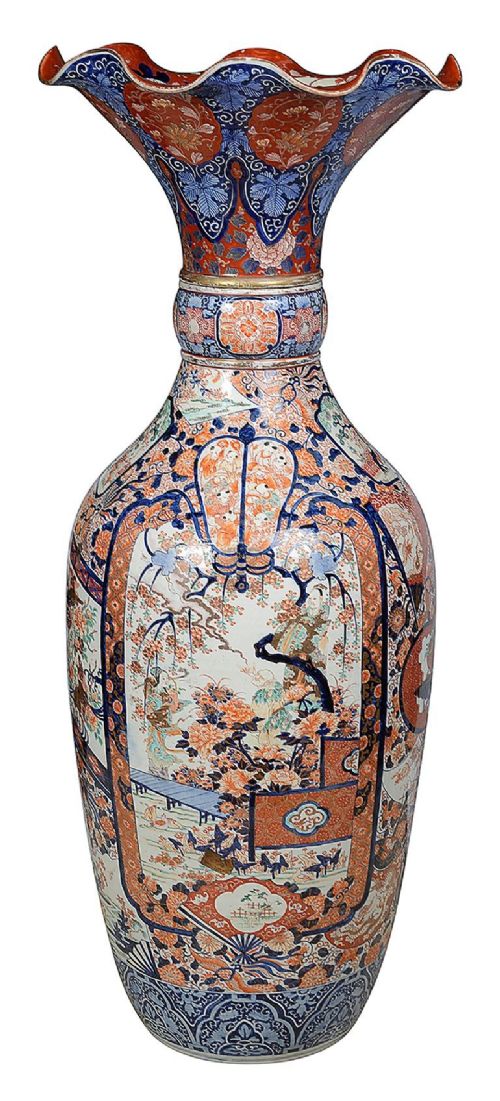
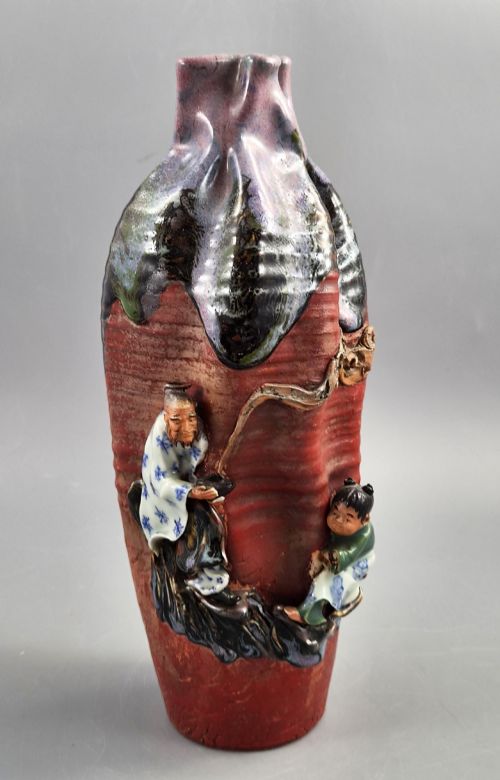
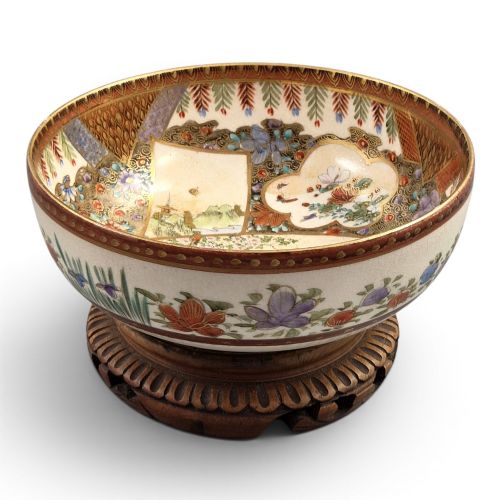
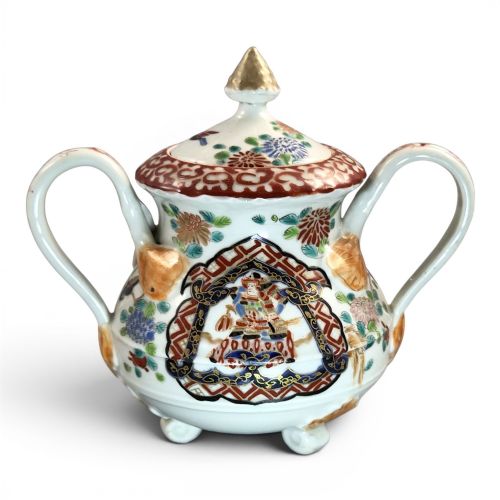
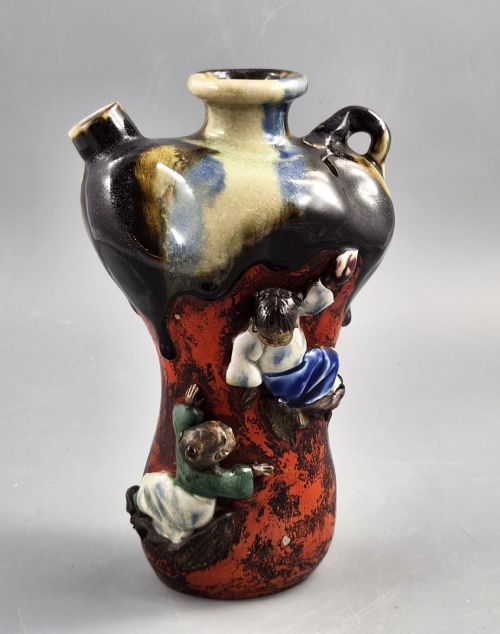
Vases and decorative bowls dominate the available forms, often featuring elaborate hand-painted scenes of samurai, figures, and natural motifs. Alongside these larger display pieces, collectors find smaller items such as miniature incense burners, sugar bowls, and animal figures like mandarin ducks and lion dogs.
The aesthetic bridges traditional craftsmanship with the opening of Japan to Western markets during the nineteenth century. Pieces range from robust Imari porcelain to finely crackled Satsuma earthenware and sculptural Bizen pottery.
Materials and Technique
Potters utilised earthenware and porcelain as foundational bodies, shaping them into distinctive forms like garlic head vases and bamboo-handle vessels. Earthenware bodies often received intricate hand-painted designs finished with delicate enamel and gold leaf.
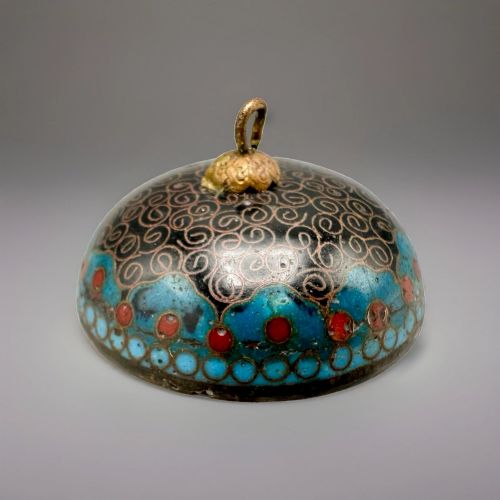
Specialised techniques distinguish these works, including the complex glazing seen in lavender flambé and the distinctive wire-free cloisonné known as totai shippo. Surface decoration frequently combined hand painting with lacquer applied over painted finishes to create tactile depth.
Listings feature works from the nineteenth century, including pieces produced around eighteen-ninety and nineteen-hundred.
Evaluating Quality
Quality rests in the precision of the hand painting and the crispness of the modelled forms, whether assessing a monumental floor vase or a miniature koro. Finer pieces demonstrate superior control over enamel application and gilding, with figures and narrative scenes rendered in sharp, deliberate detail.
The reputation of the workshop or artist dictates distinction, with signed pieces from known Kyoto makers commanding greater attention. The harmony of the overall form, from the weight of the porcelain to the subtlety of the Satsuma crackle glaze, separates standard production from exceptional artistry.
Ban-ni·Inoue Ryosai·Kozan·Fukagawa·Kinkōzan·Makuzu Kozan II·Chosei·Shuzan·Yasuda·Kotobuki-do
The Meiji Era Ceramics Glossary
- Satsuma
- Earthenware pottery originating from the Satsuma domain, characterised by a fine ivory-coloured crackle glaze and elaborate enamel and gilt decoration. It became immensely popular for export during the nineteenth century.
- Imari
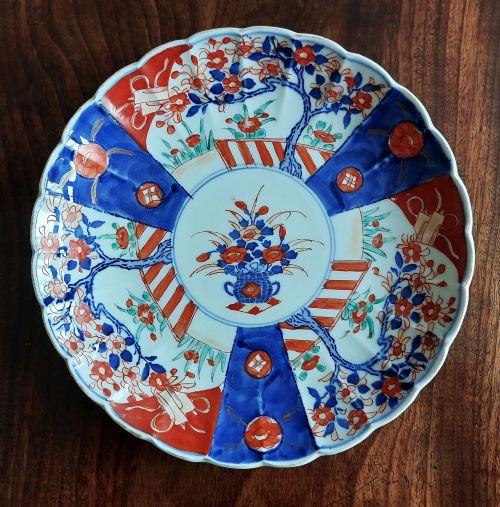
- A style of Japanese porcelain named after the port from which it was shipped, traditionally decorated in underglaze blue, iron red, and gold. These wares are noted for their bold, decorative patterns.
- Kutani
- Japanese porcelain known for its vibrant colour palettes, particularly rich greens, blues, yellows, and purples. Pieces often feature dense pictorial scenes covering the surface.
- Okimono
- A small Japanese ornamental carving designed for display on a shelf or in a tokonoma alcove. They depict animals, figures, or legendary subjects with great sculptural detail.
- Totai shippo
- A form of cloisonne enamel where the metallic body is removed or made of a transparent material, leaving a translucent vessel. This technique creates a distinctive bark-like or light-permitting texture.
Meiji Era Ceramics: Frequently Asked Questions
What defines Satsuma ware?
Satsuma ware is a distinct type of Japanese earthenware featuring an ivory-coloured body covered in a fine network of decorative crackle glaze. Artisans then applied intricate hand-painted enamel designs and gold leaf over this surface.
These pieces were largely produced for export during the late nineteenth century, depicting narrative scenes with samurai, court figures, and botanical motifs.
How do Imari and Kutani differ?
Imari porcelain relies on a classic palette of underglaze blue, iron red, and abundant gold, resulting in bold and structured patterns. The style originated from the port of Imari and focused heavily on symmetrical and compartmentalised designs.
Kutani porcelain, conversely, is celebrated for its striking and vivid colour spectrum, utilising deep greens, purples, and yellows. The decoration on Kutani pieces often covers the entire surface with dense pictorial narratives.
Where were these pieces displayed?
During the nineteenth century, these ceramics were created primarily for Western export and domestic display in parlours and drawing rooms. Large floor vases and garnitures stood in prominent reception areas to showcase the owners' refined taste.
Smaller items like incense burners, sugar bowls, and decorative dishes were placed on cabinets or tables where guests could inspect their hand-painted details up close.
How should I care for antique ceramics?
Display these delicate earthenware and porcelain pieces away from direct sunlight to preserve the vibrancy of the hand-painted enamels and gold leaf. Dust them gently with a soft, dry brush rather than using any moisture or cleaning agents.
Ensure they rest on stable, vibration-free surfaces, especially taller floor vases and delicate Satsuma bowls with intricate handles or lids.