


Meiji Enamel Wall Charger
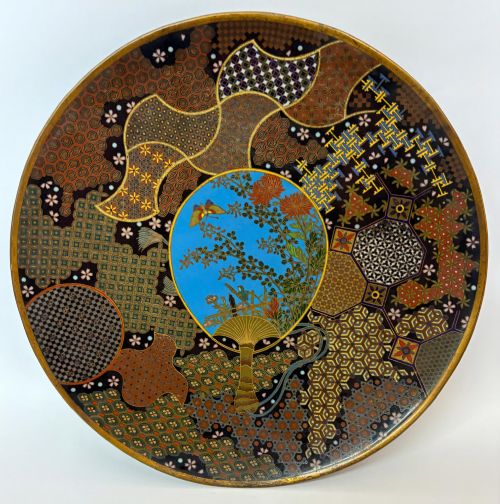
A meiji enamel wall charger brings intricate copper and brass metalwork depicting fierce dragons, phoenixes, and quiet landscapes into a room.
Meiji Enamel Wall Charger
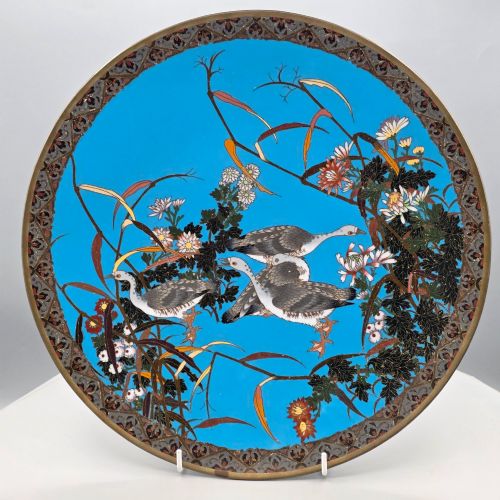
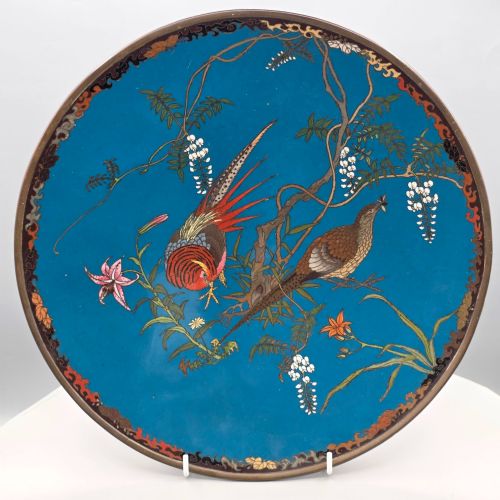
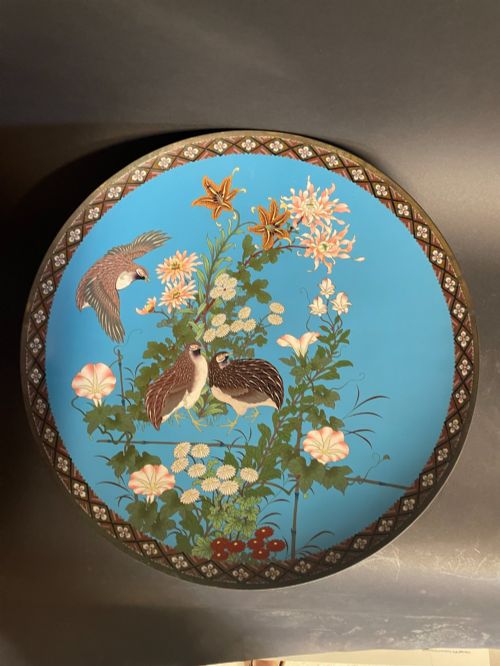
A meiji enamel wall charger serves primarily as a decorative display piece rather than tableware, meant to hang on walls or rest on stands. These substantial plates originate from Japan during the nineteenth and early twentieth centuries, spanning the Meiji period and late Edo period.
The version most commonly encountered on this page is the large cloisonne enamel charger measuring thirty centimetres or more across. These items frequently display detailed natural motifs such as geese, chrysanthemums, and leaping koi, alongside mythological subjects like dragons and phoenixes.
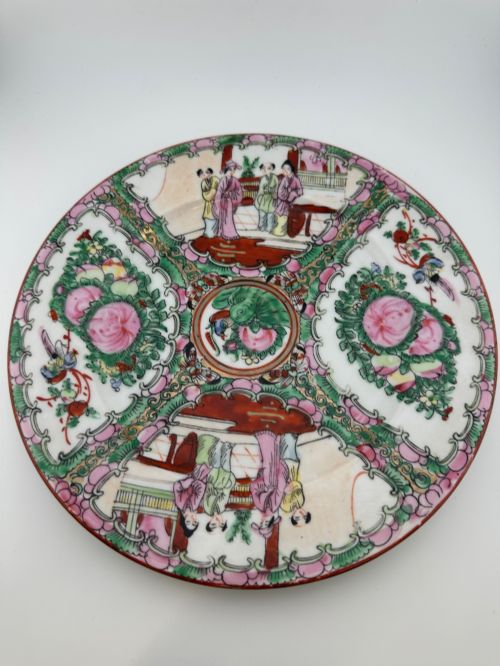
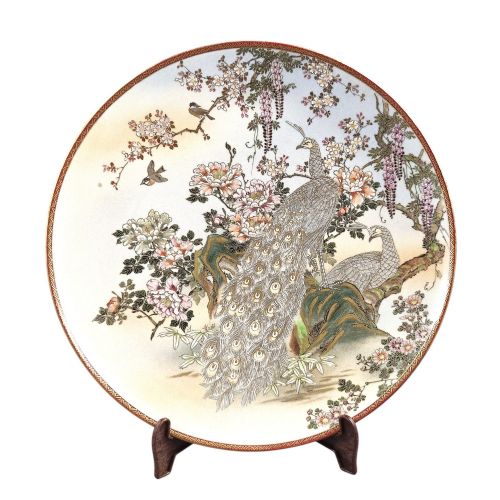
Alternative forms include porcelain plates finished with cloisonne work, known as totai shippo, as well as Satsuma wares featuring complex pictorial scenes. Workshops in regions like Nagoya contributed distinct plates depicting local landscapes and auspicious symbols.
How they were made
Artisans formed the core of each charger using beaten copper or brass, sometimes building upon porcelain bases for totai shippo pieces. Thin metal wire, often brass or copper, was soldered onto the metal surface to outline elaborate cellular patterns for the design.
Coloured enamel paste filled these wire compartments by hand before the entire piece underwent firing in a kiln to vitrify the glass powders. Successive applications of enamel and repeated firings built up the rich coloured surface, which workers then polished to a smooth finish.
Current listings feature pieces predominantly from the Meiji period, alongside examples originating in the late Edo period.
What varies in quality
The intricacy and precision of the wirework separate standard decorative items from superior examples. Master artisans placed exceptionally fine wires to delineate complex feathers, scales, and facial expressions without distortion.
Colour depth and variety across the enamel fields indicate the skill involved in mixing and firing the glass pastes. Greater mastery shows in subtle tonal gradations within landscapes and crisp contrasts between subjects and background panels.
The Meiji Enamel Wall Charger Glossary
- Cloisonne Enamel
- A technique where metal wires form small compartments on a base, which are then filled with coloured glass paste and fired. This method allows artisans to create sharply defined pictorial designs across metal surfaces.
- Totai Shippo
- A specific Japanese technique involving enamel applied over a porcelain body within wire cells. These pieces often mimic the texture of tree bark while retaining the colourful properties of traditional enamel work.
- Charger
- A large decorative plate intended for display on a wall or sideboard rather than for serving food. These substantial vessels provide a wide canvas for elaborate artistic scenes.
- Ho-o Bird
- A mythical phoenix symbolising virtue and grace, frequently depicted on nineteenth-century decorative metalwork. This creature appears with flowing tail feathers and elaborate crests.
- Mon
- A traditional Japanese heraldic badge or crest used to identify families or clans. These circular emblems appear discreetly within the borders of certain decorative plates.
Meiji Enamel Wall Charger: Frequently Asked Questions
How do I hang a heavy metal charger?
Displaying a large metal charger safely requires a robust wall bracket or a specialised spring-loaded plate hanger designed for heavy objects. Ensure the mounting hardware anchors directly into wall studs rather than plaster alone to support the weight securely.
Alternatively, a sturdy table easel or stand specifically proportioned for deep chargers allows the piece to rest safely on a sideboard or mantelpiece without wall fixings.
Were these plates used for dining?
These items served purely as decorative objects for display in Japanese interiors and export markets during the nineteenth century. The delicate wirework and vitreous enamel surfaces were not intended to withstand the friction of cutlery or daily washing.
Placing them on walls or cabinets preserved the intricate glass pastes and polished metal wires from accidental scratching and structural damage.
How should I clean my enamel charger?
Maintenance requires only a gentle dusting with a soft, dry cloth to prevent particles from accumulating in the wire crevices. Avoid using water, chemical cleaners, or abrasive polishes, as moisture can infiltrate microscopic gaps and affect the metal base.
Keeping the charger away from direct sunlight and areas of high humidity protects the coloured enamel from fading and thermal stress over time.
What does a signature on the back mean?
Signatures or maker marks stamped into the base or incorporated into the enamel design indicate the specific workshop or artist responsible for the piece. Prominent signatures often point to skilled regional producers from centres like Nagoya during the Meiji period.
Deciphering these marks requires careful comparison with known historical records, as many workshops utilised specific seals to denote their grade of craftsmanship.