


Meiji Bronze Vase
A meiji bronze vase brings metalwork from late nineteenth and early twentieth century Japan into a room, valued for its complex surface decoration.
Meiji Bronze Vase
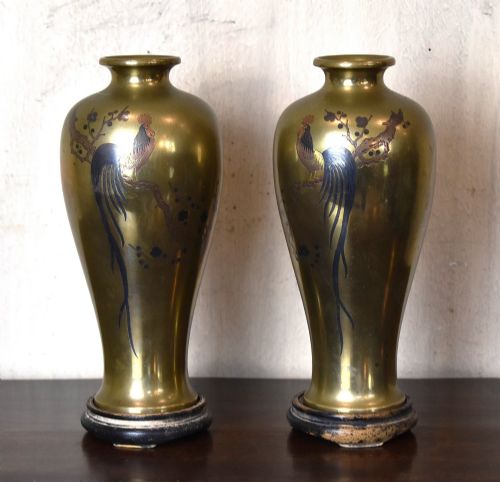
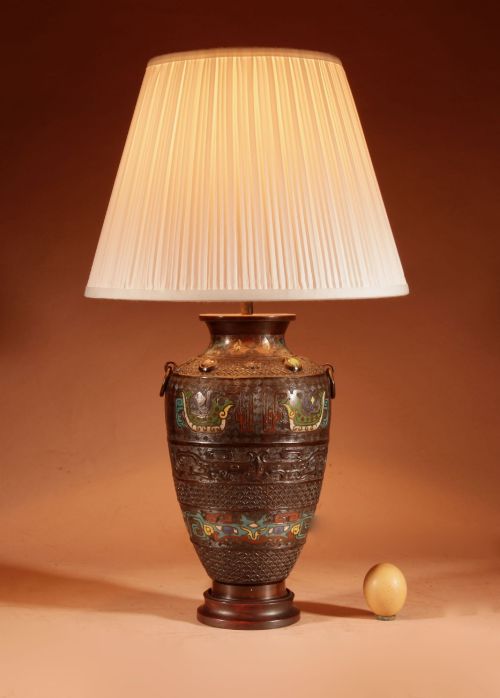
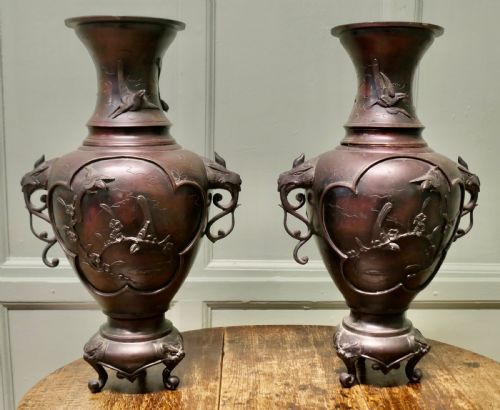
A meiji bronze vase originates from Japan during the Meiji period, spanning the late nineteenth and early twentieth centuries. These vessels appear singly or as pairs, taking forms from simple baluster shapes to monumental garden urns and table lamps.
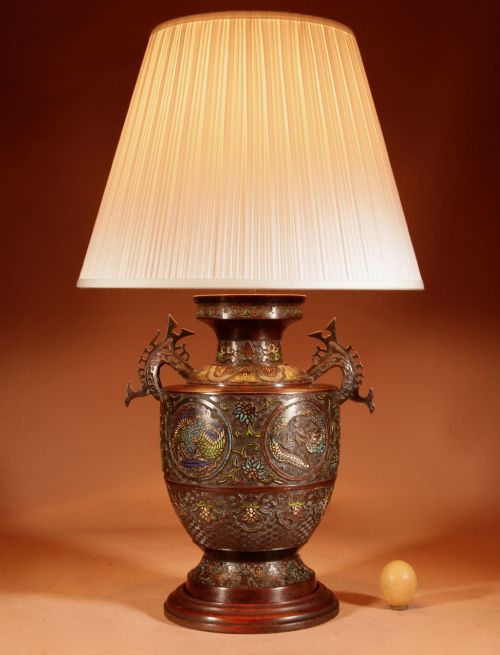
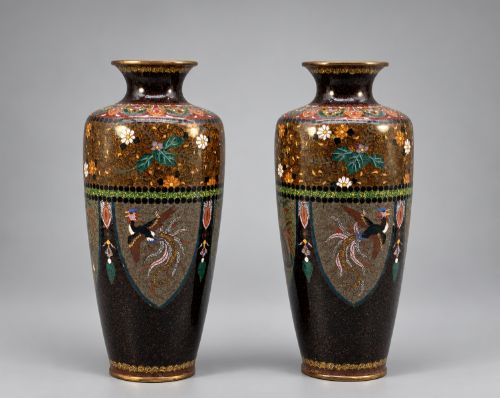
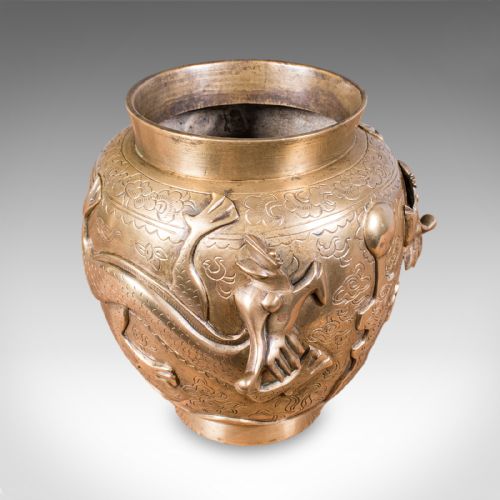
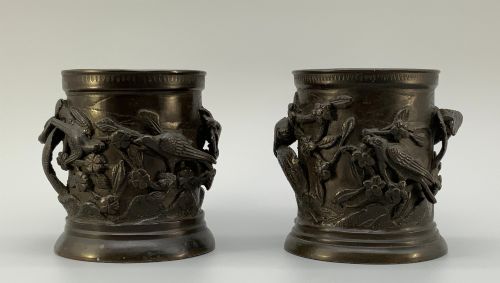
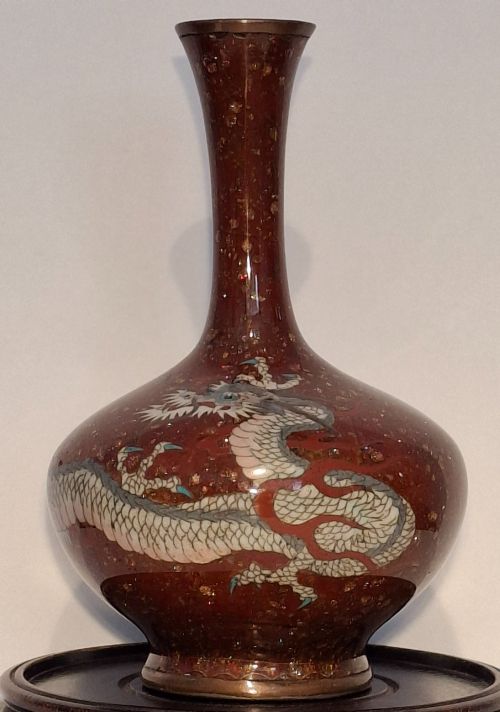
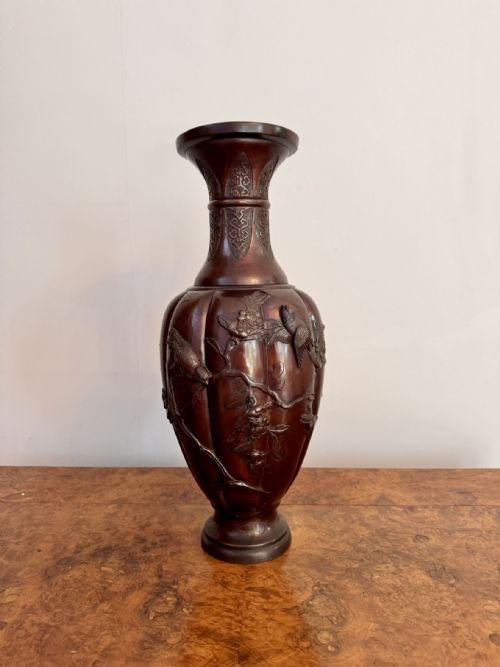
The objects frequently show natural motifs, including birds, blossom, dragons, and Mount Fuji, alongside geometric patterns. Many examples on this page date from the Victorian and Edwardian eras, reflecting British collecting tastes of the period.
How they were made
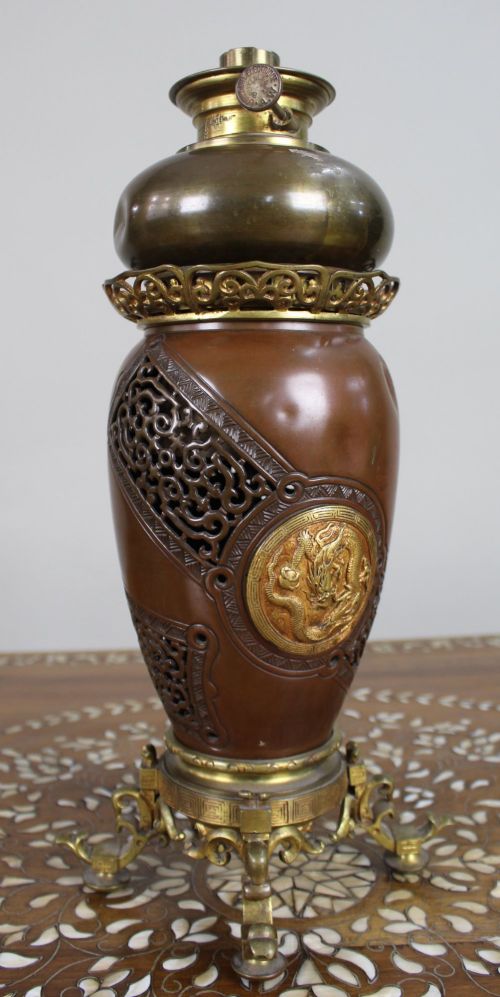
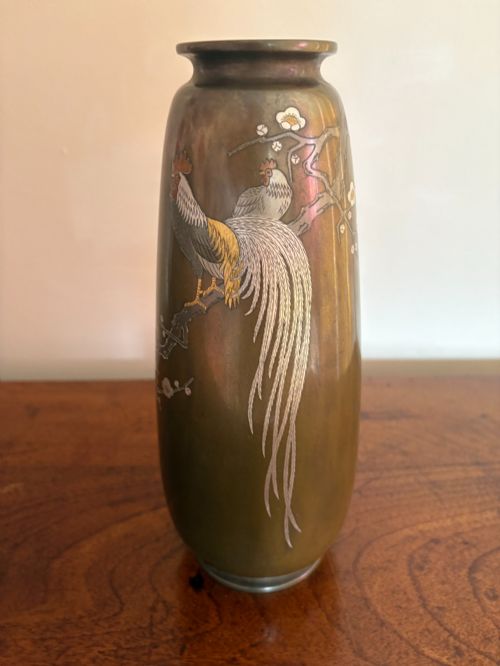
Metalworkers utilised bronze, brass, and copper, often applying a distinct dark patination to the surface. Artisans integrated silver, gold, and other metals through inlay and mixed metal techniques to create raised pictorial details of flora and fauna.
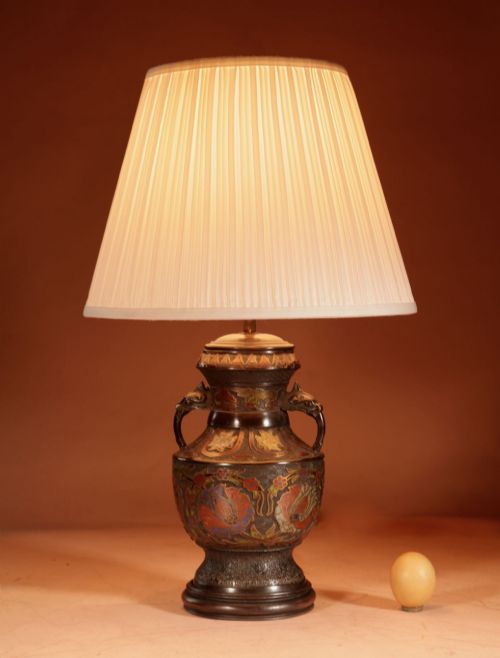
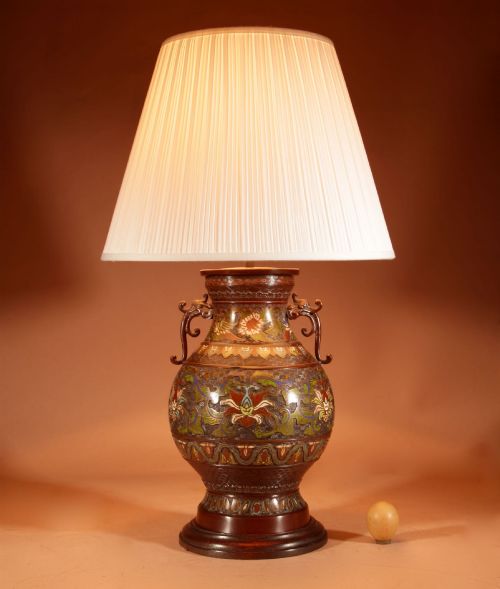
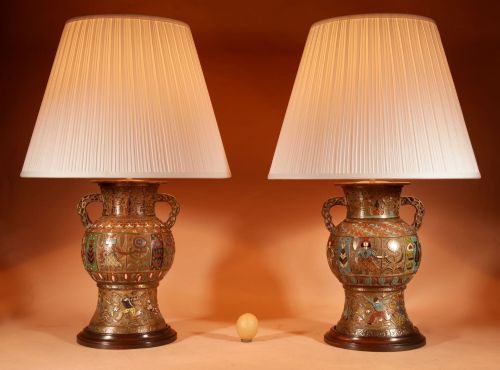
Some vessels incorporate champlevé enamel, where coloured glass paste fills recessed channels in the metal before firing. Casting methods produced twin-handled urns, bottle vases, and architectural garden vessels with high precision.
Meiji Bronze Vase Retail Price Guide 2026
Typical asking prices for meiji bronze vase among the pieces listed under this phrase on Sellingantiques today, from the lower quarter to the upper quarter. They describe what is for sale here now, not the wider market.
Listings feature items in bronze, brass, copper, and enamel, spanning the nineteenth and early twentieth centuries.
What varies in quality
The skill of the metalworker dictates the definition and depth of the chased or inlaid elements, such as birds, dragons, and landscapes. Crisp detailing in mixed metal applications and balanced patination separate standard production pieces from masterworks.
Signatures by recognised makers or schools add distinction to a vessel, alongside the physical weight and proportion of the cast bronze. The complexity of champlevé enamel work or the inclusion of silver and gold elements alters the visual richness.
KANASAWA·Oshima Joun·Takusai Honma·Nakao Munesada·Kanaya Gorôsaburô XI·Seiya·Yamamoto zo·Kosen·Inoue of Kyoto
The Meiji Bronze Vase Glossary
- Champlevé
- An enamel technique where troughs are dug into the metal surface and filled with vitreous enamel before firing. This method produces colourful decorative borders and panels on bronze vessels.
- Patinated Bronze
- Metal treated with chemicals to alter its surface colour and tone. This finish protects the bronze while providing deep brown or black backgrounds for inlaid designs.
- Mixed Metal
- The combination of different metals such as silver, gold, copper, and brass upon a bronze body. Artisans use this technique to depict contrasting natural elements like foliage and birds.
- Usubata
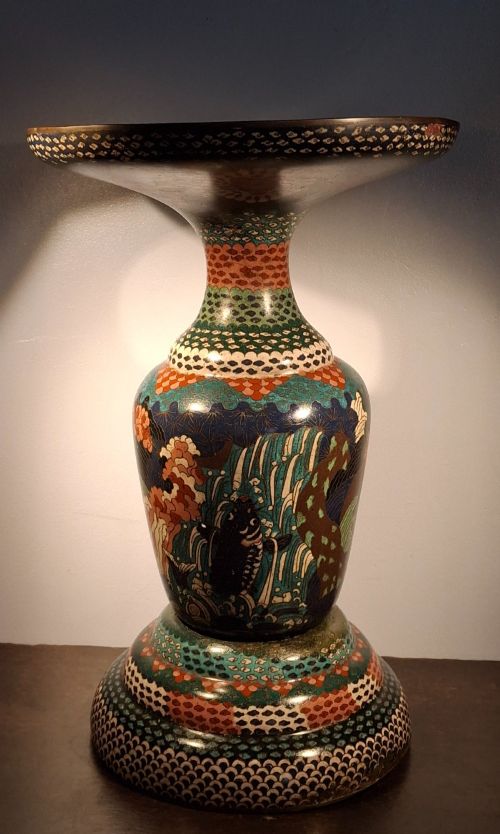
- A specific type of Japanese bronze vase designed for flower arrangements. These vessels often feature a wide basin top supported by a slender stem and base.
- Archaistic
- A style that emulates ancient ritual bronzes from earlier dynasties. These pieces borrow historical shapes and decorative motifs while retaining nineteenth-century manufacturing methods.
Meiji Bronze Vase: Frequently Asked Questions
What is a meiji bronze vase?
A meiji bronze vase is a decorative vessel cast in Japan during the Meiji period, which ran from eighteen sixty-eight to nineteen twelve. These items display traditional Japanese motifs like dragons, birds, and Mount Fuji.
Craftsmen used bronze alongside copper, brass, and enamel to create objects ranging from small cabinet pieces to large garden urns. Many found their way into British homes during the Victorian and Edwardian eras.
How were they used originally?
These vessels served primarily as decorative display items within Japanese interiors, often holding floral arrangements or standing alone on display furniture. Some specialised forms, such as usubata, were specifically made for ikebana flower display.
In Western homes, owners frequently placed them on mantelpieces or converted them into table lamps during the late nineteenth and early twentieth centuries.
How do I date a meiji bronze vase?
Dating relies on stylistic markers, manufacturing techniques, and occasional artist signatures or school marks on the base or body. The Meiji period spans from eighteen sixty-eight to nineteen twelve, aligning closely with the British Victorian and Edwardian periods.
Pieces produced later in the era often incorporate more complex mixed metal applications and western-influenced forms like table lamps.
How do I clean bronze?
Cleaning antique bronze requires minimal intervention to preserve the original patination and surface finish accumulated over a century or more. Dusting with a soft, dry cloth is usually sufficient for daily maintenance.
Avoid using abrasive metal polishes or chemical cleaners, as these can strip away the delicate patina and any gold or silver inlay applied by the maker.