

Meiji Bronze Figure
When you handle a meiji bronze figure, you hold an extraordinary Japanese sculpture forged in a period of unprecedented metalwork mastery.
Meiji Bronze Figure
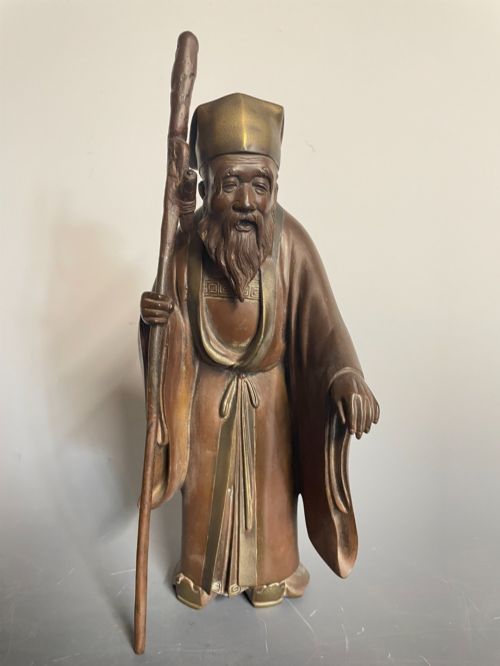
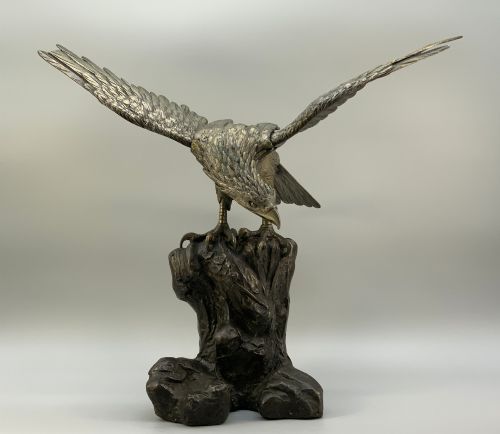
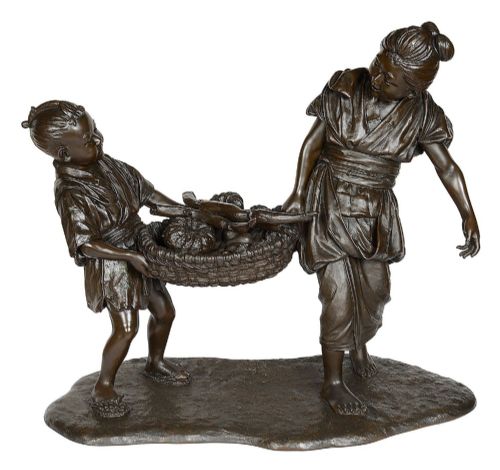
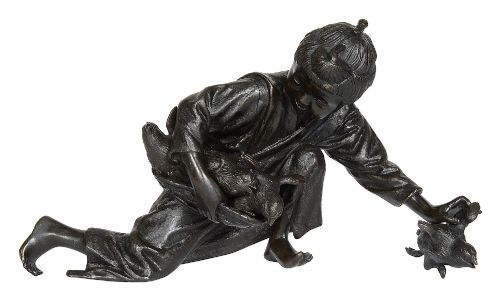
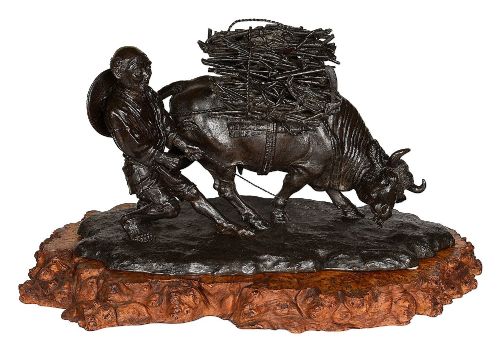
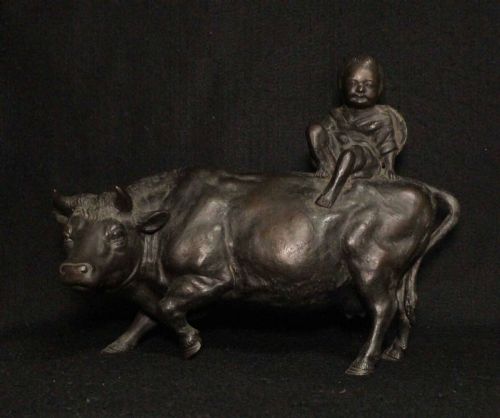
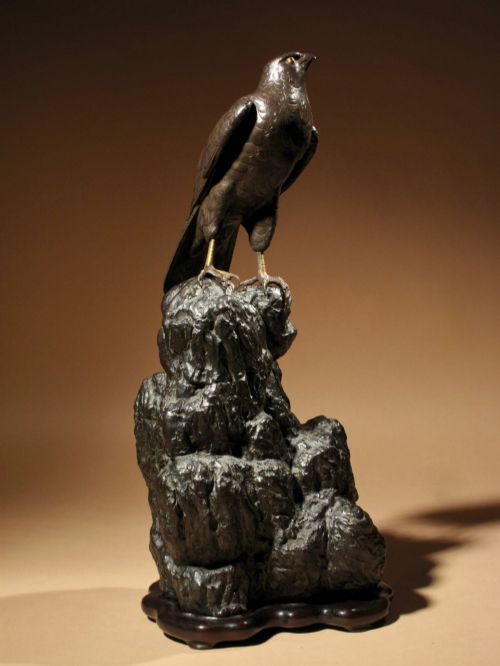
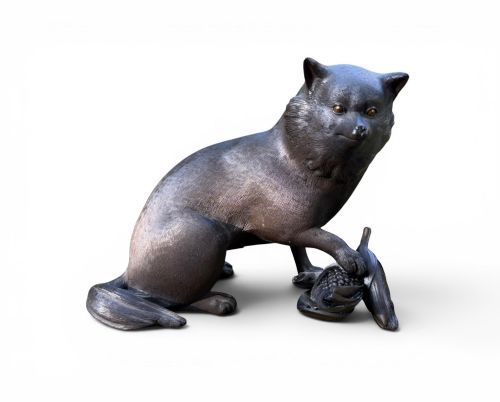
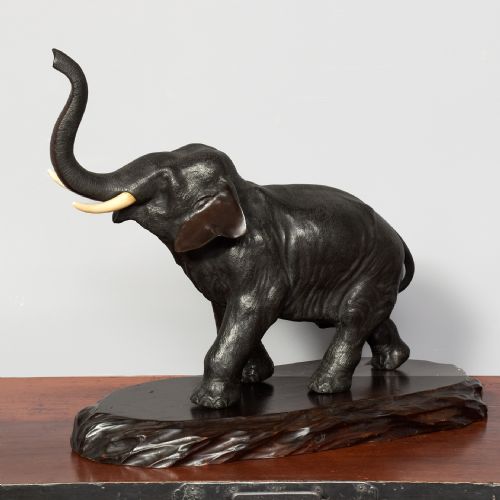
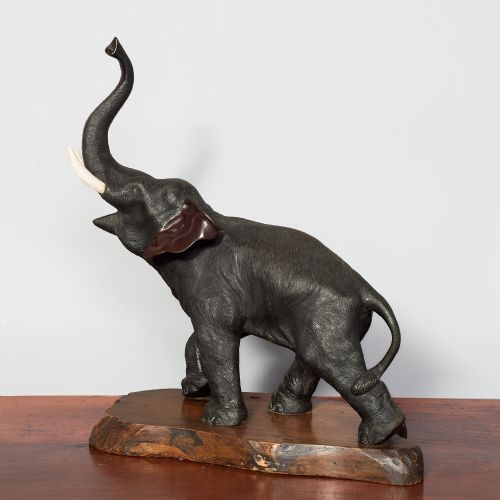
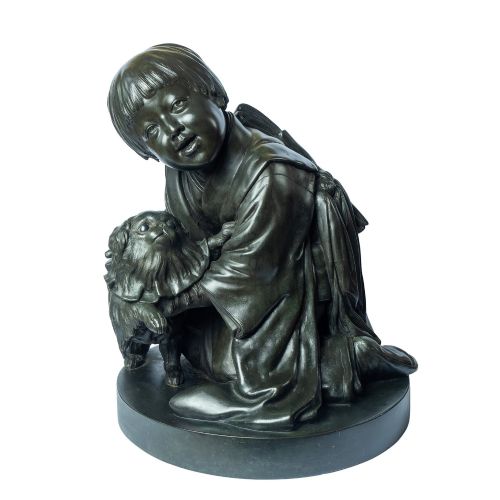
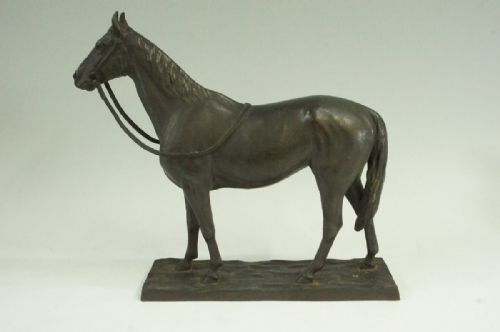
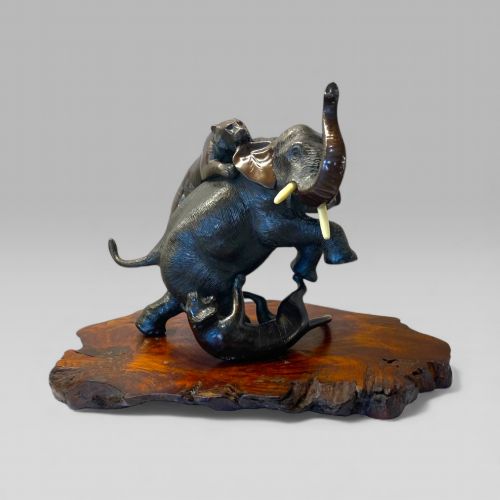
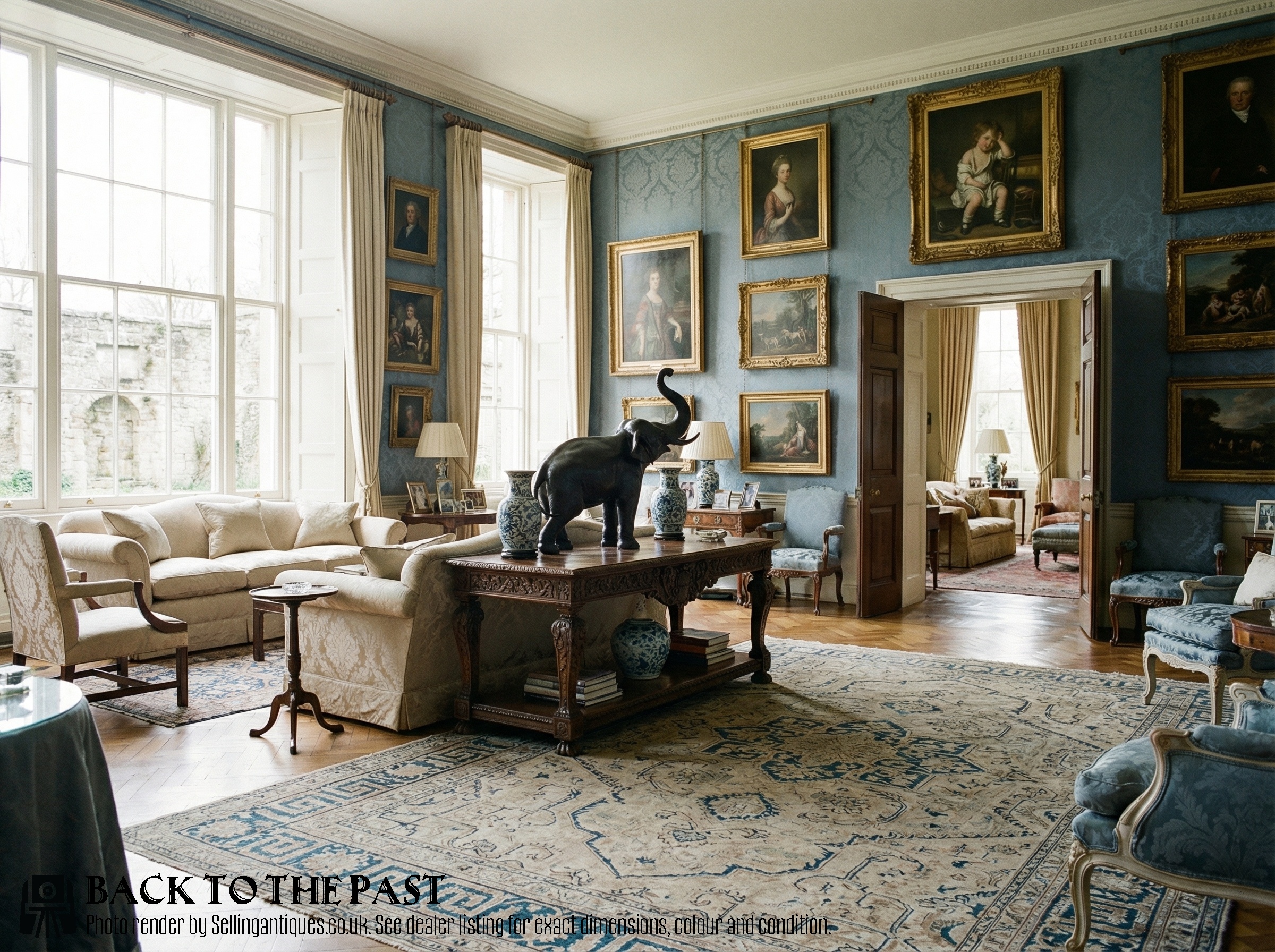
A meiji bronze figure brings sculptural presence into a room, depicting human subjects like musicians, scholars, and samurai alongside powerful animals such as elephants, tigers, and eagles.
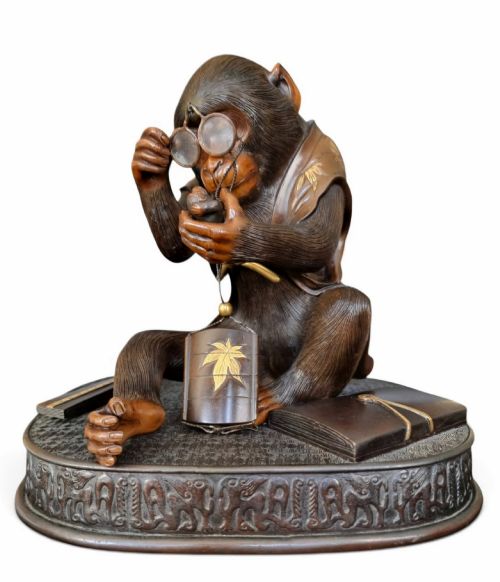
The most common examples encountered on this page are okimono, which are ornamental shelf or cabinet figures designed specifically for display during the Meiji period.
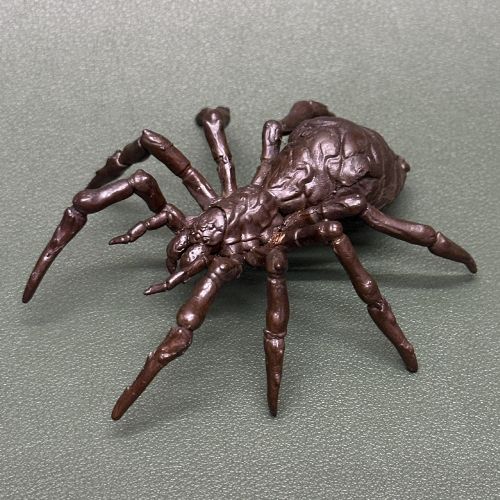
These works range from small tabletop studies of insects and puppies to large-scale garden dragons and geese, capturing both everyday scenes and mythical subjects.
How They Were Made
The primary material is cast bronze, frequently enhanced through patination to achieve deep brown, black, or metallic tones, and occasionally finished with gold inlay or parcel gilt surfaces.
Makers utilised complex lost-wax casting methods alongside articulated metal segments for creatures like centipedes, allowing joints and limbs to move naturally.
Secondary elements often incorporate wood, bone, ivory, or copper details to accent tusks, eyes, and naturalistic bases.
Listings feature items dated from 1870 to 1930, spanning the Meiji period and early twentieth century.
What Varies in Quality
The distinction between ordinary and exceptional pieces lies in the precision of the chiselling, the depth of the patina, and the realism captured in anatomy and expression.
Signed works from notable foundries or master sculptors demonstrate superior metal composition and finer surface detailing that elevates the object from a commercial casting to a true work of art.
Miyao Eisuke·Kunio Itô·Kaniya Kuniharu·Sakai Kōzan·Unno Shomin
The Meiji Bronze Figure Glossary
- Okimono
- An ornamental Japanese statue or figurine designed for display on a shelf or in a tokonoma alcove.
- Patinated Bronze
- Metal treated with chemical solutions to produce a controlled surface colour and aged appearance.
- Japonisme
- The influence of Japanese art on Western aesthetics, particularly prominent during the late nineteenth century.
- Mixed-Metal
- A decorative technique combining bronze with contrasting metals such as gold, silver, and copper.
- Jizai Okimono
- An articulated metal figure modelled after animals with fully functional joints mimicking real movement.
Meiji Bronze Figure: Frequently Asked Questions
What is a meiji bronze figure?
These pieces are sculptural Japanese metalworks created during the Meiji period, depicting animals, figures, and mythical subjects.
They served primarily as decorative okimono for interior display, reflecting the peak of Japanese metallurgical skill.
How do I care for a bronze figure?
Keep the metal clean by gently dusting with a soft dry cloth and avoid harsh chemical polishes that strip the historic patina.
Place them away from direct moisture and extreme temperature fluctuations to preserve the surface.
How can I tell a master's work apart?
Look for crisp foundry signatures, fine chiselling around feathers and fur, and complex multi-part casting techniques.
Master makers paid strict attention to the natural weight and balance of the subject.