
Mechanical Wind Watch
A mechanical wind watch is a hand-wound timepiece offering direct tactile connection to the movement through daily winding.
Mechanical Wind Watch
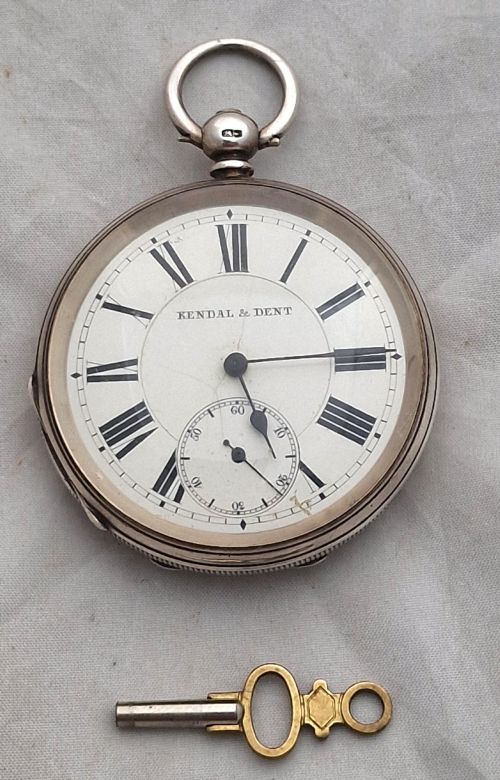
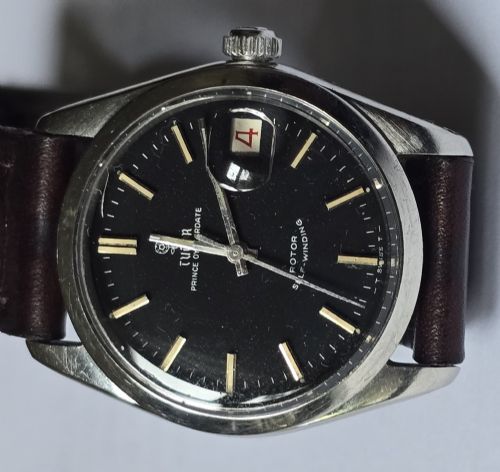
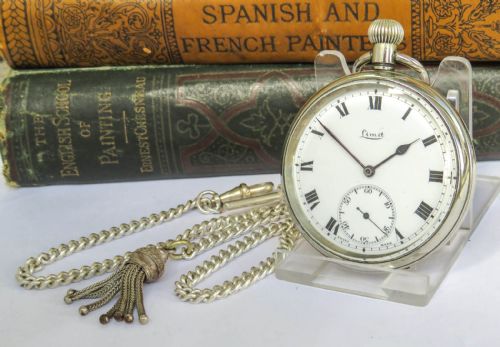
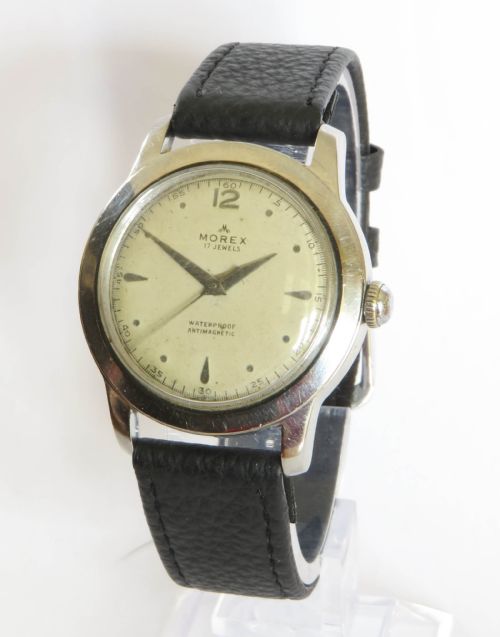
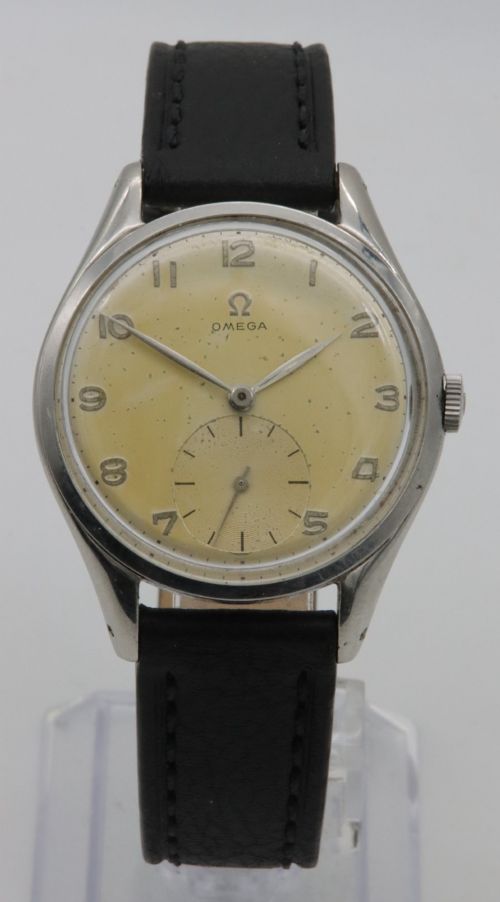
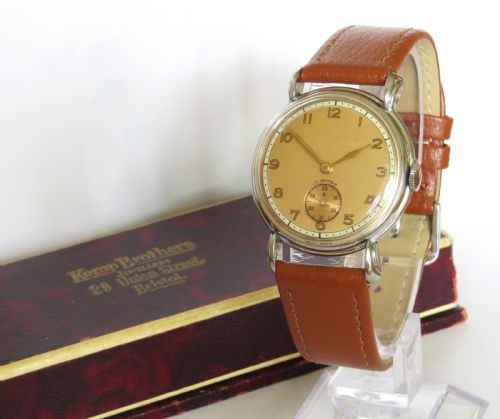
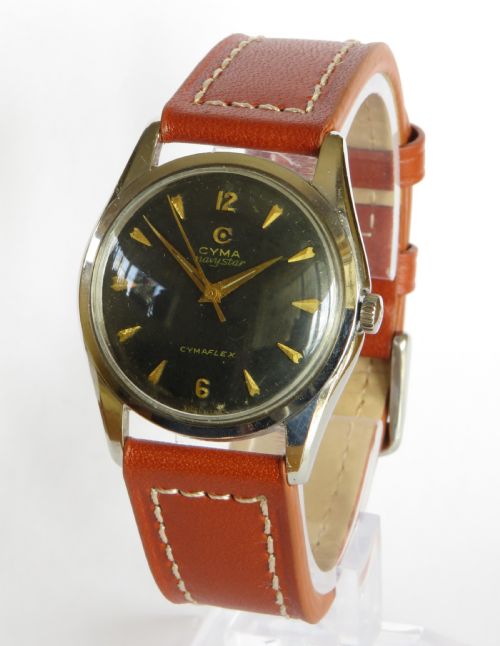
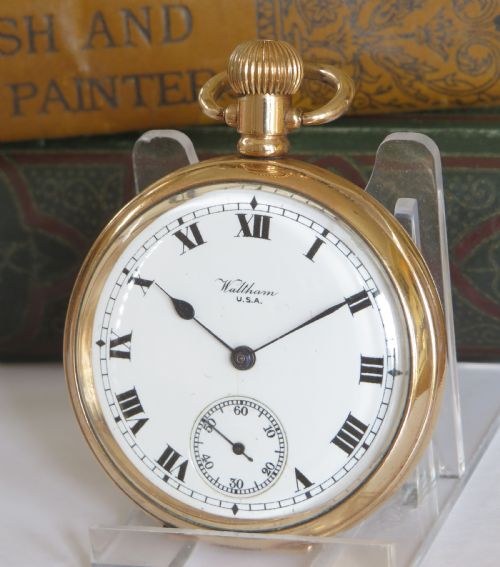
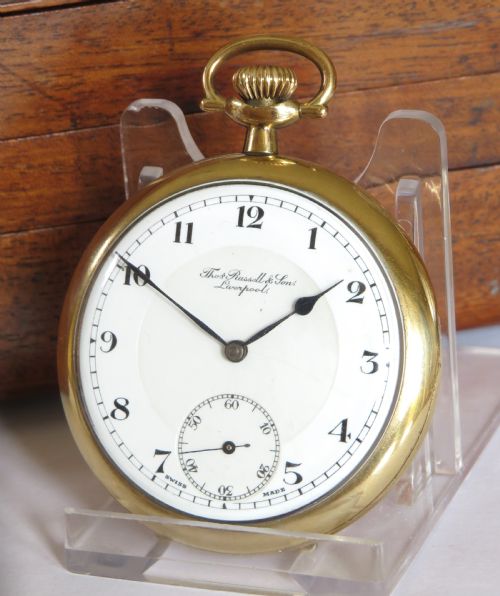
A mechanical wind watch spans eras from the Victorian period through the 1960s, encompassing pocket watches and wristwatches in styles such as Art Deco and Mid-Century Modern. Buyers seeking a mechanical wind watch will encounter pocket watches from makers like Kendal & Dent alongside mid-century wristwatches.
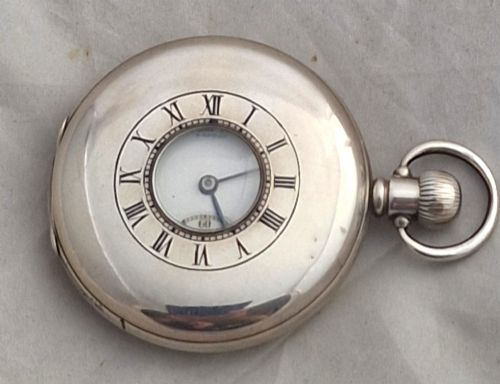
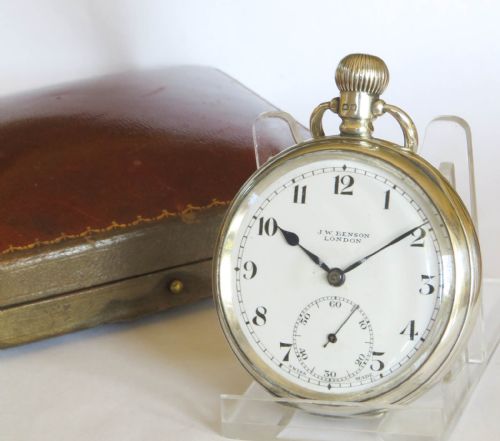
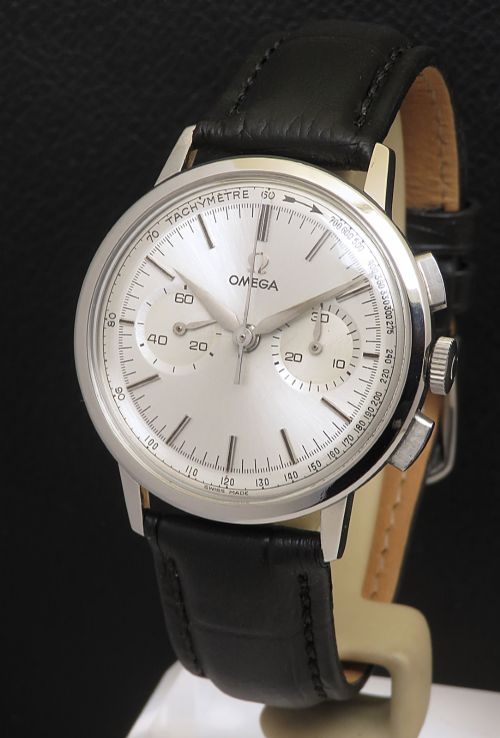
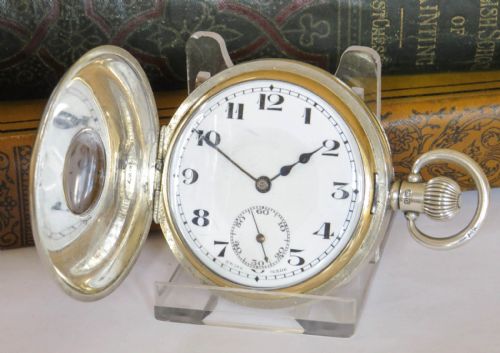
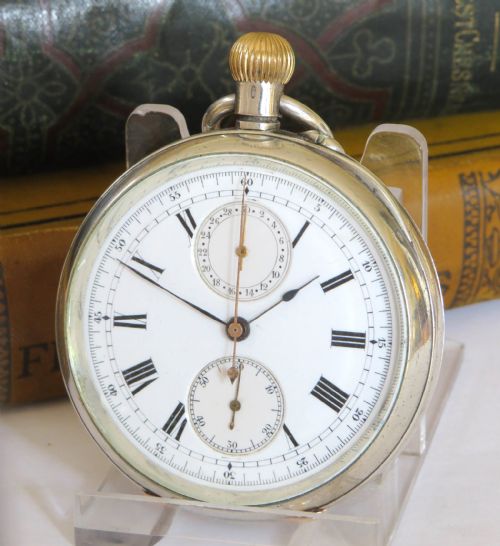
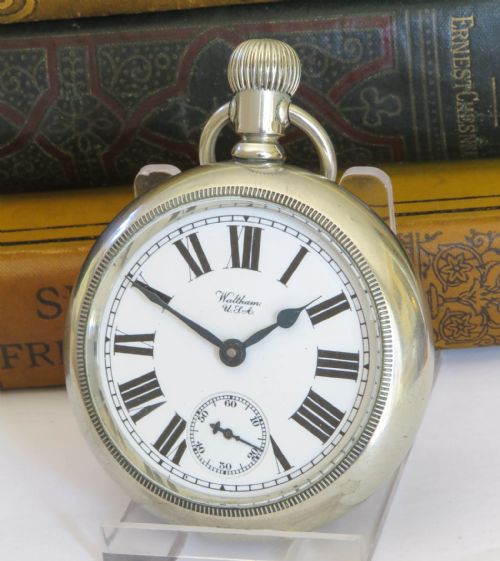
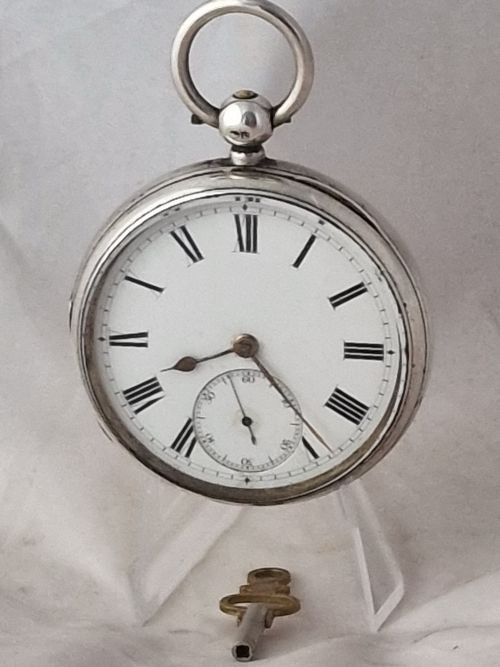
The selection ranges from early railway pocket watches to 1950s gents wristwatches and 1960s chronographs. Pieces appear in formats including full hunter, half hunter, and open face designs.
Origins stretch across British makers, Swiss houses, and American firms. Victorian fusee movements sit alongside 1930s niello cases and 1960s automatic movements.
Materials and construction
Cases utilise silver, stainless steel, brass, and gold, paired with glass or acrylic crystals and dials featuring enamel or metal finishes. Leather straps frequently accompany vintage wristwatches.
Internal mechanisms rely on intricate brass gear trains and steel springs, housed within protective metal cases designed for pocket or wrist carriage.
The listings span periods from the Victorian era through the 1960s, featuring stainless steel, silver, glass, and enamel.
Quality and craftsmanship
Finishing of the movement and complexity of the complication define the upper tier, distinguishing standard utility timepieces from chronograph and railway specimens.
Material choice, such as solid silver or gold versus base metal, alters the weight and longevity of the casing. Dial execution, including specialised railway tracks or bravingtons engravings, indicates original market placement.
Kendal & Dent·J W Benson·Omega·Cyma·Waltham·Lange & Sohne
The Mechanical Wind Watch Glossary
- Half hunter
- A pocket watch case featuring a front cover with a glass-centred aperture allowing time reading without opening the lid.
- Fusee
- A conical pulley mechanism that equalises the mainspring's torque as it unwinds, ensuring consistent timekeeping in older pieces.
- Chronograph
- A watch with a function for measuring elapsed time alongside its primary timekeeping display.
- Niello
- A black metallic alloy used to fill engraved designs on silver watch cases, common in decorative Victorian and 1930s pieces.
- Calibre
- The specific internal movement design and designation created by a watch manufacturer.
Mechanical Wind Watch: Frequently Asked Questions
How do I wind a mechanical wind watch?
Rotate the crown clockwise between your thumb and forefinger until resistance is felt, indicating the mainspring is fully tensioned.
Avoid overwinding, as forcing the crown past the resistance point can damage the internal spring mechanism.
How often should a mechanical watch be serviced?
Maintenance intervals depend on usage history, but mechanical movements generally benefit from professional oiling and adjustment every few years.
Regular servicing keeps gear trains moving smoothly and prevents wear on vintage brass components.
What is the difference between a hunter and an open face pocket watch?
A hunter pocket watch includes a hinged metal lid that protects the glass crystal from scratching and dust during daily carriage.
An open face pocket watch displays the glass crystal directly without a protective front cover.
Can I wear a vintage mechanical watch daily?
Many vintage mechanical pieces are suitable for regular wear provided they receive proper care and maintenance.
Older models lack modern water resistance and shock protection, requiring caution around moisture and impact.