


Vintage Manual Chronograph
These vintage manual chronograph watches offer mechanical timekeeping and stopwatch functions, spanning decades of horological design from the 1930s to the late 1960s.
Vintage Manual Chronograph
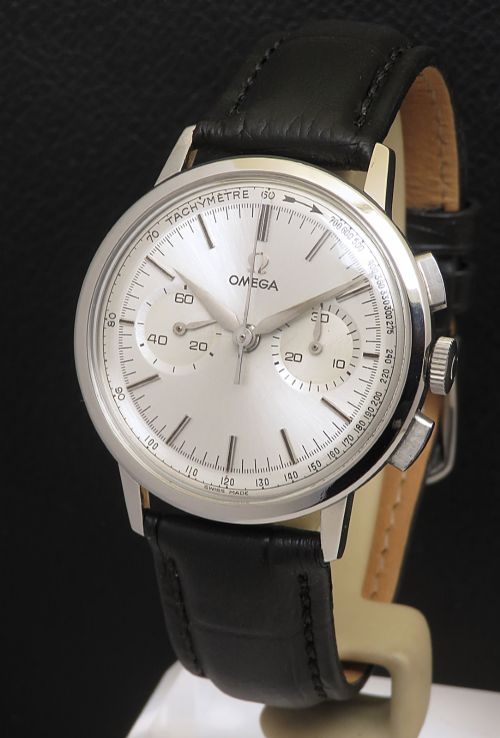
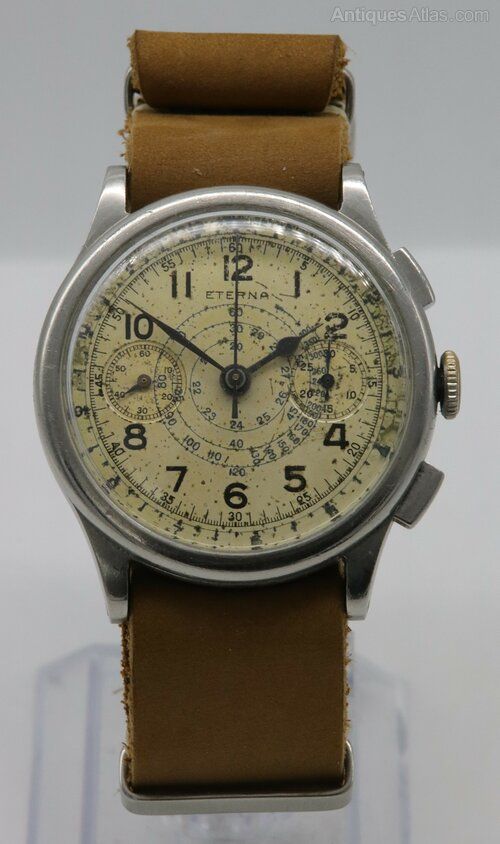
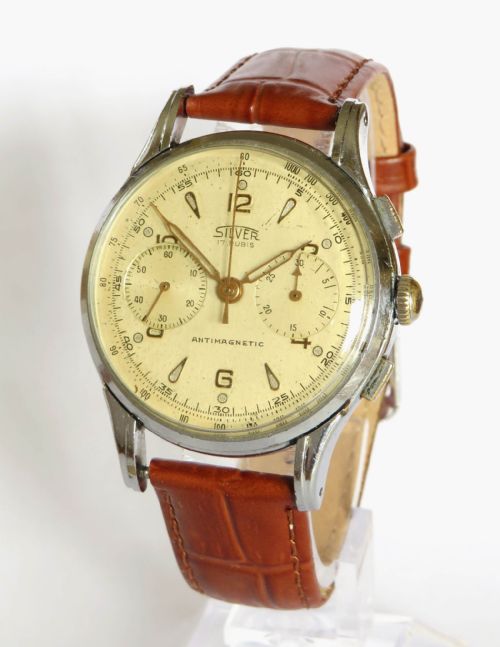
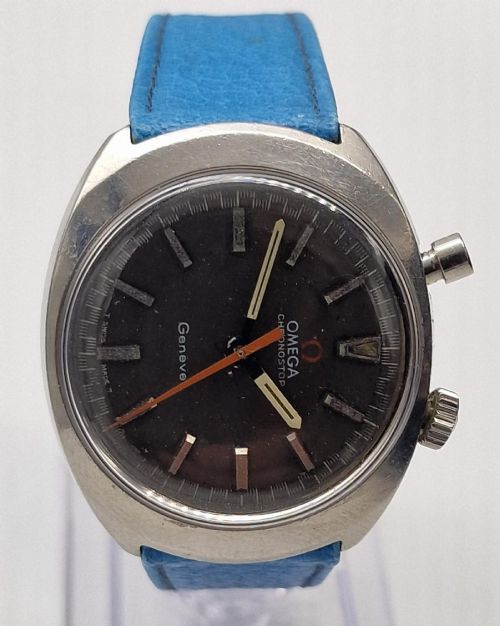
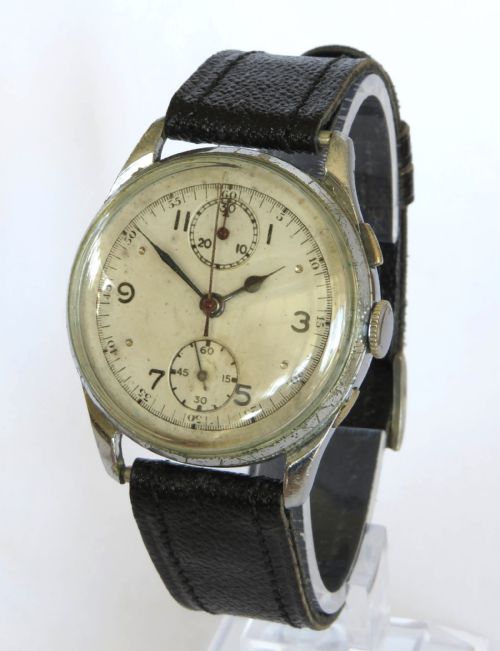
When you search for a vintage manual chronograph, you are looking at wristwatches and pocket watches designed for measuring elapsed time without an automatic winding rotor. The pieces on this page span from the 1930s through the 1940s, 1950s, and 1960s, capturing decades of mechanical development.
You will most frequently meet wristwatches from the 1960s, alongside earlier mid-century examples featuring specialised dials like the panda layout or triple date displays. Forms range from classic round stainless steel cases to square configurations and pocket watches.
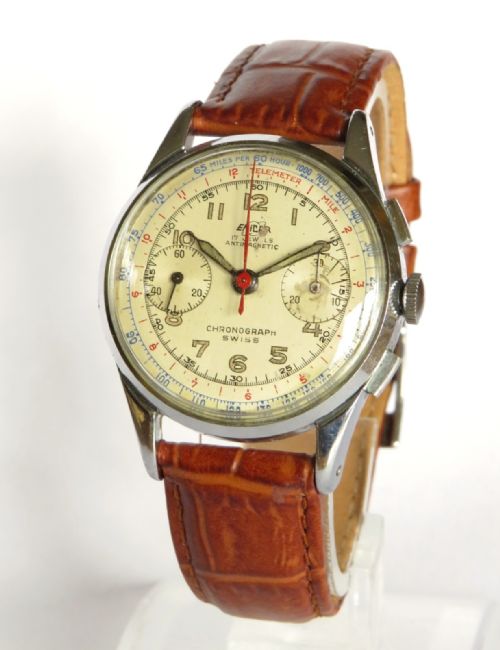
Makers represented in these selections include Omega, Breitling, Eterna, Antoremi, Venus, Enicar, Invicta, Mappin, Miramar, Chronographe Suisse, Beltane, and Mundus. Each piece reflects the horological styles of its respective decade, from Art Deco influences to mid-century aviation designs.
What varies in quality
Quality differences lie in the preservation of the original dial printing, case edge sharpness, and the complexity of the movement calibre itself. Examples featuring precious metal cases like 18ct gold or specialised complications such as split-second rattrapante mechanisms and triple date moonphases sit at the upper end of the range.
The integrity of the acrylic or glass crystal, the condition of the leather strap or original metal components, and the historical significance of specific editions or makers further distinguish individual examples.
Listings feature periods spanning from the 1930s through the 1960s, utilising stainless steel, gold plate, 18ct gold, and leather.
Omega·Breitling·Eterna·Antoremi·Enicar·Invicta·Mappin·Miramar·Chronographe Suisse·Beltane·Mundus
The Vintage Manual Chronograph Glossary
- Chronograph
- A watch that combines a standard timekeeping display with an independent stopwatch function for measuring intervals.
- Manual wind
- A mechanical movement powered by hand-tensioning the mainspring via the crown rather than an automatic rotor.
- Panda dial
- A watch face featuring contrasting sub-dials against a lighter main background, resembling the face of a panda.
- Calibre
- The specific internal mechanical movement manufactured and fitted inside the watch case.
- Rattrapante
- A complex split-second chronograph mechanism utilising an additional hand to measure intermediate lap times.
Vintage Manual Chronograph: Frequently Asked Questions
How do I wind a vintage manual chronograph?
You rotate the crown clockwise between your thumb and forefinger until you feel gentle resistance. Stop immediately to avoid over-winding the mainspring.
Perform this action daily at approximately the same time to maintain consistent tension and accurate timekeeping throughout the day.
Can I wear my vintage chronograph daily?
Many collectors wear these pieces regularly, provided they receive routine mechanical servicing and avoid harsh impacts. Leather straps allow for comfortable daily wear on the wrist.
Keep in mind that older watches lack modern water resistance standards, so exposure to moisture should be strictly avoided.
How do I tell a 1940s watch from a 1960s watch?
Pieces from the 1940s often display smaller case diameters, Arabic numerals, and Art Deco design cues. Movements from this decade include calibre types like the Venus 170.
Watches from the 1960s generally present larger case proportions, bolder geometric styling, and specialised aviation or drivers editions suited to mid-century modern tastes.