
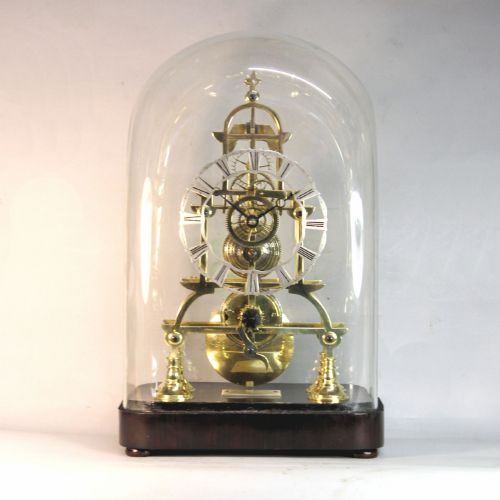


Mechanical Fusee Dial Clock
A mechanical fusee dial clock delivers precise timekeeping through a conical pulley and chain or gut line, housing reliable movements in robust timber cases designed for daily visibility.
Mechanical Fusee Dial Clock
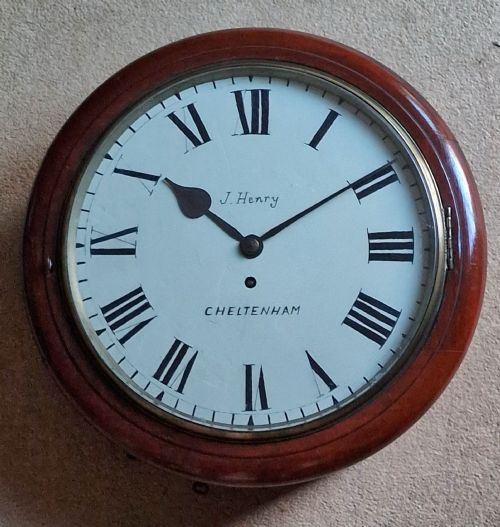
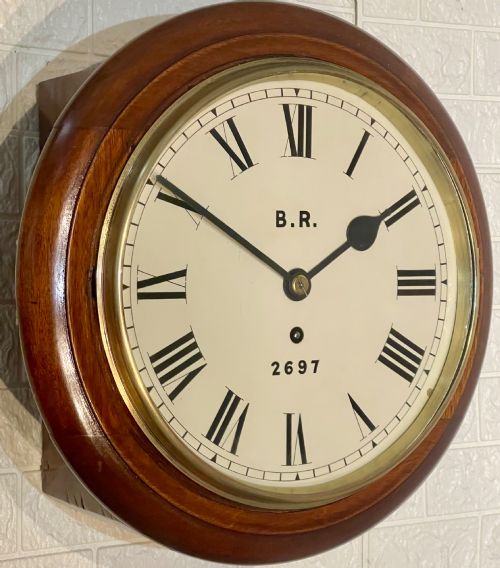
When you search for a mechanical fusee dial clock, you encounter circular wall and drop-dial timepieces originating primarily from the Victorian and Georgian eras. These pieces span commercial, domestic and transport settings, reflecting a period when precise time was essential for railways, offices and grand homes.
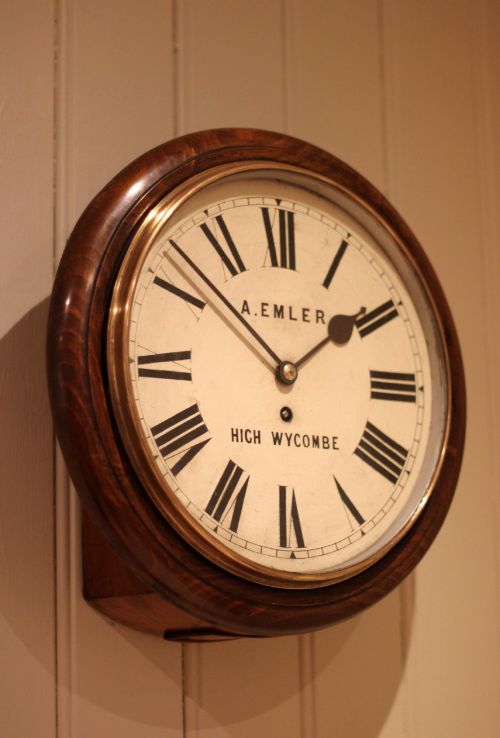
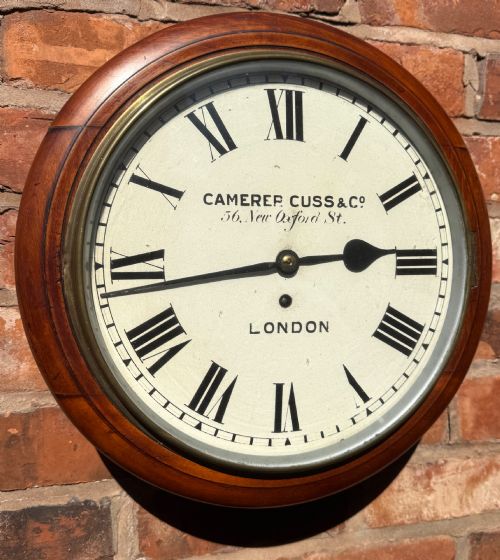
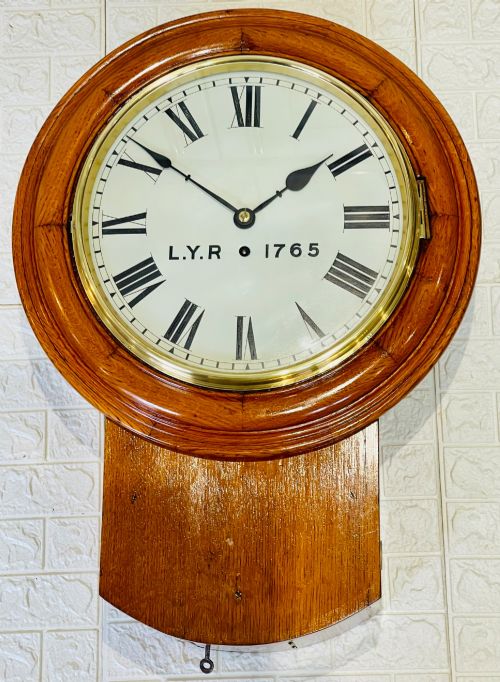
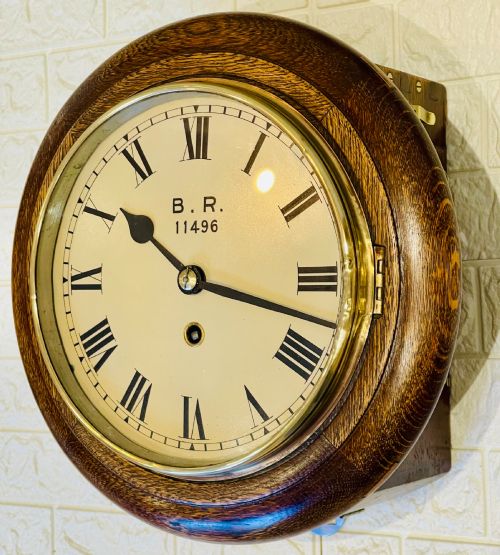
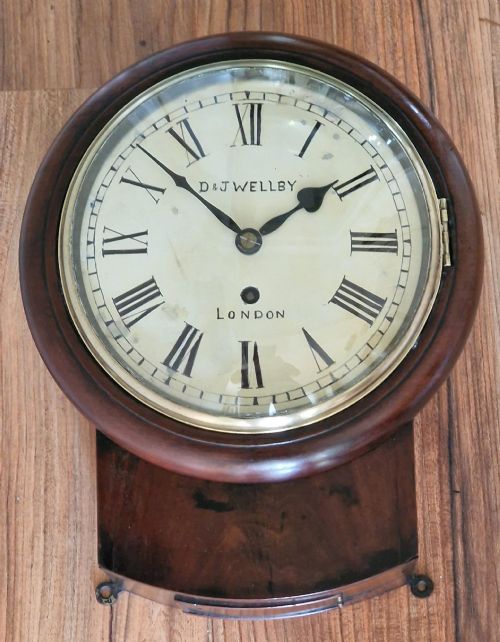
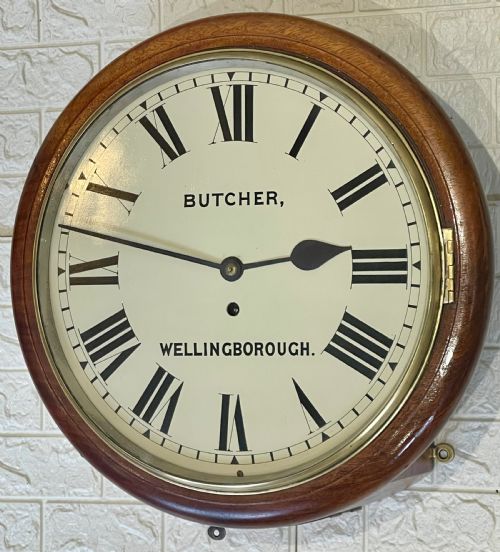
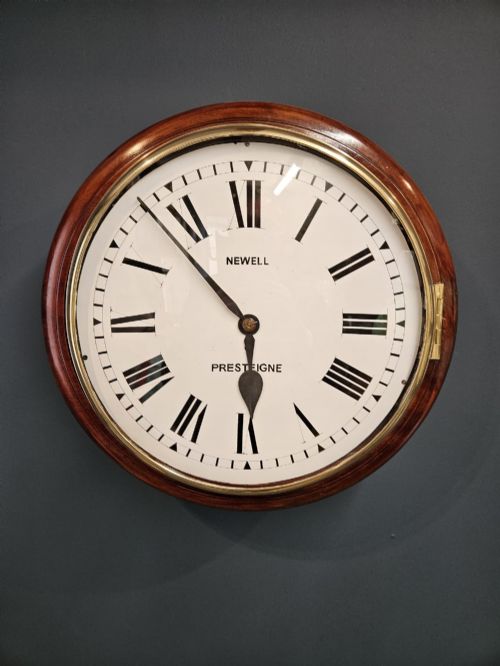
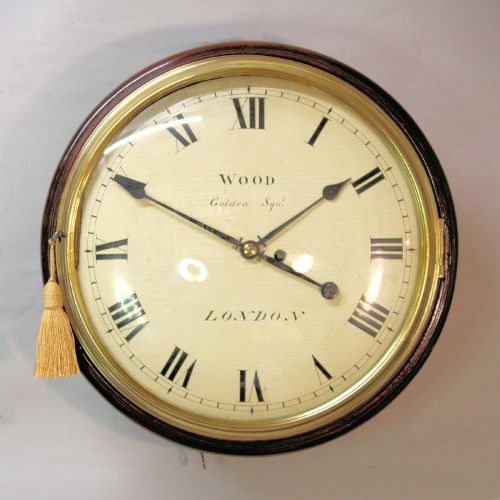
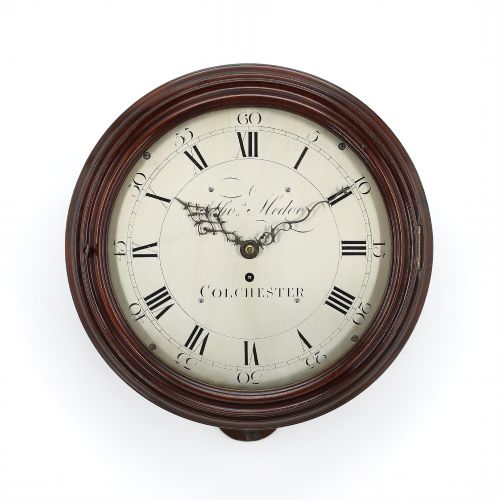
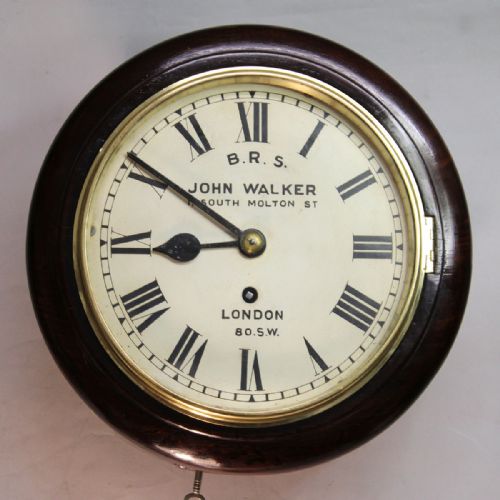
The version you are most likely to meet on this page is a wall-mounted timepiece featuring a wooden case in mahogany or oak, housing a single chain-driven movement. Examples range from compact small-dial formats to grander drop-dial variants with convex wooden bezels.
Materials and construction
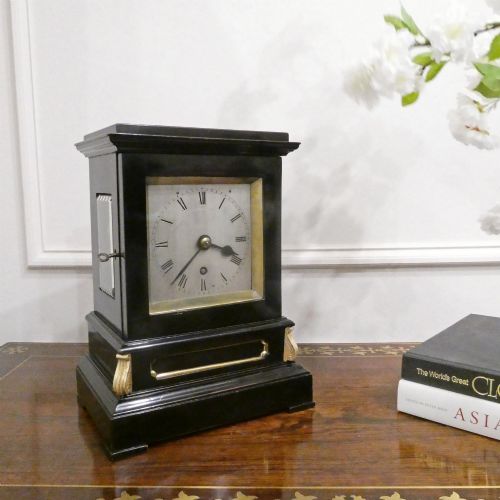
Clockmakers utilised dense timbers such as mahogany, oak and rosewood to construct sturdy circular cases and drop-dial trunk enclosures. These woods were often polished to a high finish or ebonised to suit the interior requirements of the building they inhabited.
Brass formed the foundational plates, wheels and escapement components within the movement, paired with iron arbors and steel pivots. Dial faces incorporated painted wood, metal or convex glass bezels to protect the hands while maintaining legibility.
Certain station clocks kept passengers punctual despite decades of coal smoke and steam filling the waiting rooms.
Quality variations
The standard of a mechanical fusee dial clock rests upon the crispness of the case joinery, the quality of the timber grain and the original maker's signature on the dial. Provincial railway variants display utilitarian robustness, whereas London house makers achieve greater refinement in movement finishing and dial lettering.
Movements fitted with accurately cut gear teeth, original brass work and clean fusee cones hold their integrity better over generations. The legibility of the painted dial and the harmonious proportion of the bezel relative to the trunk separate standard utility timepieces from superior examples.
Camerer Cuss And Co London·D And J Wellby London·Richard Winter Of Chieveley·Thomas Hedge Of Colchester·John Walker·Dent Of London
The Mechanical Fusee Dial Clock Glossary
- Fusee
- A conical pulley used to equalise the torque of the mainspring as it unwinds. This mechanism ensures consistent power delivery to the gear train for accurate timekeeping.
- Drop dial
- A clock case featuring a circular dial at the top and an extended trunk below. This lower section accommodates the pendulum swing in a compact wall format.
- Chain driven
- A movement utilising a fine metal chain rather than a gut line to connect the fusee cone to the barrel. It offers superior durability and smooth weight transfer.
- Bezel
- The ring that holds the glass protecting the dial face. On these pieces, it is typically hinged in brass or constructed of turned wood to allow hand adjustment.
Mechanical Fusee Dial Clock: Frequently Asked Questions
What is a fusee movement?
A fusee movement employs a conical pulley and chain to regulate the pulling power of the mainspring. As the spring loses tension, the chain rides higher on the cone to maintain steady torque.
This clever mechanical adjustment ensures the clock maintains an even beat and accurate time until the spring requires another turn with a winding key.
Where were these clocks used?
These clocks served widely across British railway stations, government offices, commercial businesses and domestic hallways. Their clear circular faces allowed large rooms or platforms to read the time at a glance.
Railway companies such as the Great Western Railway and London Midland and Scottish Railway installed them extensively for operational punctuality.
How do I wind a wall clock?
Wind the clock by inserting the appropriate key into the winding hole on the dial face. Turn it gently clockwise until you feel firm resistance from the mainspring.
Avoid over-winding, and ensure the pendulum hangs evenly within the case to keep the tick steady and the movement running true.
How do I identify the period?
Examine the timber species, case proportions and dial construction to determine the age. Georgian and Regency pieces often feature distinct mahogany grain and fine bezel mouldings, while Victorian and Edwardian examples frequently bear railway company stamps or ebonised finishes.
Maker signatures painted on the dial provide further clues to the decade of manufacture.