


Masons China Plates
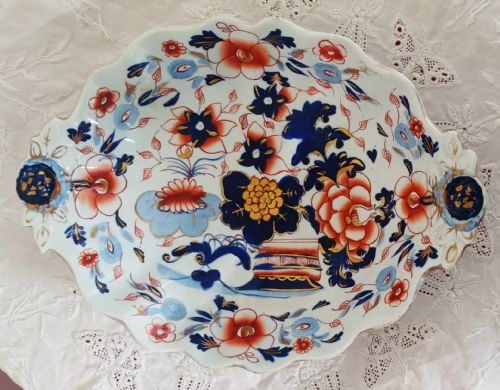
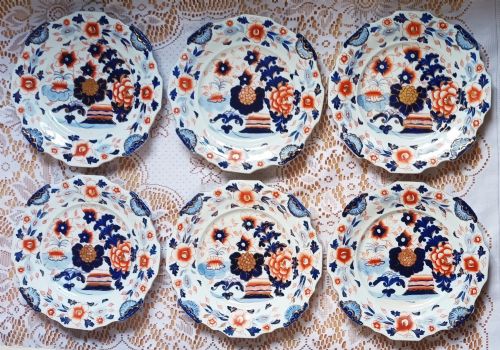
These masons china plates bring durable ironstone bodies and vibrant Imari or Chinoiserie patterns straight from the Georgian and Regency eras to the modern table.
Masons China Plates
When you search for masons china plates, you encounter durable ceramic tableware produced across the nineteenth century, including Georgian and Regency pieces. The selection on this page centres on sturdy ironstone plates, serving platters, soup bowls, and low comports rather than fragile porcelain.
You meet several distinct patterns within these listings, from the vibrant Japanese-inspired Japan and Imari motifs to Chinoiserie scenes like Blue Pheasants, Grasshopper, and Pagoda. Many examples arrive in sets or full services, accompanied by specialised pieces such as cheese dishes, ashets, and platter drainers.
How they were made
Potters formed these items from ironstone ceramic, a heavy and robust body designed to withstand daily use while accepting detailed decoration. Makers applied rich enamel colours by hand over white glazes, often combining complex transfer-printed outlines with painted fills.
Workers added finishing touches using gold leaf and gilding to highlight borders and decorative elements, sealing the intricate patterns beneath a protective fired glaze.
Some nineteenth-century platters still hide tiny ceramic drainer inserts beneath the roast, keeping Sunday's joint clear of the gravy.
What varies in quality
The precision of the hand painting and the crispness of the transfer printing separate standard domestic wares from exceptional services. Superior pieces display vibrant, intact enamel colours and carefully applied gilding that remains bright across the surface.
Completeness and condition of the body also define the standard, as large platters, soup bowls, and matched sets retain higher desirability than single, isolated plates.
Masons
The Masons China Plates Glossary
- Ironstone
- A heavy, durable ceramic body patented in the nineteenth century to rival imported porcelain. It resists chipping and forms the base for most items on this page.
- Imari
- A decorative style borrowed from Japanese export wares, featuring rich cobalt blue and iron-red highlights enriched with gold leaf. This palette dominates many nineteenth-century patterns.
- Ashet
- A regional term for a large meat platter or serving dish used at the centre of the table. These deep vessels handled substantial joints of meat.
- Comport
- A raised footed dish or bowl used for serving fruit or dessert. These pieces elevate the presentation on the dining table.
- Drainer
- A perforated ceramic insert placed inside a meat platter to keep joint juices away from the meat. Surviving examples remain uncommon.
Masons China Plates: Frequently Asked Questions
Are masons china plates safe for daily use?
These nineteenth-century ironstone pieces were originally built for heavy dining use and remain structurally robust today. However, hand-painted enamel colours and gold leaf details require gentle hand washing rather than modern dishwasher cycles.
Over decades of service, the ceramic body proves resilient, but the historic surface glazes can suffer from harsh detergents or sudden temperature shifts. Treat them as functional antiques rather than standard everyday crockery.
How do I identify a Regency period plate?
Regency era pieces typically date from around the early nineteenth century, displaying characteristic Chinoiserie or Japan pattern transfer printing combined with hand-painted enamels. The ironstone body feels exceptionally dense and heavy in the hand.
Look closely at the underside for early impressed or printed factory marks associated with the period. The palette often relies on deep cobalt blues, iron reds, and touches of early gilding.
What is the difference between an ashet and a platter?
An ashet is a specific regional term for a large meat platter, often deeper in the well to accommodate carved joints and juices. Standard meat platters served a similar overarching purpose on the nineteenth-century dining table.
Both forms utilise the heavy ironstone ceramic body and frequently share matching patterns like Old School House or Grasshopper. Collectors use the terms interchangeably depending on regional cataloguing traditions.
Can I mix different patterns on the table?
Mixing nineteenth-century ironstone patterns creates a vibrant table setting that reflects how historic country houses evolved their dining services over time. Matching sets like the Water Lily or Old School House patterns offer uniformity, while individual plates introduce variety.
Because many pieces share a common ironstone weight and palette of blues, reds, and golds, diverse patterns sit comfortably together. Focus on matching the scale and period rather than strict pattern uniformity.