
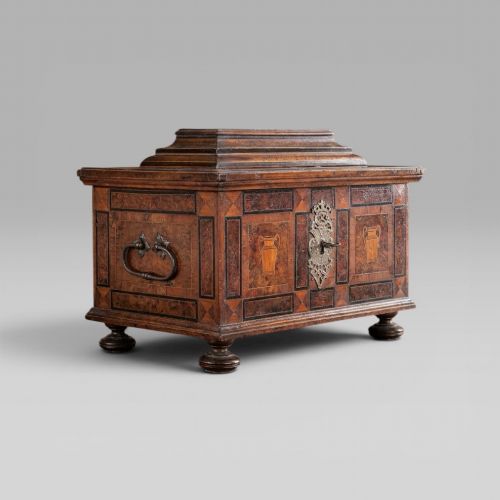


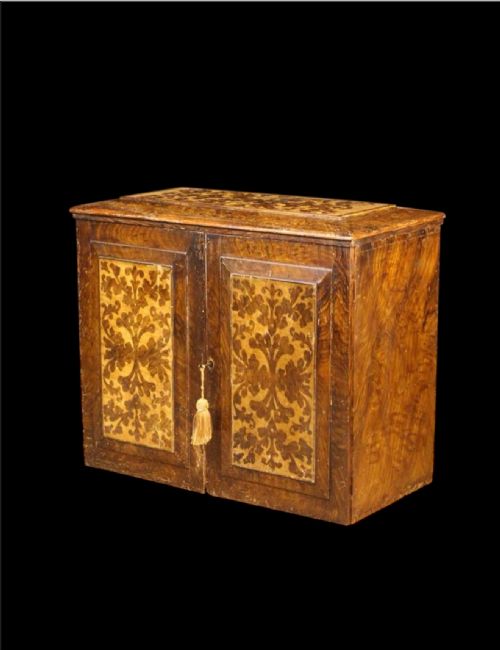


Marquetry Table Box
These marquetry table box pieces combine intricate surface patterns with practical storage, offering a refined focal point for any room.
Marquetry Table Box
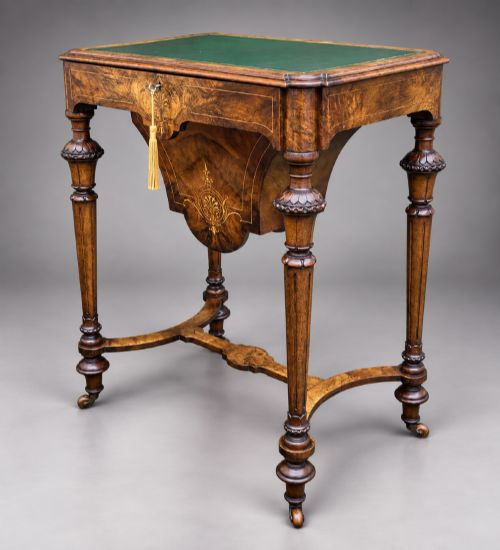
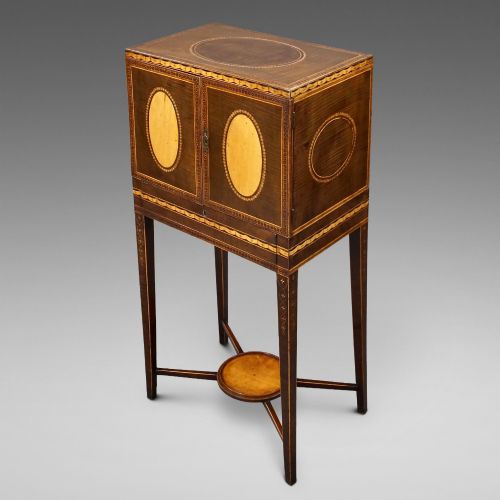
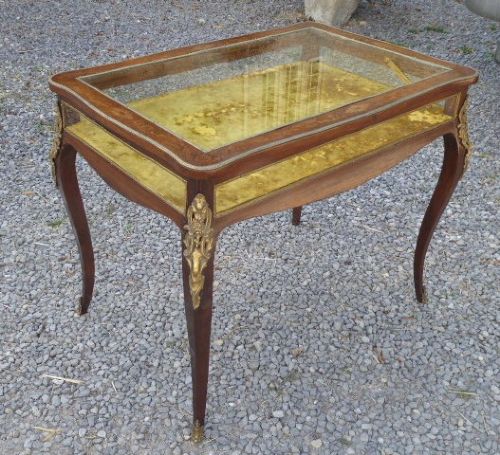
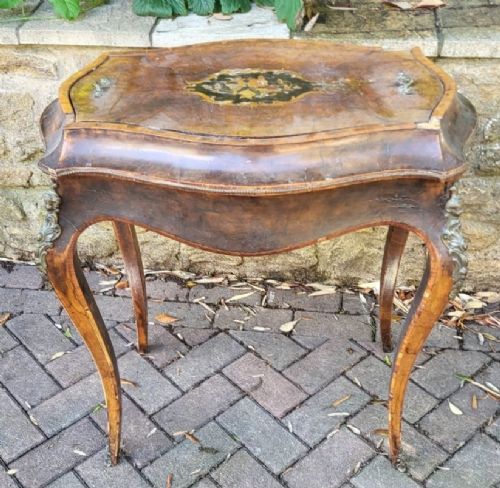
When you search for a marquetry table box, you encounter a diverse group of fitted furniture pieces designed for personal storage, display, and specialised pastimes. The selection spans compact table boxes, games tables, work tables, and bijouterie display cases from the seventeenth century through to the Edwardian period.
You are most likely to meet Victorian burr walnut sewing tables and inlaid work tables on this page, alongside Edwardian mahogany and satinwood display pieces. These objects frequently integrate compartments, lift-off lids, or fitted interiors designed for writing, sewing, or holding collectables.
How they were made
Cabinet makers utilised dense timbers such as walnut, burr walnut, rosewood, and mahogany as the structural base for these decorative items. Surfaces were then embellished with fine wood inlays, incorporating contrasting materials like boxwood, satinwood, fruitwood, and bone to create elaborate floral or geometric pictorial motifs.
Construction techniques often involved laying thin veneers over a stable secondary wood carcass to display intricate grain patterns without risking major timber movement. Metal mounts in brass or gilt, along with glass panels on display tables, completed the assembly of these functional decorative objects.
Some nineteenth-century tables cleverly conceal delicate needlework bags and hidden compartments beneath their intricately patterned marquetry lids.
What varies in quality
The degree of refinement in the marquetry work separates standard examples from exceptional pieces, visible in the precision of the veneer cuts and the complexity of the inlaid motifs. Superior execution relies on tight joints between contrasting woods and balanced composition across the entire surface of the lid and sides.
Internal fitting and hardware also distinguish the grade of an object. Complete original interiors with fitted compartments, intact brass hinges, working locks, and well-chosen secondary woods indicate a higher standard of craftsmanship from the workshop.
Waring & Gillow·Gill & Reigate
The Marquetry Table Box Glossary
- Marquetry
- Decorative veneer work forming pictures or patterns by assembling small pieces of various coloured woods, boxwood, or bone onto a structural ground.
- Burr walnut
- Timber taken from a tree growth or burl, yielding a swirling, highly figured grain pattern that cabinet makers prized for surface panels.
- Bijouterie table
- A glass-topped display table specifically designed for showing small valuable items, medals, or jewellery inside a glazed compartment.
- Work table
- A multi-purpose domestic piece featuring internal compartments, trays, or bags for sewing, needlework, and writing accessories.
- Tunbridge ware
- Small wooden objects decorated with mosaic patterns built from tiny wood blocks, characteristic of specific nineteenth-century production.
Marquetry Table Box: Frequently Asked Questions
What is a marquetry table box used for?
These items serve as decorative containers for personal treasures, writing implements, or sewing materials, combining surface art with enclosed storage.
Many examples double as small display furniture or specialised tables for games and needlework in a formal interior.
How do I date a marquetry table box?
Dating relies on identifying the prevailing timber choices, construction methods, and revival styles associated with specific nineteenth and early twentieth-century decades.
Details such as ebonised finishes, brass mounts, and specific proportions help distinguish Georgian and Victorian pieces from later Edwardian reproductions.
Where were these pieces made?
Workshop origins span British cabinet makers as well as continental European centres including France, Italy, and Germany.
Regional preferences appear in the choice of wood veneers, such as olive wood from Sorrento or distinct revival motifs on French and German caskets.
How do I care for a wood inlaid surface?
Maintenance requires keeping the piece away from direct sunlight and maintaining stable room humidity to protect delicate wood veneers and stringing.
Occasional light dusting and minimal application of appropriate wax polish help preserve the original sheen of the timber.