



Italian Coffer Box
An italian coffer box is a sturdy storage chest carrying centuries of craftsmanship, prized for anchoring a room with historic depth.
Italian Coffer Box
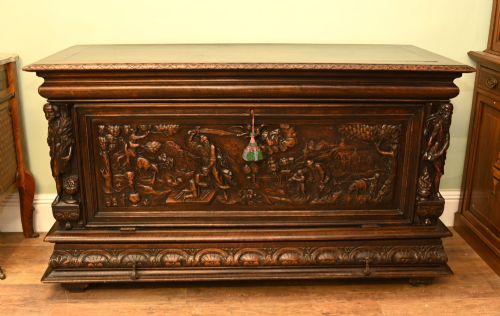
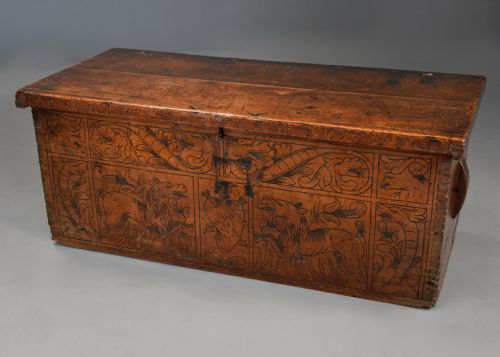
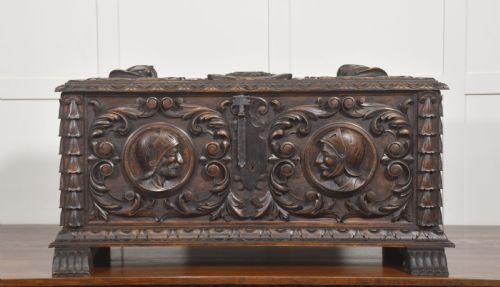
When you search for an italian coffer box, you encounter substantial storage pieces ranging from early seventeenth century examples to nineteenth century revivals. These vessels include traditional cassoni, smaller marriage chests, and table caskets designed for secure storage.
The selections on this page span several centuries, featuring seventeenth century walnut pieces alongside later nineteenth century painted items and revival styles. Formats vary from large floor chests to compact presentation boxes.
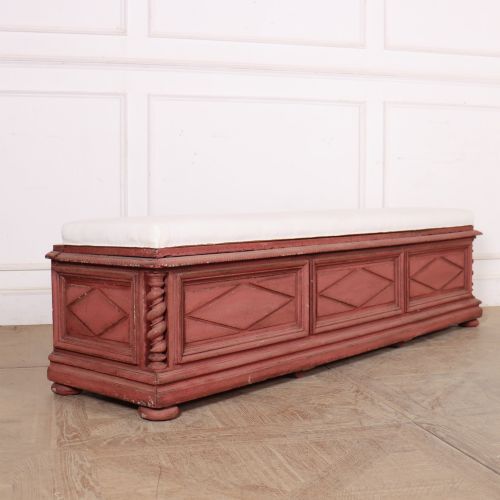
Makers utilised resilient timbers to construct these boxes, often incorporating benches or seating elements alongside traditional chest architecture.
Materials and Methods
Carpenters constructed these pieces primarily from walnut, cedarwood, cypress, and pine, applying iron fittings for structural strength. Artisans then decorated the surfaces through carving, gilding, and tempera paint.
Later nineteenth century examples incorporate delicate inlay work utilising fruitwood, ebony, and bone to create intricate geometric patterns. Upholstery also appears on specific bench variants.
Italian Coffer Box Retail Price Guide 2026
Typical asking prices for italian coffer box among the pieces listed under this phrase on Sellingantiques today, from the lower quarter to the upper quarter. They describe what is for sale here now, not the wider market.
Listings feature woods including walnut, cedarwood, cypress, and pine, spanning the seventeenth and nineteenth centuries.
Assessing Quality
The standard of an italian coffer box rests upon the crispness of its hand carving and the integrity of its original timber. Pieces retaining their early surface patination and authentic gilding command greater appreciation.
The complexity of inlay and the preservation of original tempera paint dictate the finer examples within this tradition.
The Italian Coffer Box Glossary
- Cassone
- A traditional large Italian chest or coffer, often historically used as a marriage chest for household linens. These items frequently feature elaborate carving or painted decoration.
- Casket
- A smaller decorative box or chest designed for holding valuables, documents, or jewellery. These often display intricate inlay work or metal mounts.
- Patina
- The surface sheen and coloration developed through age, handling, and light exposure over centuries. Original patination is a key indicator of authenticity.
- Tempera
- A permanent, fast-drying painting medium consisting of coloured pigments mixed with a water-binder, frequently egg. This technique appears on decorative panels of historic chests.
Italian Coffer Box: Frequently Asked Questions
What were italian coffer boxes used for?
These boxes served primarily to store valuable textiles, garments, and marriage documents in wealthy households. Larger versions also functioned as benches or seating furniture within grand halls.
Over time, smaller table caskets emerged for securing personal correspondence, insignia, and precious items.
How do I date an antique coffer?
Dating relies on examining the timber species, construction joints, and decorative styles characteristic of specific periods. Seventeenth century pieces often display heavier walnut construction and deep hand carvings.
Nineteenth century revival pieces frequently incorporate mixed woods, bone inlay, and eclectic stylistic elements from earlier eras.
How do I care for a wooden coffer?
Maintain stable indoor humidity levels and keep the timber away from direct heat sources to prevent wood splitting. Dust gently with a dry cloth and avoid harsh chemical polishes.
Protect painted or gilded surfaces by limiting exposure to direct sunlight.
What is a cassone?
A cassone is the traditional Italian term for a large decorated chest or coffer. They were central pieces of furniture in Renaissance households.
These marriage chests were commissioned to celebrate weddings and often bore familial coats of arms.