






Maritime Landscape Artwork
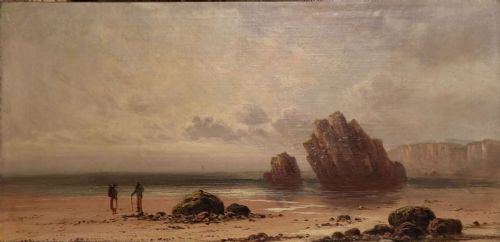
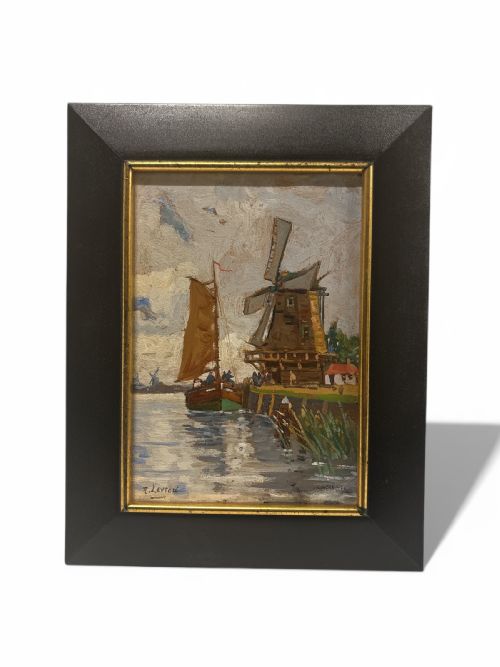
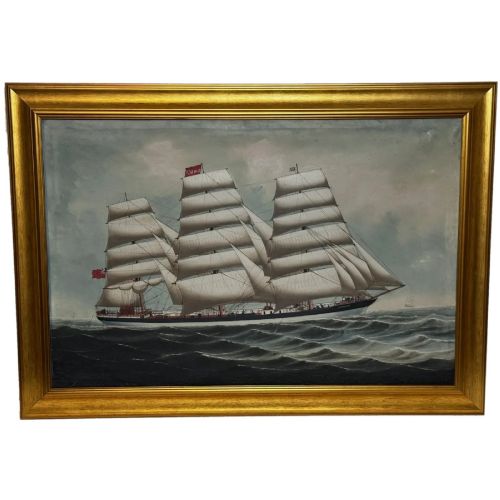
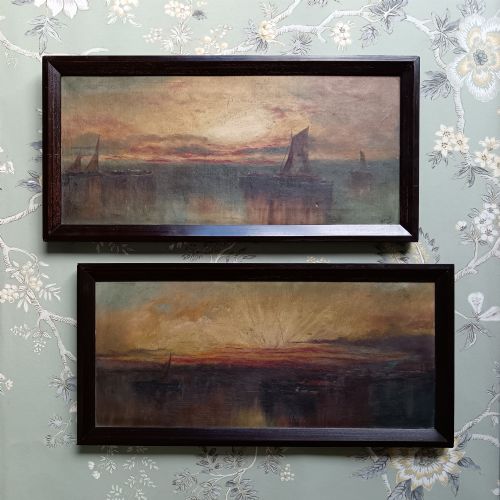
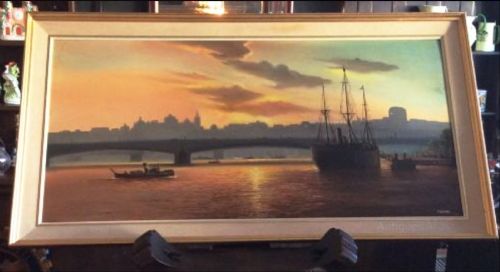
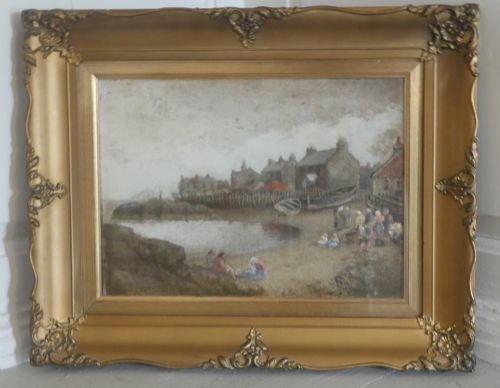
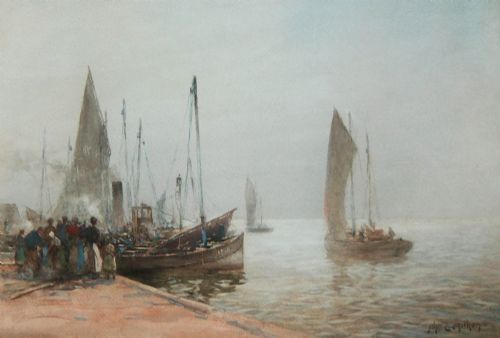
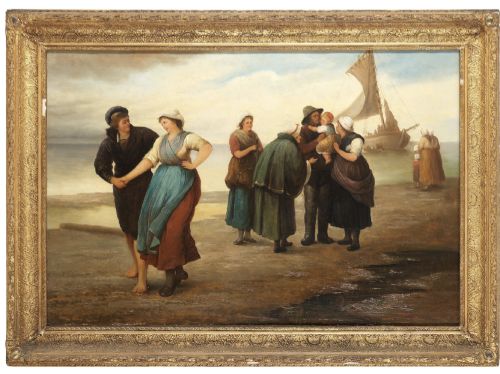
Maritime landscape artwork captures coastal views, rivers, and harbours on canvas, paper, and board for collectors who value historic waterside scenes.
Maritime Landscape Artwork
When you search for maritime landscape artwork, you encounter painted views of harbours, coastal paths, rivers, and open seas created across the nineteenth and twentieth centuries. The selection on this page relies heavily on nineteenth-century and early twentieth-century examples, spanning Victorian, Edwardian, and mid-twentieth-century periods.
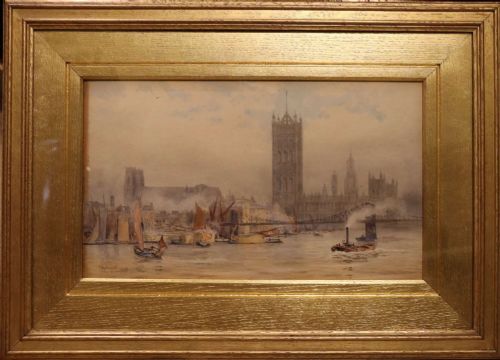
The physical forms are predominantly oil paintings, watercolours, and works on board or canvas, sometimes presented within period gilt wood frames. Subjects range from British coastal towns like St Ives and Whitby to international ports, river scenes on the Thames, and dramatic open seascapes.
You will find works reflecting British Impressionism, Modern British movements, and traditional marine art styles. These pieces document maritime life, shipping trade, and coastal topography through the eyes of period painters.
How they were made
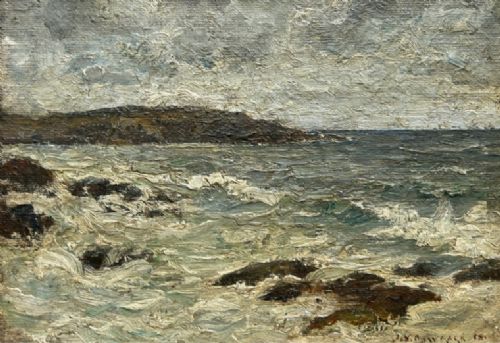
Makers utilised oil paint and watercolour applied to canvas, stretched paper, wood panels, or artist boards. Oil on canvas and board allowed artists to build rich impasto textures and atmospheric lighting, particularly in depictions of rough seas and evening skies.
Watercolour paintings on paper capture lighter, translucent effects suited to harbour views and coastal beaches. Many of these artworks retain their original gilt wood frames, constructed to house and protect the canvas or paper support.
Listings feature works created across various supports including oil on canvas, paper, wood, and artist board.
What varies in quality
The distinction between ordinary and superior works rests on the artist's handling of light, atmosphere, and spatial depth within the maritime landscape. Stronger pieces demonstrate confident brushwork, secure compositional balance, and a convincing sense of movement in water or sky.
Attribution to documented artists and signed compositions elevate the standing of a painting. The integration of the artwork with a fitting period gilt frame also influences the overall integrity of the piece.
Kenneth Cozens·James Orrock·Reginald Arthur Borstel·B. Nash·James E. Aitken·John E. Aitken·William Banks Fortescue·James Kay·Bonaventura Peeters·Peter Brannan·Francis Moltino·Paul Bret·Hector Caffieri·Bernard Benedict Hemy·Thomas Creswick·Lucy Pratt·Cyril Walduck Edwards·Willem Bos·Thomas Maidment·Donald McIntyre·Cecil Allan Mould·John Wilson Carmichael·Alfred G. Morgan·Abraham Cooper·John Macvicar Anderson
The Maritime Landscape Artwork Glossary
- Impasto
- Paint applied thickly to a canvas or board, leaving visible brush or palette knife marks that add texture. This technique is frequently seen in maritime scenes to render choppy water or breaking waves.
- Gilt wood
- Wood carved and covered with a thin layer of gold leaf or gold paint, forming traditional picture frames. These frames surround many nineteenth-century oil paintings on this page.
- Seascape
- A painting, drawing, or other work of art depicting the sea. These works form a major category within marine art.
- Watercolour
- Paint made with water-soluble pigments, traditionally applied to paper. It yields transparent washes that define many early twentieth-century coastal views.
Maritime Landscape Artwork: Frequently Asked Questions
What periods do these paintings date from?
The listings span the seventeenth century through to the mid-twentieth century, with a heavy concentration of nineteenth-century and Edwardian pieces.
You will also find works from the 1920s, 1930s, 1950s, and 1960s reflecting Modern British and impressionistic styles.
How do I care for antique watercolours?
Watercolours on paper are sensitive to direct sunlight and high humidity, which can fade pigments and discolour the paper over time.
Keep them hung away from bright windows and ensure they are framed with conservation-grade mounts.
Are these paintings signed by the artists?
Many works on this page feature visible signatures, inscriptions, or attribution notes left by the original painters.
Others are attributed to specific schools or listed as indistinctly signed while retaining clear stylistic period markers.
What is the difference between marine art and maritime landscapes?
Marine art traditionally focuses on ships, naval battles, and open ocean navigation, often viewed from the water.
Maritime landscapes place greater emphasis on the coastal terrain, harbours, beaches, and shorelines surrounding the water.