


Antique Harbour Seascape Artwork
Antique harbour seascape artwork captures maritime activity and coastal light through oil and watercolour, offering buyers a direct connection to historic ports and shipping.
Antique Harbour Seascape Artwork
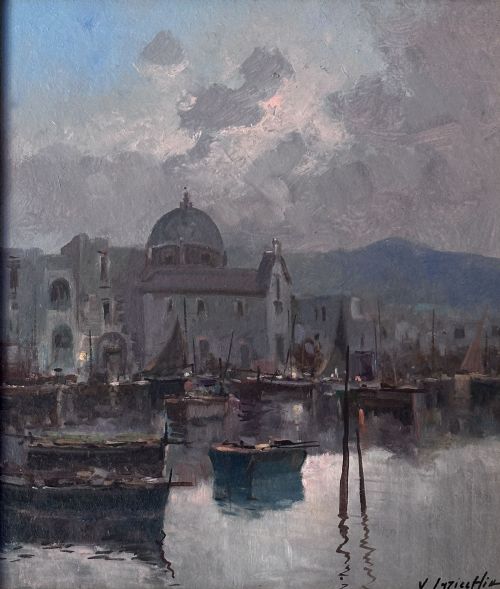
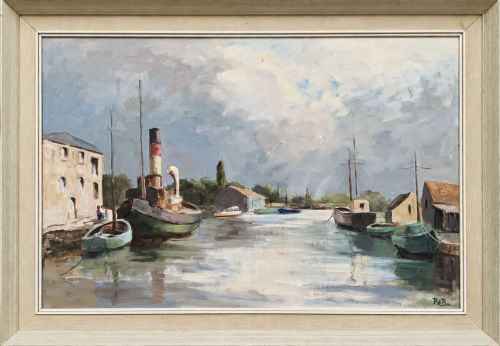
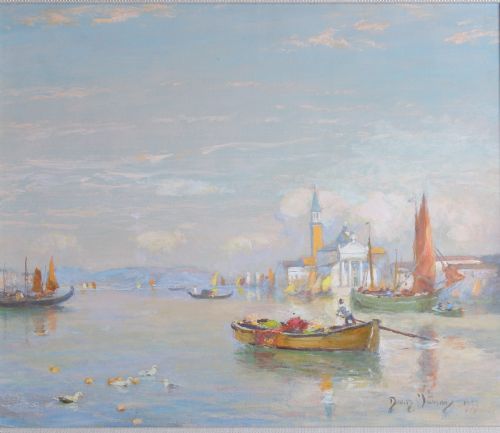
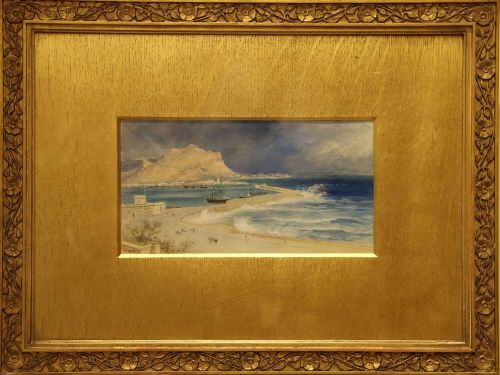
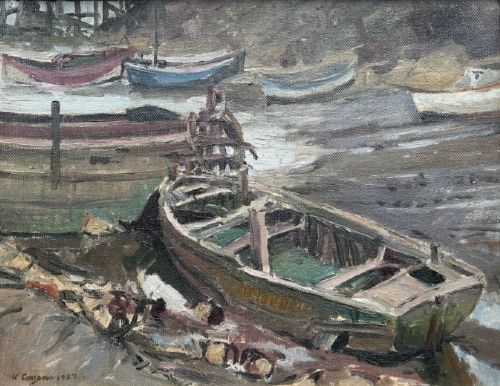
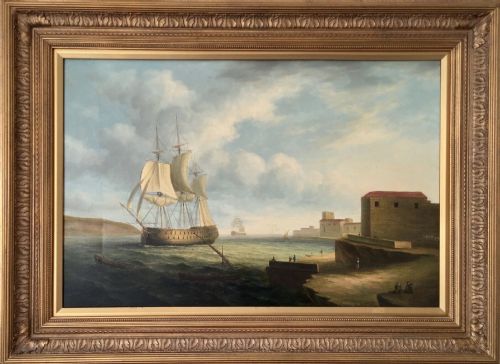
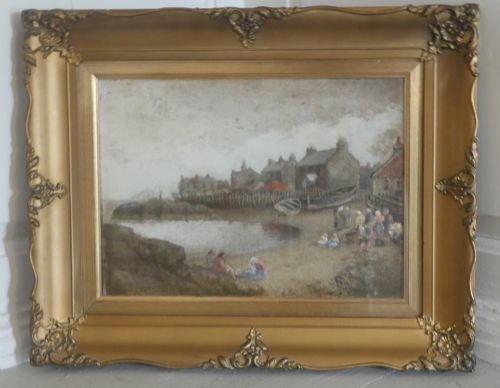
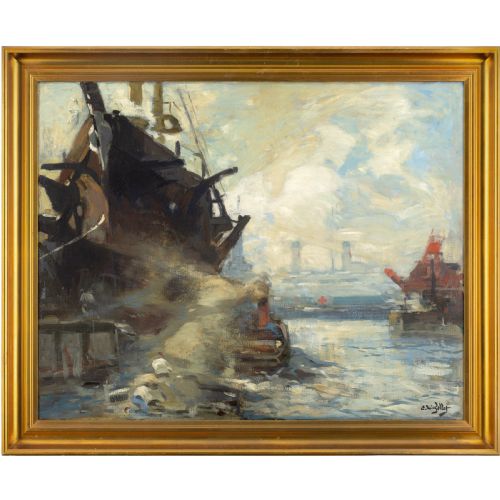
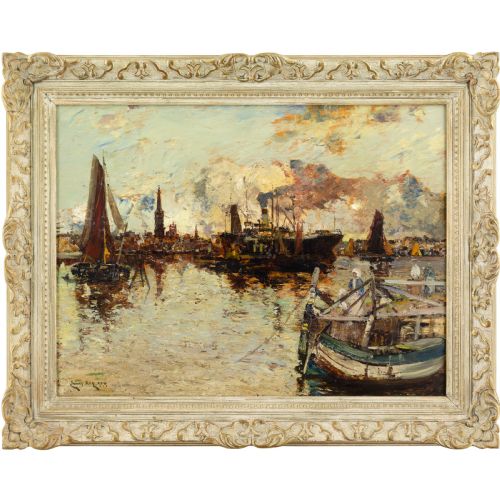
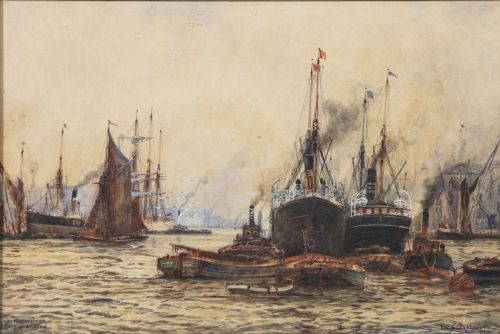
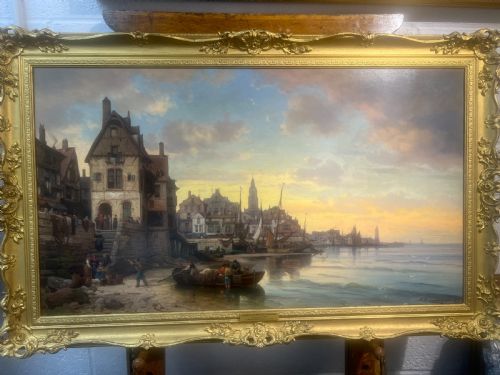
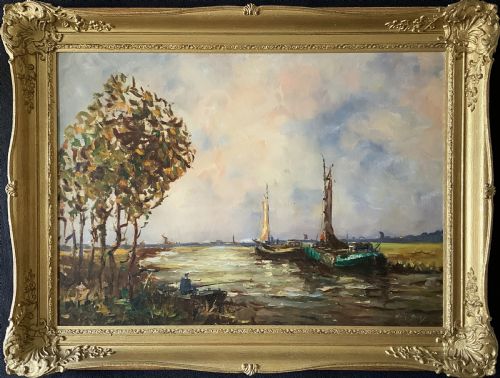
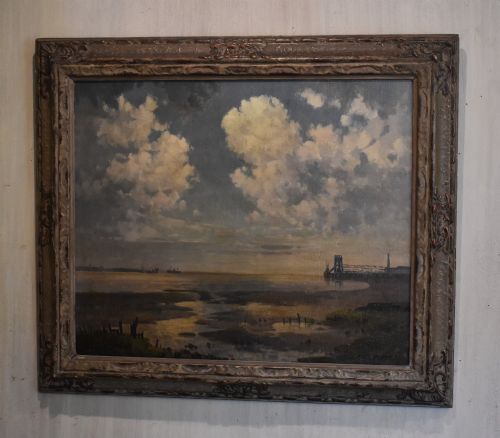
When searching for antique harbour seascape artwork, buyers encounter painted representations of maritime activity, coastal inlets, and working ports spanning from the nineteenth century into the mid-twentieth century. These works document historic European and British locations ranging from Whitby and St Ives to Venice and the River Thames.
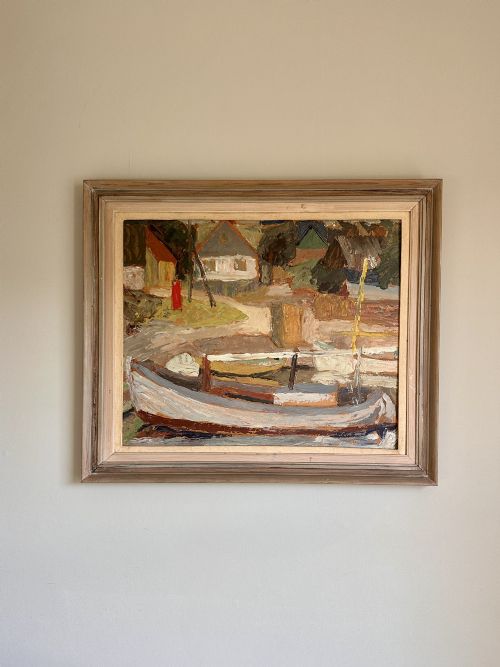
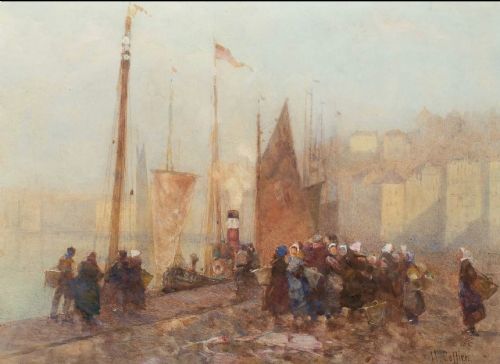
The versions most frequently met on this page include framed oil paintings on canvas or panel alongside detailed watercolours on paper. Subjects focus heavily on fishing luggers, war ships, merchant vessels, and daily life along quaysides during the Victorian, Edwardian, and post-impressionist eras.
How they were made
Makers utilised traditional mediums, primarily oil paint and watercolour, applied to prepared canvas, wooden panels, or heavy paper supports. Oil applications allowed artists to build rich surface textures and capture changing light on water, while watercolours offered fluid transparency for atmospheric coastal skies.
Finished works were typically housed in wood frames, frequently adorned with gilt finishes to complement the tonal range of the maritime scenes. Panel supports were common in earlier pieces, whereas stretched canvas became standard for larger compositions.
Antique Harbour Seascape Artwork Retail Price Guide 2026
Typical asking prices for harbour seascape artwork among the pieces listed under this phrase on Sellingantiques today, from the lower quarter to the upper quarter. They describe what is for sale here now, not the wider market.
Listings feature oil on canvas, watercolour on paper, and panel supports across the nineteenth and twentieth centuries.
What varies in quality
Quality rests upon the artist's ability to render light, water movement, and structural perspective within the maritime setting. Superior pieces demonstrate confident brushwork and precise tonal control over reflections and atmospheric haze, whereas weaker examples rely on formulaic repetition.
The handling of architectural details in port buildings and rigging accuracy on vessels further separate competent regional works from masterworks by recognised painters of the period.
Sir David Murray RA·James Hardy·Eugène-Louis Gillot·James Kay RSW·Frank William Scarbrough·Hector Caffieri·William Matthison·Thomas Hodgson Liddell·Charles William Wyllie·Paul Delvaux·William Edward Webb·Edward Matthew Elliott·Richard Harry Carter·Jean-Baptiste Olive·William Lee Hankey·George Turland Goosey·Thomas Bush Hardy·Ernest Dade·Adrian Van Porten·Stanley Leader·Fred Waugh·James Webb
The Antique Harbour Seascape Artwork Glossary
- Seascape
- A painting depicting the sea, coastal views, or maritime scenes. These works focus on the interaction between water, light, and shore architecture.
- Watercolour
- A painting method in which the paints are made of pigments suspended in a water-based solution. It is traditionally applied to paper to achieve translucent effects.
- Gilt wood
- Wood coated with a thin layer of gold leaf or gold paint. This finish was widely applied to nineteenth-century frames to enhance the visual weight of the artwork.
- Impressionism
- An art style characterised by relatively small, thin, yet visible brush strokes and an accurate depiction of light. Artists working in this manner prioritised natural illumination over rigid academic detail.
Antique Harbour Seascape Artwork: Frequently Asked Questions
What subjects appear in these artworks?
Paintings frequently depict working harbours, fishing vessels, and historic coastal architecture across Britain and continental Europe.
Scenes range from bustling commercial rivers like the Thames to quiet fishing villages at low tide.
How do I date an oil painting?
Dating relies on stylistic evidence, artist signatures, framing materials, and the preparation of the canvas or panel.
Nineteenth-century works often feature heavy gilt frames and traditional maritime rigging details characteristic of the era.
Where were these maritime scenes painted?
Artists worked both plein air along quaysides and within studios using preliminary sketches gathered from travels.
Popular locations include Cornish fishing ports, Mediterranean ports, and major trading rivers.
How should I display framed watercolours?
Watercolours require placement away from direct sunlight to prevent fading of the delicate pigments on paper.
Glazing with appropriate conservation glass further protects the paper surface from environmental moisture.