


Edwardian Framed Landscape Painting
Edwardian framed landscape painting brings pastoral calm and coastal light into a room through original period brushwork.
Edwardian Framed Landscape Painting
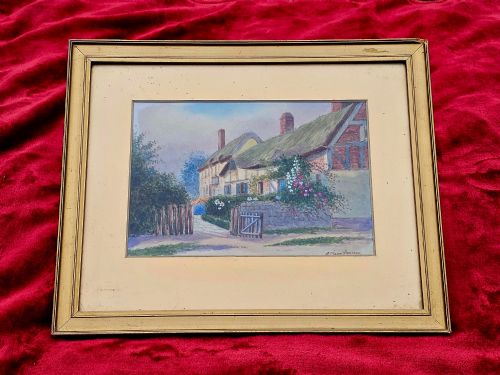
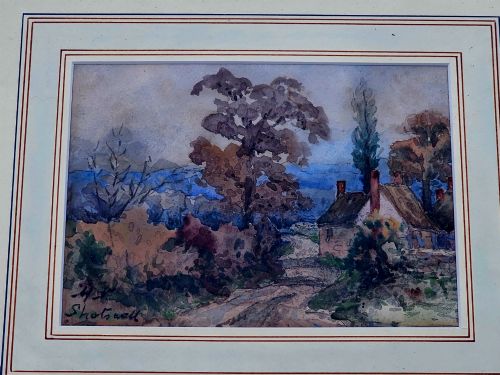
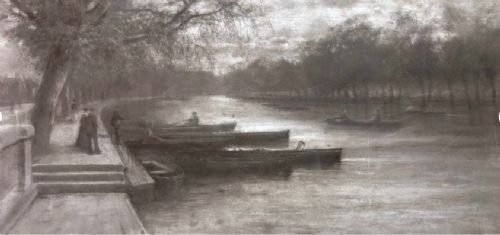
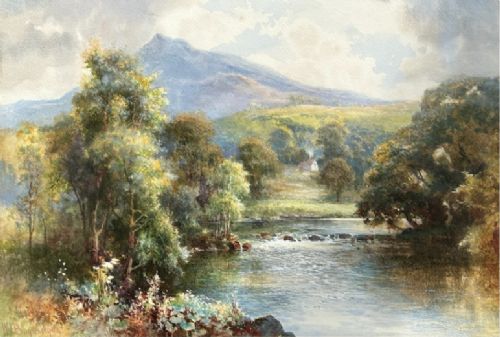
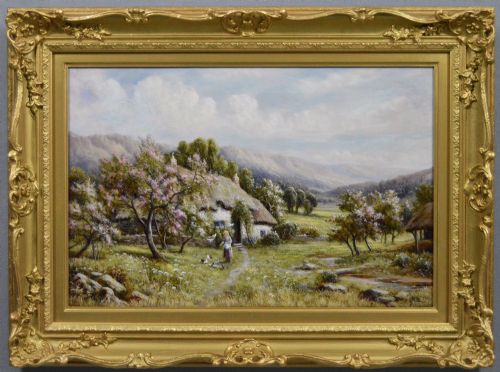
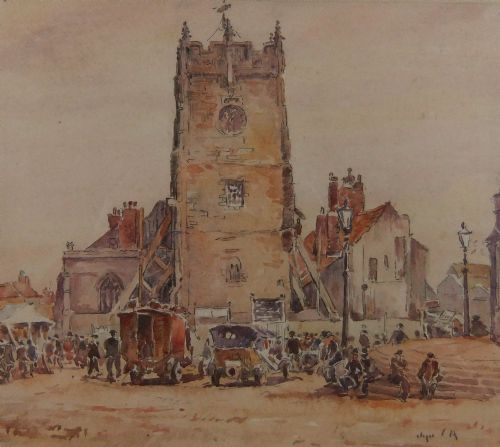
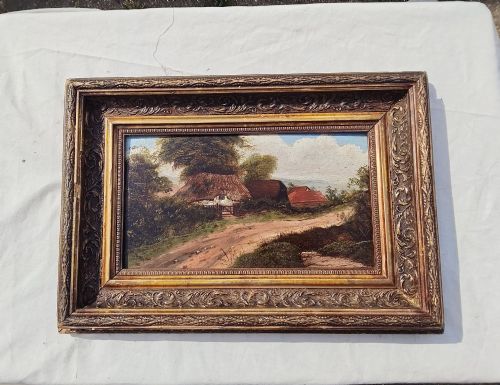
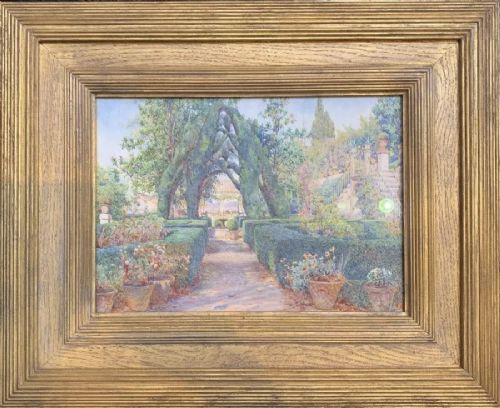
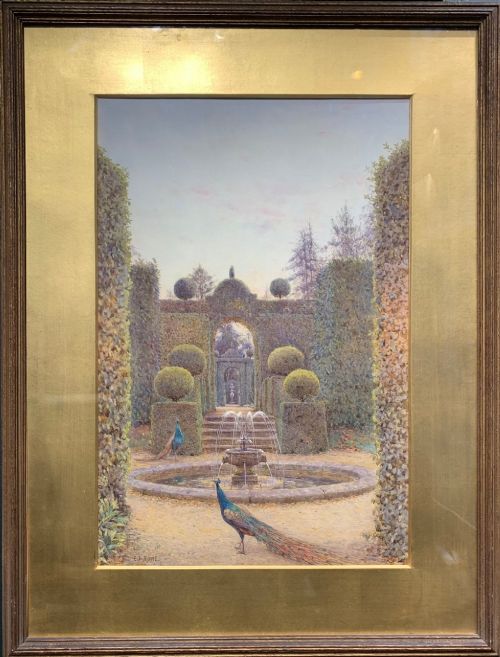
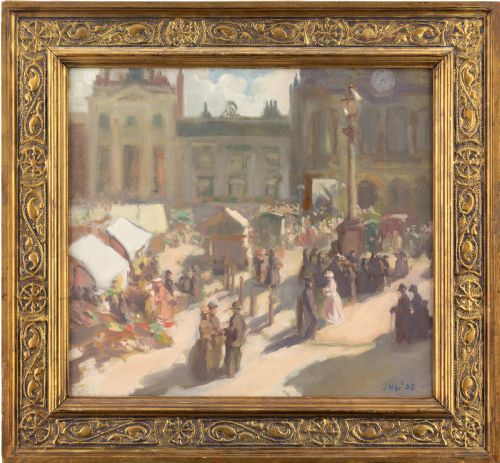
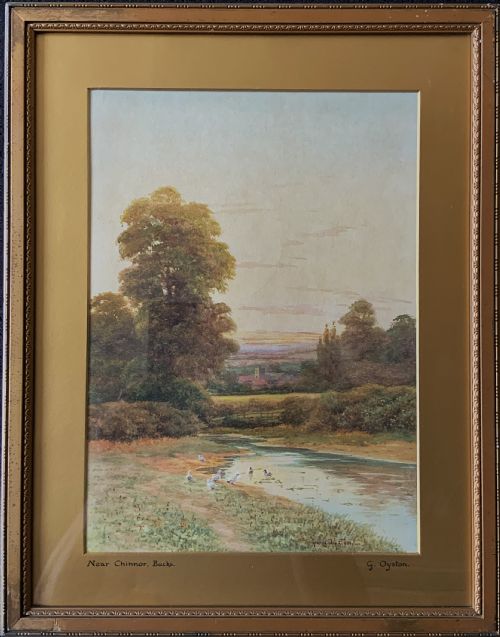
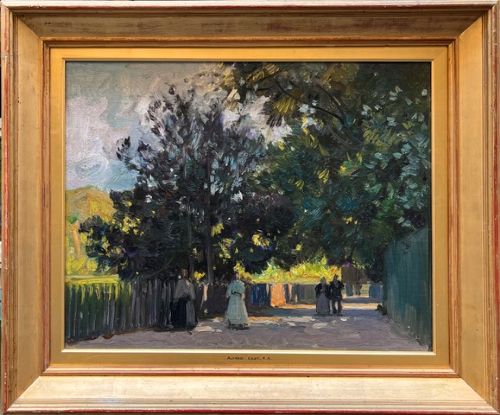
An edwardian framed landscape painting captures British and European scenery through the lens of early twentieth-century artistic styles. When you search for this phrase, you encounter original watercolours, oils on canvas, and charcoal drawings preserved in period mounts. These artworks frequently depict rural cottages, woodlands, rivers, and coastal harbours from around nineteen hundred.
The pieces on this page span the Victorian, Edwardian, and early twentieth-century periods, reflecting a sustained interest in pastoral and marine subjects. Many works carry signatures from regional British artists or follow recognised schools of landscape painting. They arrive housed in their original wooden or gilt frames, maintaining the aesthetic unity intended by the creators.
How They Were Made
Makers utilised traditional supports such as canvas, heavy paper, card, and wood panels for their compositions. Pigments were applied as oil paint, watercolour, gouache, or charcoal, depending on the desired texture and atmosphere of the scene.
Framing played an integral role, utilising carved and gilt wood or simple timber surrounds to complement the palette of the artwork within. Protective glass frequently accompanied works on paper to safeguard delicate watercolours and drawings from environmental moisture.
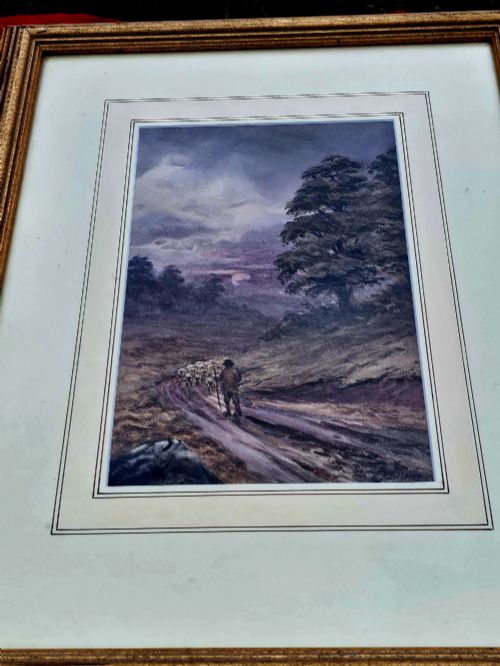
Sheep appear to outnumber humans in these quiet rural pastures.
What Varies in Quality
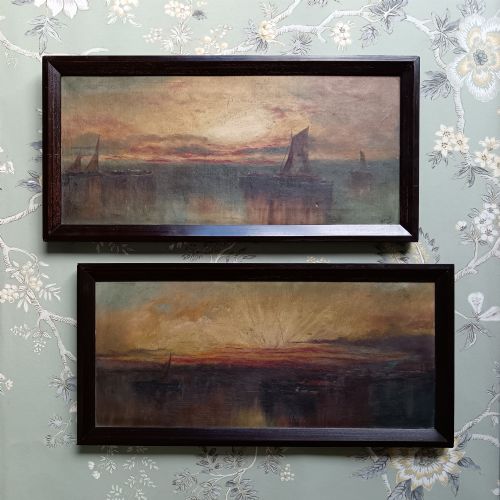
The strength of the composition and the fluidity of the brushwork distinguish finer examples from standard decorative works. Artists who captured atmospheric light, such as coastal haze or evening shadows, produced pieces with enduring visual depth.
The preservation of the original surface and the integrity of the period frame contribute significantly to the standing of a piece. Intact signatures, legible provenance, and minimal disturbance to the paint or paper elevate the overall character of the artwork.
Ernest Arthur Rowe·George Oyston·Sydney Yates Johnson·Thomas Hodgson Liddell
The Edwardian Framed Landscape Painting Glossary
- Watercolour
- A painting method where paints are made of pigments suspended in a water-based solution. This technique was widely utilised by Edwardian artists for luminous landscape studies on paper.
- Gilt Wood
- Wood that has been treated with a thin layer of gold leaf or metallic gilt paint. These decorative frames often accompany period landscape works to enhance their visual presence.
- Gouache
- An opaque water-based paint that provides solid, matte colour coverage. Painters combined gouache with watercolour to introduce highlights and dense areas of tone into landscape compositions.
- British Impressionism
- An artistic movement focused on capturing light and everyday scenes with rapid brushstrokes. Works in this style reflect the changing atmospheric conditions of British countryside and coastal views.
Edwardian Framed Landscape Painting: Frequently Asked Questions
How do I date an edwardian framed landscape painting?
Dating relies on stylistic clues, artist signatures, and framing materials typical of the early twentieth century. Many works carry inscriptions, dates, or artist biographies that place them securely within the period.
Examination of the backing boards, paper types, and framing construction provides additional confirmation of the era in which the artwork was produced.
Where should I hang these landscape paintings?
These works suit domestic spaces that benefit from natural light and traditional decor, such as living rooms, studies, or hallways. Placing them away from direct sunlight protects delicate watercolours and oil pigments from fading.
Pairing a landscape with period furniture creates a cohesive interior aesthetic that highlights the historical character of the artwork.
How do I care for antique watercolours?
Watercolour paintings require protection from direct sun exposure and high humidity to prevent paper degradation and pigment loss. Displaying them behind conservation glass helps filter harmful ultraviolet rays.
Maintaining stable indoor temperatures prevents the paper support from warping or developing foxing spots over time.
What subjects are common in these paintings?
Popular subjects include British river scenes, coastal harbours, moorlands, and pastoral cottage views. Artists frequently recorded rural life, livestock in woodlands, and tranquil lake settings.
European locations such as Venice and Italian lakes also appear among the established motifs of the period.