



Maritime Antiques
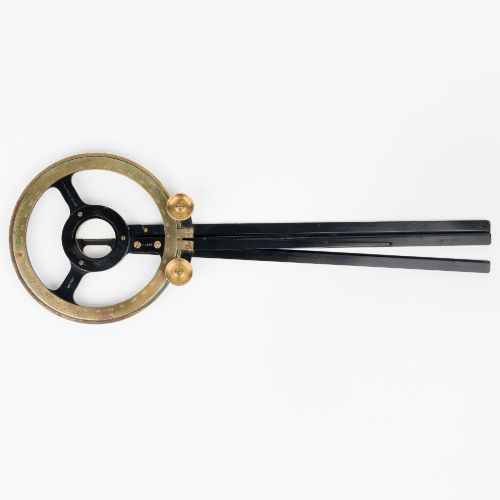
Maritime antiques span navigational instruments, oil paintings, watercolours, and brass-bound storage chests originating from the nineteenth and early twentieth centuries.
Maritime Antiques
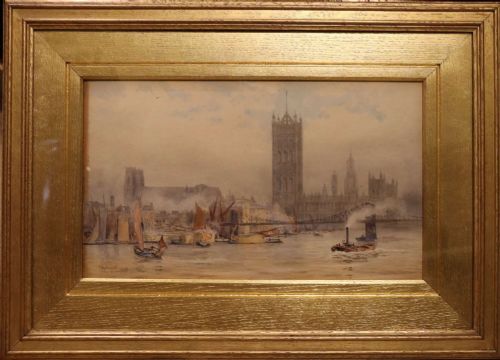
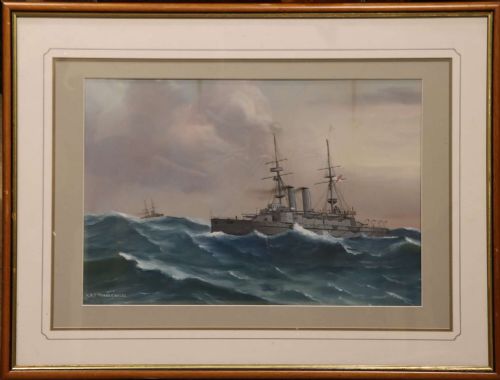
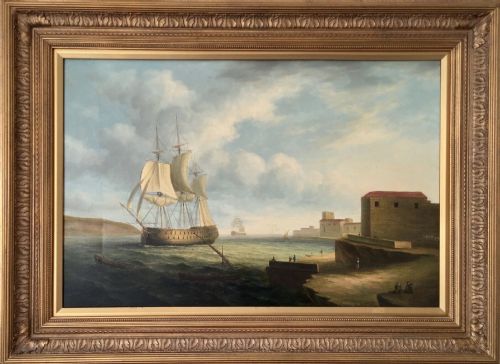
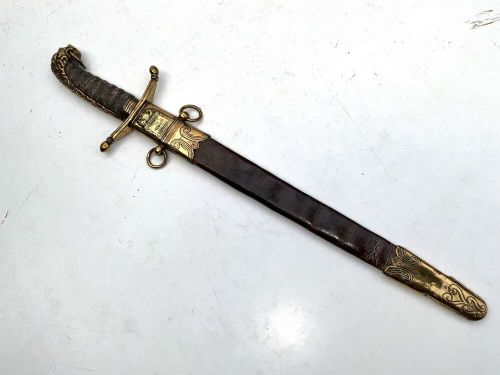
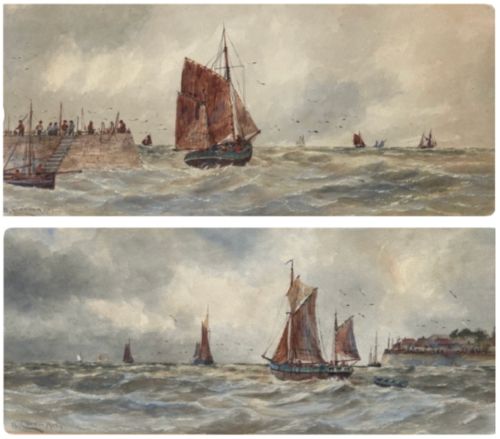
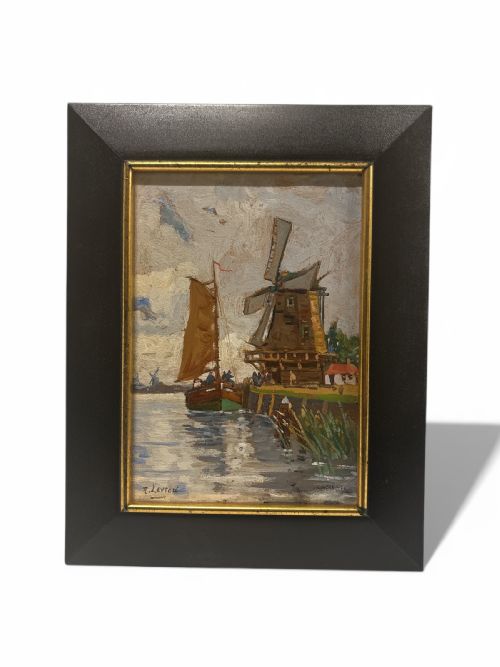
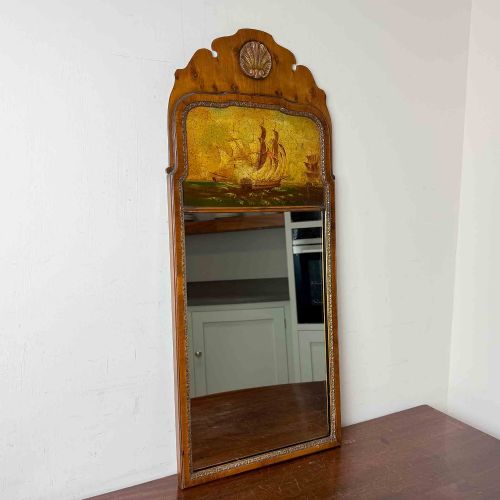
Maritime antiques encompass objects related to seafaring, coastal life, and naval history, predominantly sourced from the Victorian, Edwardian, and early twentieth-century periods. Buyers searching for maritime antiques commonly encounter paintings of seascapes and harbour scenes, alongside scientific instruments and storage trunks.
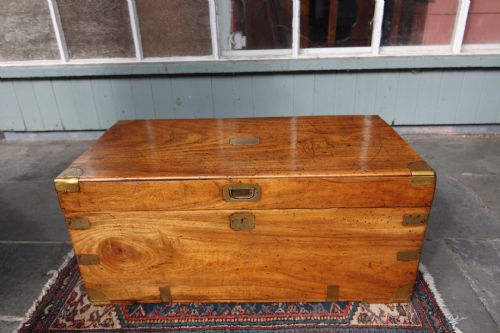
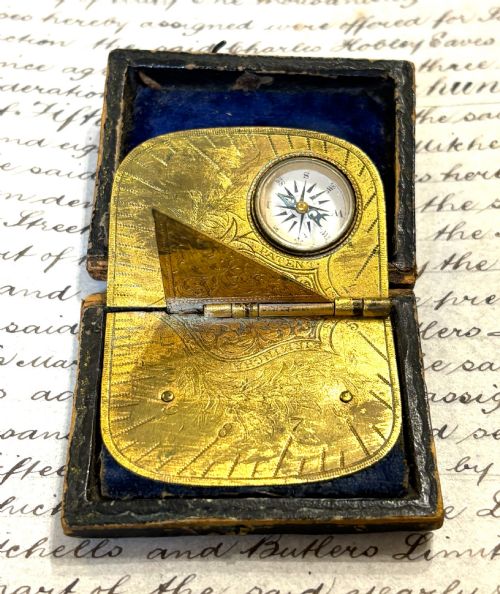
The material record includes brass-bound camphor wood and teak campaign chests designed for travel, alongside pocket barometers and pocket sundials. Wall art ranges from detailed oil paintings on canvas and board to watercolours depicting British and European coastal views.
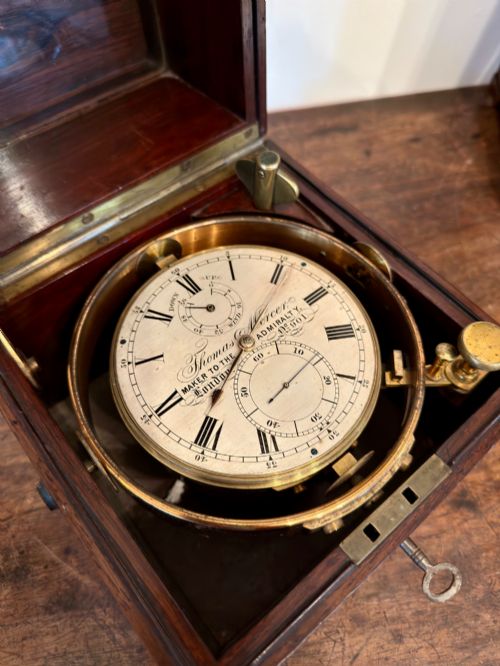
Navigational equipment such as chronometers and port holes feature alongside decorative metalware, silver-plated wine coolers, and woolwork pictures known as woolies. These pieces reflect the maritime heritage of the nineteenth and early twentieth centuries through both functional hardware and artistic representations.
How they were made
Woodwork and metalworking define the physical construction of these objects, utilising brass bindings, cast iron, and durable timbers such as camphor wood, teak, and yew. Campaign chests and trunks relied on corner brackets and flush-fitting hardware to withstand transit by sea and land.
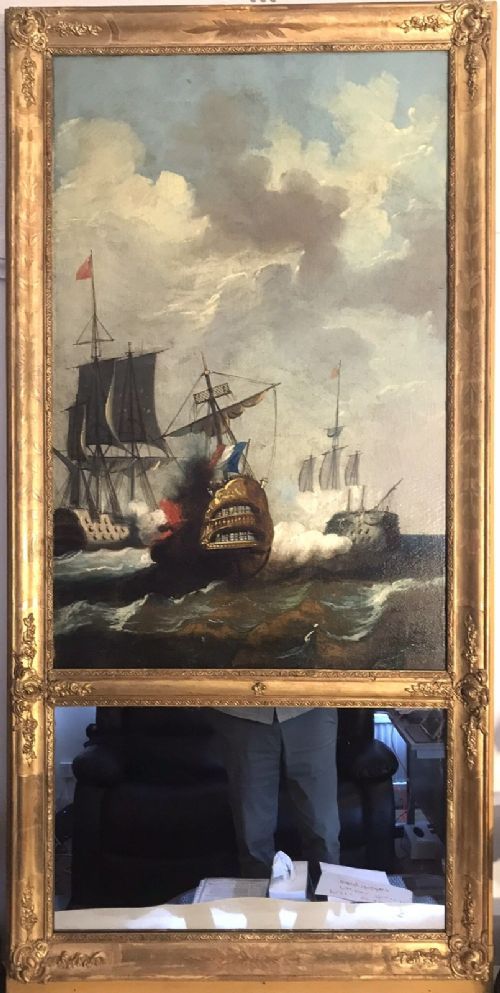
Fine art works were produced using oil paint on canvas or board, watercolour on paper, and pastel, employing artists' pigments framed in wood or gilt surrounds. Scientific and navigational tools combined turned brass, glass lenses, and paper dials housed in fitted wooden or leather cases.
Materials recorded across the archive include brass, glass, wood, camphor wood, paper, and oil on canvas.
What varies in quality
Quality in these pieces depends upon the precision of the maker's hand, whether in the delicate brushwork of a signed coastal watercolour or the exact calibration of a brass scientific instrument. Finer examples retain original patination on timbers like camphor wood and intact glass components without replacement parts.
Artistic execution separates standard decorative paintings from works by listed artists with documented exhibition histories. The integrity of campaign hardware, the legibility of engraved maker signatures, and the original state of woolwork details further distinguish the range.
Mercer of London·Negretti and Zambra
The Maritime Antiques Glossary
- Camphor wood
- A fragrant timber native to Asia utilised for storage chests and trunks due to its natural insect-repellent properties. It resists humidity and warp, making it suitable for nautical travel.
- Campaign chest
- A modular storage cabinet built in sections with recessed brass handles and corner brackets designed for military officers or sea captains on the move. These pieces dismantle for transport.
- Woolie
- A traditional embroidered textile picture created by sailors using coloured wool yarns to depict ships, often incorporating padded elements and cotton stitching on canvas backgrounds.
- Chronometer
- A precision timepiece designed to maintain accurate time at sea for navigation and longitude calculation. They often feature gimbal mounts to keep the dial level on a rolling ship.
- Port hole
- A heavy brass ring and hinged circular window frame salvaged from ships. They provide structural ventilation and light in marine architecture.
Maritime Antiques: Frequently Asked Questions
What periods do these pieces date from?
The listings span the eighteenth, nineteenth, and early twentieth centuries, with a strong concentration of Victorian and Edwardian items. Dates range from Georgian examples up to works produced in the nineteen-thirties.
Most items originate from the Victorian era and the decades immediately following, reflecting the height of British maritime activity and coastal art production.
How were camphor wood chests used?
Camphor wood chests served as durable storage trunks for sailors, officers, and travellers journeying by ship. The dense, aromatic wood protected uniforms and personal possessions from damp conditions and insects during long voyages.
Their robust construction with brass bindings allowed them to withstand the rigorous demands of transport in ship cabins and on campaign.
What subjects appear in the paintings?
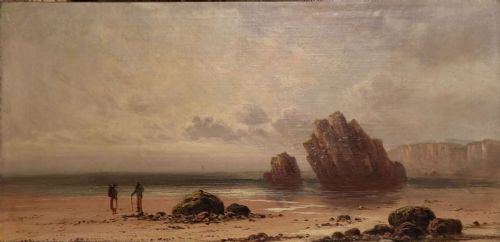
The artwork depicts coastal landscapes, fishing boats, sailing ships, harbour scenes, and stormy seascapes. Pieces include British coastal views from locations such as St Ives and Brighton, alongside French harbour scenes and historical marine events.
Artists utilised watercolour, oil on canvas, and pastels to capture varying weather conditions, port activities, and portraits of naval personnel and merchant captains.
How should I care for brass items?
Brass components on chests, instruments, and port holes require dusting with a soft, dry cloth to prevent the accumulation of surface dirt. Avoiding harsh chemical cleaners preserves the natural aged patina developed over decades.
Maintaining a stable indoor humidity helps protect both the metal elements and the underlying woods, such as teak and camphor, from drying out.