


Georgian Maritime Antiques
Georgian maritime antiques capture the ventures of naval expansion through instruments, paintings and camphor chests.
Georgian Maritime Antiques
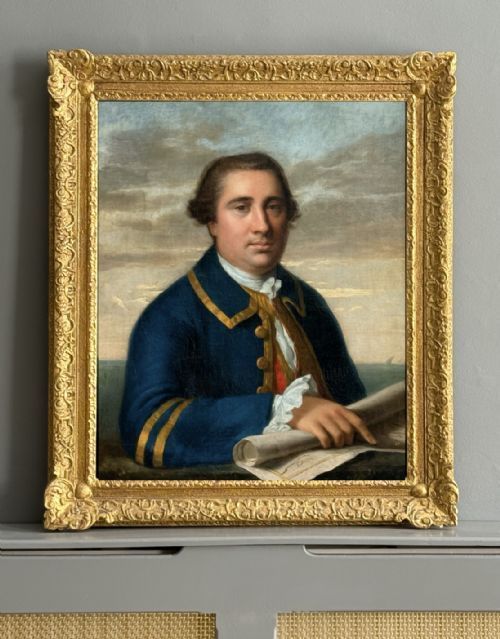
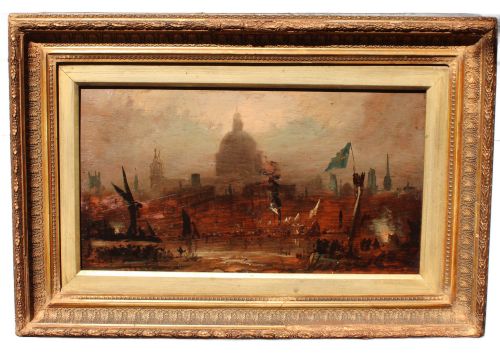
Georgian maritime antiques encompass artefacts tied to naval exploration, seafaring trade and coastal life during the eighteenth and early nineteenth centuries. Buyers encounter oil paintings of warships and harbour scenes alongside practical navigation tools such as compasses and telescopes.
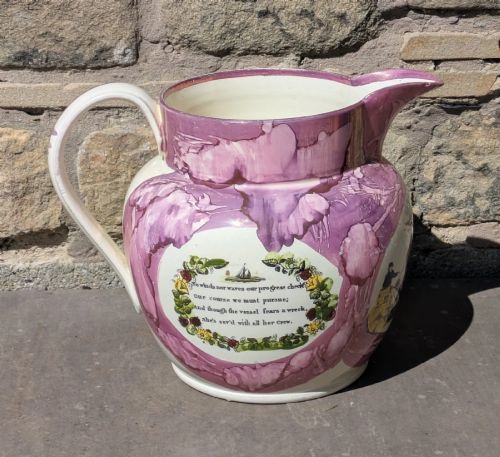
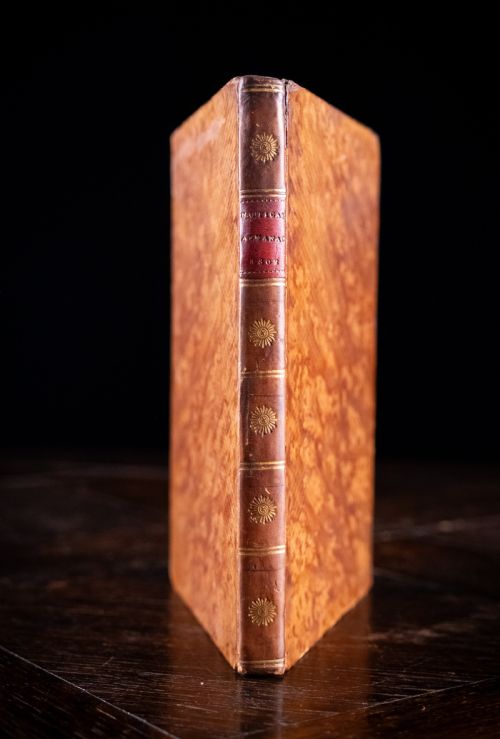
Objects range from portable brass sundials and campaign furniture to ceramic jugs and leather-bound almanacs. Pieces often reflect the period's global voyages and naval conflicts through detailed craftsmanship.
Materials and construction
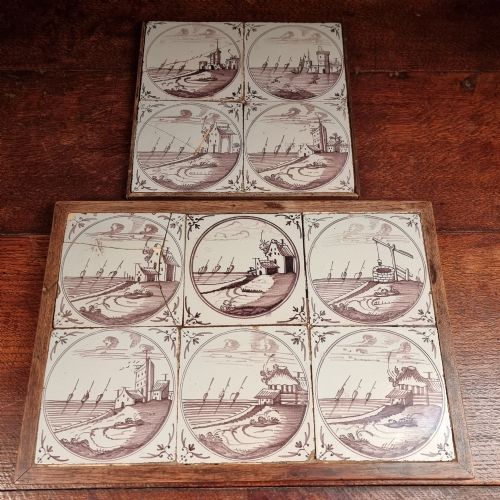
Painted works utilise oil on canvas, enamel and paper prints, while decorative items incorporate papier-mâché, Delft tiles and pink lustre ceramics. Instruments combine hand-polished brass with engraved paper dials and glass lenses.
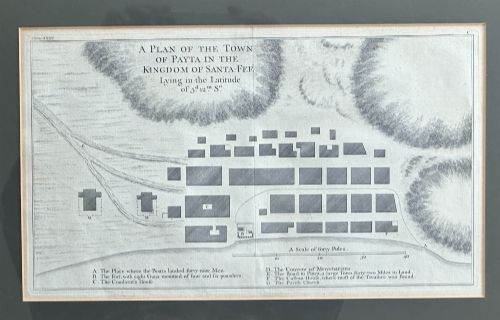
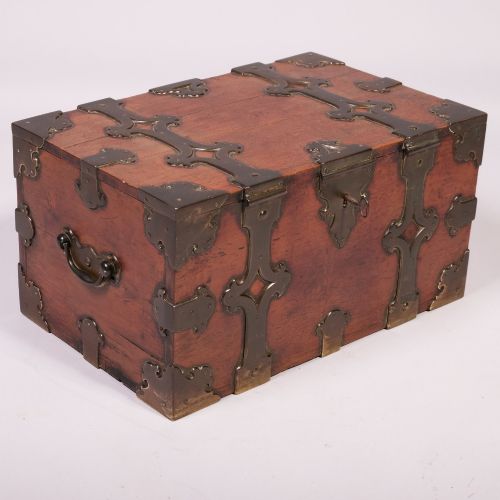
Listings feature 18th-century maps detailing global voyages alongside brass-mounted camphor caskets and navigational books.
Assessing quality and authenticity
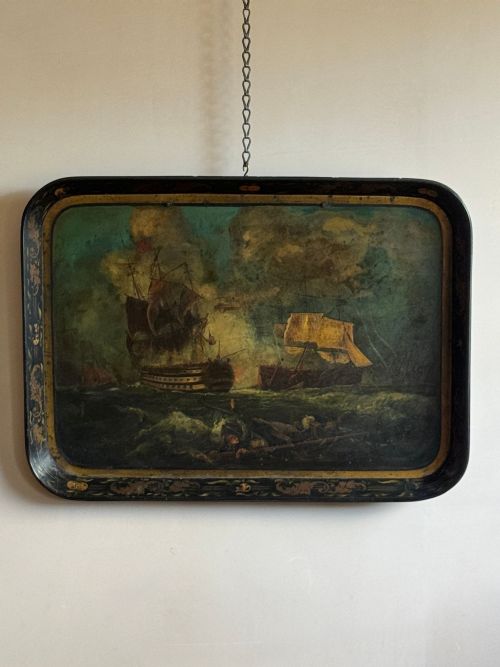
Quality rests in the precision of scientific mechanics, the subtlety of artist brushwork and the originality of maritime hardware. Fine instruments exhibit crisp engraving on brass dials and retain accurate sighting components, whereas superior paintings show precise rigging detail and accomplished handling of light on water.
Condition and unaltered surfaces distinguish better examples, particularly in sea chests and campaign furniture where original brass mounts and handles remain intact. The clarity of hand-coloured aquatints and the integrity of early glass vessels further elevate an item's standing.
LEMUEL FRANCIS ABBOTT·Francis Hayman·Thomas Webbe·Samuel Porter·George Morland
The Georgian Maritime Antiques Glossary
- Campaign table
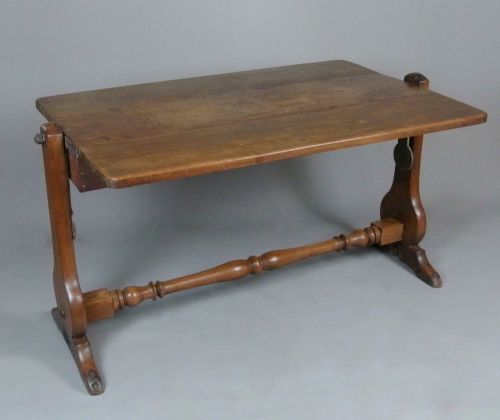
- A portable folding table designed for officers on military or naval campaigns. These pieces utilise sturdy timbers like teak and feature collapsible legs for easy transport.
- Camphorwood
- A fragrant wood valued for sea chests and caskets because its natural oils repel insects. This material remains resilient in humid sea air.
- Aquatint
- A printmaking technique that produces tonal areas resembling watercolour washes. Maritime printmakers utilised this method to render coastal scenes and naval engagements.
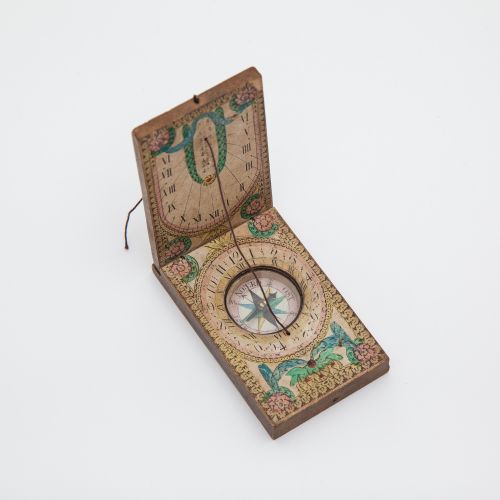
- Diptyche
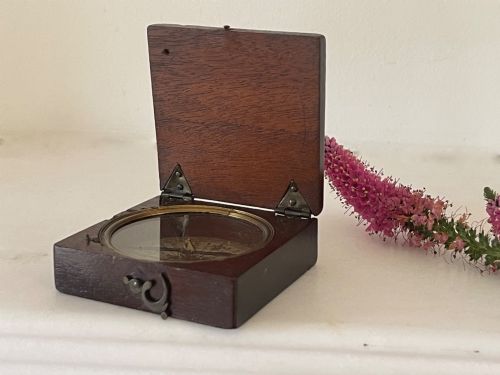
- A portable instrument featuring two hinged panels containing a sundial and compass. Sailors used these pocket devices for navigation at sea and on land.
- Rummer
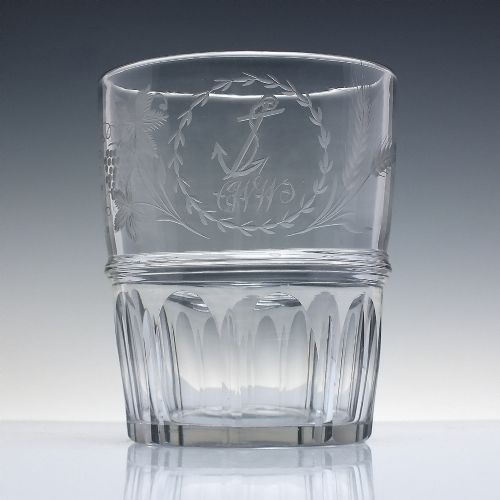
- A large heavy drinking glass popular in the eighteenth and nineteenth centuries. These vessels frequently display engraved shipping scenes or commemorative bridges.
Georgian Maritime Antiques: Frequently Asked Questions
What are Georgian maritime antiques?
These pieces comprise artefacts produced during the Georgian era that relate to seafaring, naval warfare and maritime trade. They include navigational gear, fine art, furniture and personal items used at sea.
Items range from scientific compasses and brass telescopes to oil paintings of warships and sturdy sea chests built from camphorwood.
How were portable instruments used?
Navigators and travellers relied on pocket sundials, diptychs and compasses to determine direction and time while away from home ports. These tools were essential for positioning vessels and coordinating journeys.
Craftsmen housed them in compact brass or wooden cases designed to endure the rough conditions aboard ship.
How do I care for wooden sea chests?
Camphorwood and teak chests require stable indoor humidity away from direct heat sources to prevent the wood from splitting. Gentle dusting and occasional treatment with suitable natural oils help preserve the finish.
Keep brass mounts clean with a soft cloth to maintain their lustre without harsh chemical polishes.
How can I tell an 18th-century painting?
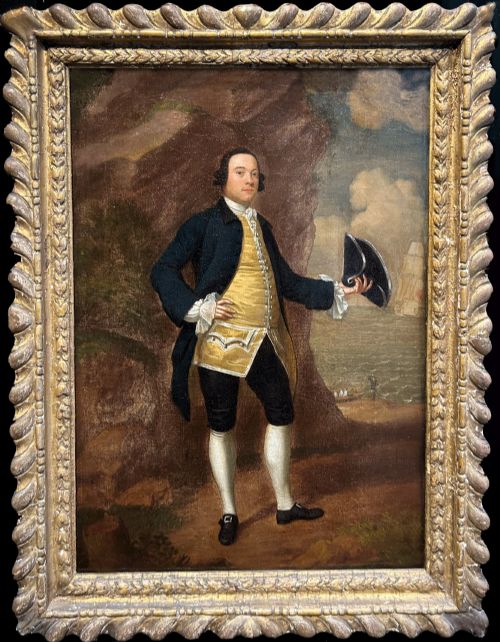
Eighteenth-century maritime canvases often depict specific vessel types like ships of the line, frigates or galleons with accurate rigging and contemporary dress in the figures. Pigment analysis and canvas weave help confirm the period.
Stylistic conventions of the era favour dramatic seascapes or formal captain portraits executed in oil.