




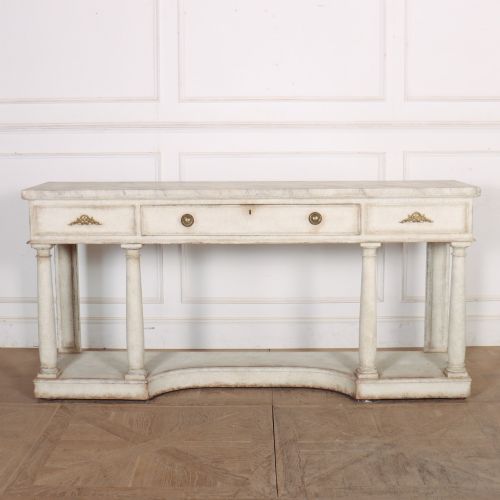
Marble Top Column
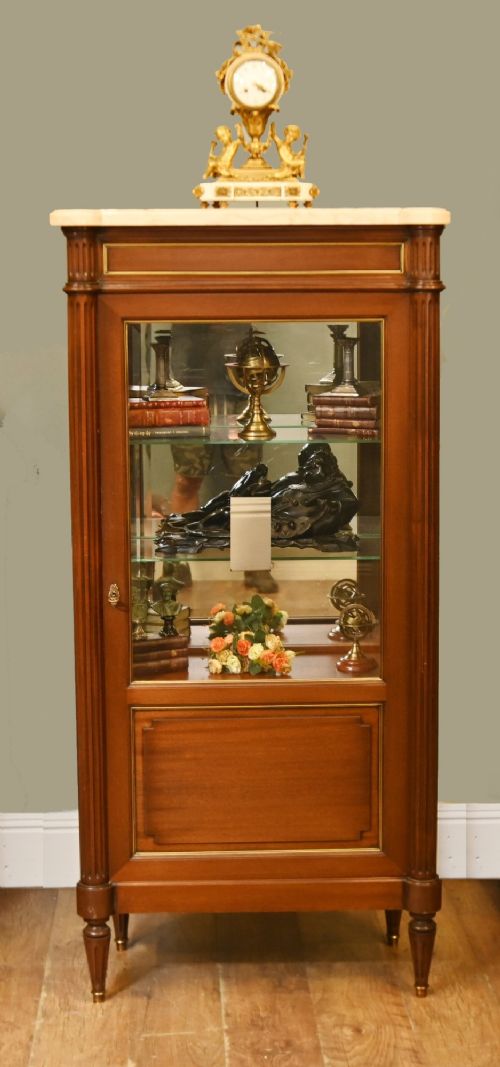
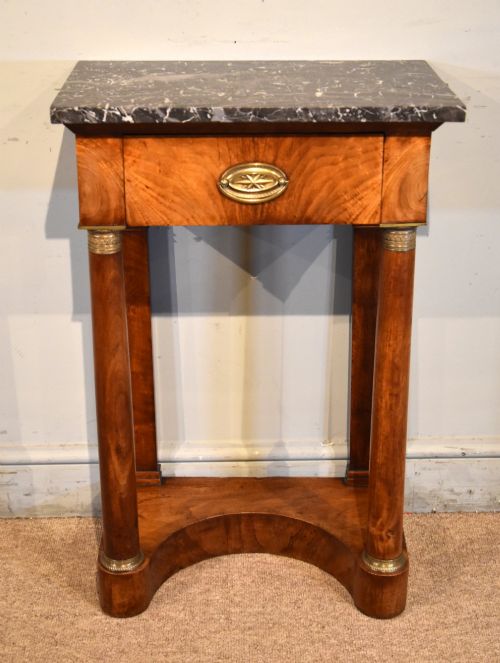
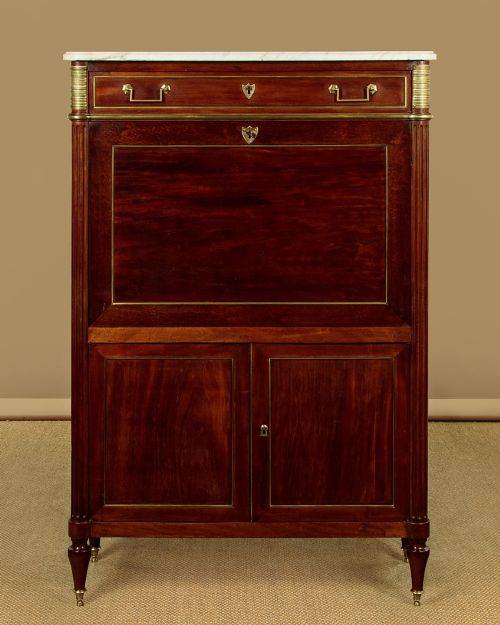
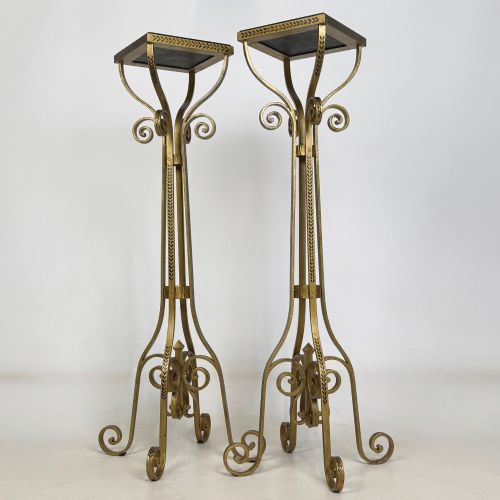
These marble top column pieces are substantial vertical supports and display surfaces designed to hold plants, lamps or sculpture while introducing classical weight to a room.
Marble Top Column
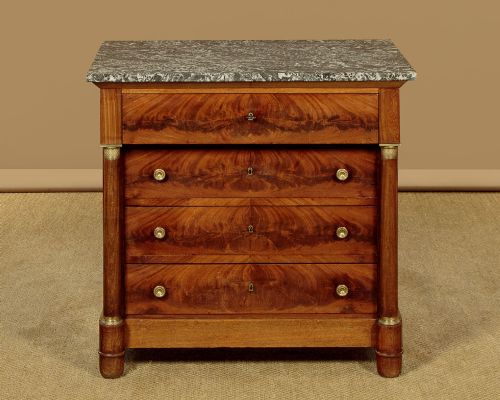
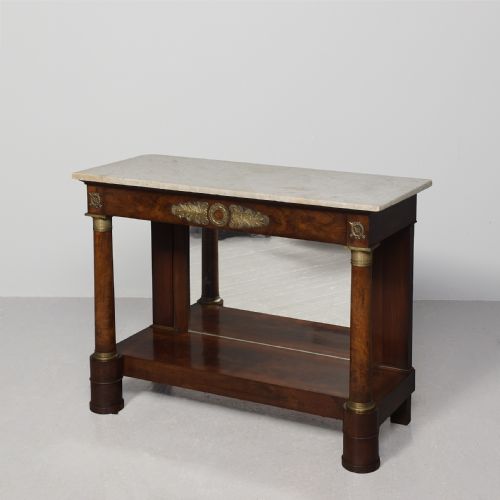
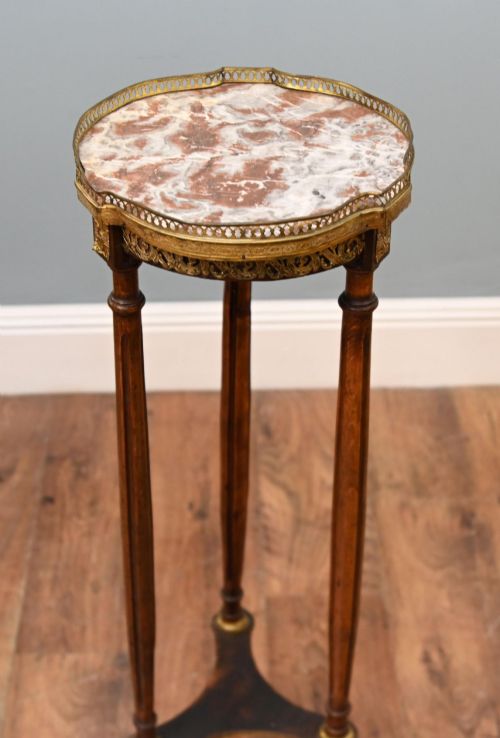
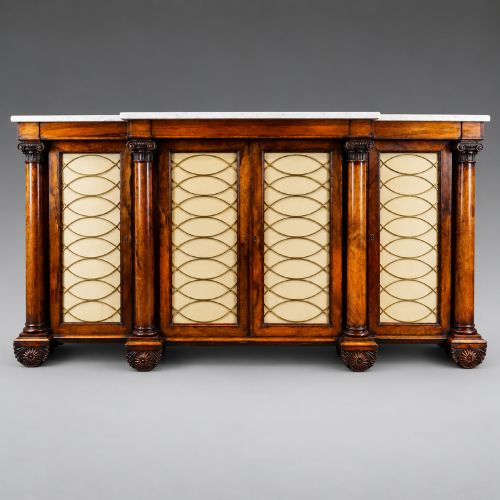
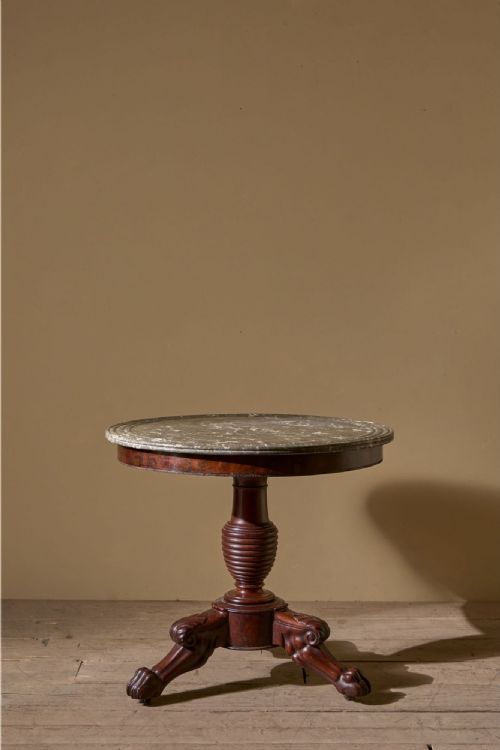
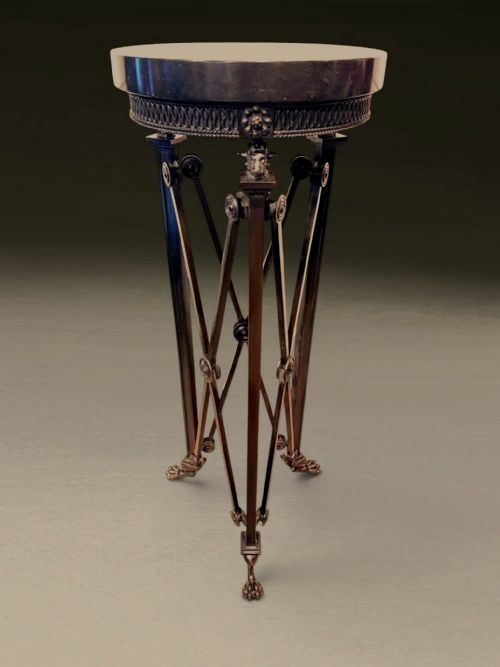
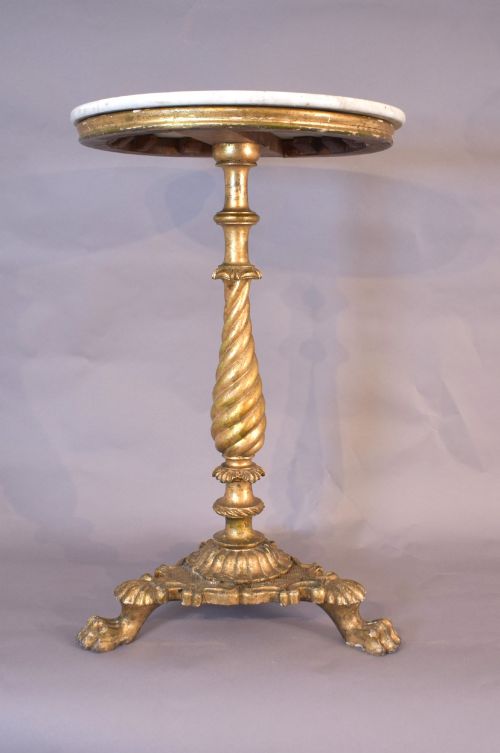
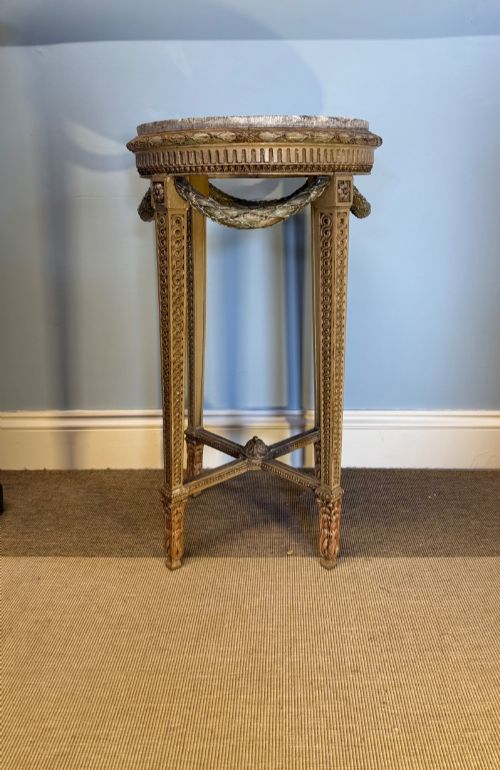
When you search for a marble top column, you encounter plant stands, pedestals, gueridon tables, and bedside cabinets dating from the nineteenth and early twentieth centuries. The nineteenth century yields the highest volume of examples, spanning Regency, Victorian, and Edwardian periods alongside French Empire and Louis XVI styles.
Most pieces function primarily to elevate display items, taking the form of tall pedestals, torcheres, or columned cabinets. The architectural structure borrows heavily from classical orders, translating stone and timber into vertical furnishings for domestic interiors.
Materials and construction
Makers combined solid timbers such as mahogany, walnut, satinwood, and pine with contrasting polished stone surfaces. Giltwood, ormolu mounts, and cast brass frequently embellished the wooden structures, adding metallic highlights to the design.
The top surfaces utilise various forms of stone, including grey marble, onyx, alabaster, and scagliola. These heavy slabs rest upon turned columns, tripods, or multi-tiered wooden framing held together by traditional joinery.
Marble Top Column Retail Price Guide 2026
Typical asking prices for marble top column among the pieces listed under this phrase on Sellingantiques today, from the lower quarter to the upper quarter. They describe what is for sale here now, not the wider market.
Some nineteenth-century tables feature clever faux marble painted cylinders, proving that ingenious budget alternatives existed long before modern laminates.
Craftsmanship and materials
Quality rests upon the selection of materials and the crispness of decorative detail. Finely carved timber, fire-gilded ormolu mounts, and finely figured marble slabs distinguish finer workshop production from simpler domestic utility items.
Proportion and structural stability dictate the success of the piece. Superior examples maintain balance and vertical plumb, integrating the stone top securely with the wooden or metal column below without awkward transitions.
The Marble Top Column Glossary
- Gueridon
- A small round table, typically used as a stand for a lamp or decorative object. Originating in seventeenth century France, the form persisted across subsequent revival periods.
- Torchere
- A tall stand or candlestick designed to hold a light source or plant. These slender supports often feature carved timber columns and small raised platforms.
- Ormolu
- Gilt bronze mounts applied to furniture and decorative objects. The technique involves coating metal in a finely ground gold mercury amalgam and heating it.
- Scagliola
- A composite material made from selenite, glue, and pigments, mimicking marble and other hard stones. Craftsmen inlaid and polished the mixture to create decorative panels.
- Pietra dura
- An artistic technique using cut and fitted polished coloured stones to create pictorial designs. It appears on tabletops and decorative panels from grand tour collections.
Marble Top Column: Frequently Asked Questions
What were marble top columns used for originally?
These pieces served as elevated display surfaces in formal rooms. Households placed them in hallways, drawing rooms, and libraries to hold heavy items such as bronze sculptures, potted plants, lamps, and ornamental vases.
The stone top provided a durable, cool surface that resisted water damage from plant pots and wax drips from candles. Their height drew the eye upward, reinforcing classical interior architecture.
How do I care for a marble top?
Marble is a soft, porous stone that absorbs liquids and acids easily. Clean the surface using a damp cloth with mild soap, avoiding vinegar, citrus cleaners, or abrasive powders that etch or scratch the polish.
Use coasters or protective felt pads beneath planters, vases, and lamps. Applying a specialised stone wax helps protect the finish from moisture rings and daily wear.
How can I tell a Victorian pedestal from a Regency one?
Regency pieces often exhibit classical restraint, drawing heavily on Greek and Roman archetypes with bronze mounts, rosewood veneers, and severe architectural lines. They date from the early nineteenth century.
Victorian examples tend toward heavier proportions and more ornate carving, incorporating walnut, mahogany, and diverse revival styles such as French Rococo or Gothic. Their construction reflects industrial manufacturing advances of the later nineteenth century.
What is the difference between a pedestal and a plant stand?
Pedestals generally feature heavier architectural column designs intended to elevate sculptural busts or urns, drawing directly on classical orders. They often employ dense timbers and stone.
Plant stands are typically lighter, sometimes incorporating multiple tiers, brass jardinieres, or painted finishes designed specifically for domestic horticulture and floral displays.