





Bronze Mounted Plinth
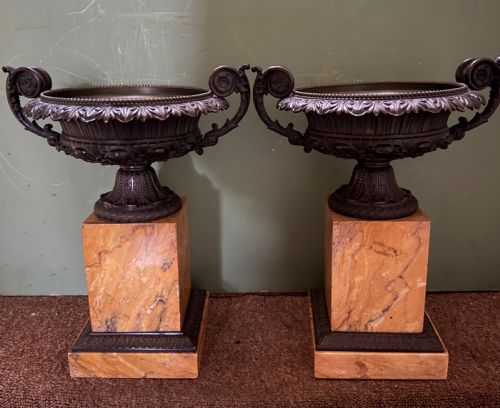
A bronze mounted plinth combines cast metalwork with carved stone to elevate sculptures, busts, or architectural models with classical gravity.
Bronze Mounted Plinth
A bronze mounted plinth serves as a structural base for display, bringing together hard stone columns and metal fittings. When you search for a bronze mounted plinth, you encounter nineteenth-century pedestals, architectural fragments, and sculptural bases designed to support decorative art.
The objects appearing here span from the nineteenth century into the Edwardian era, taking the form of tall pedestals, rotating stands, and low marble mounts for bronze studies. French Neoclassical and Rococo designs dominate the selection, alongside Italian Grand Tour souvenirs and military subjects.
Many examples pair coloured marbles such as portoro, verde antico, and white marble with ormolu collars or gilt bronze mounts. These pieces function both as independent decorative items and as plinths meant to display figures, urns, and models.
Materials and Construction
Stone is fundamental to these pieces, utilising turned marble, onyx, alabaster, and black slate to form columns, bases, and stepped plinths. Wood and cast-iron occasionally appear as core materials for specific stands and sculptural mounts.
Metal ornamentation relies on bronze, gilt bronze, ormolu, and brass, cast and chased into collars, feet, and decorative mounts. These metal elements are secured to the stone body through mechanical fixings or integrated directly into the design.
Bronze Mounted Plinth Retail Price Guide 2026
Typical asking prices for bronze mounted plinth among the pieces listed under this phrase on Sellingantiques today, from the lower quarter to the upper quarter. They describe what is for sale here now, not the wider market.
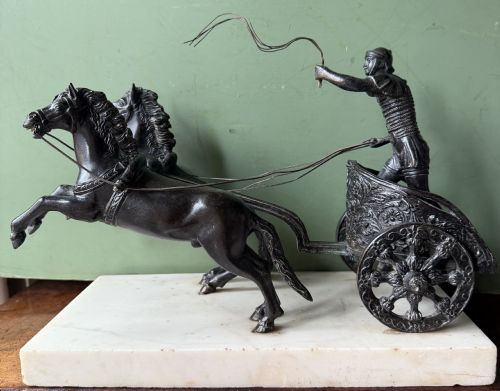
An albatross on the wing shares space with prancing horses and bronze lions atop marble plinths.
Determinants of Quality
Quality rests in the crispness of the metal chasing and the selection of the stone. Superior pieces feature finely articulated ormolu mounts with sharp detail, paired with rich, well-figured marble or onyx bases.
Construction methods also separate standard production from exceptional work, particularly in the precision of the stone turning and the secure integration of heavy bronze elements to marble plinths.
B. Grundmann
The Bronze Mounted Plinth Glossary
- Ormolu
- Gilt bronze created by applying a mercury and gold amalgam to cast bronze. This technique produces a durable, warm golden finish seen on nineteenth-century mounts.
- Portoro
- A distinctive black marble featuring prominent golden-yellow veins. It originates from Italy and appears frequently on classical plinth bases.
- Verde Antico
- A dark green serpentine marble historically quarried in Greece and Italy. It provides a rich, mottled green background for bronze sculptures.
- Grand Tour
- A traditional educational journey through Europe undertaken by young upper-class men. Souvenirs included small bronze studies and architectural models mounted on marble plinths.
- Neoclassical
- An artistic style drawing inspiration from the classical art and culture of ancient Greece and Rome. This aesthetic guides the proportion and ornament of many pedestals and mounts.
Bronze Mounted Plinth: Frequently Asked Questions
How were bronze mounted plinths originally used?
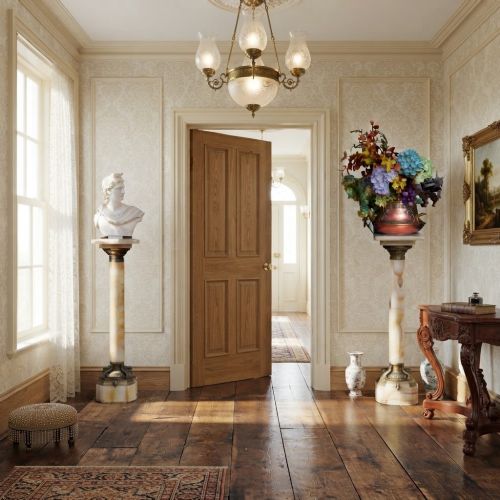
These pieces served as display stands for cabinet bronzes, portrait busts, decorative urns, and architectural models in nineteenth-century interiors. They elevated artworks to eye level while adding architectural dignity to a room.
Larger variations functioned as freestanding pedestals supporting heavy sculptures or candelabra, while smaller plinths anchored cabinet-sized bronzes and Grand Tour souvenirs.
What stones are typically found on these pieces?
The stones used include white marble, black marble, onyx, alabaster, and specific decorative varieties like portoro and verde antico. Each material brought distinct colour and weight to the display.
Turned columns and stepped bases often showcase the natural veining of the stone, providing a contrasting backdrop to the gilt bronze or ormolu mounts.
How do I distinguish nineteenth century styles?
Nineteenth-century pieces often draw on Neoclassical, French Rococo, or Classical Revival idioms. Look at the character of the bronze mounts and the turning of the marble column for period cues.
French chateau and Louis XVI style pedestals display exuberant ormolu scrollwork and garlands, whereas earlier Regency and Grand Tour examples favour restrained classical lines.
Are these plinths sturdy enough for heavy sculptures?
Most of these pieces are constructed from dense stone and heavy cast metals, giving them substantial weight and stability. They were built specifically to support solid bronze figures and marble busts.
When placing items upon them, ensure the weight distributes evenly across the top surface and that any rotating mechanisms are properly balanced.