




Marquetry Pedestal Column
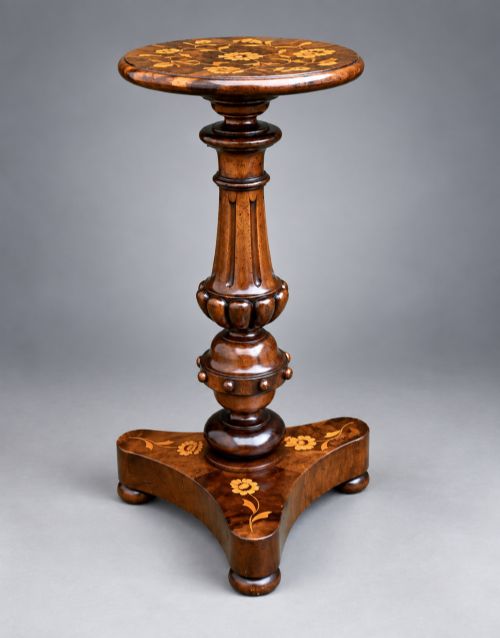
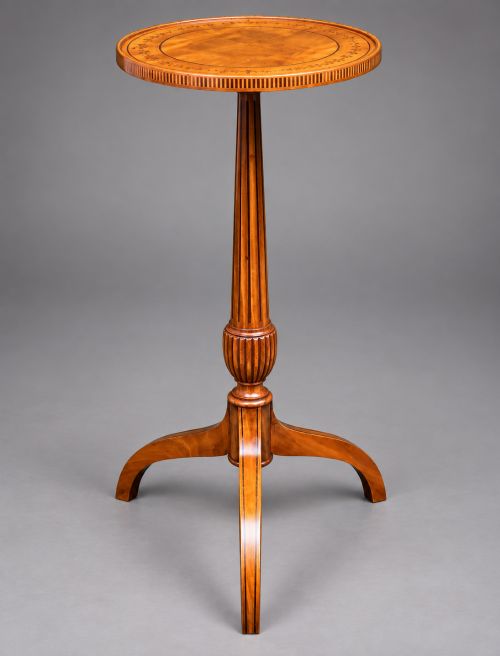
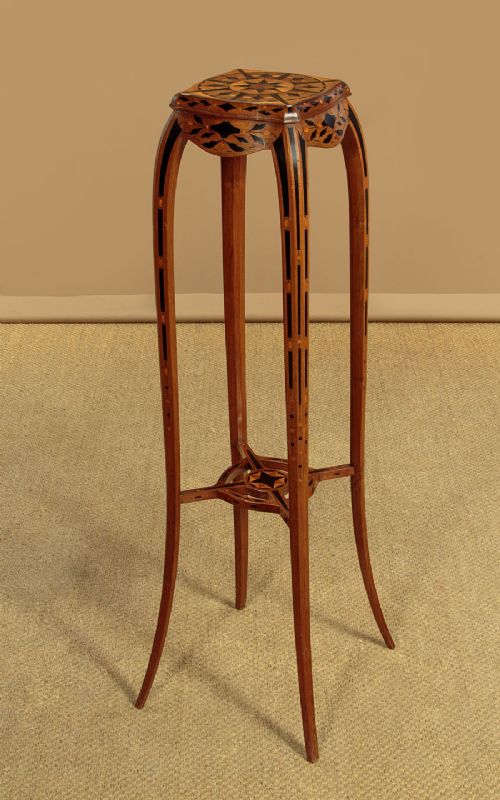
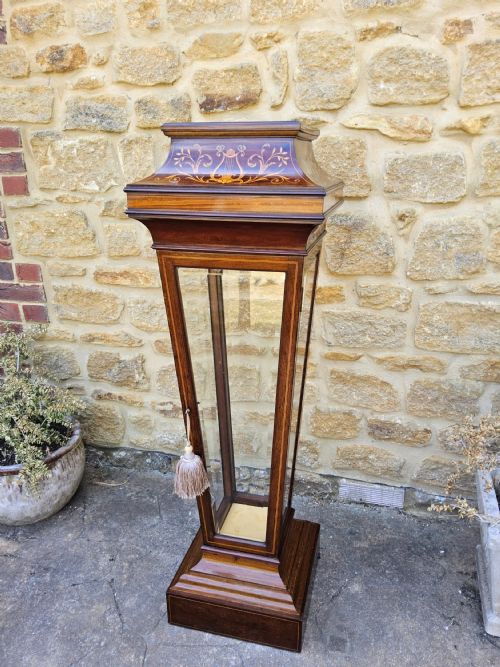
These marquetry pedestal column pieces combine fine timber construction with intricate inlaid decoration, offering a striking support for display in any traditional room.
Marquetry Pedestal Column
A marquetry pedestal column serves primarily as a decorative support for ornaments, lamps, or plants within a room. When you examine a marquetry pedestal column listed here, you encounter forms that span the nineteenth century, the Edwardian period, and Regency eras.
The selection includes tall pedestals alongside occasional tables, wine tables, and plant stands that share column structures and inlaid surfaces. Styles range from Sheraton Revival and Dutch Marquetry to Louis XVI and Italian Sorrento designs.
Makers produced these functional items using varied timbers such as walnut, mahogany, satinwood, and oak. Buyers frequently find pieces featuring elaborate specimen wood arrangements or fruitwood marquetry patterns.
Materials and construction methods
Craftsmen utilised robust primary woods like mahogany, walnut, and oak to form the core structure of the column and top. Surface decoration relies on careful application of contrasting veneers, including satinwood, ebony, and fruitwood.
Makers applied intricate marquetry and inlay techniques to create pictorial or geometric designs across the timber surfaces. Ormolu mounts appear on specific styles, adding cast brass enrichment to the wooden columns.
Marquetry Pedestal Column Retail Price Guide 2026
Typical asking prices for marquetry pedestal column among the pieces listed under this phrase on Sellingantiques today, from the lower quarter to the upper quarter. They describe what is for sale here now, not the wider market.
Assessing quality in inlaid columns
The precision of the veneer work and the complexity of the inlaid motifs distinguish finer examples from standard production. Artisans who employed a diverse palette of specimen woods achieved greater visual depth in the floral and geometric panels.
Structural integrity of the column shaft and stability of the supporting base determine the overall standard of the piece. Integration of cast ormolu mounts and the selection of highly figured burr birch or walnut elevate the character of the design.
The Marquetry Pedestal Column Glossary
- Marquetry
- Decorative veneer applied to wood in detailed patterns or pictorial scenes. Craftsmen cut contrasting pieces of timber to fit precisely within a prepared ground.
- Pedestal
- A tall upright support for a statue, lamp, or vase. These columns elevate decorative objects to eye level within an interior.
- Specimen wood
- Furniture constructed using numerous different species of timber for their natural colour variations. Makers often arranged these woods in geometric or banded patterns.
- Ormolu
- Gilded bronze mounts applied to furniture for decoration. This technique gained particular popularity in French-influenced nineteenth-century designs.
- Torchere
- A tall stand designed to hold a light or a candelabrum. Later examples frequently function as plant stands or display columns.
Marquetry Pedestal Column: Frequently Asked Questions
What is a marquetry pedestal column used for?
These pieces serve as elevated display surfaces for vases, sculptures, lamps, or potted plants in traditional interiors. Their vertical form draws the eye upward while occupying minimal floor space.
Beyond simple display, many incorporate small tabletops or cabinets that offer functional surface area alongside decorative impact. The inlaid columns function effectively as standalone sculptural elements within a room scheme.
How do I date a nineteenth-century pedestal?
Dating relies on examining the underlying timber, the construction joints, and the prevailing decorative style of the period. Pieces from the Regency era display different proportions compared to later Victorian or Edwardian interpretations.
Cabinetmakers of the nineteenth century adapted classical revival styles, shifting from Regency austerity to more ornate Victorian and Louis XVI interpretations. The specific mix of specimen woods and inlay techniques often points toward a particular decade of manufacture.
What woods were used for these columns?
Makers selected stable foundational timbers such as mahogany, walnut, and oak for the main structural columns and tabletops. These sturdy woods provided a reliable base that resisted warping over time.
Surface decoration employed contrasting veneers including satinwood, ebony, fruitwood, and burr birch. Specimen wood examples incorporate dozens of distinct timber varieties to create complex multicolored patterns.
Where should I place a pedestal in a room?
These columns suit corners, entrance halls, or flanking positions beside larger pieces of furniture where vertical height is beneficial. Placing them away from direct heat sources protects the delicate wood veneers from drying out.
Because the inlaid decoration and marquetry panels are visible from multiple angles, standalone placement often highlights the craftsmanship effectively. Ensuring a stable floor surface prevents any wobble when placing heavy decorative objects on top.