
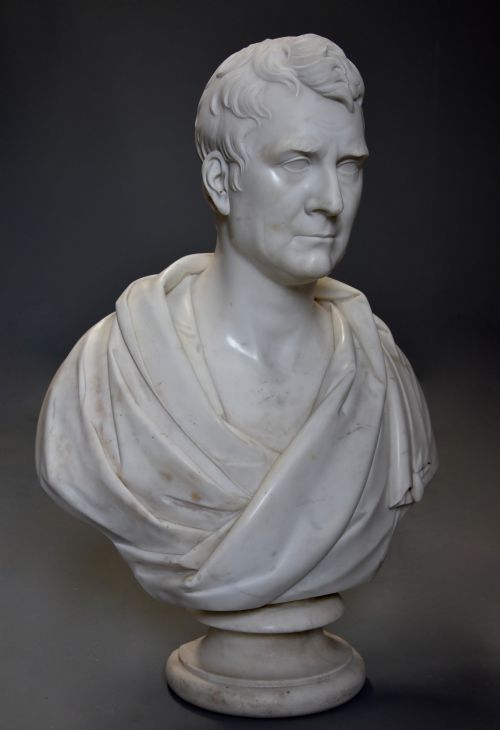
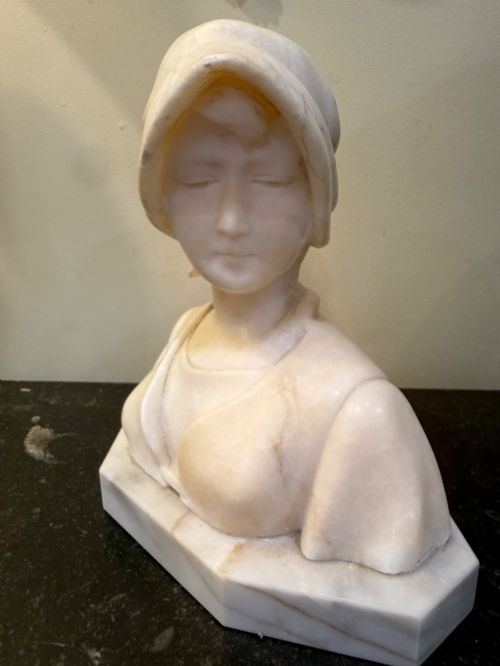

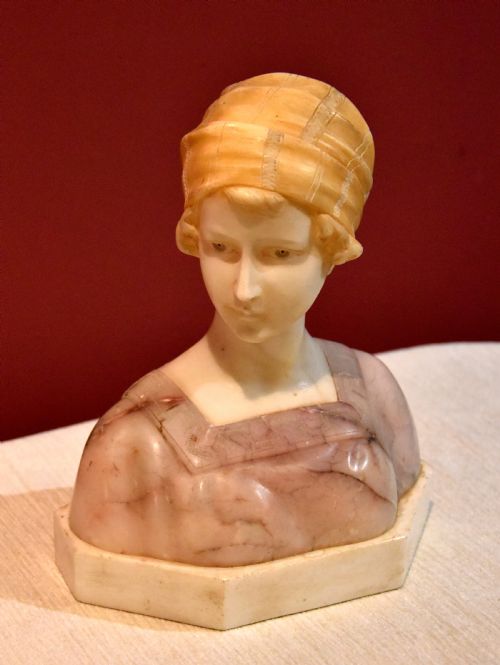
Marble Portrait Sculpture
When you search for marble portrait sculpture, you enter a world of carved likenesses spanning the eighteenth to twentieth centuries, shaped by classical and neoclassical ideals.
Marble Portrait Sculpture
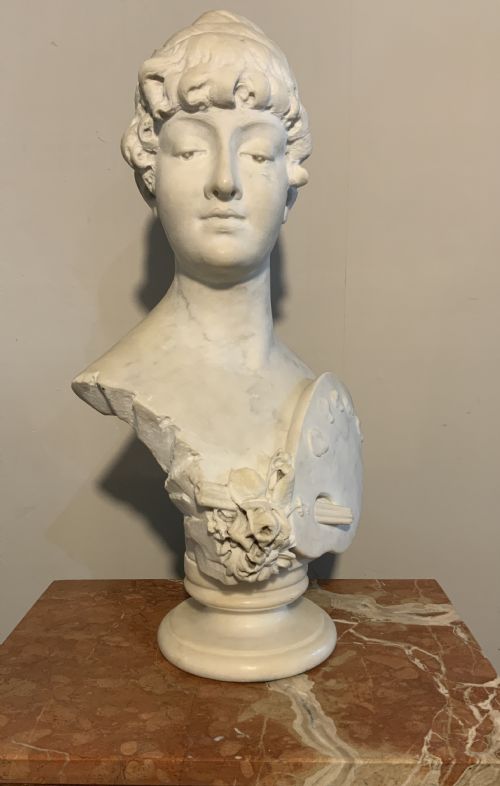
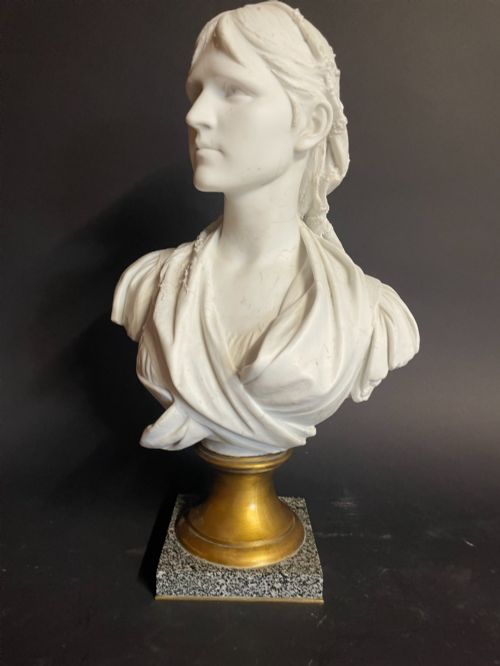
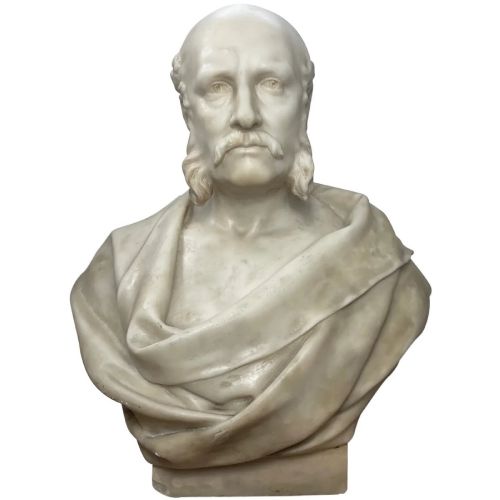
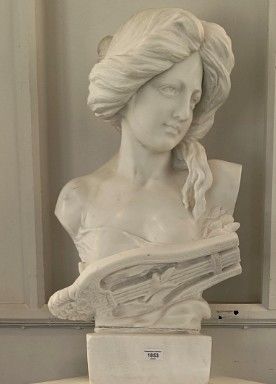
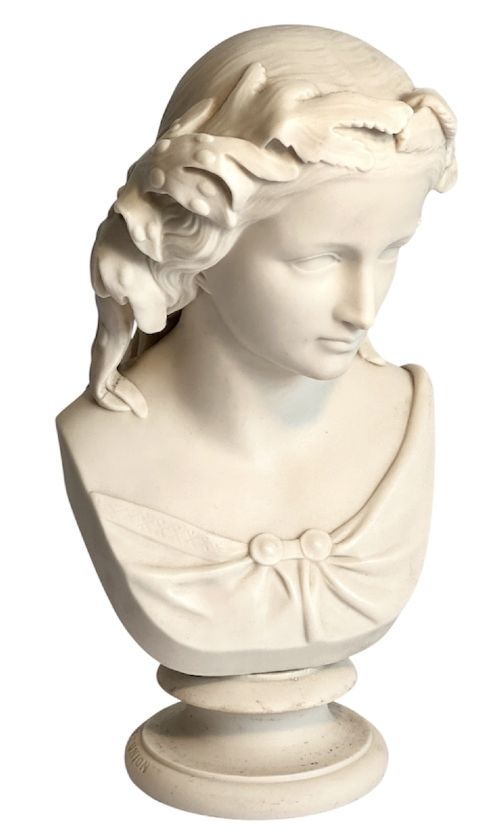
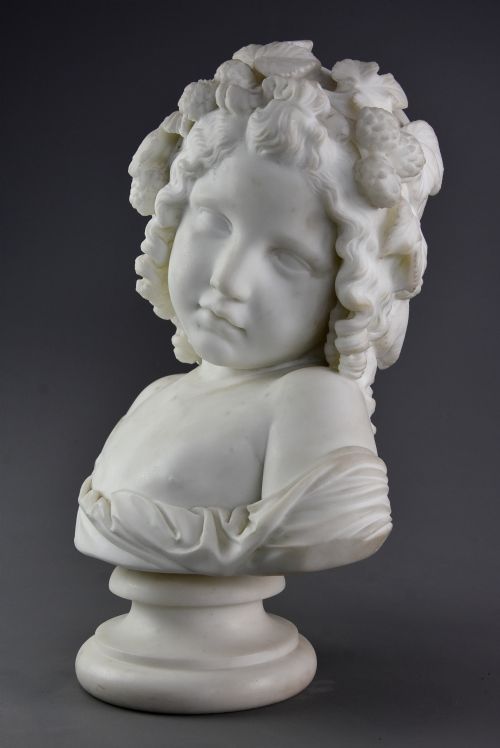
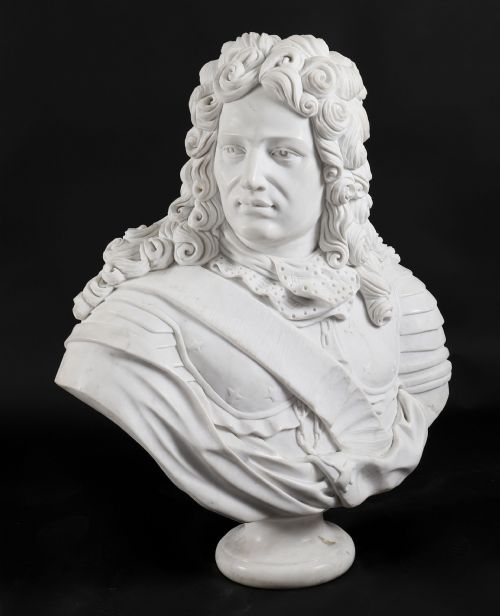
A marble portrait sculpture captures historical figures, mythological subjects, and private citizens through carved representations in stone. These works take the form of portrait busts, profile plaques, and full library busts resting upon integrated or separate bases.
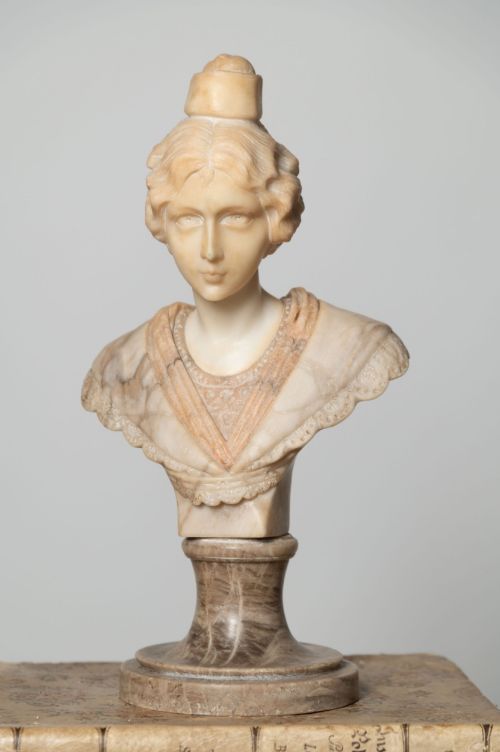
The versions most commonly found here originate from nineteenth-century European workshops, reflecting neoclassical, Victorian, and Art Nouveau aesthetics. Makers frequently rendered notable historical figures, anonymous young ladies, noblemen, and literary characters such as Dante Alighieri.
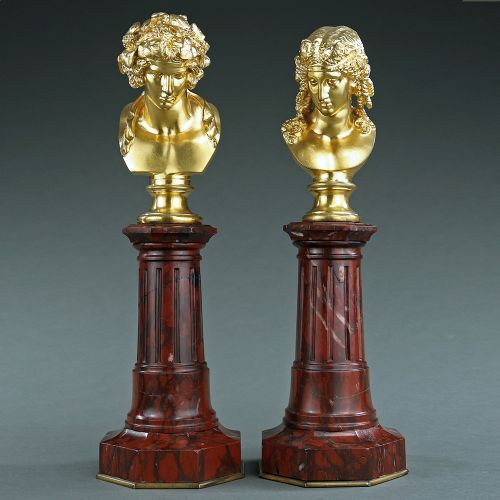
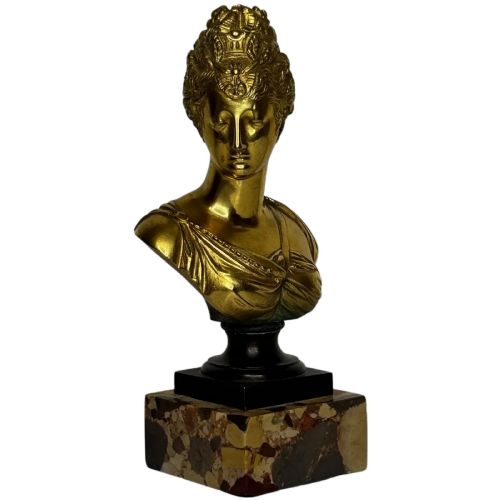
Italian studios and French foundries produced many of these pieces, often utilising Carrara marble, alabaster, and patinated or gilt bronze. They serve as sculptural records of taste, capturing the likeness of politicians, artists, and classical deities.
How they were made
Carvers shaped white marble and Carrara marble using chisels, rasps, and drills to achieve lifelike skin textures and detailed drapery. Alabaster offered a softer stone alternative that allowed workshops to produce translucent effects, particularly on veils and garments.
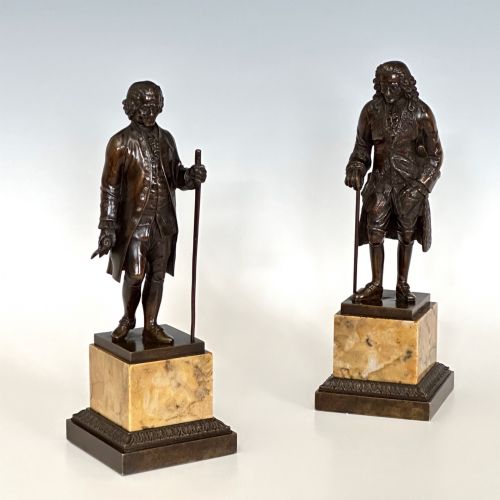
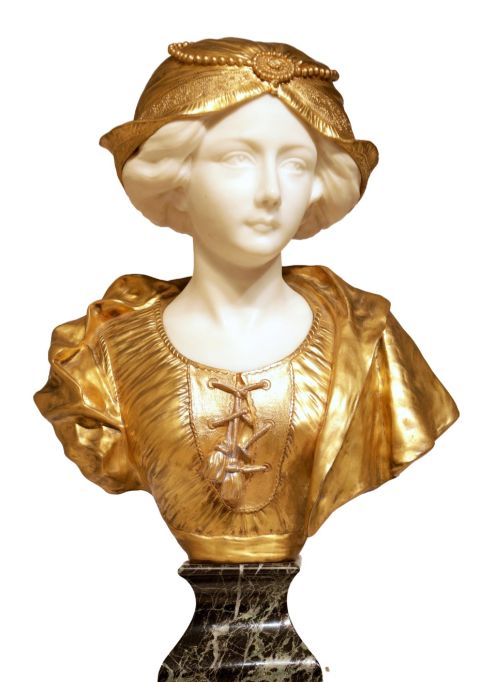
Foundries cast bronze elements using the lost-wax method, subsequently applying patination or gilt finishes. Sculptors frequently combined materials, mounting marble or alabaster busts onto vert de mer marble bases or incorporating bronze robes.
Listings feature works spanning the seventeenth century through to the mid-twentieth century, with a strong concentration of nineteenth-century production.
What varies in quality
The articulation of facial expression and anatomical precision distinguishes superior portraits from standard commercial output. Master carvers captured subtle muscle tension, lifelike gaze, and delicate hair strands rather than relying on uniform, mechanical finishing.
Signatures by documented sculptors and founders elevate a piece, indicating a higher tier of studio production. The choice of unblemished stone, free from distracting natural fissures in the face, also separates exhibition-grade works from ordinary decorative items.
Affortunato Gory·Georges Charles Coudray·John Wenlock Rollins·Alajos Strobl
The Marble Portrait Sculpture Glossary
- Carrara marble
- A type of white or blue-grey marble quarried in the city of Carrara in Tuscany, widely utilised for classical and neoclassical sculpture.
- Alabaster
- A fine-grained, translucent stone that is softer than marble, frequently utilised for nineteenth-century portrait busts and figures.
- Patination
- The process of treating the surface of a bronze sculpture to produce a specific colour or aged finish.
- Grand Tour
- A cultural tour of Europe undertaken by wealthy young men in the eighteenth and nineteenth centuries, resulting in the acquisition of classical art and portraiture.
- Vert de mer
- A dark green marble with white veins, often used for sculptural bases and pedestals.
Marble Portrait Sculpture: Frequently Asked Questions
How were these sculptures displayed?
Historically, portrait busts and sculptures stood in libraries, hallways, and drawing rooms upon wooden pedestals, columns, or library tables. They served to project intellectual taste, family lineage, or admiration for specific historical figures.
Today, collectors place them on sturdy mantels, dedicated pedestals, or architectural consoles where adequate lighting can highlight the carved contours and surface texture of the stone.
How do I identify the period?
Dating relies on stylistic clues, costume details, hairstyles, and occasional signatures or dates carved into the truncation of the bust. Neoclassical and Victorian pieces often display distinct drapery styles and subject matter associated with the nineteenth century.
Materials and base construction also offer guidance, as nineteenth-century pieces frequently employ distinct mounting techniques and specific marble varieties like vert de mer for their socles.
Are bronze and marble combined?
Many nineteenth-century portrait sculptures incorporate multiple materials, pairing cast bronze for garments or hair with marble for the face and neck. Other examples feature a complete bronze bust mounted upon a decorative marble base or column.
French and Italian workshops frequently utilised this mixed-media approach during the Restauration and Art Nouveau periods to create contrast in texture and colour.