




Marble Girl Statue
These marble girl statue pieces bring sculptural grace into your space through carved stone and cast metal.
Marble Girl Statue
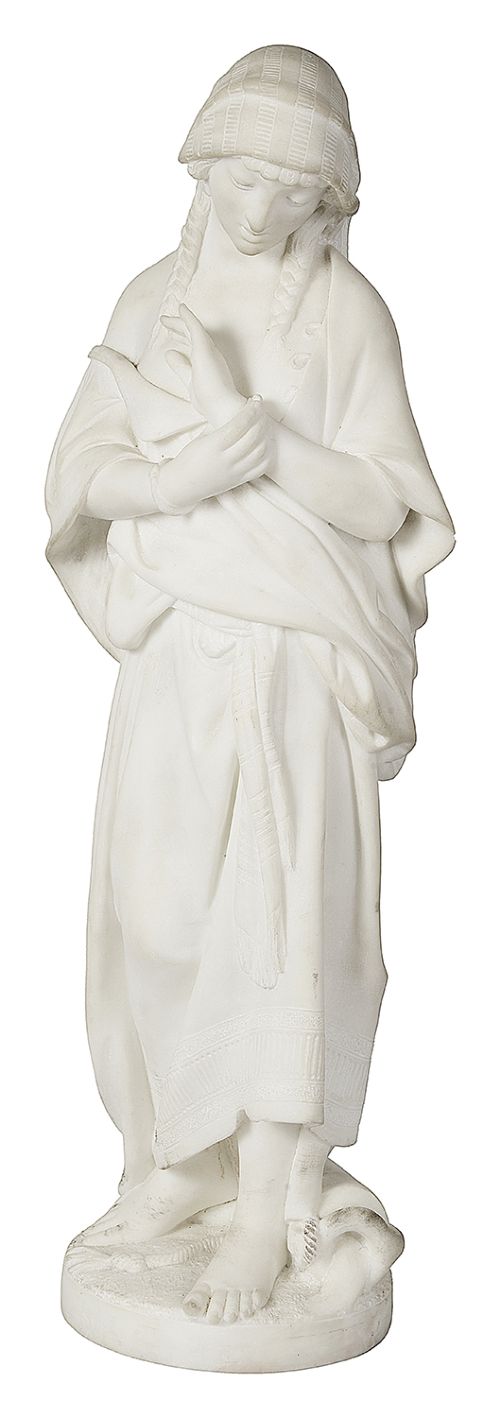
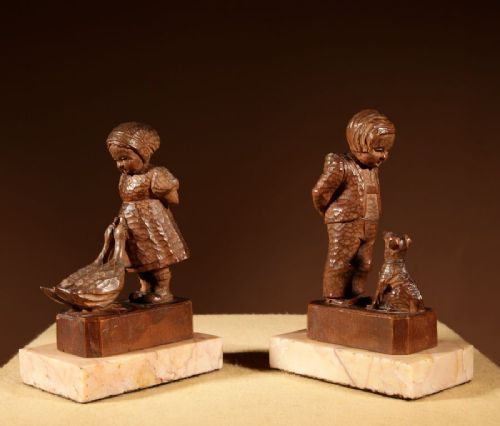
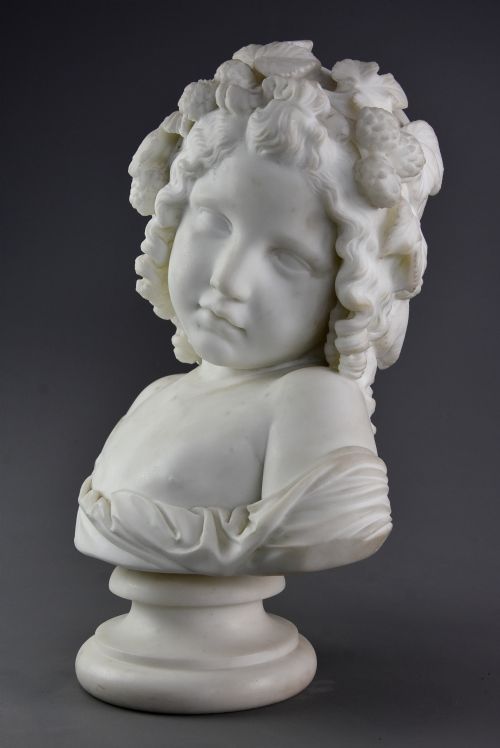
A marble girl statue represents youthful figures captured in carved stone, bronze, or alabaster across various periods. These works range from full-length figures to detailed busts portraying young girls with flowers, instruments, or animals.
The selections span 19th Century academic traditions alongside Art Deco creations mounted on stone bases. You encounter Italian school pieces, French studies, and Austrian workshop figures showing distinct regional sculpting styles.
Makers shaped these subjects in Neoclassical, Art Nouveau, and Victorian idioms. The resulting objects function as cabinet statuettes, architectural ornaments, and large decorative sculptures.
Materials and Construction Methods
Carvers shaped white stone and Carrara marble using chisels and rasps to achieve smooth flesh tones and draped garments. Alabaster offered a softer translucent alternative favored for delicate busts.
Foundries employed the lost-wax method to cast bronze, brass, and patinated metal figures. Artisans then mounted these metal casts onto shaped marble and onyx plinths, occasionally adding gilding or silvering for contrast.
Among the figures are young girls running with greyhounds, rolling dice, and playing mandolins.
Evaluating Sculptural Execution and Detail
The integration between the figurative sculpture and its supporting stone or onyx base dictates the overall harmony of the piece. Masterworks exhibit careful finishing on hidden surfaces and crisp signatures from recognised sculptors.
Bruno Zach·D.H. Chiparus·Pierre Laurel·Alexandre Kelety·Geo Maxim·Eduardo Giolli·P. Della Vedova
The Marble Girl Statue Glossary
- Carrara marble
- A type of white or blue-grey marble quarried in the city of Carrara in Tuscany, Italy. Sculptors prized this dense stone for its fine grain and suitability for detailed portrait busts.
- Patinated bronze
- A bronze sculpture treated with chemical solutions to produce a coloured surface film. This process protects the metal and enhances visual depth on garments and hair.
- Alabaster
- A fine-grained mineral stone used for carvings and monumental work. Its translucency allows light to penetrate the surface, creating a warm glow.
- Vienna Bronze
- Small cold-painted bronze figures produced in Austrian foundries during the late 19th and early 20th centuries. These pieces typically depict human subjects and animals with meticulous polychrome enamel finishes.
- Neoclassical
- A Western cultural movement drawing inspiration from the art and culture of classical antiquity. Sculptures in this style emphasise restrained emotion, smooth contours, and classical drapery.
Marble Girl Statue: Frequently Asked Questions
How do I identify a marble girl statue period?
Examine the clothing, hairstyle, and base materials alongside any foundry marks or signatures. 19th-century examples often lean towards classical drapery and carved stone, while 1920s and 1930s works incorporate geometric marble bases and metal casting techniques.
Compare the finishing style against known regional schools, such as Italian portrait busts or French Art Deco dancer figures, to narrow down the decade of production.
Where should I place a marble girl statue at home?
Position heavier stone and bronze sculptures on stable pedestals, sideboards, or mantelpieces where their weight is supported safely. Ensure they sit away from direct heat sources and high-traffic edges.
Lighting matters significantly for carved stone and patinated metal, as side illumination accentuates the contours of the face and drapery.
How do I clean a marble girl statue safely?
Dust the surface regularly with a soft, dry microfibre cloth to prevent particulate buildup in crevices. Avoid harsh household detergents, abrasive pads, or excessive water on both stone and metal.
Consult a professional conservator if the sculpture requires deeper cleaning or shows structural instability in the joints between the figure and its base.
What is the difference between marble and alabaster statues?
Marble is a metamorphic rock formed from recrystallized carbonate minerals, offering high durability and a solid opaque appearance. Alabaster is a softer mineral that allows light to pass slightly beneath the surface.
Alabaster pieces generally exhibit a warmer, more translucent quality well-suited for indoor portrait busts, whereas marble withstands exterior environments more readily.