
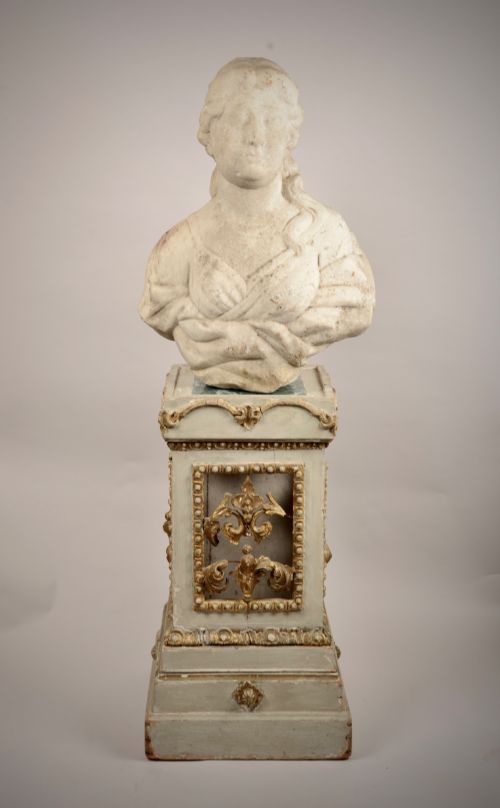

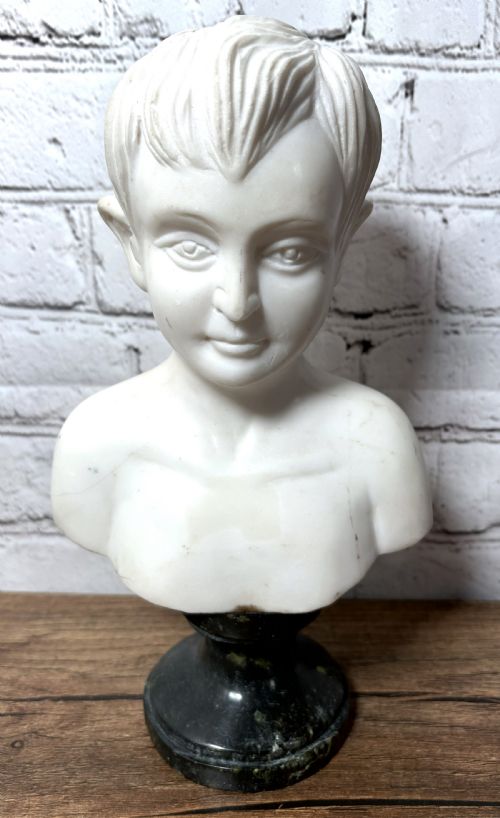


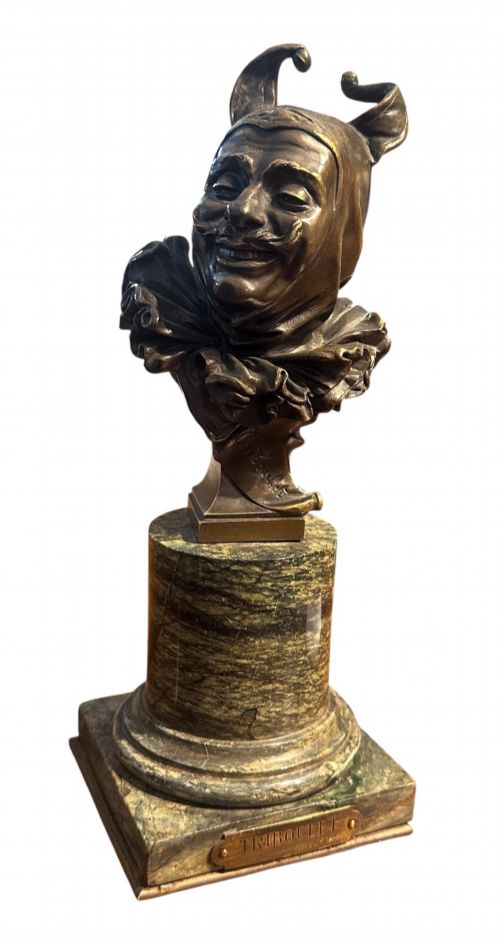


Marble Figure on Pedestal
These marble figure on pedestal pieces combine carved stone and metalwork, offering classical presence and sculptural weight for collectors of period interiors.
Marble Figure on Pedestal
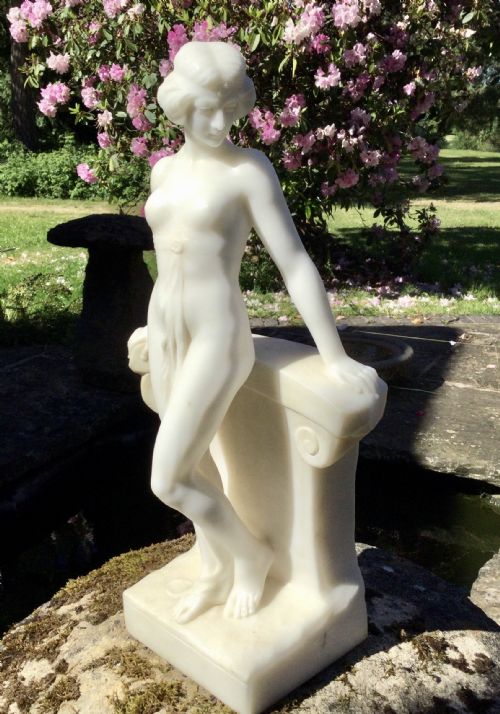
When you search for a marble figure on pedestal, you encounter works spanning the seventeenth through the twentieth centuries, created across various European artistic traditions. The selection includes figural sculptures, library busts, and decorative vessels mounted on integrated blocks or separate bases.
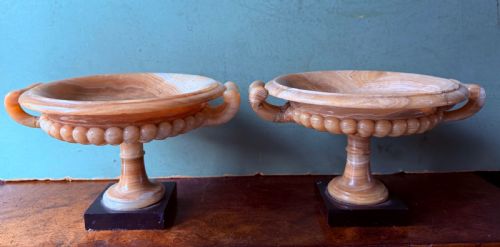
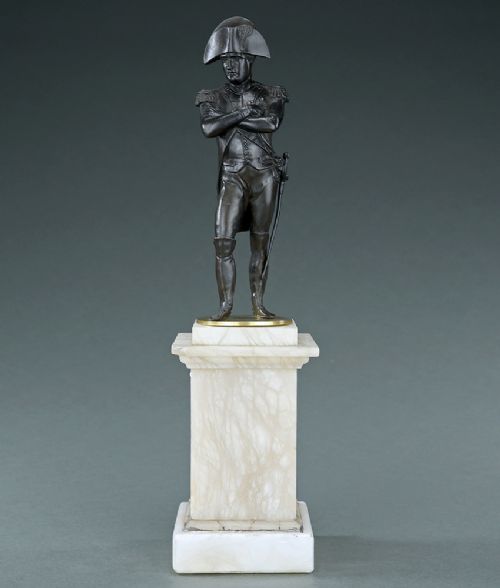
Neoclassical, French Empire, Art Deco, and Grand Tour styles dominate the offerings on this page. Pieces range from miniature souvenir tazze on black marble blocks to large figural torcheres and classical semi-nude bronzes mounted on stone stands.
How They Were Made
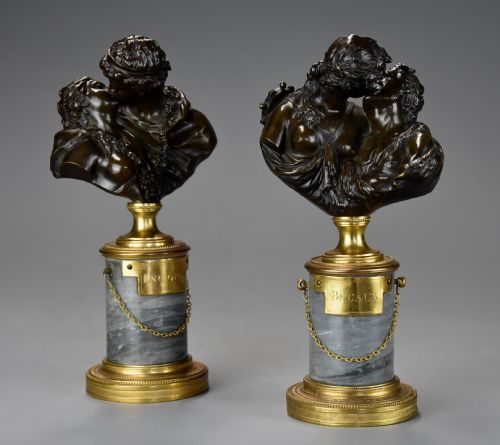
Artisans employed carved white marble, alabaster, and rouge marble alongside cast bronze, ormolu, and silvered bronze. Figures and decorative elements were frequently cast in metal using traditional methods before being mounted onto heavy stone pedestals and bases.
Materials recorded across the inventory include alabastro egiziano, rouge marble, gilt bronze, and silvered bronze.
What Varies in Quality
The distinction between standard items and finer examples rests on the crispness of the stone carving and the detail within the metal casting. Signed works by recognised sculptors demonstrate superior anatomical rendering and chasing.
Materials also dictate the tier of a piece, with highly figured alabastro egiziano and rich rouge marble representing more ambitious material choices than uniform white stone. The harmony between the figure and its supporting pedestal reveals the maker's sculptural intent.
Emile Guillemin·Jean Antoine Houdon·Messina Roma·Willems·Ferdinand Preiss·Eduardo Giolli·Claire Colinet·E. Villanis
The Marble Figure on Pedestal Glossary
- Grand Tour
- A nineteenth-century tradition of acquiring miniature bronzes and carved souvenirs in Italy. These small-scale pieces replicated classical antiquities for travelling collectors.
- Chryselephantine
- A sculpture combining ivory and bronze elements, frequently seen in Art Deco figures. This technique highlighted contrasting textures and tones.
- Tazza
- A shallow cup or bowl raised on a stem and foot, often carved from alabaster or cast in bronze. They appeared as decorative table ornaments.
- Gueridon
- A small occasional table, sometimes featuring an inset marble top and figured wood construction. They provided decorative display surfaces in period rooms.
- Torchere
- A tall stand or lamp base designed to hold a light source. Grand examples incorporated heavy bronze figural shafts mounted on solid bases.
Marble Figure on Pedestal: Frequently Asked Questions
What periods do these pieces come from?
The listings span from the seventeenth century through the Art Deco era of the twentieth century. Nineteenth-century examples, particularly from the eighteen-seventies and eighteen-nineties, are especially common.
Items from the Grand Tour tradition and French Empire styles sit alongside later twentieth-century modernist sculptures.
What materials are used in these sculptures?
Makers relied heavily on white marble, rouge marble, and alabaster for bases, pedestals, and figures. Bronze, gilt bronze, ormolu, and silvered bronze provide the contrasting metal elements.
Some pieces also incorporate figured rosewood or walnut for supporting furniture structures.
How do I identify a Grand Tour piece?
Grand Tour pieces typically date from the nineteenth century and replicate famous classical antiquities. They often take the form of miniature bronzes or carved alabaster tazze.
Many of these items rest upon contrasting black marble block bases designed for travellers.
Where should I display a marble figure?
These sculptural pieces require sturdy furniture such as cylinder lamps, figure stands, or occasional tables. Their substantial weight from the marble and bronze components demands secure placement.
They function well as focal points in period rooms or libraries.