
Marble Female Figure
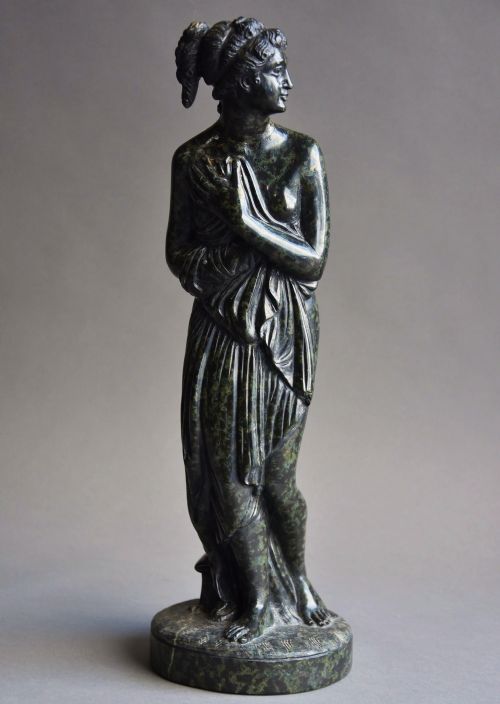
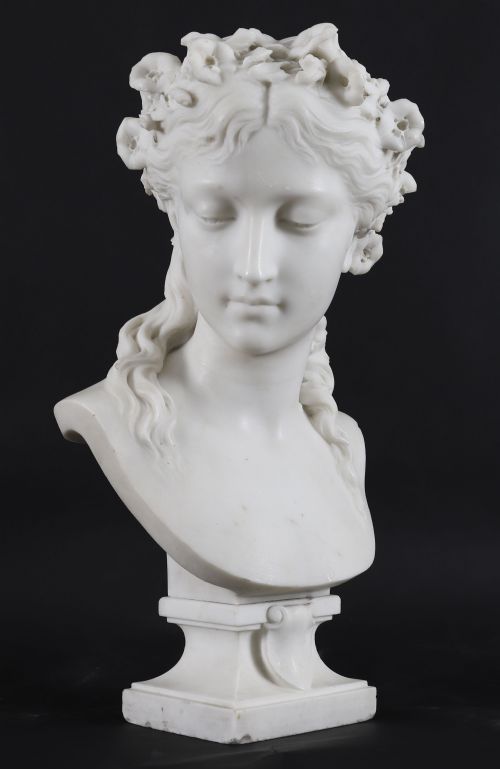
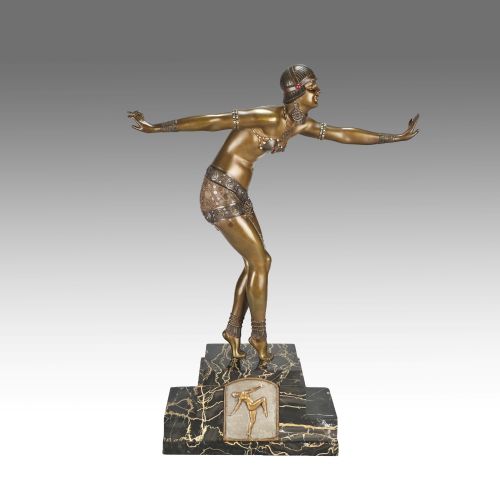
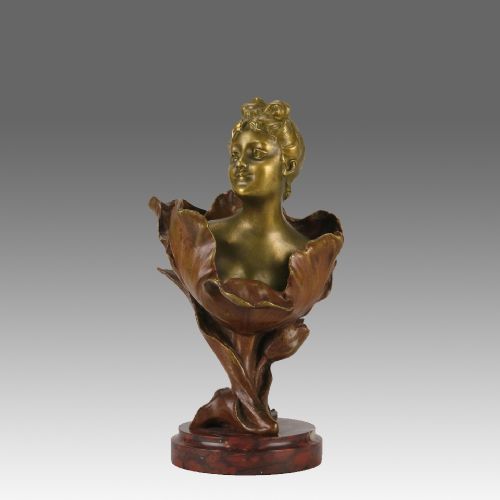
A marble female figure brings classical grace or twentieth-century styling into a room, taking the form of carved portrait busts, dancers, and allegorical subjects.
Marble Female Figure
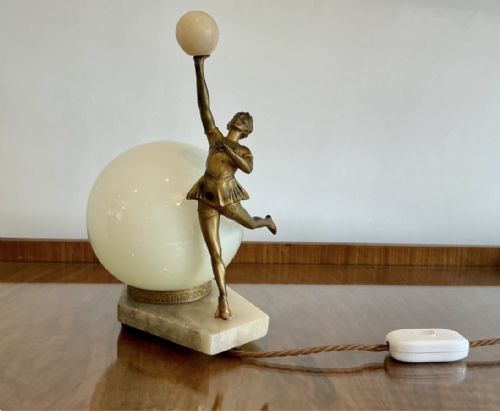
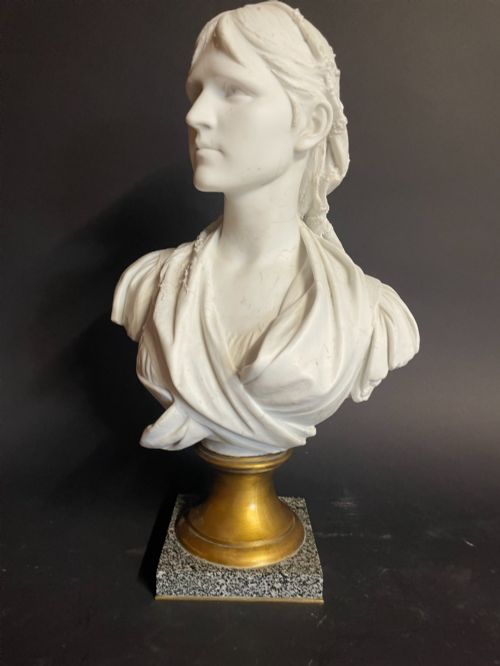
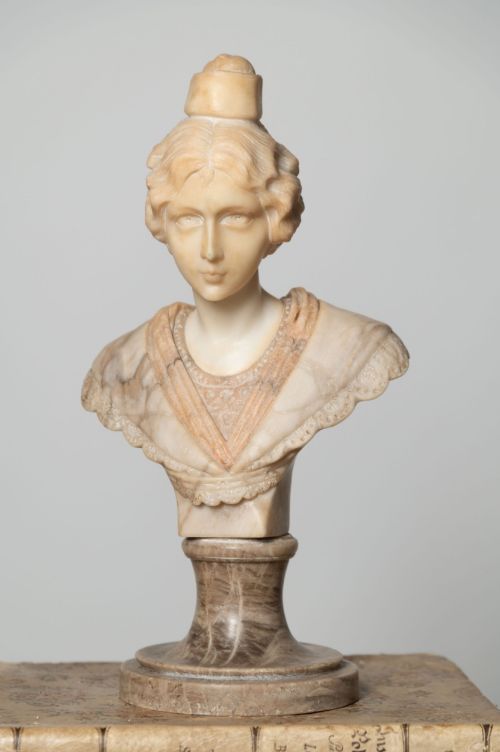
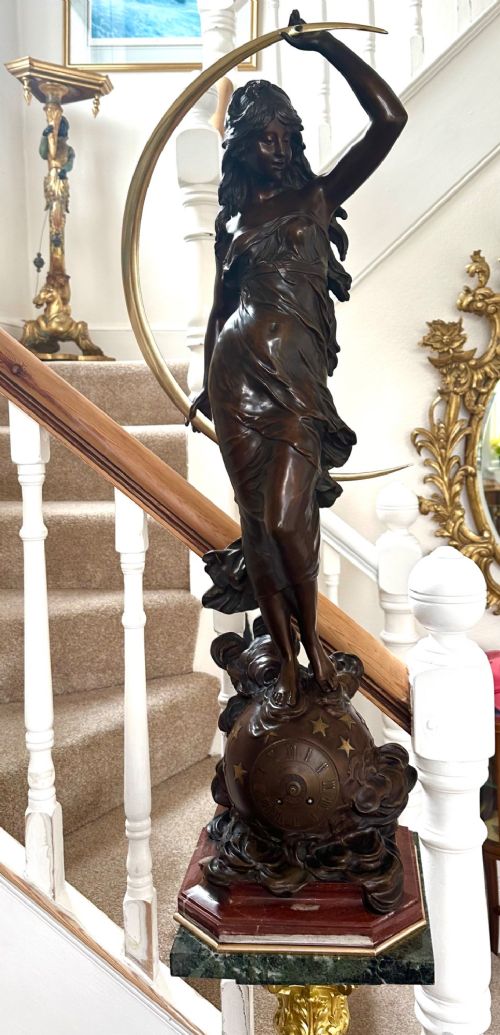
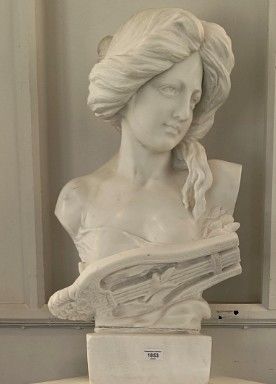
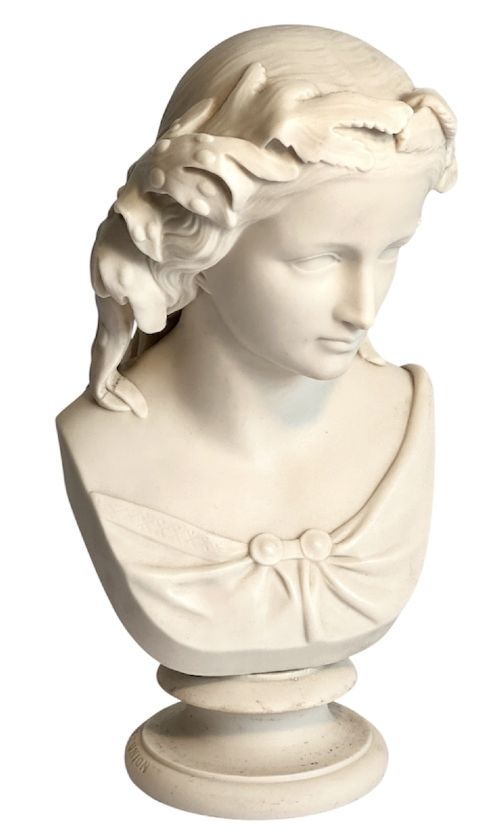
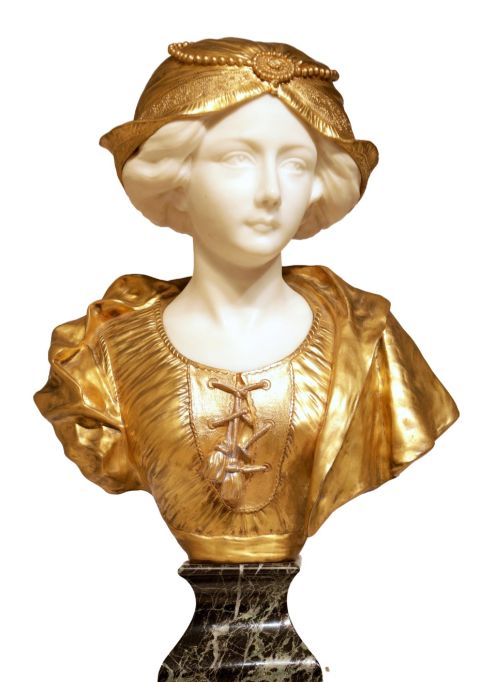
A marble female figure encompasses carved stone representations and mixed-media sculptures where marble forms the primary subject or an integral base. These pieces range from nineteenth-century Neoclassical portraits and mythological figures to Art Deco dancers and lamp bases.
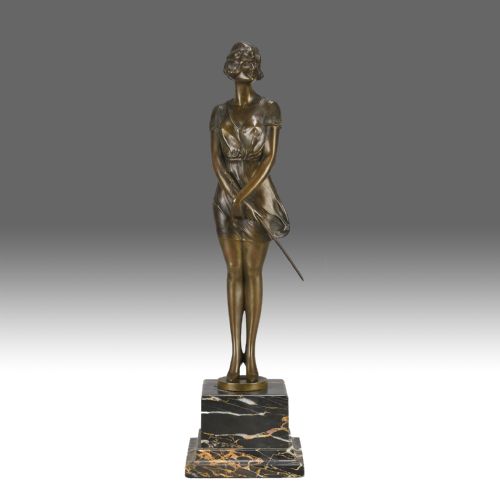
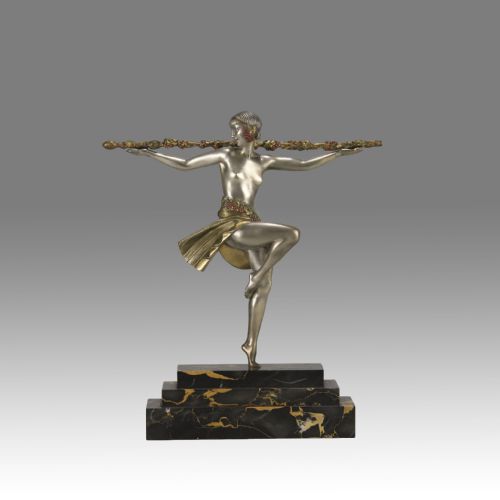
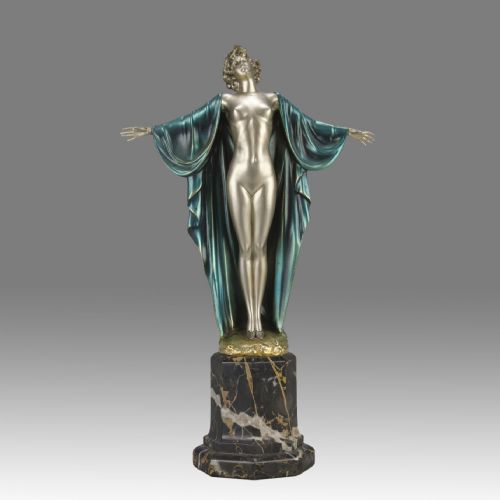
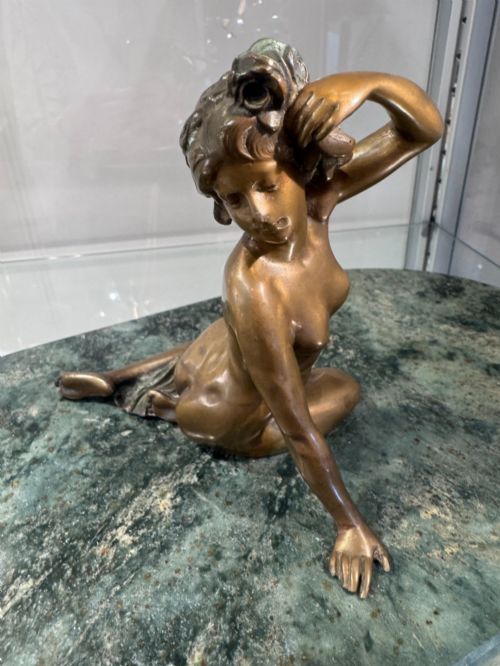
The versions most commonly met on this page date from the nineteenth and early twentieth centuries, spanning Victorian, Art Nouveau, and Art Deco movements. They include Italian and French studio productions, grand tour souvenirs, and signed exhibition pieces executed in carved stone, alabaster, and patinated or cold-painted bronze set upon stone plinths.
Makers and sculptors recorded in these pieces include noted European artists who worked in mixed media, combining metal casting with carved bases. Their output reflects prevailing tastes for historical heroines, dancers, and allegories of the seasons.
Materials and construction methods
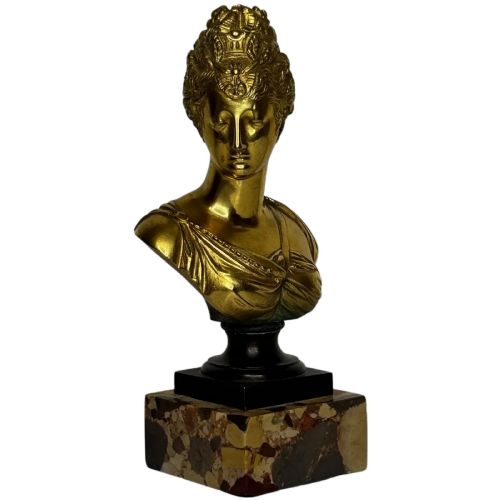
Carved stone figures utilise blocks of statuary marble, Carrara marble, or translucent alabaster, shaped with chisels, rasps, and abrasive powders to achieve smooth skin tones and draped fabrics. Many works combine these stones with cast bronze, gilt bronze, or spelter, using the metal for hair, garments, and decorative accessories.
Surface finishes vary from the cold-painting techniques applied to bronze elements to the natural polished or matte textures of the stone. Bases and socles frequently employ contrasting materials such as rouge marble or serpentine to anchor the composition.
Assemblage methods involve metal pins and internal fixings to secure bronze figures to heavy stone plinths or marble lamp bases, integrating functional elements like oil lamps and electrical fittings into sculptural forms.
Several ladies depicted on this page hold whips, torches, or tambourines, proving that antique heroines rarely stood around doing nothing.
Assessing craftsmanship and detail
In mixed-media sculptures, the standard of the metal casting and the crispness of the chasing determine the grade of the piece. Master founders and sculptors achieved finer detailing in cold-painted or gilt surfaces, whereas commercial reproductions often exhibit softer definition and simpler patination.
Bruno Zach·Pierre le Faguays·Ferdinand Preiss·August Moreau·Eugene Aizelin·Demetre Chiparus·Henri Godet·Carrier-Belleuse·Georges-Charles Coudray
The Marble Female Figure Glossary
- Carrara marble
- A type of white or blue-grey marble quarried in the city of Carrara in Tuscany, widely used for classical and neoclassical sculpture.
- Cold-painted bronze
- Bronze that has been painted with oil or enamel colours without the application of heat, a technique popular in late nineteenth and early twentieth-century Austrian and French figures.
- Parian ware
- A fine-grained, unglazed porcelain resembling white marble, developed in the mid-nineteenth century by British potteries for sculptural figures and busts.
- Socle
- A short plinth or pedestal supporting a bust, statue, or vase, frequently executed in a contrasting marble or coloured stone.
- Spelter
- An alloy of zinc and lead used as a less expensive substitute for bronze in decorative figures and lamp bases, often given a bronze-coloured patination.
Marble Female Figure: Frequently Asked Questions
How do I clean marble?
Dust marble and alabaster surfaces gently with a soft, dry cloth or a fine brush to prevent abrasive particles from scratching the stone. Avoid water, harsh chemical cleaners, and soap, as moisture can stain porous alabaster and damage older patinated bronze elements attached to the base.
For stubborn grime on hard marble, consult a professional conservator rather than attempting DIY liquid treatments. Alabaster is particularly sensitive to humidity and moisture, requiring dry indoor environments to maintain its surface integrity.
Where should I display a marble bust?
Position a bust on a sturdy column, heavy console table, or dedicated pedestal at eye level to appreciate the carved details from the intended viewing angle. Ensure the support can bear the substantial weight of solid stone and metal components.
Keep figures away from direct sunlight, heating vents, and rapid temperature fluctuations, which can cause cracking in mixed-media pieces or degrade painted finishes on bronze. Stable indoor conditions preserve both the stone and its mountings.
Are these lamp conversions original?
Many figural lamps from the early twentieth century were manufactured as functional lighting, combining sculptural spelter or bronze dancers with electrical fittings. Other pieces began life purely as sculptures and were converted to table lamps or torchieres at a later date.
Examine the wiring channels, base drillings, and internal mounts to determine whether electrical components are period-correct additions or modern retrofits. Professional rewiring is recommended for older lamps before regular use.
How do I date a stone figure?
Dating relies on stylistic markers such as the Neoclassical restraint of the mid-nineteenth century, the flowing organic lines of Art Nouveau, or the geometric styling of Art Deco. Costume, hairstyle, and the method of signature or foundry mark also provide clues to the period of creation.
Examine the underside of the base, fixing screws, and the composition of the metal alloys where bronze meets stone. Older pieces often show natural patination, wear patterns, and historical construction techniques distinct from modern reproductions.