


Classical Figure Table Statue
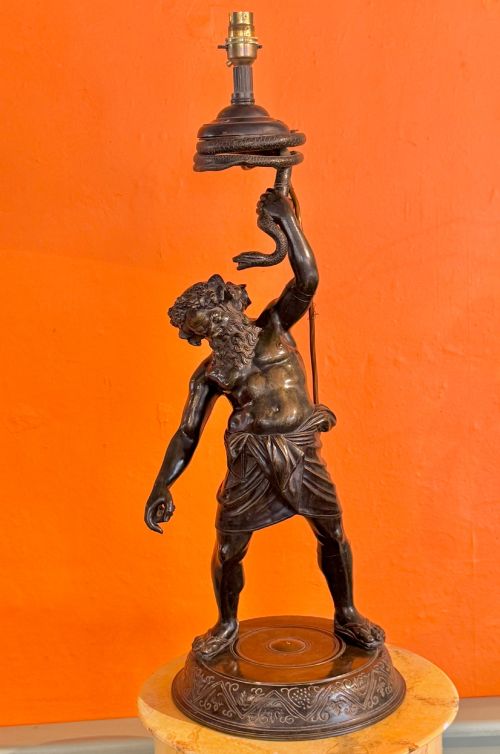
A classical figure table statue brings ancient mythology and historic artistry into a room, taking the form of lamps, clocks, and standalone sculptures.
Classical Figure Table Statue
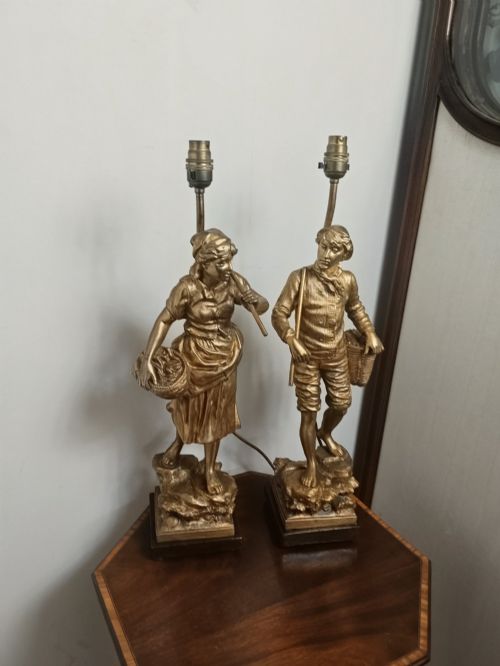
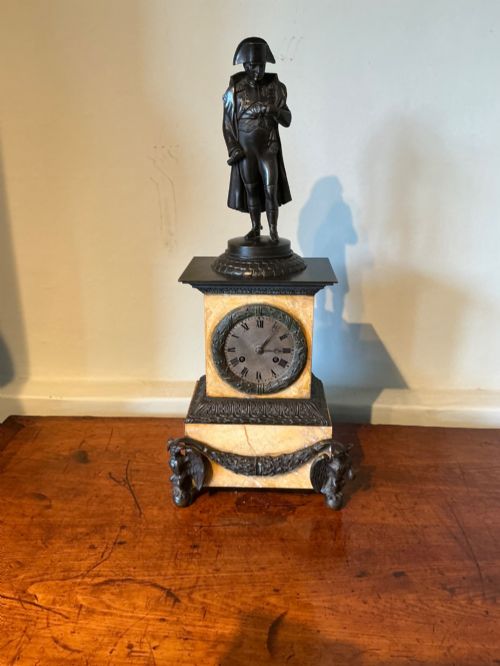
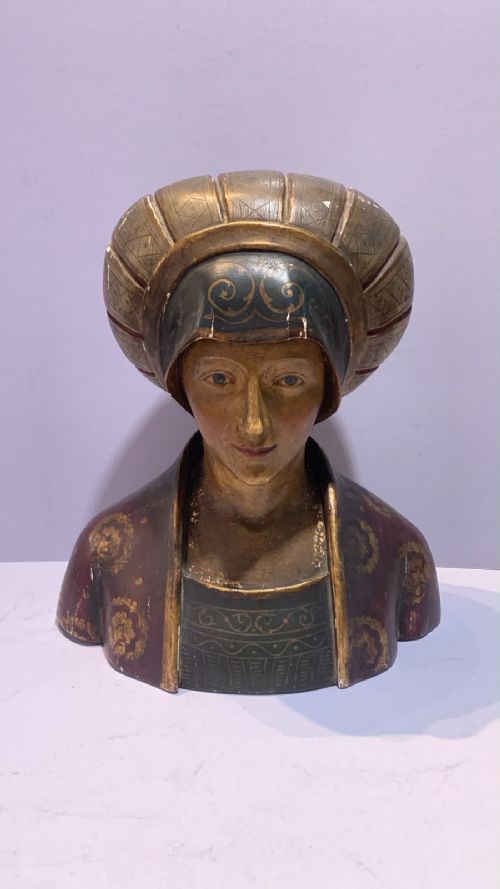
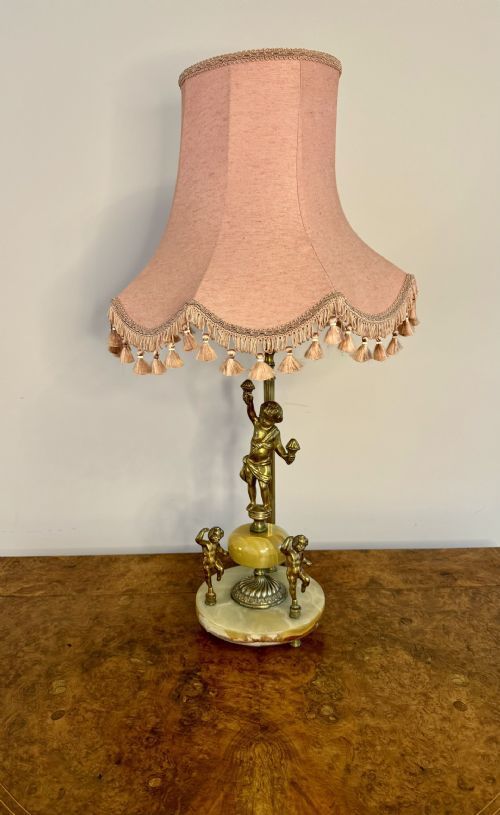
When someone searches for a classical figure table statue, they find sculptural works depicting mythological beings, ancient heroes, and allegorical subjects adapted for domestic placement. These pieces often serve double duty as table lamps or mantel clocks, integrating sculptural form with functional household objects.
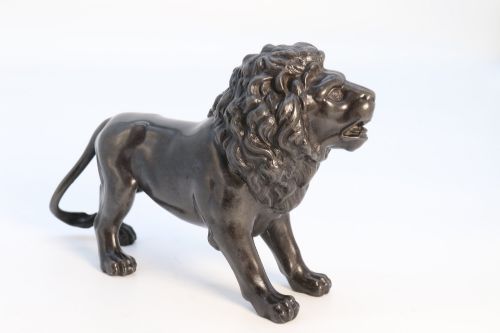
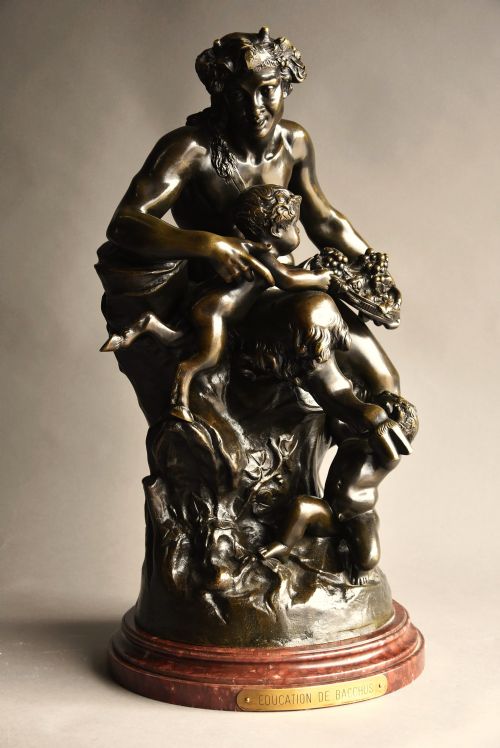
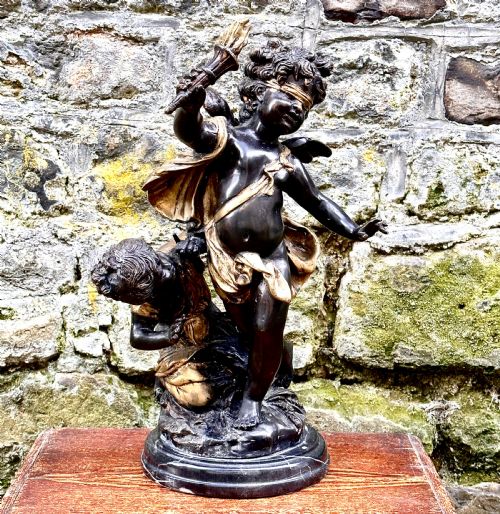
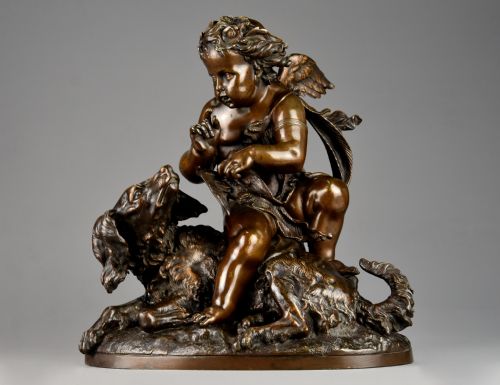
The selections span the nineteenth century predominantly, drawing heavily on French and Italian foundry traditions as well as Grand Tour souvenirs. Buyers encounter subjects ranging from putti and satyrs to noble figures and dancers cast in metal or carved from stone.
Origins stretch from English studies to French Empire and Art Nouveau interpretations of antiquity. The overriding form remains rooted in Neoclassical ideals, placing human and mythological figures directly onto desks, tables, and mantelpieces.
Materials and construction methods
Foundries utilised traditional lost-wax casting for bronze works, allowing fine detail in hair, drapery, and facial expressions. Figures were frequently mounted onto heavy marble or onyx plinths to provide stability and visual contrast to the metal.
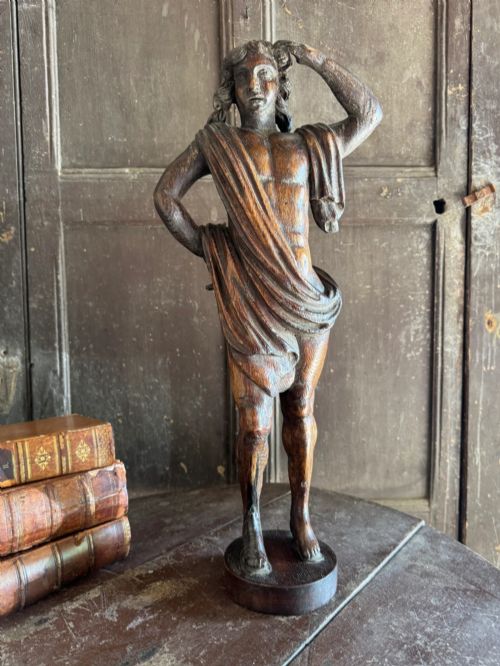
Alternative metals such as spelter appear alongside brass and ormolu, often finished with cold painting, gilding, or patination to simulate aged bronze. Carved wooden and alabaster examples demonstrate direct hand-tooling rather than casting.
Lamp adaptations incorporated electrical wiring or oil burning components into the figural structures, combining cast metal bodies with fabric shades and brass fittings.
Materials span bronze, spelter, marble, wood, brass, and alabaster across the nineteenth-century selections.
Assessing quality in figural works
The crispness of the chase work separates superior bronze castings from softer, less defined iterations. Artisans who laboured over the metal after casting preserved the anatomical precision and delicate textures of the original model.
The selection of the base material dictates the overall solidity and balance of the object. Dense marbles and heavy patinated bronzes indicate a higher grade of manufacture than lightweight spelter alternatives.
Signatures from recognised sculptors or established foundries elevate a piece, reflecting accountability and skill in the artistic execution.
E Rousseau·G. Amodio·Barbedienne·Hector Lemaire·Emile Picault·Jean-Jules Cambos·Carrier-Belleuse·Gugielmo Pugi·Simon Louis Boizot
The Classical Figure Table Statue Glossary
- Grand Tour
- A cultural journey undertaken by wealthy young Europeans to study classical antiquities, resulting in the acquisition of small-scale souvenir bronzes and sculptures. These reproductions formed the basis for many domestic cabinet and table pieces.
- Spelter
- A zinc-based alloy commonly used as a less expensive substitute for bronze in nineteenth and twentieth-century figures. It accepts patination well to mimic heavier metals.
- Putto
- A plump, winged infant or toddler figure frequently depicted in mythological and Renaissance-revival art. They appear often in pairs holding lamps or seated on rocks.
- Ormolu
- Gilding technique involving the application of finely ground, high-carat gold to an object of bronze. It creates a rich, warm surface finish on clocks and lamp mounts.
- Caryatid
- A sculpted female figure serving as an architectural support or decorative column. They appear translated into smaller domestic table forms and clock surrounds.
Classical Figure Table Statue: Frequently Asked Questions
What materials are these statues made from?
The listings show a heavy reliance on bronze and spelter for the figures, frequently paired with marble or onyx bases. Alabaster, wood, and brass also appear among the constructed pieces.
Foundries selected these materials based on the intended function, using heavier metals for stability in table lamps and softer alloys for decorative mantel ornaments.
How do I identify a Grand Tour bronze?
Grand Tour pieces typically represent famous ancient statues seen by travellers in Italian museums and archaeological sites during the nineteenth century. They are usually cast in bronze at a smaller scale to serve as souvenirs.
Many bear signatures of specific Italian workshops or foundries from cities like Naples and Rome.
Are these figures fitted as lamps?
Several pieces combine figurative sculpture with lighting functionality, operating as table lamps or oil lamps. Figures hold torches, horns, or natural elements that conceal wiring or burner assemblies.
These conversions often happened during the late nineteenth or early twentieth centuries to adapt decorative sculptures for modern domestic utility.
What is the difference between bronze and spelter?
Bronze is a durable copper alloy that takes fine chisel work and ages with a rich patina. Spelter is a zinc alloy that is softer and lighter, commonly utilised for more commercial decorative figures.
Examining the underside or the weight of the base helps distinguish the heavier metal from the zinc alternative.