





Maple and Co Furniture
Maple and co furniture represents high-end British cabinet making and retail from the late nineteenth and early twentieth centuries.
Maple and Co Furniture
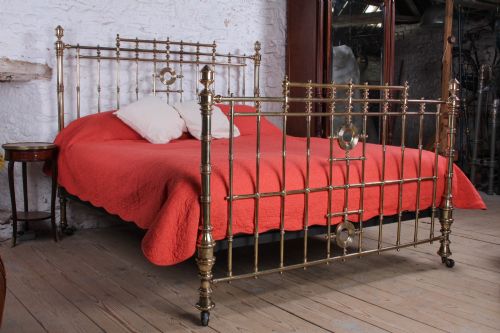
When you examine maple and co furniture, you look at items produced or retailed by the prominent London firm during the Victorian, Edwardian, and later periods. The selection spans utilitarian bedroom pieces to grand reception room furniture, reflecting the diverse output of a major Tottenham Court Road establishment.
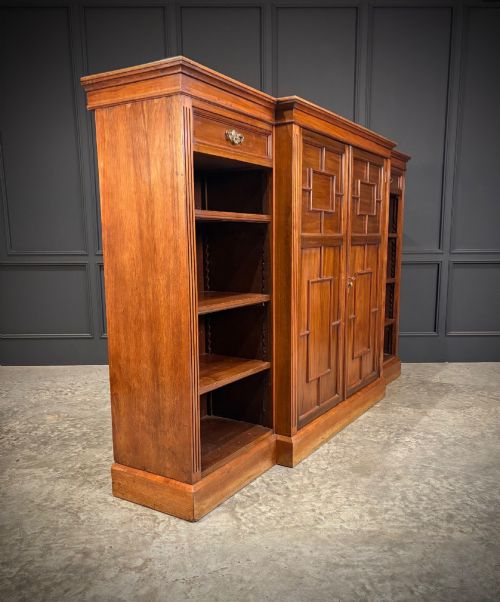
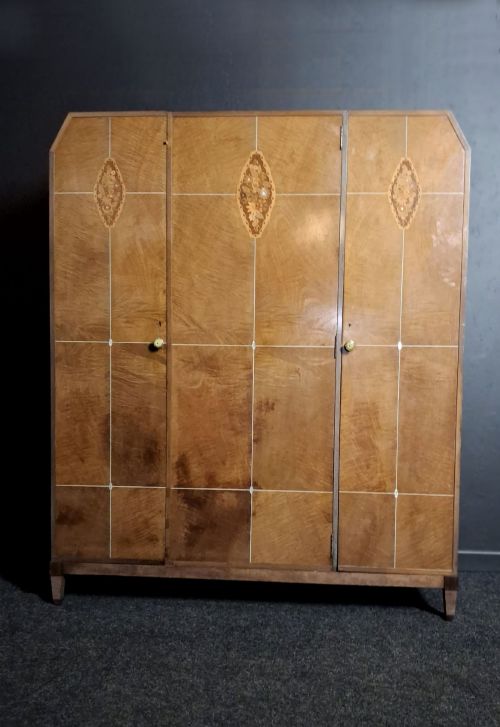
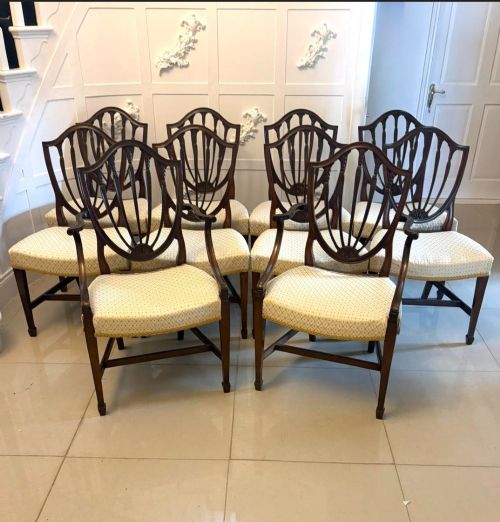
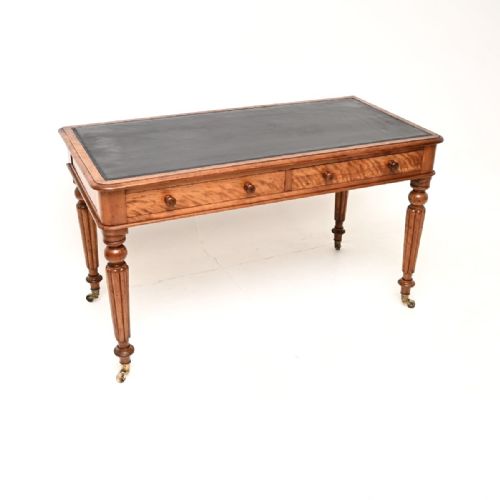
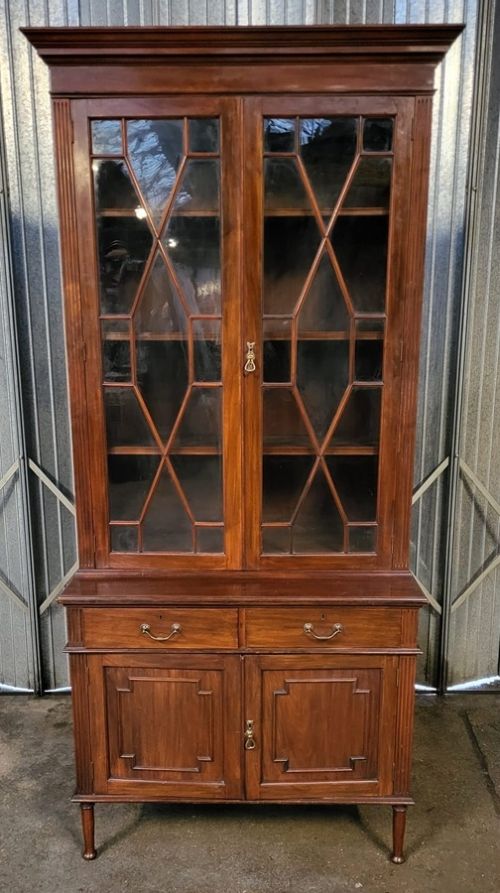
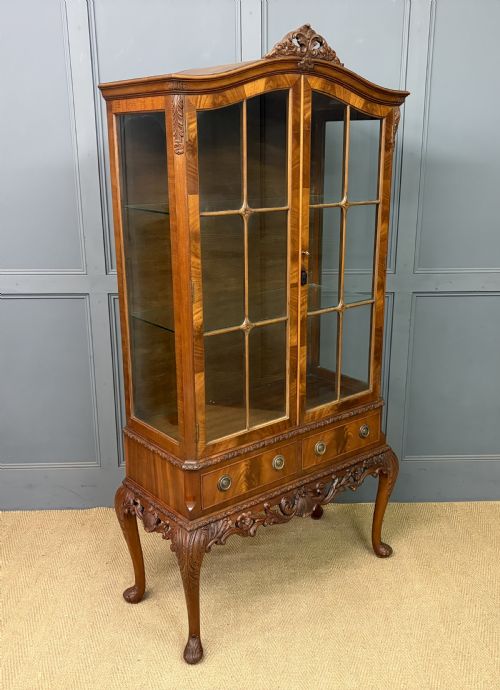
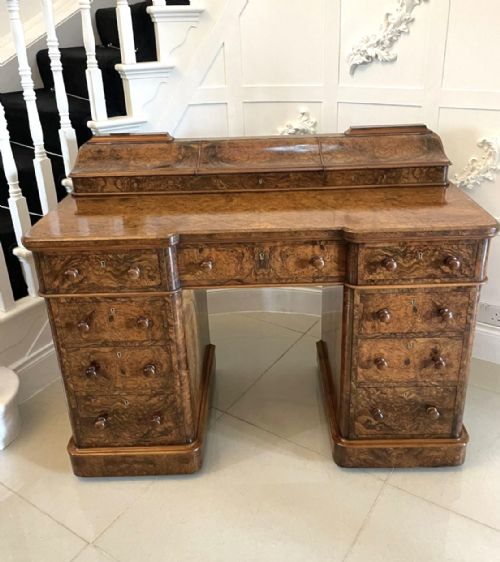
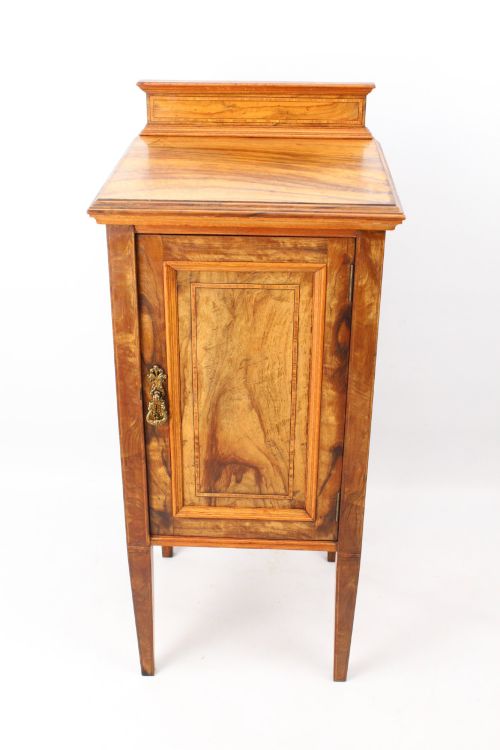
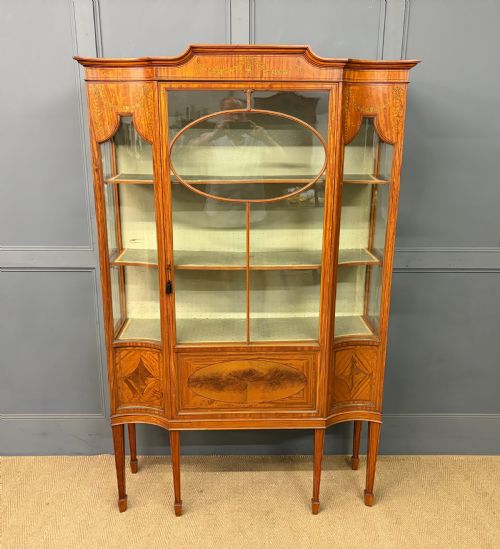
The pieces on this page are predominantly mahogany, walnut, and satinwood, encompassing desks, display cabinets, wardrobes, and dining chairs. Edwardian and Victorian examples appear most frequently, showing how the maker adapted historic revival styles for affluent homes.
Buyers encounter everything from compact bedside cabinets to large bureau bookcases and partners desks. Each category demonstrates the firm's capacity to supply complete interior furnishings for large residences.

Materials and Construction
Cabinet makers utilised select timbers including figured mahogany, burr walnut, and light satinwood, frequently enhanced with intricate marquetry and contrasting stringing. Structural elements relied on solid oak and pine, providing stable carcases for veneered decorative surfaces.
Metalwork played a key role in functional and decorative components, incorporating cast brass handles, gallery rails, and integrated locking mechanisms on desks and wardrobes. Glass was cut and glazed for display cabinets, while leather inserts with gilt tooling were fitted to writing surfaces.
Maple and Co Furniture Retail Price Guide 2026
Typical asking prices for maple and co furniture among the pieces listed under this phrase on Sellingantiques today, from the lower quarter to the upper quarter. They describe what is for sale here now, not the wider market.
Several items include original keys, proving that even a century ago, someone was determined to lock away their private correspondence.
Evaluating Quality
Quality rests upon the selection of timber veneers and the precision of the inlay work, where finer pieces display continuous grain matching and meticulous marquetry. The weight and gauge of brass hardware, alongside the intricacy of carved details, separate standard utility items from top-tier commission pieces.
Internal construction reveals the maker's hand through secondary timbers used in drawer linings and the presence of maker stamps or paper labels. Superior examples maintain original fitted interiors, functioning locks with working keys, and sound structural joinery without excessive restoration.
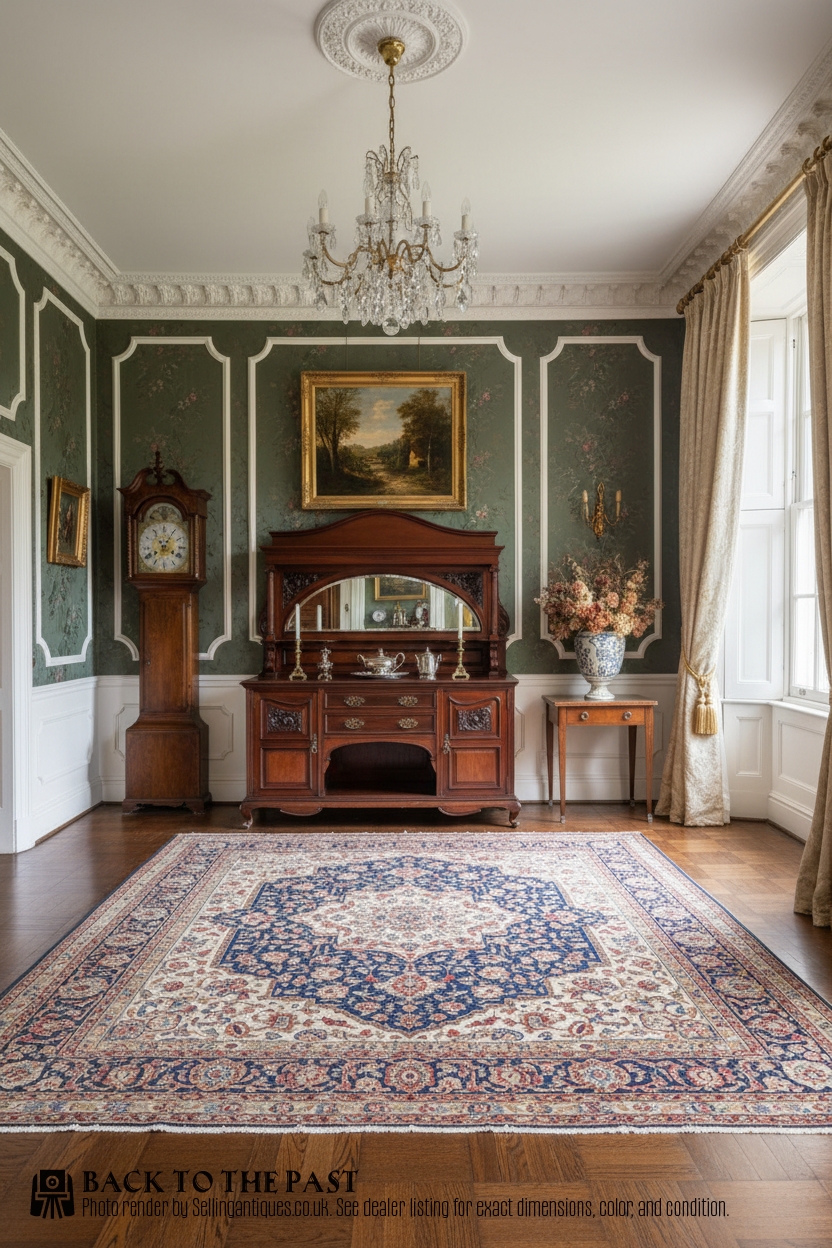
Maple and Co
The Maple and Co Furniture Glossary
- Marquetry
- Decorative patterns formed by inserting pieces of wood, shell, or ivory into a veneered surface. This technique defined the embellished facades of Edwardian display cabinets and side tables.
- Burr walnut
- Wood taken from a tree growth featuring intricate, swirling grain patterns highly prized for cabinet fronts. It created striking visual depth on Victorian desks and tables.
- Satinwood
- A pale, hard timber with a natural sheen used extensively for fine inlay and entire furniture carcases. It formed the pale canvas for painted decoration on late nineteenth-century pieces.
- Secretaire bookcase
- A tall cabinet combining a shelved upper section with a drop-front writing drawer concealing a fitted interior. They offered dual utility for study and storage.
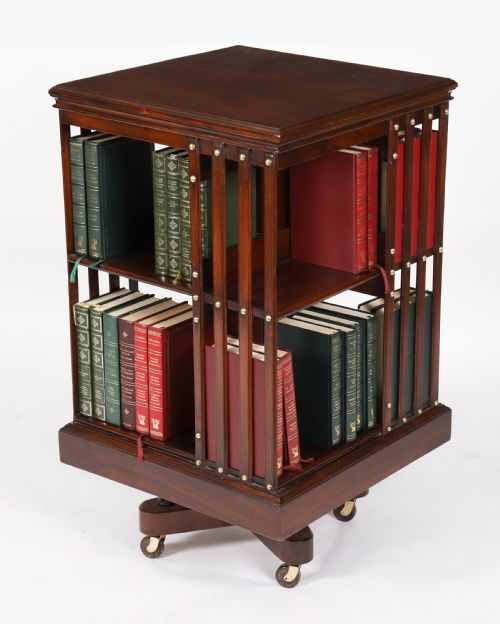
- Revolving bookcase
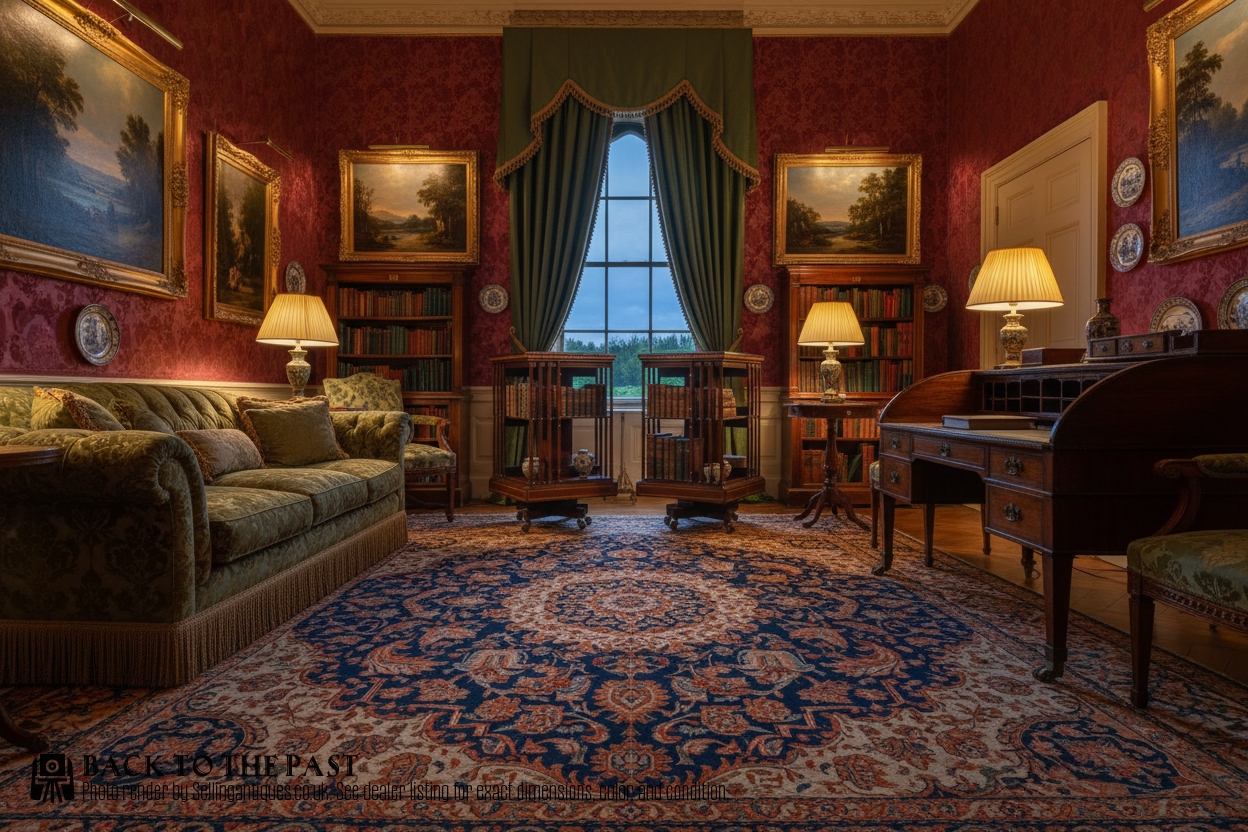
- A compact, tiered bookstand mounted on a concealed pivot base for easy access to volumes. These rotating designs suited domestic libraries and drawing rooms.
Maple and Co Furniture: Frequently Asked Questions
How do I identify genuine pieces?
Authentic items frequently bear stamped signatures, drawer brands, or original paper trade labels indicating the London or Paris premises. Look for the distinct quality of craftsmanship and materials associated with the firm's documented output.
Construction methods and timber selection also align with the periods in which the company operated, from Victorian revivalism to Edwardian elegance.
What periods do these items cover?
The inventory spans the late nineteenth century through the Edwardian era and into the early twentieth century. Victorian and Edwardian pieces form the core of the available selection.
Revival styles from these periods draw upon earlier aesthetics like Queen Anne, Adam, and Hepplewhite designs.
How should I care for satinwood and walnut surfaces?
Maintain these polished timber surfaces by keeping them away from direct sunlight and consistent heat sources, which can dry out veneers. Dust regularly with a soft cloth and apply appropriate furniture wax sparingly.
Avoid commercial silicone sprays that damage historic French polish and attract dust to intricate marquetry.
Were these pieces made for specific rooms?
The firm supplied furnishings for every domestic space, creating bedroom suites, library desks, dining sets, and drawing room display cabinets. Larger homes received matched suites built to uniform aesthetic standards.
Specialist items included revolving bookcases for studies and elaborate wine coolers for dining spaces.