




Mandarin Pattern Porcelain
Mandarin pattern porcelain brings together intricate figures and vibrant enamels on fine ceramic bodies, offering collectors a rich taste of historic cross-cultural design.
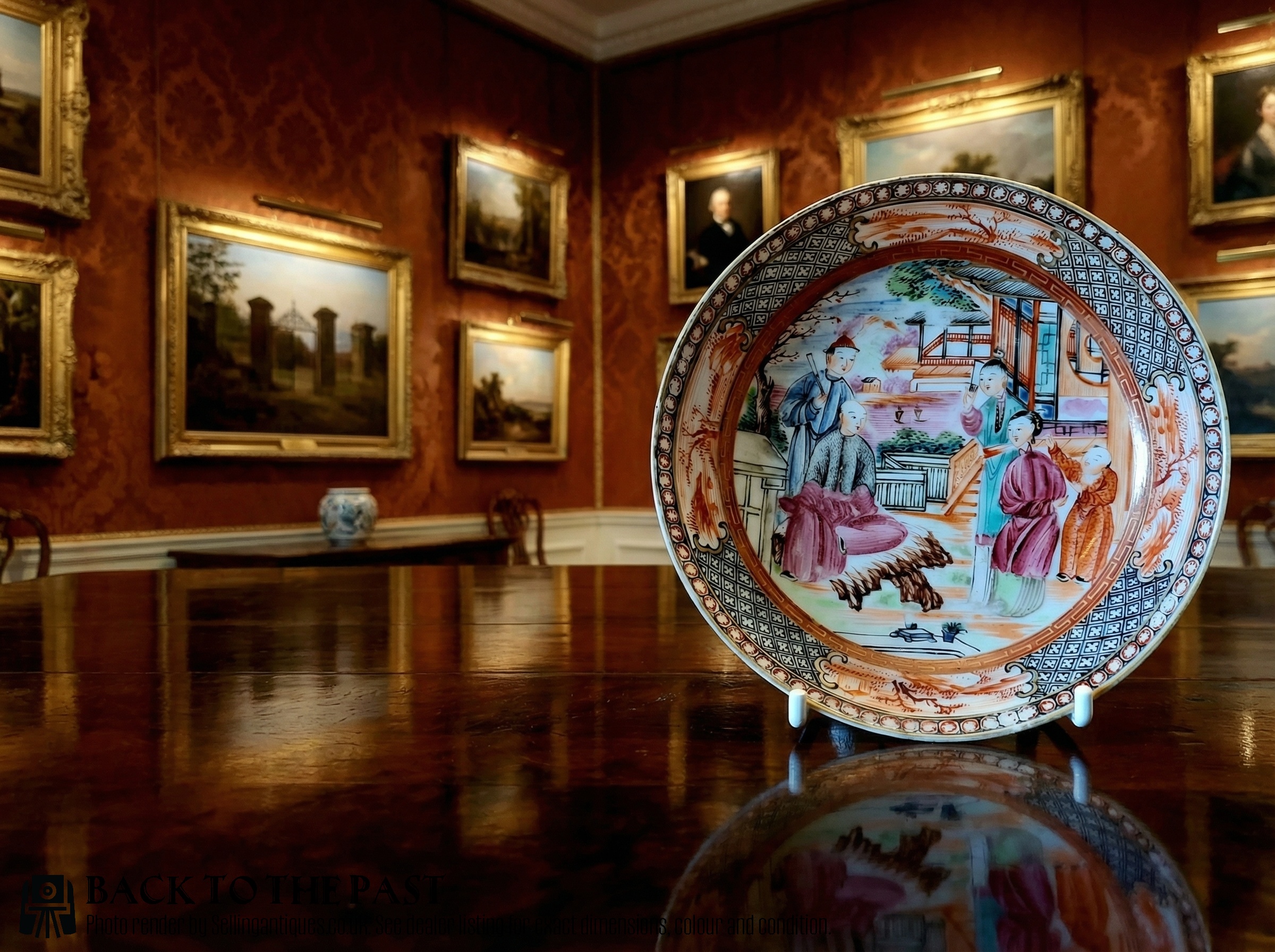
Mandarin Pattern Porcelain
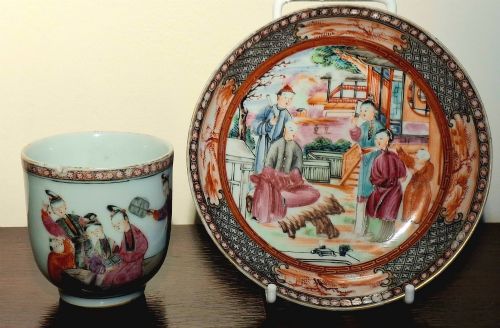
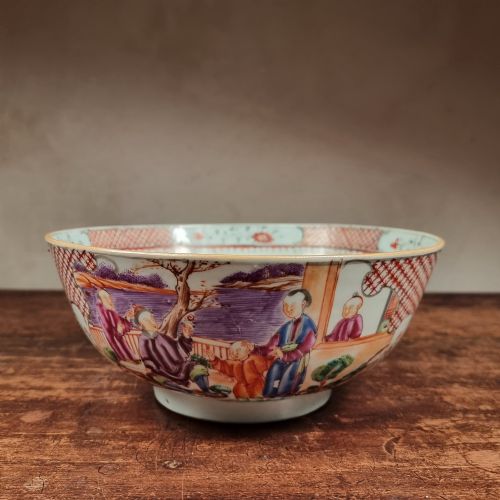
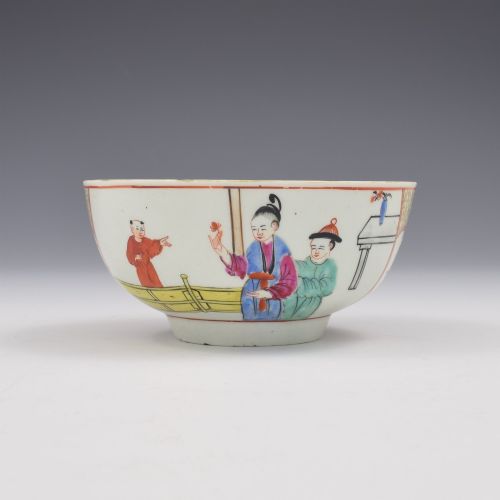
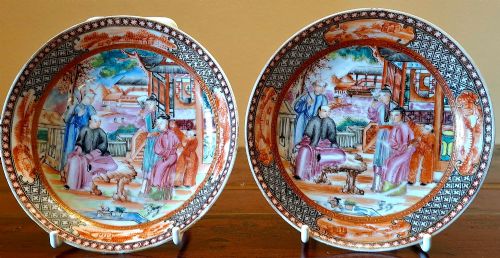
The objects span the eighteenth and nineteenth centuries, taking forms from English factories such as Worcester, Bow, Swansea, Pennington Liverpool, and Mason's, alongside direct Chinese Export wares. These pieces range from eighteenth-century tea bowls and coffee cups to nineteenth-century Canton pedestal dishes and ironstone tureens.
English iterations often interpret Chinese Export designs through local manufacturing methods, resulting in soft-paste porcelain and ironstone ceramic bodies decorated with hand-painted enamel and gilt. Such pieces showcase the enduring appeal of Chinoiserie aesthetics across multiple decades of ceramic production.
What Varies in Quality
The refinement of the painted figures and the crispness of the enamel work distinguish the finer pieces from simpler domestic wares. Precision in the brushwork around facial expressions and garment details shows the hand of a more skilled decorator.
The choice of body material and secondary elements, such as ormolu mounts or gilt highlights, elevates certain objects. Superior potting, balanced proportions, and well-preserved surface gilding indicate a higher grade of manufacture.
Some tea bowls record acrobatic feats, capturing tumbling circus performers alongside traditional court figures in enamel.
Bow Porcelain·Pennington Liverpool·Swansea Porcelain·Mason's Ironstone
The Mandarin Pattern Porcelain Glossary
- Mandarin pattern
- A ceramic decoration style featuring painted Chinese figures engaged in domestic or leisurely scenes. This motif appears frequently on eighteenth-century porcelain and later nineteenth-century ironstone.
- Soft-paste porcelain
- A ceramic composition containing glass frit and white clay, fired at lower temperatures than hard-paste porcelain. English factories utilised this material extensively in the eighteenth century.
- Ironstone ceramic
- A dense, durable type of earthenware developed in the nineteenth century. Makers applied this robust body to large tablewares like tureens and jugs.
- Chinoiserie
- European artistic interpretations of Chinese and East Asian artistic traditions. This style influenced British ceramics and decorative arts during the Georgian and Regency periods.
- Ormolu
- Gilded bronze used for decorative mounts on ceramics. Makers applied these metal fittings to enhance the status of vases and decorative vessels.
Mandarin Pattern Porcelain: Frequently Asked Questions
What is mandarin pattern porcelain?
Mandarin pattern porcelain refers to ceramic items decorated with hand-painted scenes of Chinese figures, framed by colourful enamel borders. These designs appear on both Chinese Export wares and English factory productions from the eighteenth and nineteenth centuries.
The aesthetic grew out of European fascination with East Asian trade goods, leading domestic potteries to adopt the style on tea bowls, mugs, and tureens. The resulting pieces combine traditional shapes with narrative figure painting.
How do I date these ceramics?
Dating relies on identifying the ceramic body, factory characteristics, and stylistic period markers. Eighteenth-century examples often feature soft-paste porcelain or delicate Chinese Export bodies, while nineteenth-century pieces frequently utilise heavier ironstone or feature Canton styles.
Examining the glaze, enamel palette, and manufacturing marks provides further clues to the decade of production. Comparative study of known factory patterns helps narrow down the active years of decoration.
How were these pieces used?
These ceramics served functional roles in elite dining and tea-drinking rituals. Items such as milk jugs, slop bowls, sauce boats, and tureens managed the service of food and beverages at formal tables.
Smaller vessels like coffee cups and tea bowls accommodated the consumption of expensive imported tea and coffee. Decorative bowls and pedestal dishes also functioned as display pieces in period interiors.
How do I care for mandarin pattern porcelain?
Care requires gentle handling and hand washing with mild soap and warm water. Avoid abrasive sponges or harsh detergents that can damage delicate enamel decoration and surface gilding.
Display the pieces away from direct sunlight and dramatic temperature fluctuations to protect the ceramic body and any metal mounts. Careful placement ensures the longevity of fragile handles and spouts.